Lightroom is our overall pick among apps to make pictures clear when you want control over sharpening and noise. For a quick edit, start with Apple Photos on an iPhone or try Unblur in Google Photos on a supported phone. Snapseed is another option for manual sharpening without a subscription.
The right tool depends on what went wrong. A slightly soft photo may need a small sharpening adjustment. A tiny download needs more pixels. A badly blurred face may stay unrecognizable even after enhancement. No app can promise to recover every lost detail.
Below are 11 options, from built-in editors to automatic AI enhancers. Keep the original photo and compare the result at full size before you save it.








© Redd F
How Can Apps Fix Blurry Images?
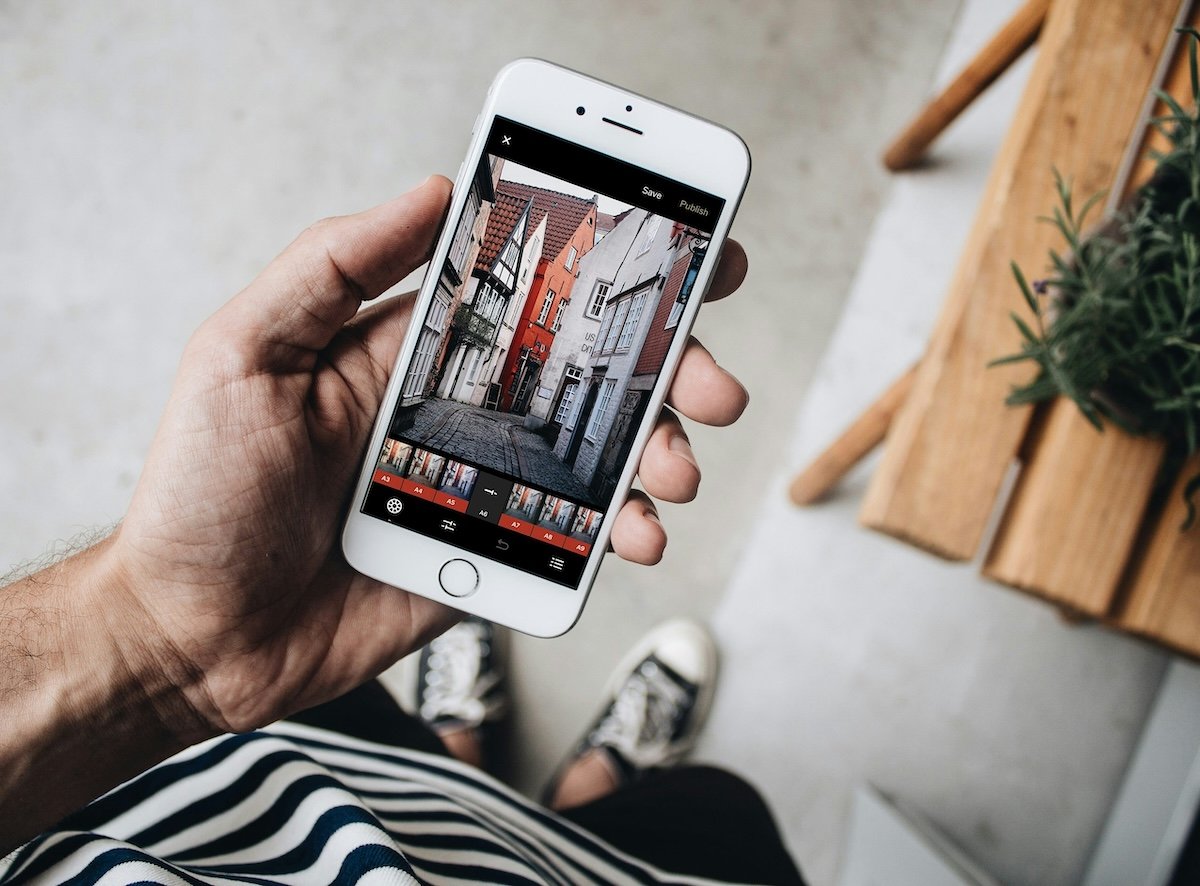
Photo editing apps put familiar editing controls on your phone. With mobile applications for photo editing, you can make these adjustments without moving the file to a computer.
Sharpening increases the contrast around existing edges, which can make a slightly soft image look crisper. It does not correct the original focus or reveal everything that was blurred. Texture and clarity controls change the appearance of detail. Exposure, Shadows, and Highlights adjust brightness; they do not reverse motion blur or missed focus.
These simple adjustments can make a difference, but don’t over-edit the photographs. Too much sharpening can create bright outlines around edges and make noise stand out. Compare the edit with the original, then check it at the size you plan to share or print.
AI enhancement goes further than a sharpening slider. It can reconstruct plausible detail in a soft face or a small file. Treat that result as an interpretation, not proof of what the camera recorded. Check eyes, teeth, hair, lettering, and repeated patterns before accepting the edit.
Start with gentle sharpening for slight softness. Try an automatic enhancer for an old scan or a low-resolution copy, while keeping the source file. If heavy motion blur has hidden the subject’s features, a reshoot is the safer option when you can take one.
© Le Buzz Studio
Best Apps To Make Pictures Clear
Choose by the controls you need, then check that your phone supports the current app. Free to download does not always mean free to enhance and export: AI tools may have subscriptions, credits, or limits.
Adobe Lightroom is our pick for a photo that needs more than a quick automatic adjustment. The mobile app combines sharpening with noise, light, and color controls, so you can refine the whole image in one editor.
For sharpening, open the photo and choose Edit > Detail. Raise Sharpening a little, then inspect a face or another important edge at full size. Radius changes the size of the details affected. Detail controls how much texture is emphasized, while Masking limits sharpening toward stronger edges.
Start with a low Radius for fine detail and avoid pushing every slider upward. If the background becomes gritty or edges develop a bright outline, reduce the effect. Noise reduction can help a grainy photo, but it addresses a different problem from blur.
Lightroom’s core mobile editing tools are free. Advanced features such as local masking require a paid plan. The Detail panel’s Masking slider is an edge control, so don’t confuse it with the separate local Masking feature. Choose Lightroom for adjustment control; try Google Photos or an automatic enhancer if you want less manual work.
Apple Photos is the first place to try on an iPhone. You can adjust a photo in the app you use to view it, without installing another editor.
Open the photo, tap Edit, then Adjust. Browse the adjustment controls. If your version shows Sharpness or Definition, increase them gradually and keep texture changes restrained on faces. Zoom in to check the result, then zoom out to judge the whole picture.
Apple’s automatic enhancement adjusts light and color. That can improve a dull photograph, but a brighter picture is not the same as a correctly focused one. Start here for mild softness; if the subject is badly blurred, stronger contrast alone will not solve it.
Google Photos offers a dedicated Unblur tool alongside its normal editing controls. It is an option for supported Android phones and iPhones, but don’t assume every phone has the app installed or supports every feature.
Open your photo, tap Edit, and look for Unblur among the editing tools or Actions. Apply the effect, compare it with the original, and choose Save as copy if you want a separate edited file. The layout can differ between app versions.
If Unblur is missing, check Google’s device requirements and whether the tool needs to download. Some tools require more memory or storage than basic edits. Enhance, brightness, and contrast controls can improve the overall appearance, but they are separate from Unblur.
Google Photos is a sensible first attempt at an automatic blur correction. Judge the output on the actual subject: an edge that looks sharper does not guarantee that a face or word has been reconstructed accurately.
Snapseed is a strong choice when you want manual detail controls without a subscription. Open the photo and find Details. Its two main controls for this job are Sharpening and Structure.
Sharpening emphasizes existing detail. Structure brings out texture, so use it gently on skin and noisy backgrounds. Increase one control at a time and inspect the effect at full size before adding more.
Snapseed’s current app listings include automatic light and color adjustments and subject or background masking. Those can speed up other edits, but they do not make manual sharpening unnecessary. Tool layout can vary by version.
For this task, Details is the place to start. Snapseed gives you control over how strong the effect looks; it is not a promise that every blurred photo can be restored.
Remini focuses on automatic AI enhancement, including portraits and old or low-resolution photos. It is a better fit for someone who wants to try an enhancement than someone who wants to adjust sharpening radius and texture by hand.
Select the photo and use its enhancement feature, then inspect the before-and-after result. Pay particular attention to familiar faces. A smoother, sharper-looking portrait is not automatically a more faithful one, so keep the original and reject changes that alter the person’s appearance.
Remini is free to download with in-app purchases and subscriptions. Check the current limits and whether the result can be saved before relying on a free workflow. There is no guaranteed processing time or guaranteed recovery of a severely blurred photo.
Fotor combines automatic enhancement with a broader photo editor. Its mobile listing includes sharpening photo subjects, clarity and contrast adjustments, plus restoration and colorization of old photos.
That makes it an option when you want to work on the subject as well as the overall image. Start with the sharpening or enhancement controls, then compare the subject and background separately. Background blur can make a subject stand out, but it cannot bring a missed-focus subject back into focus.
Fotor also includes many creative and design tools. Choose it if those edits are part of the job; Lightroom or Snapseed offers a more direct route when you only want manual sharpening. Fotor has paid options, so check access and export limits for the tool you intend to use.
The Enhance Photo Quality app from Vineeta Yadav is available for iPhone and iPad. Its App Store listing includes automatic AI enhancement, upscaling up to 4×, and colorization of old black-and-white photos.
Use enhancement for softness and upscaling when the file itself is too small. Those are different jobs: adding pixels can make a larger file, but it does not prove that new texture or facial detail is accurate. Compare the result with the original before using it in a family archive.
Check the developer name before installing. Several apps use “Enhance Photo Quality” in their names, so a similarly named Android app may have different controls and terms. This iPhone and iPad app is free to download with in-app purchases and paid premium options.
VSCO is worth considering if you already use its presets and want to finish an image with sharpening. Its Sharpen slider emphasizes existing details; its Clarity tool changes the appearance of larger details.
Increase Sharpen in small steps and pinch to inspect the image. Be especially careful with low-light photographs and film scans, where sharpening can make grain more obvious. A filter may change the mood or contrast, but it is not a substitute for fixing blur.
VSCO offers mobile sharpening for free, with memberships for a broader tool set. Choose it for sharpening as part of a preset-based edit. For dedicated blur repair, start with one of the other options rather than assuming a more dramatic filter will recover detail.
Vivid is an automatic AI photo enhancer from Winroad Holdings Limited, also known as Vividit. Its app listing includes photo enhancement, color correction, and colorization of black-and-white photographs.
Try its photo-enhancement option when you want an automatic treatment of a soft portrait. Check the face against the original instead of judging only the extra contrast or smoother skin. Keep an unedited copy if the result changes a feature you recognize.
Vivid is free to download with paid options. It suits a hands-off enhancement attempt, but the result still needs your judgment before you save or share it.
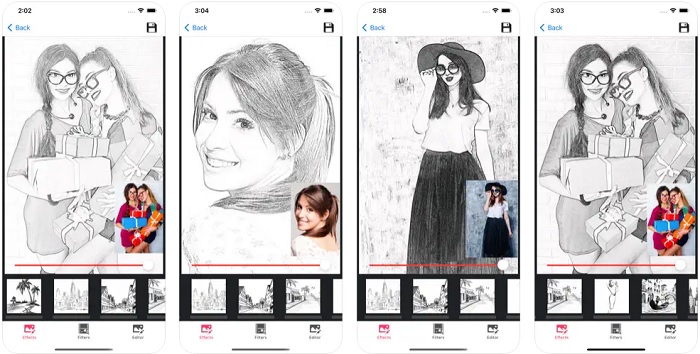
Pixlr combines photo adjustments with collages, effects, and AI tools. It now covers much more than a single sharpening control, so it makes most sense if you also want those creative edits.
For a soft photo, compare any sharpening or enhancement result with the original before adding overlays or filters. A cleaner-looking edit and a change of style are different outcomes. Pixlr’s iOS release history also lists AI Super Scale for enhancing blurry images.
The app is free to download and has ads and paid options. Check the tools and save limits in the version you install. If precise manual sharpening is your main aim, Lightroom’s documented Radius, Detail, and Masking controls give you a clearer starting point.
PhotoDirector is CyberLink’s mobile editor for manual adjustments and automatic enhancement. Its mobile app listing includes sharpening and an AI Enhance feature with deblur, denoise, dehaze, and upscaling options.
Use sharpening for slight softness, denoising for grain, and dehazing for a flat, hazy image. These controls address different problems. Try AI Enhance when you want an automatic result, then check whether it improved the subject without changing details you need to keep.
Our PhotoDirector review covers the desktop editor. On a phone, check the current version and access terms before choosing an AI feature; core editing and advanced AI access are not the same offer. Choose this app if you want enhancement and other creative edits together.
Frequently Asked Questions
Can You Really Unblur a Photo?
Sometimes you can make it look less blurred. Sharpening makes existing edges more visible, while AI enhancement can reconstruct plausible detail. Neither guarantees the original appearance of a badly blurred subject. Check faces, text, and fine patterns against the source, and reshoot when you can if the important detail is still missing.
Do You Have to Pay to Fix Blurry Photos?
No. Apple Photos has built-in editing controls, and Lightroom offers core mobile editing without a paid plan. Snapseed is another free option. Automatic enhancers may have paid tools, credits, ads, or export limits, so check both the enhancement and save steps before committing to an app.
Which App Is Best for Old or Low-Resolution Scans?
Remini is one option for old portraits, while Fotor and PhotoDirector also offer restoration or enhancement tools. Start with the largest scan or original file you have. Try enhancement on a copy and check facial features and text carefully. Upscaling can create a larger result, but it does not establish what missing details originally looked like.
Does Sharpening Ruin Image Quality?
Too much sharpening can create halos and emphasize noise or grain. Inspect the photo at full size while adjusting it, then check the final viewing size. Reduce sharpening if edges look outlined or skin becomes harsh. Brightening an image, reducing noise, and sharpening it are separate adjustments; pushing all of them harder is not a reliable fix.
Conclusion: Best Apps To Make Your Pictures Clear
Start with the photo’s problem. For mild softness on an iPhone, try Apple Photos first. For an automatic correction, look for Unblur in Google Photos on a supported phone. Choose Lightroom for control over sharpening and noise, or Snapseed for another manual editing option.
For an old portrait or small file, an AI enhancer such as Remini may be worth a try. Keep the original and compare the result before you share or print it. The best edit makes the photo easier to view without changing the details that matter to you.