

Featured eBook:
Master powerful composition and capture stunning photos everyday!
Learn More

If you take photos of people, then you take photos with eye lines, so it’s important to understand the effect that they have over how we view photos. If you’ve read up on visual weight before, then you should understand the effect that having a face in a photo has, but there’s much more to it than that. Eye-lines have the ability to focus our attention on another part of the photo, as well as producing tension and other photographic elements.
By Joshua Dunlop

If you’ve read many of my tutorials on composition, then you’ll know by now that by implementing some of these techniques, that you can add depth quite easily, and we’re gonna have a look at them now.
By Joshua Dunlop
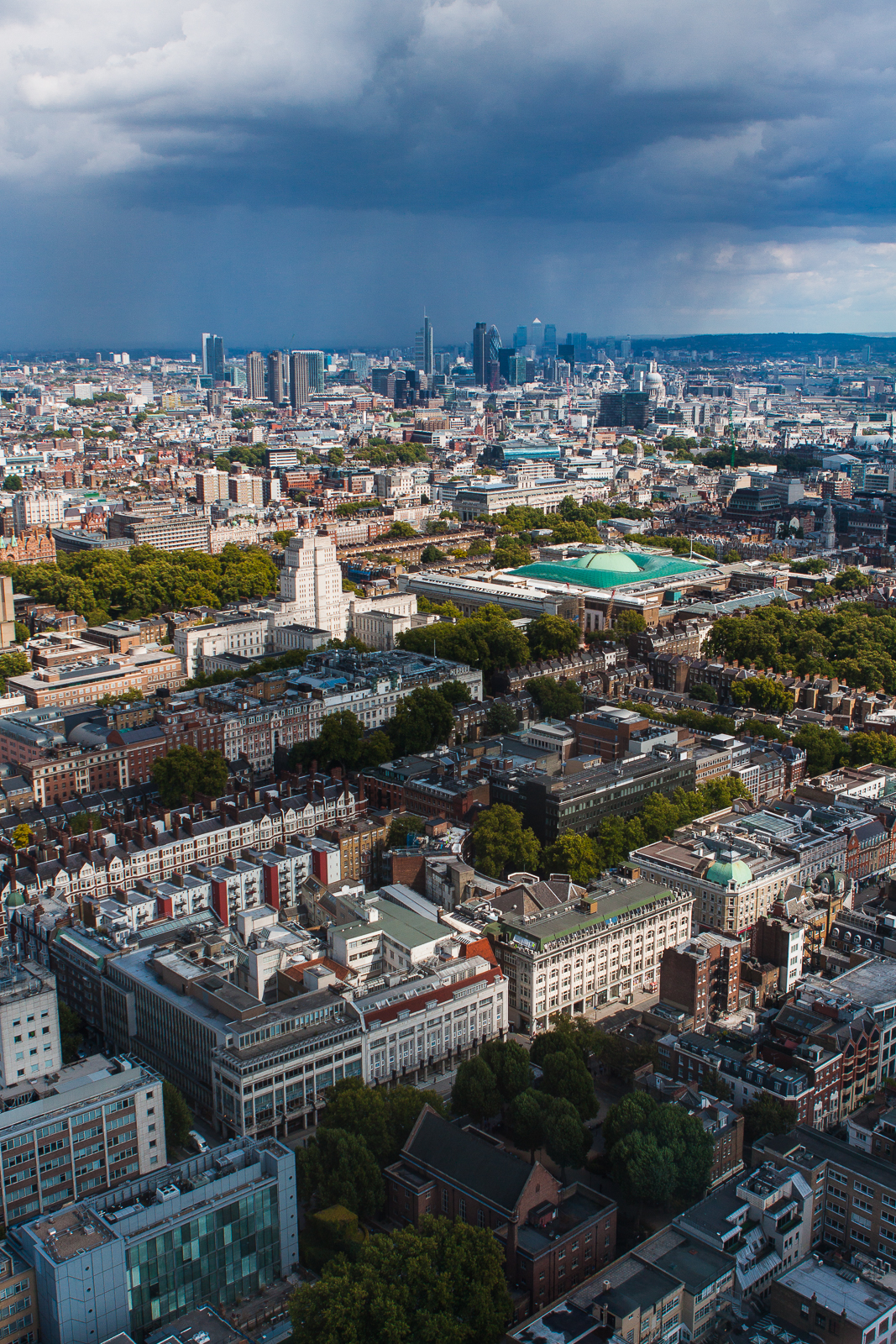
When it comes to photography, angles can make all the difference. A high angle photo, for example, can add interest and drama to an image. In this article, we’ll share our fantastic high angle photo ideas. So if you’re looking to try something new, keep reading! High Angle Photo Ideas…
By Joshua Dunlop
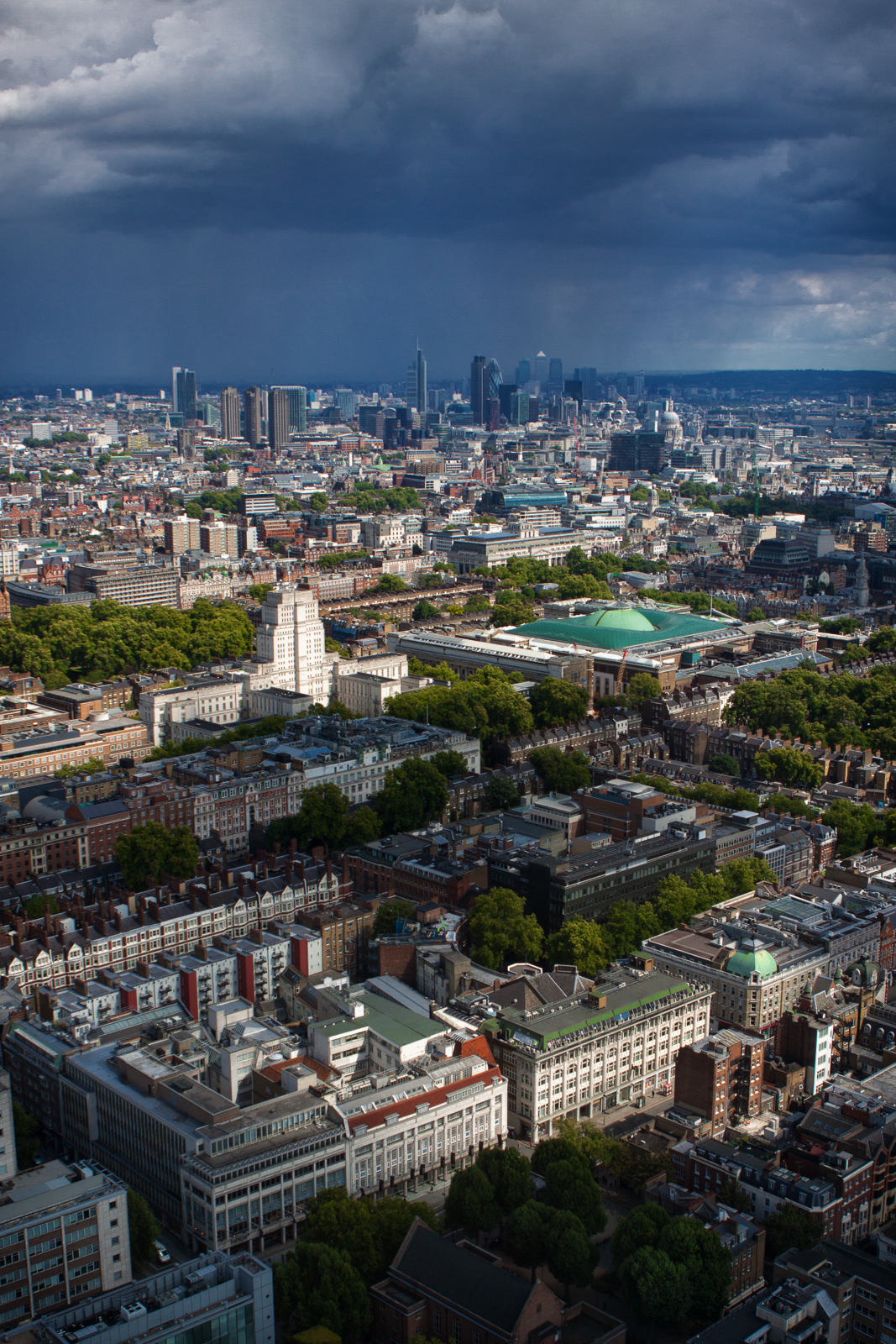
When a frame is being divided by a single, dominant line, it’s more often than not, a Horizon, as they’re fairly common in outdoor photography, particularly landscapes. If the photo is of nothing particularly interesting, then usually this line becomes be the dominant part of the photo for the way in which it separates the frame.
By Joshua Dunlop
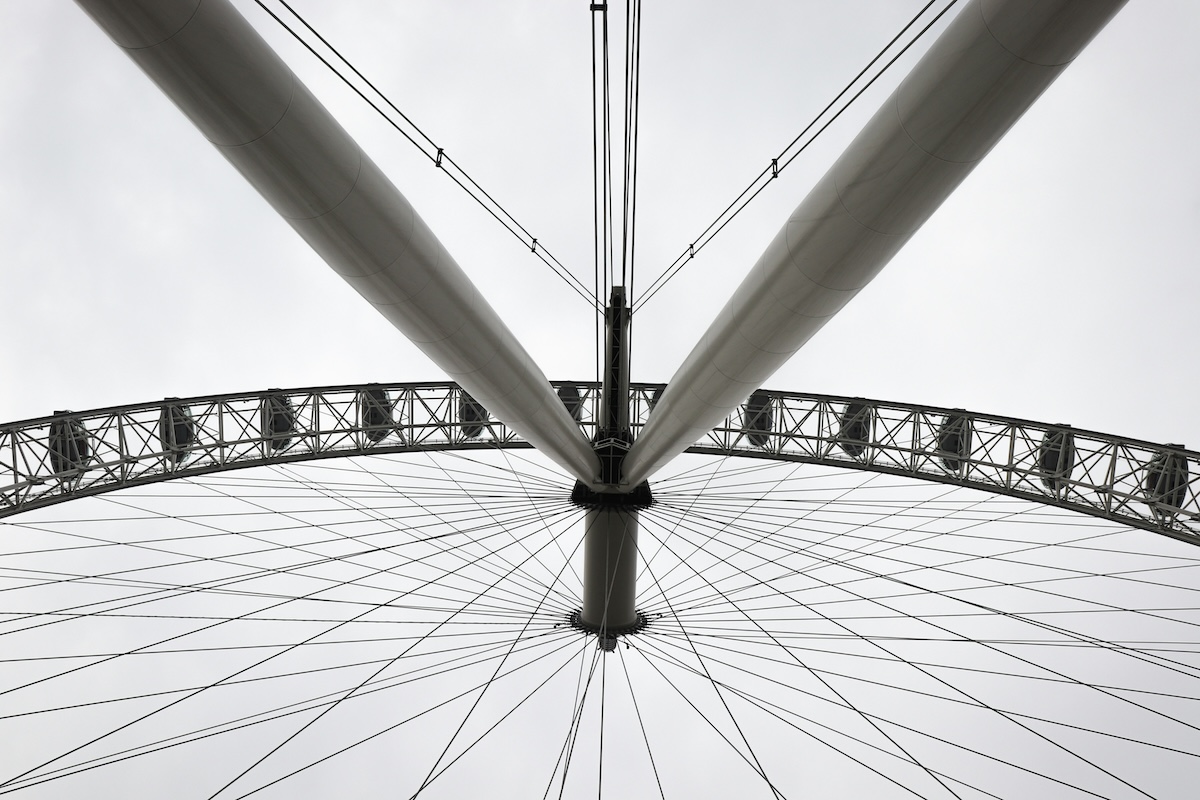
Triangles are in almost everything we see, in one way or another, it’s just a case of distinguishing them and knowing what to do with them. They make great compositional tools as they’re easy to make, manipulate, and are remarkably common. Triangles are a great way of combining different compositional techniques such as lines and paths and using them to create a more interesting part of a photograph, but the best part about using a triangle is their ability to make a photo feel stable or unstable.
By Joshua Dunlop
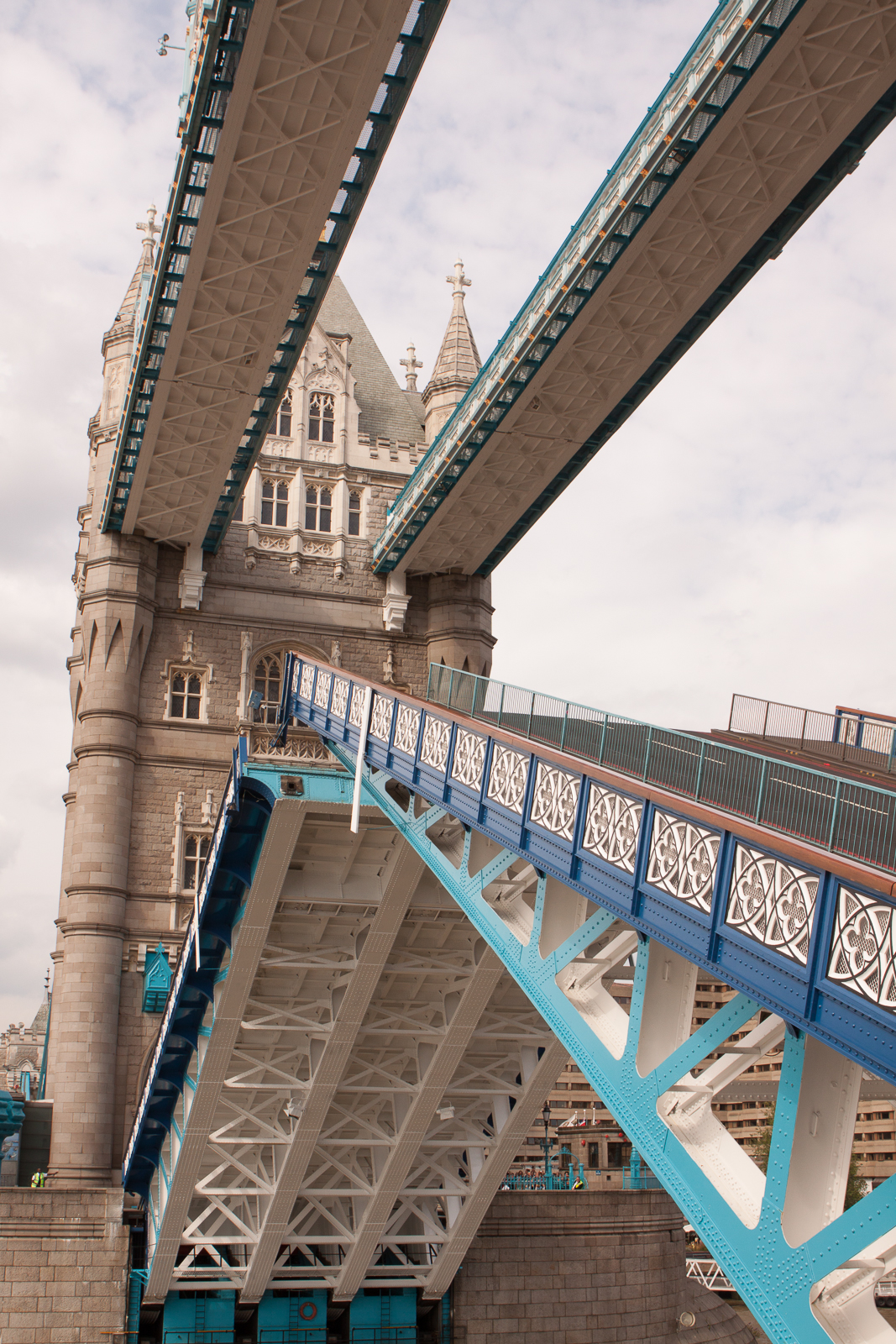
Dynamic tension is a way of using the energy and movement available in various features of the frame to draw the eye out of the picture in contrasting directions. We’ve already looked at a variety of different lines that you can use in a photo to make it more interesting, but dynamic tension takes these lines and adds varying degrees of contrast between them, making them much more interesting.
By Joshua Dunlop

If you’ve been following my basic composition technique tutorials, you’ll already know how effective the use of lines can be when composing a photo, and finishing off the lines section, we have perhaps the most useful; converging lines. There are various ways to use these lines with different degrees of effectiveness and that’s exactly what we’ll be looking at in this post.
By Joshua Dunlop
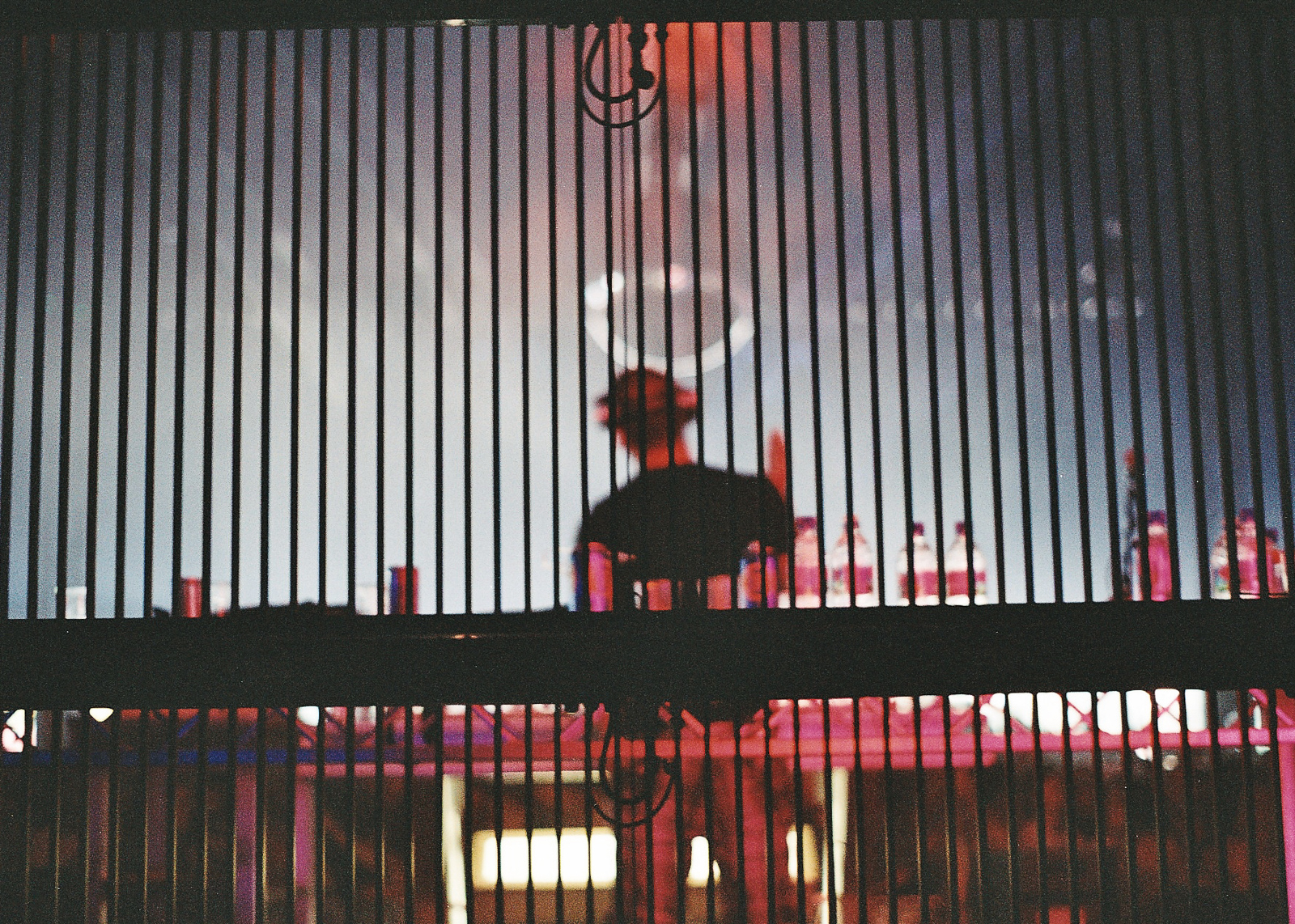
Vertical lines come right after horizontal lines in importance and that’s for a single reason – the way our eyes view an image. Our eyes scan a photo from left to right horizontally and will pick up horizontal lines first, and because of this, vertical lines are excellent at complimenting horizontal lines with their perpendicular, stopping nature when they intersect. This is a great technique to adding tension into a photo.
By Joshua Dunlop
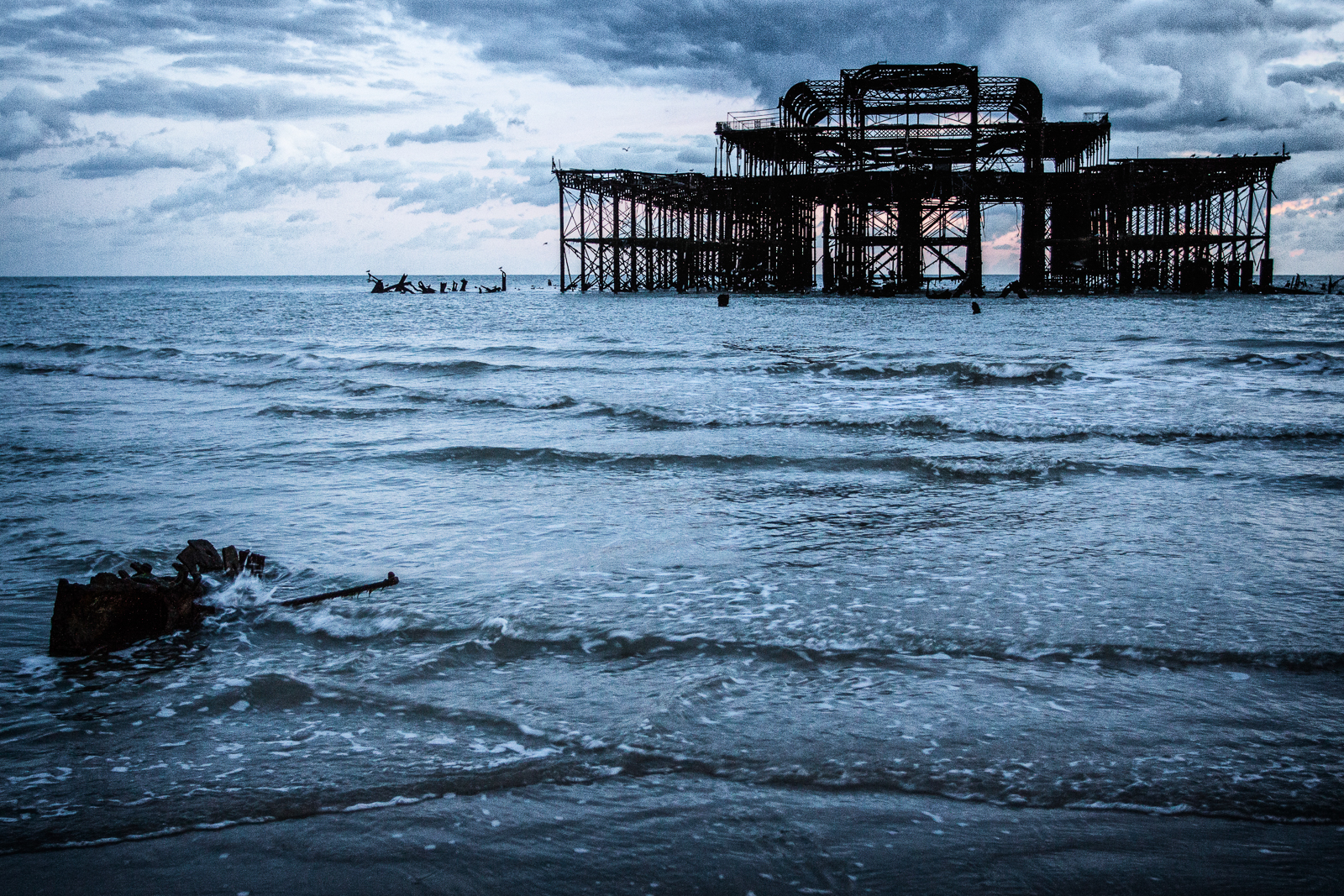
Horizontal lines are in everything we see and are at the base of every composition. Even photos with no straight lines in them are bound by the horizontal or vertical frame that they’re contained in. It’s important to understand the affect that a horizontal line has on a photo because then you’ll better understand how to use it effectively.
By Joshua Dunlop