

Featured Course:
Capture stunning photography with the camera you already own.
Learn More

You can use foreground, middleground, and background to add depth and dimension to the image. These are often used in landscape photography. But they are also useful in other genres of photography. Adding depth and dimension to any image adds more interest in the eyes of the viewer. It makes them…
By Expert Photography
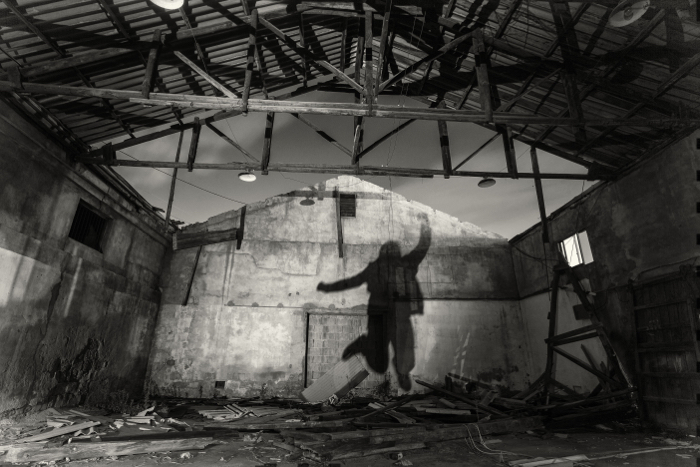
Urbex means urban exploration. This glossary explains UE, urbexing, secca, and other terms used in exploration reports and photography, with clear limits on access and safety.
By Simon Bond
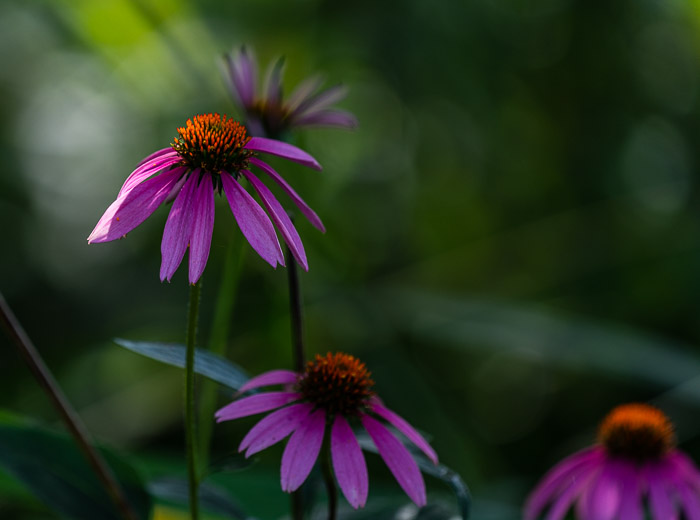
Back button focusing is a bit of a controversial topic between photographers. Many of them try back button focusing once and deem it unusable. But if you persist, you may have just found your new secret weapon. The below tips will show you how to set it up and integrate…
By Jenn Mishra
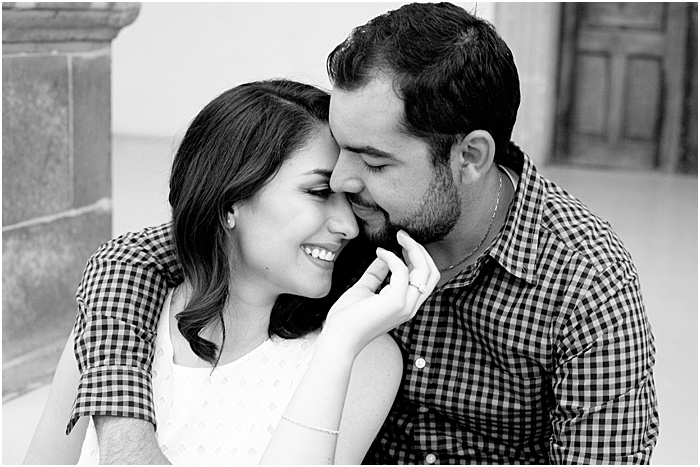
Adding a romantic touch to couple portraits may seem a little awkward at first. There are a few ways to create natural and authentic romantic photography during a session. Asking your clients to act romantic can make them nervous. These tips will help you to bring about romance without making…
By Jackie Lamas
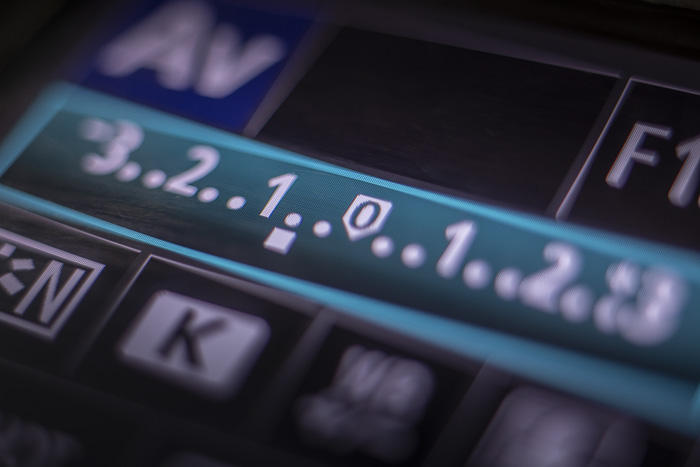
If you have a digital camera, chances are you’ve seen the exposure compensation button. It’s a weird-looking scale with numbers from -3 to +3, with a (zero) 0 in the middle. This camera setting is the exposure compensation scale. Our article explains how and why exposure compensation works. Learn how…
By Gabor Holtzer
Camera resolution or megapixel (MP) count is important when looking for a new camera. You have to sift through plenty of camera specifications. But this is one that you should pay attention to. Camera manufacturers often use a camera’s resolution as the headline feature. And when cameras like the Sony…
By Gabor Holtzer

When you’re taking photos, it’s important to keep in mind that your camera may not always focus on the exact spot that you want it to. This is called focus shift, and it can be a real problem when you’re trying to take a good photo. In this article, we’ll…
By Gabor Holtzer
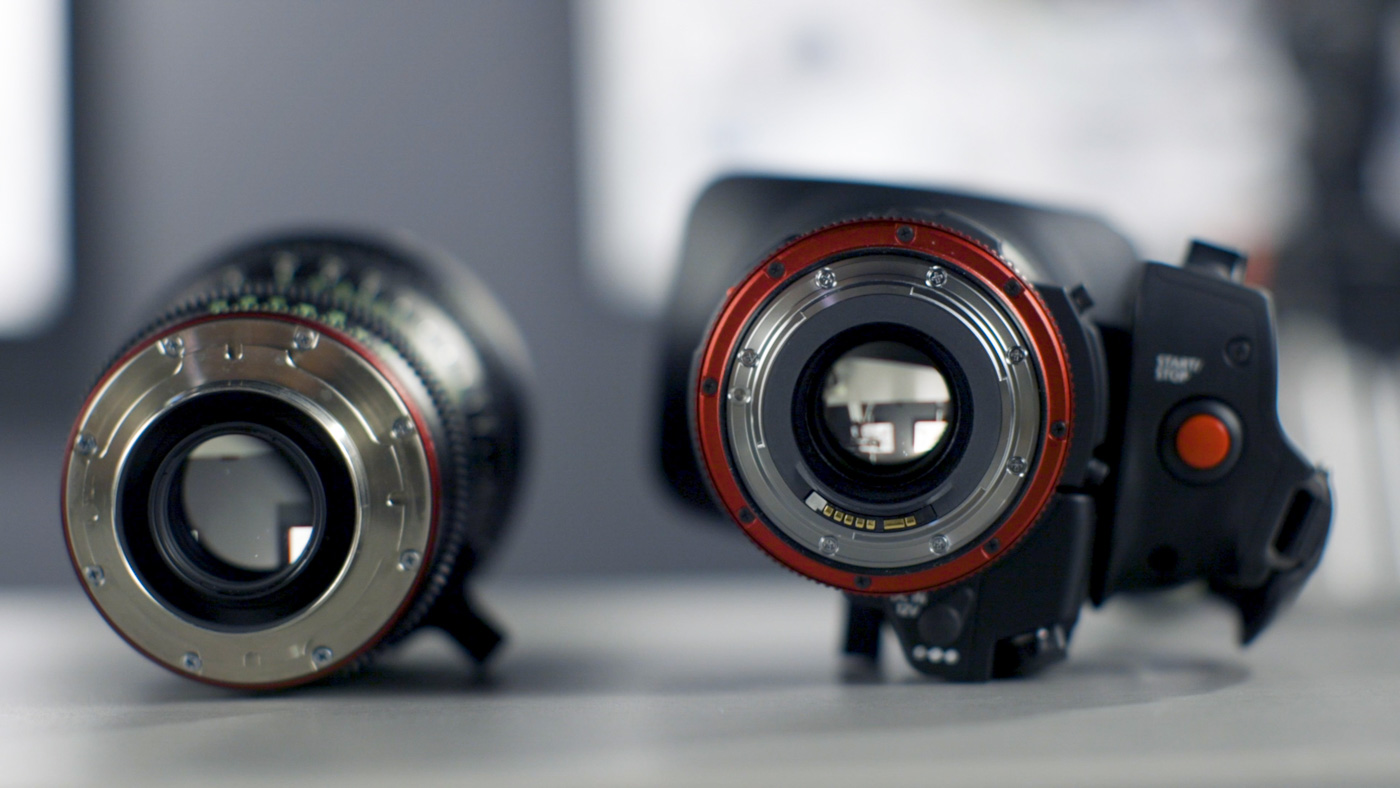
If you ever wondered why you can’t easily interchange lenses between different manufacturers, this article is for you. What stops this simple act is the different lens mounts. In this article, you’ll find out what lens mounts are, what types exist, and how you can use them to your benefit.…
By Gabor Holtzer

Color Space is a term you may have come across in your camera settings or post-processing software of choice. It refers to the color range that can be displayed by a photograph. Typically, your most common choices in color space are sRGB vs Adobe RGB. These color spaces are not…
By Darina Kopcok
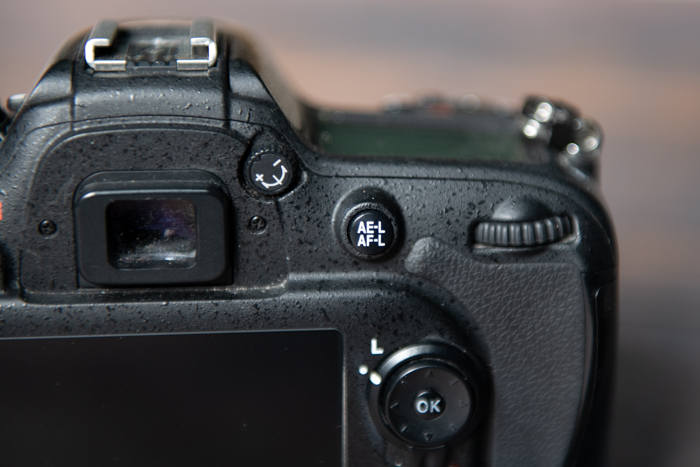
Knowing what AE-L vs AF-L means on Nikon cameras is good to know. That’s because cramming many tactile controls onto a camera body leaves little room to explain what each button does. The AE-L and AF-L buttons on the back of a Nikon are prime examples. What does the AE button…
By Hillary Grigonis

In a perfect world, all camera lenses are perfect. They would allow for 100% of all light passing through it to reach the sensor, without any imperfections or loss in resolution. But this is not the case. All-glass elements present limitations. Read on to find out what an MTF chart…
By Expert Photography

Cameras are deceptively simple on the surface. Pick up your DSLR, look through the viewfinder, lock focus, and shoot. Of course, there’s a lot more going on behind this, including a process called “phase detection autofocus.” This phrase is often thrown around in the DSLR and mirrorless world. But what…
By Anabel Dflux