Free photography ebooks can help you learn camera settings, work with light, or find a new way to approach a subject. This list brings together 17 books and guides, from beginner manuals to street photography exercises and essays on creativity.
Choose one that matches what you want to practice. Most entries lead to PDFs or a publisher's download page; Lighting 101 is also a course you can read online. Some publishers ask you to join a mailing list, so check the sign-up terms before you download.
© Chris Dodds
Must-Read Free Photography eBook Resources
Start with the problem you want to solve:
- Camera settings: Ian Middleton's A Practical Guide to Photography explains exposure, focusing, and camera modes.
- Off-camera flash: David Hobby's Lighting 101 starts with the equipment and basic lighting concepts.
- Photographing people in public: Eric Kim's 31 Days and Photzy's Photographing Strangers focus on confidence and approaching strangers.
- Black and white: Photzy's Thinking and Seeing in Black and White helps you choose subjects and work with tones.
Don't download everything at once. Read a section, try one idea with your camera, and return to the guide with your results in mind.
1. Lighting 101 – David Hobby
David Hobby's Lighting 101 teaches the basics of off-camera flash. Start here if you understand exposure but want more control over where the light comes from and how it shapes a subject.
The course begins with flash equipment and builds from there. You need a camera with control over aperture and shutter speed, plus a hot shoe. Hobby also expects you to understand what those settings do, so this is a better second step than a first lesson for a new camera owner.
You can read the course free on Strobist. For offline reading, Hobby's Lighting 101 To Go page also provides PDF versions. The publisher says Google sign-in is needed to access those files.
Access the Course: Lighting 101

© David Hobby
2. Ultimate Field Guide to Photography – National Geographic
National Geographic's field guide is a short reference for exposure, lenses, camera modes, composition, and color balance. Its flash section explains bouncing and diffusing light, while the composition sections look at viewpoint and backgrounds.
Treat it as a guide to photographic principles, not current camera shopping advice. The text comes from an earlier digital-camera era: it discusses digital rangefinders as forthcoming and uses old equipment examples. The explanations of light and composition are the reason to read it.
This is a direct PDF download, so you can keep it beside you while you learn the controls on your own camera.
Download eBook: Ultimate Field Guide to Photography
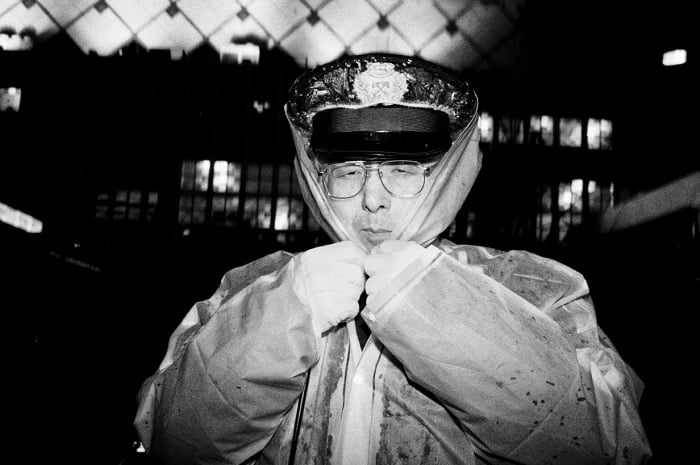
3. Overcome Your Fear of Shooting Street Photography – Eric Kim
Taking a camera into a busy street can feel very different from photographing a landscape. Eric Kim's 31 Days to Overcome Your Fear of Shooting Street Photography gives you exercises for dealing with that hesitation.
Work through an exercise and then go out to practice it. Kim makes the same point in his introduction: reading alone will not build the confidence to photograph people.
His download page includes the text online as well as document and PDF links. It also describes the original book as a rough, unedited release, so expect an informal workbook. Treat the exercises as suggestions, respect people's boundaries, and stop if someone objects.
Read and Download eBook: Overcome Your Fear of Shooting Street Photography
© Eric Kim
4. Thinking and Seeing in Black and White – Photzy
Black and white looks easy until you try it. Take a photo that worked in color, remove the color, and the subject can lose its separation from the background. Kevin Landwer-Johan's guide is about spotting that problem before you press the shutter.
The Photzy quick guide covers choosing subjects for monochrome, imagining a scene in grayscale, and evaluating tone. It also looks at how lighting affects a black-and-white image and includes Kevin's method for previewing the effect.
Choose this one if you want to make more deliberate decisions while shooting. Its focus is seeing and composing in monochrome, rather than a software conversion recipe.
Download eBook: Thinking and Seeing in Black and White
5. 11 Ways to Improve Your Photography – Craft & Vision
Once you've got a grip on the basics, this ebook from Craft & Vision explores composition and the decisions that make a photograph hold your attention.
The ideas include directing the viewer's eye, developing your own approach, and working with other photographers. Read it when your exposures are under control but you want more from the pictures themselves.
Try one idea on your next shoot rather than treating the book as a list to finish. Comparing several versions of the same scene will give you more to think about than collecting another set of tips.
Download eBook: 11 Ways to Improve Your Photography
6. 100 Lessons From the Masters of Street Photography – Eric Kim
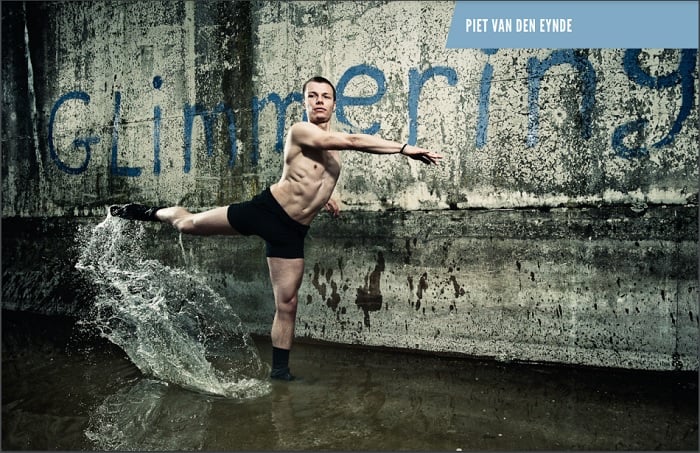
Eric Kim's second entry on this list draws lessons from the greats, including Henri Cartier-Bresson, Garry Winogrand, and Daido Moriyama.
The lessons deal with how photographers approach a scene, choose a frame, and develop their work. They are short enough to take one idea out on a walk, then return to the book for another.
Kim offers the text online and lists PDF, ePub, and other download formats. He releases it for free sharing and adaptation. You don't have to read the lessons in order, and you don't have to agree with every approach to learn from it.
Download eBook: 100 Lessons From the Masters of Street Photography
7. Photographing Strangers – Photzy
The hardest part of photographing a stranger may be making the approach. Karlo de Leon's Photzy guide looks at the interaction between the person behind the camera and the person in front of it.
It covers studying a stranger, building trust, reading body language, and thinking about how your location and clothing affect a person's reaction. It also discusses candid and more obvious approaches, plus what to do if someone confronts you.
This pairs with Kim's street photography exercises because it focuses on people and communication. Use it to think through an approach before you raise the camera, while remembering that nobody owes you a photograph.
Download eBook: Photographing Strangers
8. Thirteen Tips for Wildflower Photography – Steve Berardi
Steve Berardi's wildflower guide gives you a small subject on which to practice light, exposure, backgrounds, and focus. The PDF has 13 tips, with photographs that show what each choice changes.
The field advice includes working with overcast light, using a diffuser, and waiting for a break in the wind. There are also editing examples for sharpening and adjusting parts of an image.
The copyright page dates it to 2012, and some equipment and editing instructions reflect that period. Use the location and lighting ideas as exercises, then check your own camera or software for the controls you need. Its leave-no-trace section is also worth reading before you head into a flower patch.
Read and Download eBook: 13 Tips for Wildflower Photography
9. Introduction to External Flash Photography – Photo Extremist
Introduction to External Flash Photography is a short starting point for photographers who want to move beyond the look of direct flash.
Read it for an introduction to using a separate flash for portraits. Then compare the results with the same subject lit from a different direction.
If you want a longer sequence of lessons after this introduction, return to Lighting 101 at the top of the list.
Read and Download eBook: Introduction to External Flash Photography

© Sean McGrath / Photo Extremist
10. A Practical Guide to Photography – Ian Middleton
Ian Middleton's A Practical Guide to Photography is a starting point if you want to understand what the controls on your camera actually change.
It works through light, lenses, exposure, shutter speed, aperture, and ISO. White balance, focusing, histograms, exposure compensation, and RAW versus JPEG follow, with illustrations and example photographs.
You don't have to switch to manual mode for every photograph to learn these skills. Middleton's guide also explains aperture priority and shutter priority, and when to choose each mode.
The digital edition is free when you join his newsletter; the download link comes in the welcome email. The layout is designed for computers, tablets, and large smartphones, so you can keep the guide open while you practice.
Read and Download eBook: A Practical Guide to Photography
11. Essays on Inspiration, Creativity, and Vision in Photography – Scott Bourne
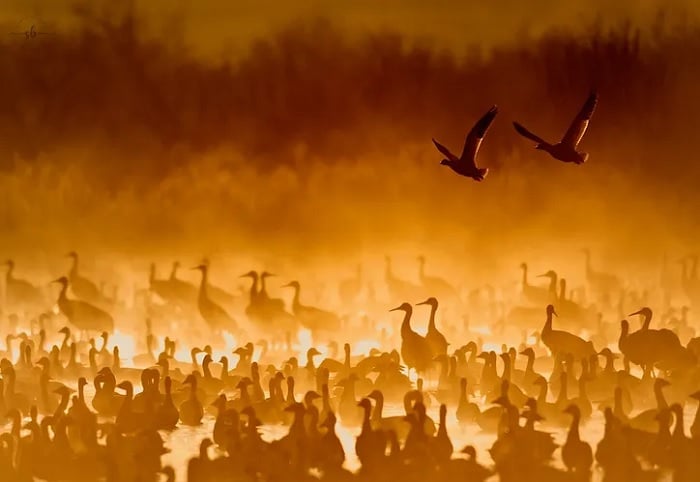
Scott Bourne's essay collection turns from camera controls to inspiration, creativity, and vision. Its topics include storytelling, seeing, and finding a direction for your photographs.
Choose it when you want to think about what a photograph communicates. It offers a different kind of reading from the exposure and lighting manuals elsewhere on this list.
After an essay, look through a small set of your own photographs. Which pictures say what you intended, and which rely on the explanation you give them? That question gives the reading a purpose beyond the page.
Read and Download: Essays on Inspiration, Creativity, and Vision
© Scott Bourne
12. Three Tips for Maximum Photo Sharpness – Photzy
A soft photograph can have more than one cause. Jenn Mishra's Photzy quick guide separates the problem into camera settings, autofocus choices, and post-processing.
That makes it a starting point if you keep changing settings without knowing which part of the process needs attention. Read the three areas in turn, then inspect a few of your own files at full size.
The aim is to work out what to change on the next shoot. Sharpening an image later and putting focus in the right place when you take it are different tasks; the guide covers both parts of the process.
Download eBook: Three Tips for Maximum Photo Sharpness
13. Motivational Essays on Photography – Scott Bourne
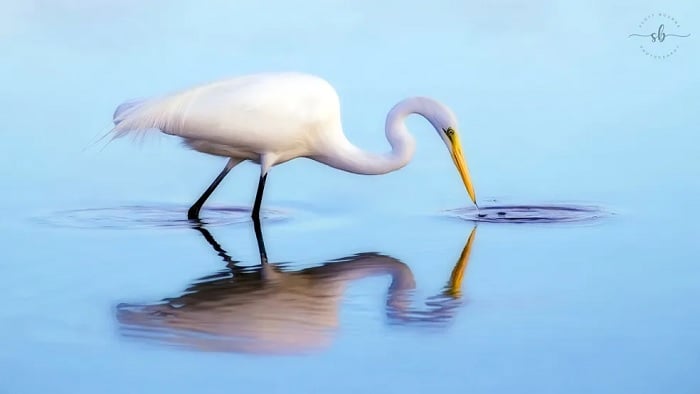
Bourne's second collection is for the days when you have a camera but little urge to use it. These motivational essays address the creative side of photography rather than camera settings.
You can read an essay on its own. Then give yourself a small assignment: photograph one familiar subject, or go for a short walk with one lens.
There is no need to turn a quiet creative spell into a gear purchase. Use the reading as a prompt to make a few pictures and see which ideas you want to pursue.
Download eBook: Nine Motivational Essays on Photography
© Scott Bourne
14. Photojournalism, Technology, and Ethics: What’s Right and Wrong Today? – Scott Baradell
The life of a photojournalist can involve travel, difficult working conditions, and decisions about what to show. There are also ethical questions about how photographs represent events.
Scott Baradell wrote Photojournalism, Technology and Ethics for Black Star Publishing in 2012. His introduction examines the pressures that technology and public distrust place on news photography.
Read it as background for thinking about those choices. Baradell's own download page says the book does not address newer questions such as deepfakes, so it should not be your only source on present-day image manipulation.
Read and Download ebook: Photojournalism, Technology, and Ethics: What’s Right and Wrong Today?
15. How to Become a Confident Photographer – Photzy
Confidence is a quiet blocker in photography. You may know what you want to shoot but hesitate to try it, or make the picture and struggle to assess it.
Karlo de Leon's guide separates confidence from competence. It asks you to look at your skills, identify the next step you are unsure about, and prepare for it. Later sections cover reviewing your progress, finding support, and setting goals.
Choose this guide when the obstacle is hesitation or self-criticism. It can help you plan what to practice, but reading about confidence does not replace learning the camera skills that a particular photograph needs.
Download eBook: How to Become a Confident Photographer
16. More Great Ways to Make Stronger Photographs – Craft & Vision
Craft & Vision's second anthology brings together chapters on making stronger photographs. The subjects include manual exposure, sharpness, seeing light, balancing flash with ambient light, and isolating a subject.
It follows the first collection at number five with more technique to practice. Pick a chapter that connects with a problem in your own work, then return to the examples after you have tried the idea.
This is a PDF rather than an interactive course. Keep it as a reference you can revisit alongside your photographs.
Download eBook: More Great Ways to Make Stronger Photographs
17. How to Promote Your Photography Brand From Home – Photzy
Ludmila Borosova's Photzy guide looks at the work that helps people find and book a photographer. It starts with branding and identifying the clients you want to reach, then moves to a website, networking, existing clients, and social media.
Choose this one if you already have photographs to show but struggle to explain who your work is for. Its branding exercises give you something specific to work on before you start promoting a service.
The guide also discusses paid advertising, so it is not a promise that every tactic costs nothing. The reading is free; any spending on promotion is a separate decision.
Download eBook: How to Promote Your Photography Brand From Home
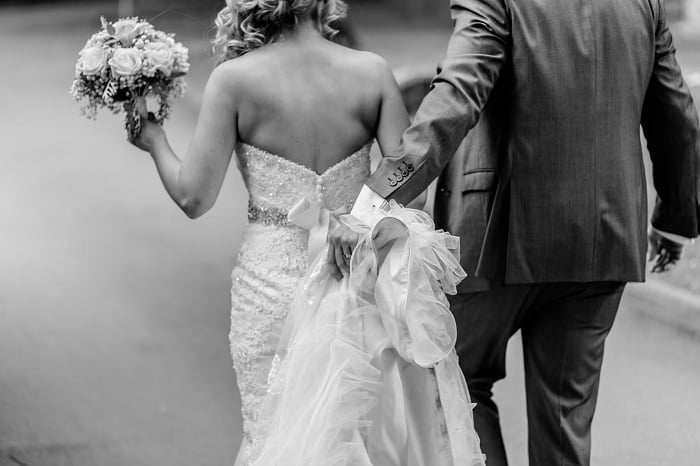
© Tom the Photographer
Conclusion
Choose one guide for the next photograph you want to make. Learn the settings with Middleton, practice off-camera flash with Hobby, or work through an exercise before your next street photography walk. Reading gives you an idea; using it with your camera shows you what you still need to learn.
For a wider reading list, see our top list of photography books. If you need to work through the camera basics first, start with our Ultimate Beginner’s Guide to Photography.