Street photography captures everyday life through gesture, timing, light and the way people share a space. Famous street photographers such as Henri Cartier-Bresson, Robert Frank and Vivian Maier show how different those moments can look through another person's eyes.
This selection brings together 21 photographers whose work shaped how we see life in public. It focuses on their 20th-century work, from Paris and New York to Hong Kong and Tokyo. It also includes documentary photographers and portrait makers whose work overlaps with street photography.
Below, you’ll find pictures, an introduction to each photographer’s style and books to explore next. If you want to see modern street photography, check out our full article on the best contemporary street photographers.
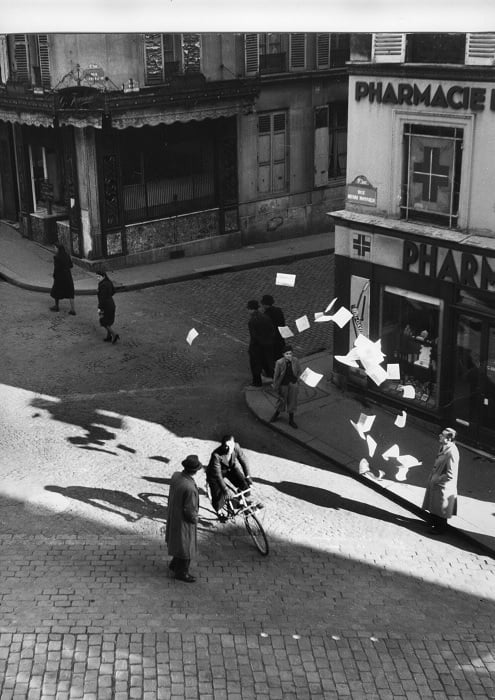
21 Famous Street Photographers and Their Work
As you look through the photographs, notice where your eye goes first. Then look at the edges of the frame, the background and the relationships between people. A familiar street can become a very different picture through a change of viewpoint or timing.
The photographer links lead to further work and background. The books offer another way to study how pictures work together as a series.
Dorothea Lange
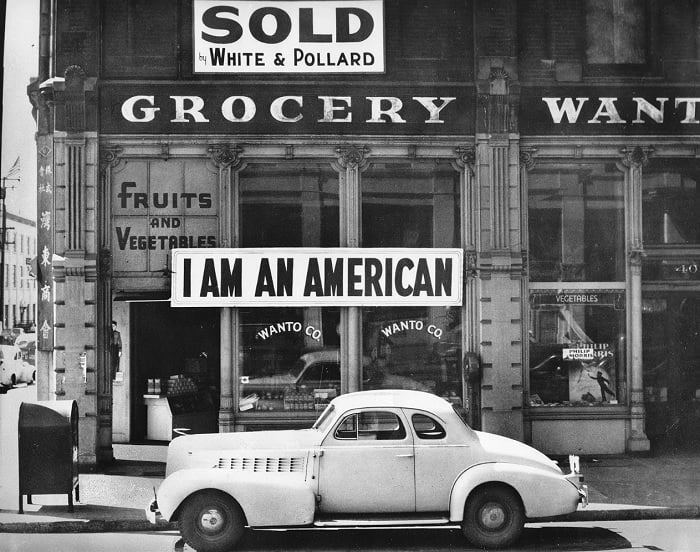
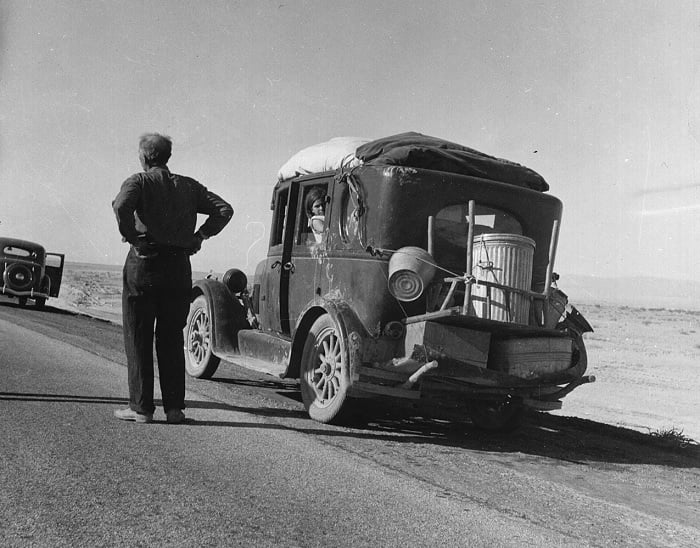
Dorothea Lange (1895-1965) photographed in America during the Great Depression. Her image of a migrant mother in Nipomo, California, became the iconic image of the era.
Lange traveled the country and later the world. She photographed poor rural farmers and unemployed working classes. Her goal was to shine a light on instances of social injustice.
She brought empathy to her images, capturing a softness and compassion. Read more about Lange’s life and work in Dorothea Lange: A Life Beyond Limits.
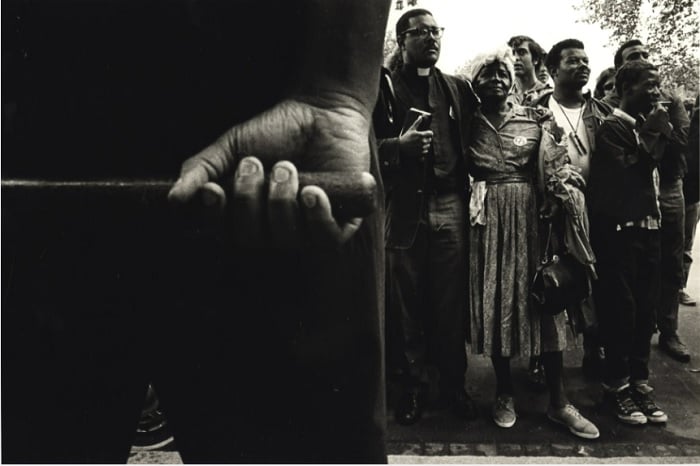
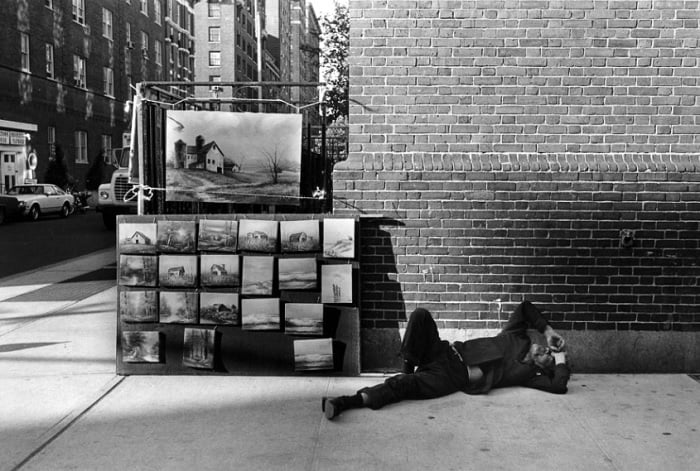
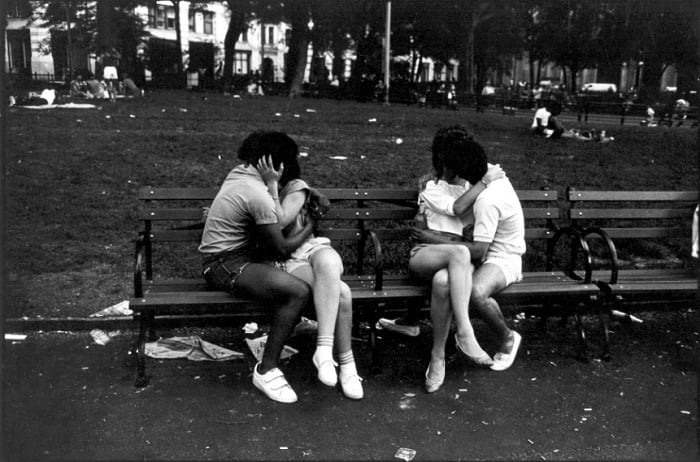
Jill Freedman
Jill Freedman (1939-2019) made work that moves between street photography and photojournalism. Her subjects included marginalized populations and public servants.
She photographed issues of social justice and political protests. And Freedman immersed herself in her subjects.
She photographed circus life, rode along with the New York City police, and lived with firefighters. Close relationships with subjects let her make personal, behind-the-scenes images.
Her work was often under-appreciated. Yet she still is one of the most important street photographers.
Each of Freedman’s books features images of a different project. Jill Freedman: Resurrection City, 1968 gives you a look into one of these projects.
Robert Frank
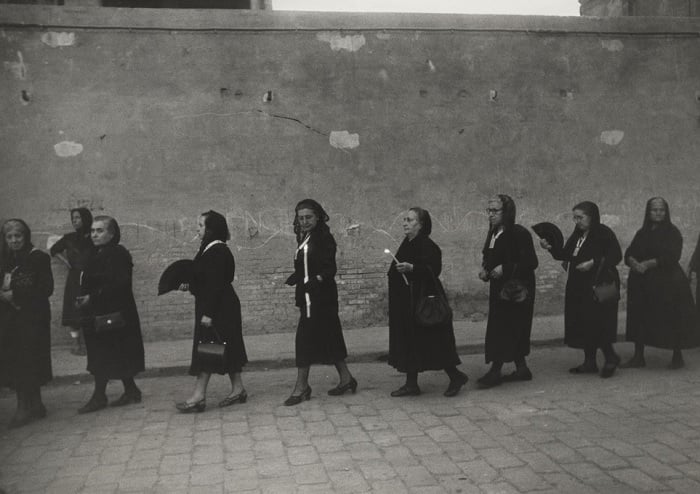
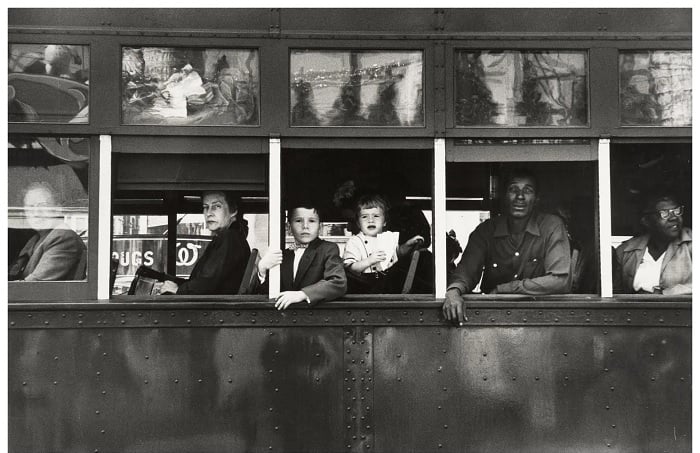
Swiss street photographer Robert Frank (1924-2019) is best known for his book The Americans.
As an immigrant to the United States, Frank explored the back roads of his new country. He quickly became disillusioned by the commercialism and prejudice he encountered.
His photos of 1950s America later came to define the era. But they were initially dismissed as being too far removed from the mainstream.
His photos were blurry, grainy, and dark. They contrasted those valued during the period.
His look is referred to as “the snapshot aesthetic.” This personal, spontaneous look influenced contemporary street photographers.
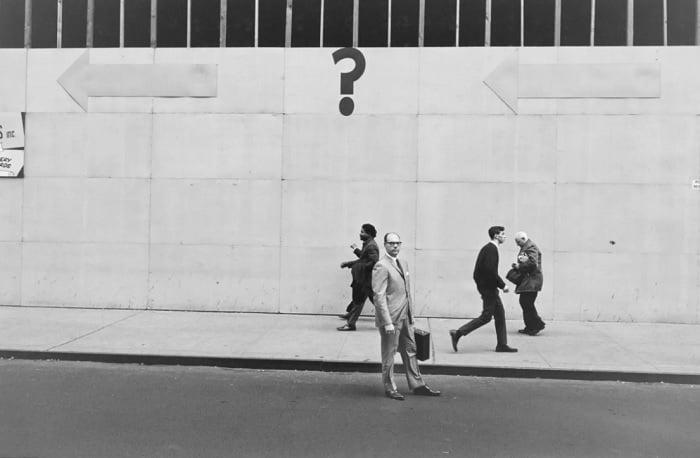
Lee Friedlander
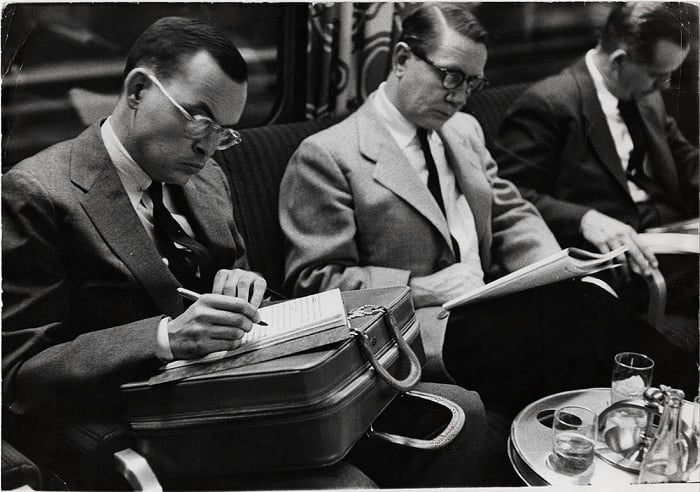
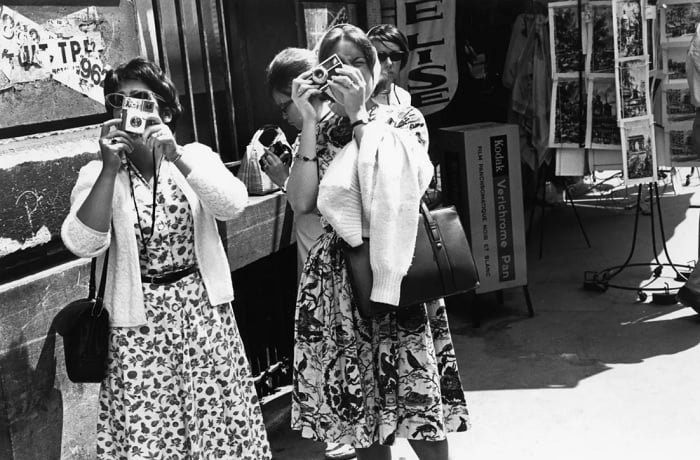
Lee Friedlander (born 1934) captures the social landscape of cities. He photographs both the people on the streets and their urban environment.
His subjects include storefronts, urban frames, and signage. These are the human artifacts of the modern world.
Friedlander photographed a series of self-portraits beginning in the 1960s. He often captured himself in a reflection or his shadow in an image. The photographer became a participant in the scene.
His black-and-white images capture a “snapshot aesthetic.” It’s a quick, immediate documentation of a scene. The book Lee Friedlander is an introduction to the man and his images.
Helen Levitt
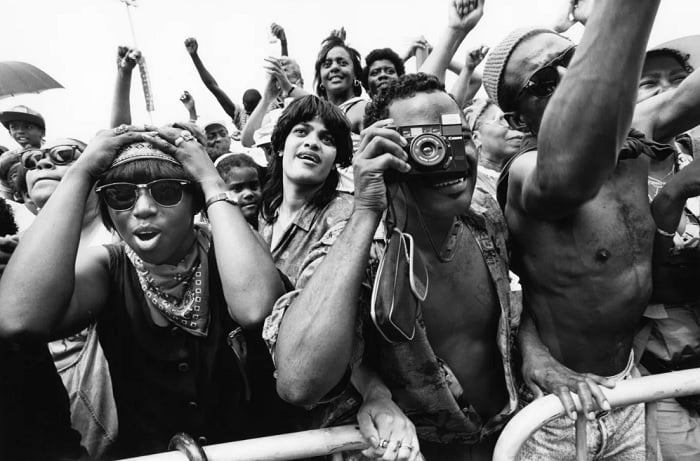
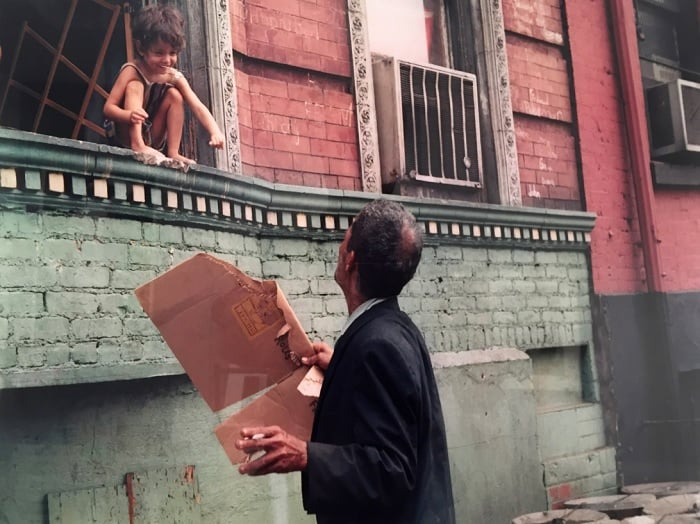
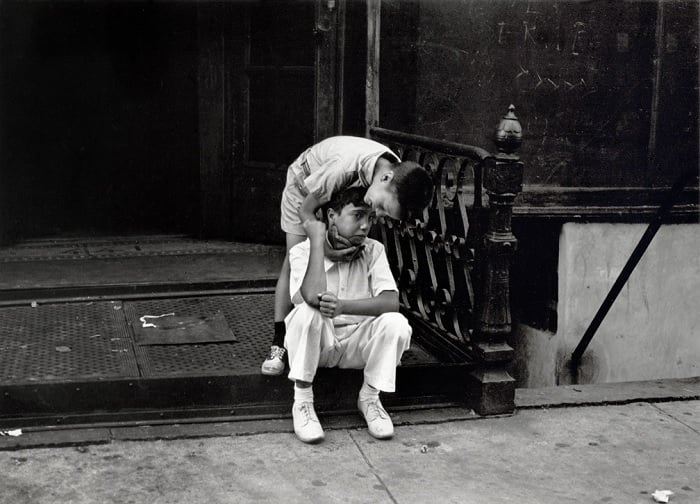
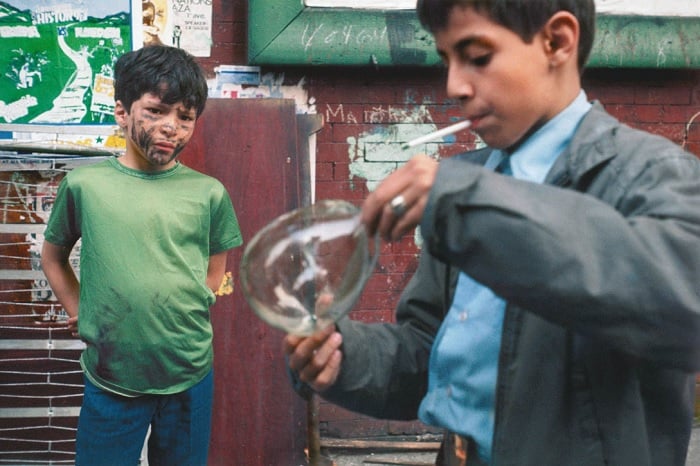
Helen Levitt (1913-2009) captured a poetic view of mid-20th century New York City. She photographed women, children, and community street life.
In her later career, she worked in color and black and white. Her color images of the 1960s paved the way for other street photographers.
Unfortunately, many of her color transparencies and prints from this period were stolen.
Her images of the city are warm and approachable. They show a side of urban life full of community. Her pictures are vignettes of domestic life.
The book Here and There is a collection of Levitt’s favorite images over seven decades of shooting.
Bruce Gilden
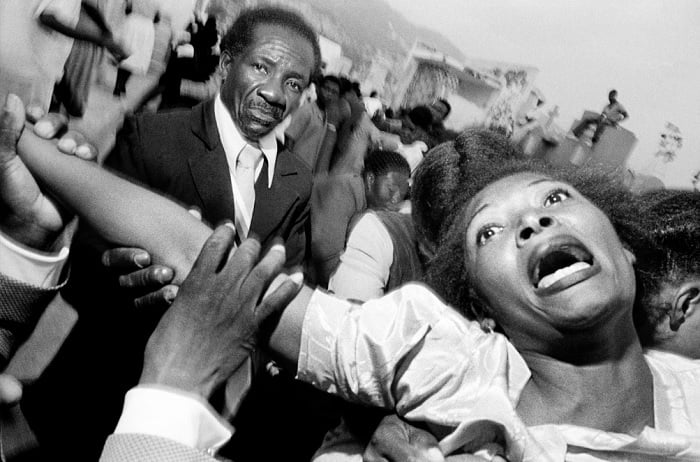
Bruce Gilden (born 1946) is known for photographing people at close range. His direct use of flash on the faces of passers-by gives his street work a forceful presence.
His pictures make the encounter with the photographer hard to ignore. They offer a very different viewing experience from a quiet observation made across the street.
When studying Gilden’s work, think about how distance changes a picture. A close viewpoint affects both the composition and the meeting between photographer and subject.
The book Facing New York will give you a glimpse into Gilden’s style.
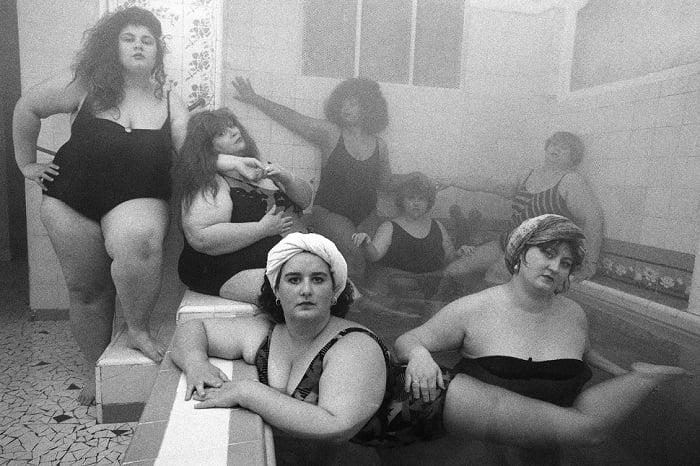
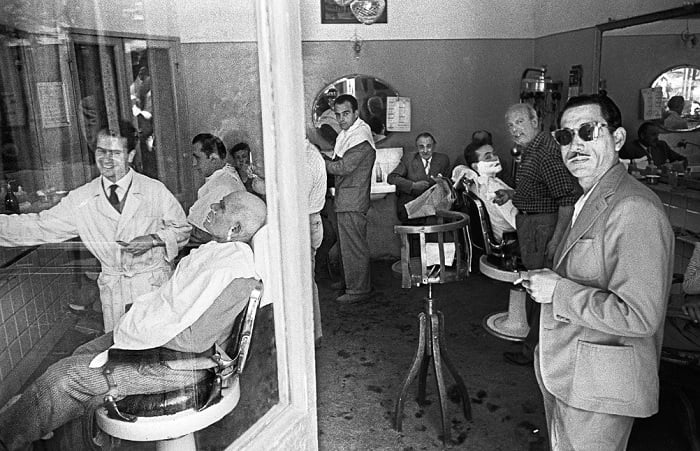
William Klein
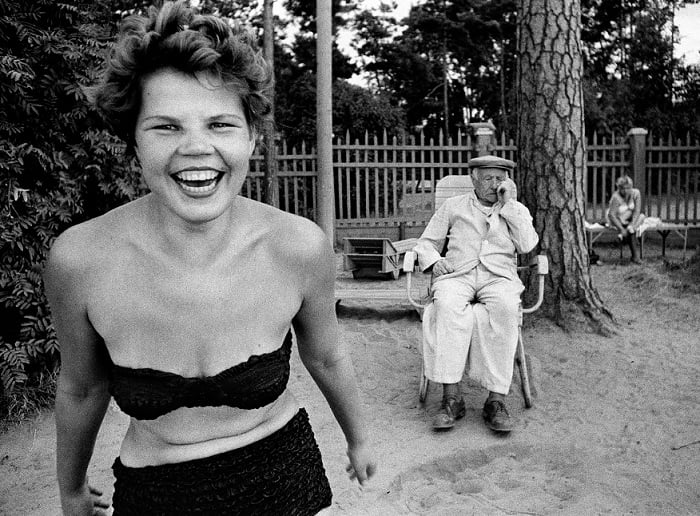
William Klein (1926-2022) was an American-born, French-based street and fashion photographer. He often mixed the genres by photographing high fashion models on the streets.
Klein shot with a wide-angle lens in a quick and energetic style. His urban photography shows motion blur and grain. His is a world off-center.
He filled his frames with the bustle of city life. Faces, signs and gestures compete for attention.
He returned to his native New York after living in Paris. He photographed the rugged streets of the mid-1950s showing a harsh reality.
The project culminated in the influential book Life is Good & Good for You in New York. Klein’s Photofile is another book well worth checking out if you like his work. The official account also shares William Klein on Instagram.
Daidō Moriyama
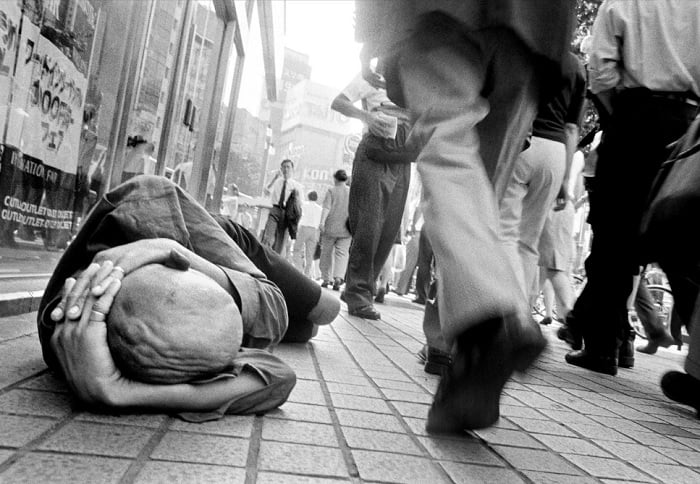
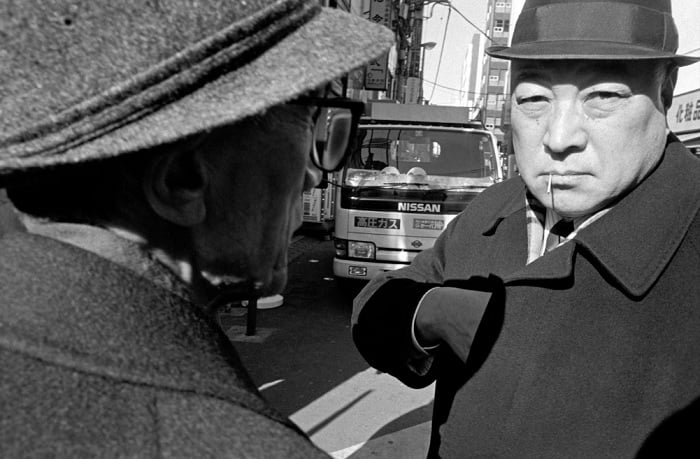
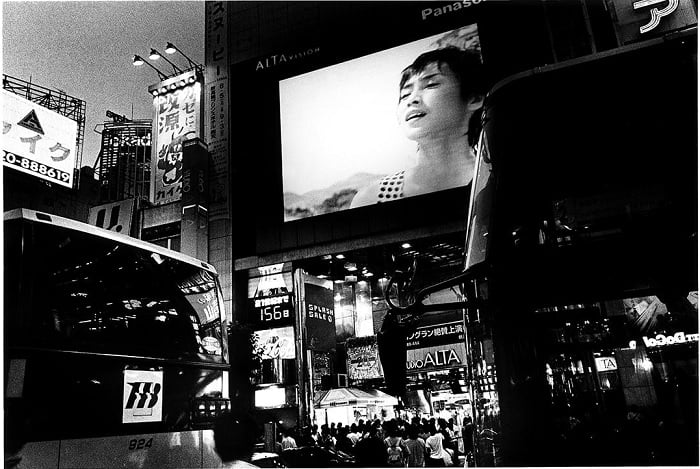
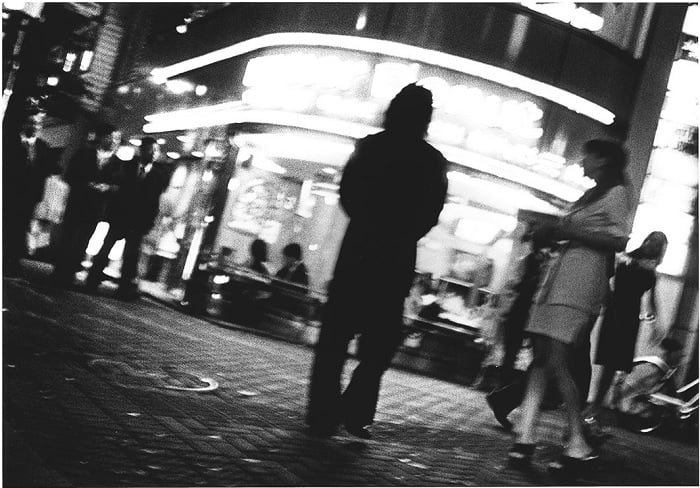
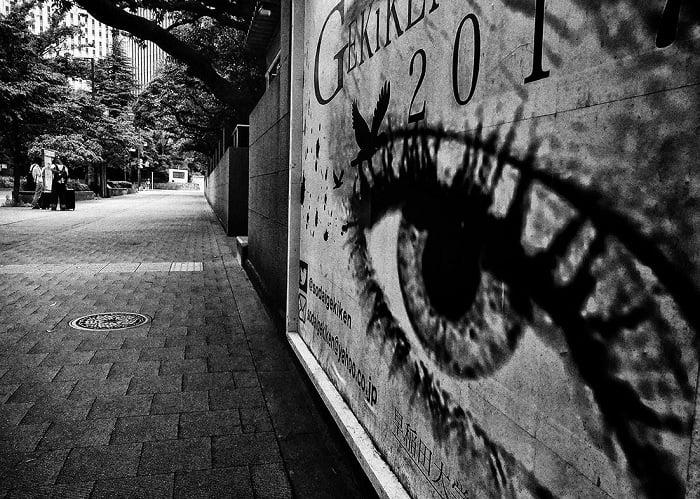
Daido Moriyama (born 1938) is a Tokyo-based Japanese street photographer. His street photography focuses on the conflict between traditional culture and the modern world.
His style favors high-contrast, grainy images. His photos are often harsh and blurred. This gives them an abstract quality. The tilted horizons and fragmentary compositions highlight urban angst.
Moriyama’s photographs have appeared in many books. Daido Moriyama: The World Through My Eyes is a curated collection and overview of his work.
Bill Cunningham
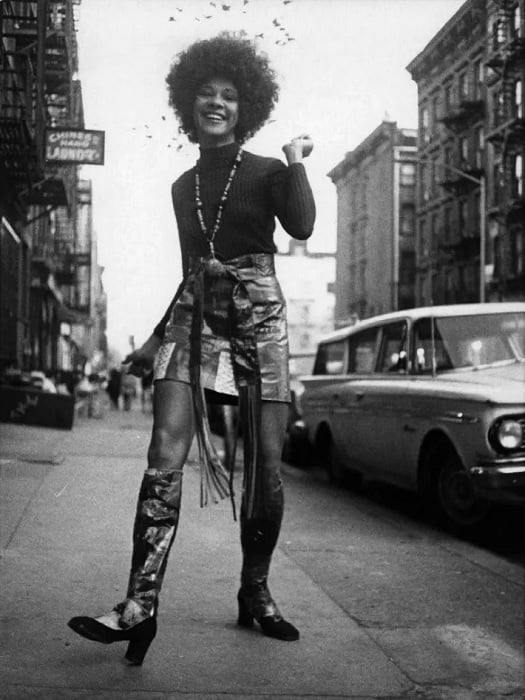
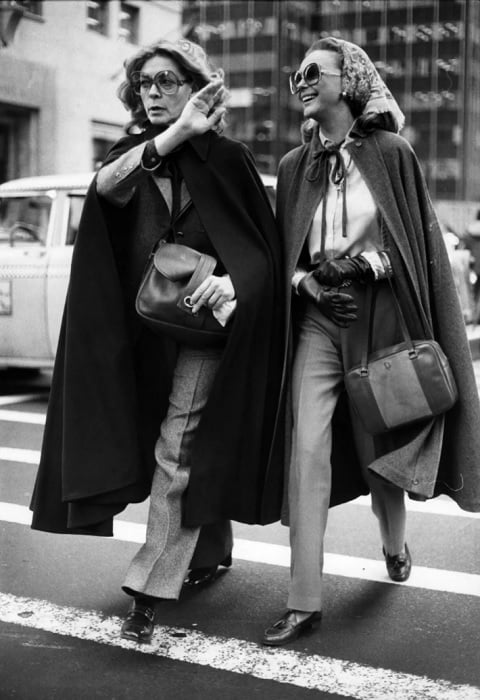
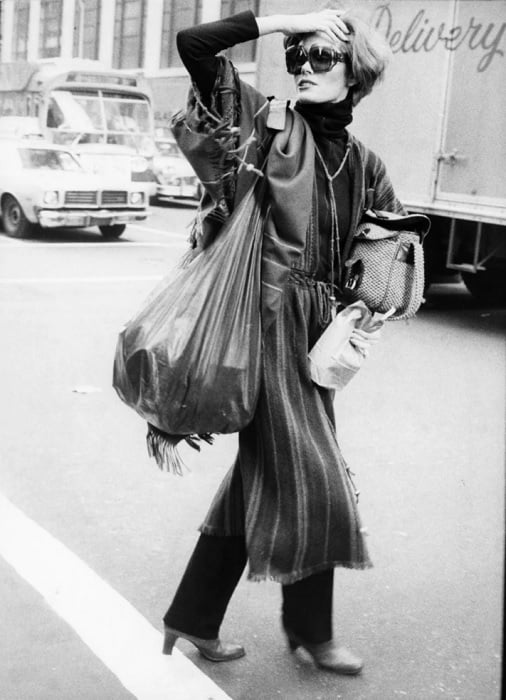
Bill Cunningham was a pioneer of street fashion photography, with Bill’s particular brand of street photography focusing on the clothes and outfits found on the city sidewalks.
He was a huge influence in the world of fashion photography, but he shouldn’t be overlooked as a street photographer. His street shots are full of energy and good humour. But he also had a handy knack for composition in a busy street.
Cunningham was a constant contributor to the New York Times from 1978 right up until his death in 2016. He was a mainstay of the New York fashion scene. And his On The Street column was a must-read for fashionistas in the 2000s.
Cunningham’s On The Street book is a must-have for street photographers with an interest in fashion. Packed with iconic street-style fashion images, it’s a fabulous collection from a true master.
Eugène Atget
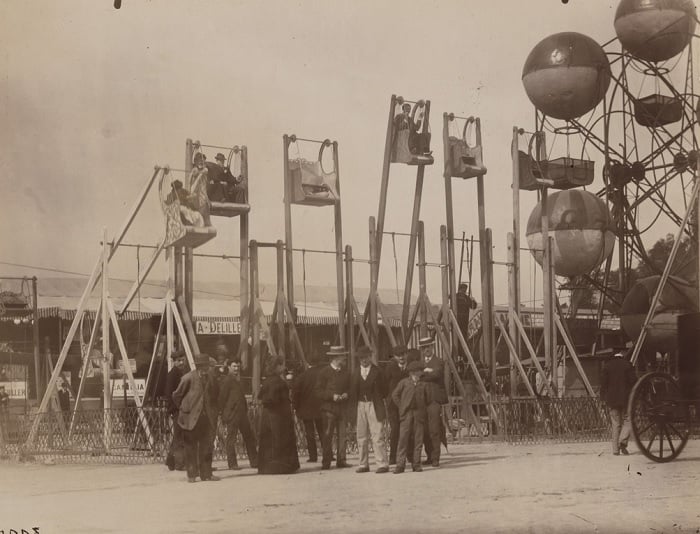
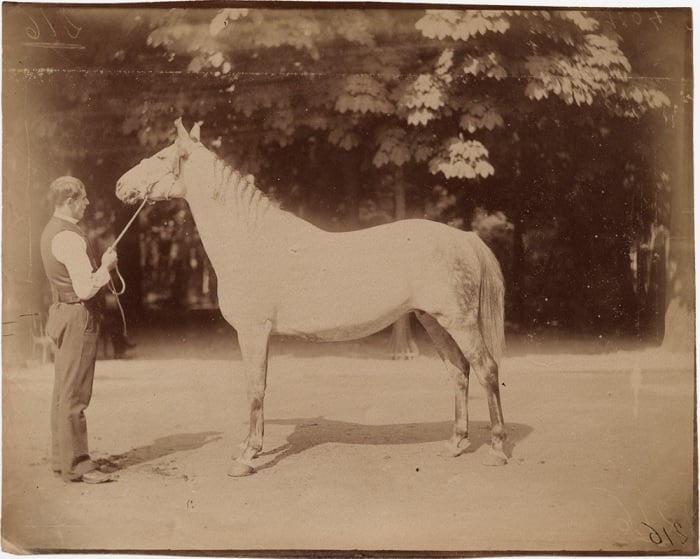
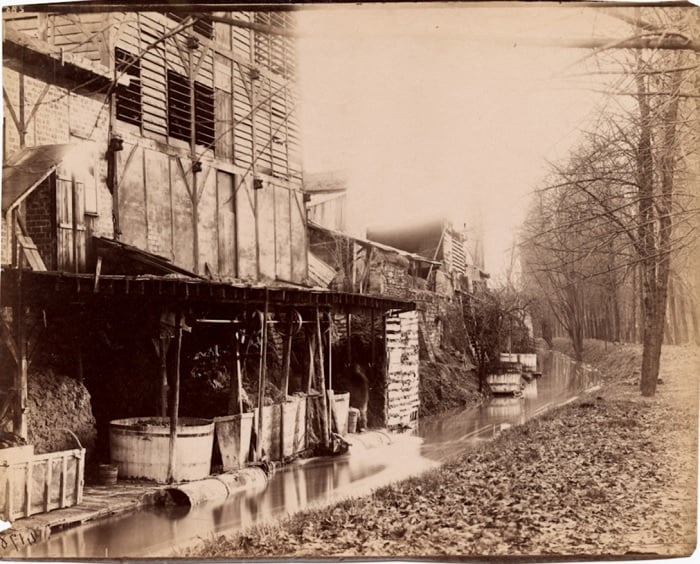
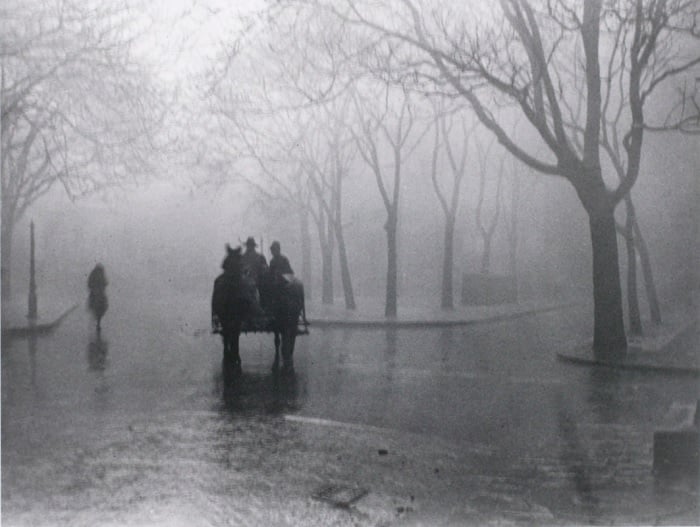
Eugène Atget (1857-1927) documented Paris at the turn of the 20th century. His photographs preserve shop windows, courtyards, streets and trades as a record of the city.
Many of his scenes contain few people. The signs of daily life remain in the buildings, displays and objects they leave behind.
Atget belongs here as an influence on later street photographers. His work shows how a place can suggest human activity even when nobody is at the center of the frame.
Championed by American photographer Berenice Abbott, his work became part of the mainstream. His work influenced the street photographers of the next generation.
The book Paris Changing: Revisiting Eugene Atget’s Paris is a glimpse into Atget’s photography.
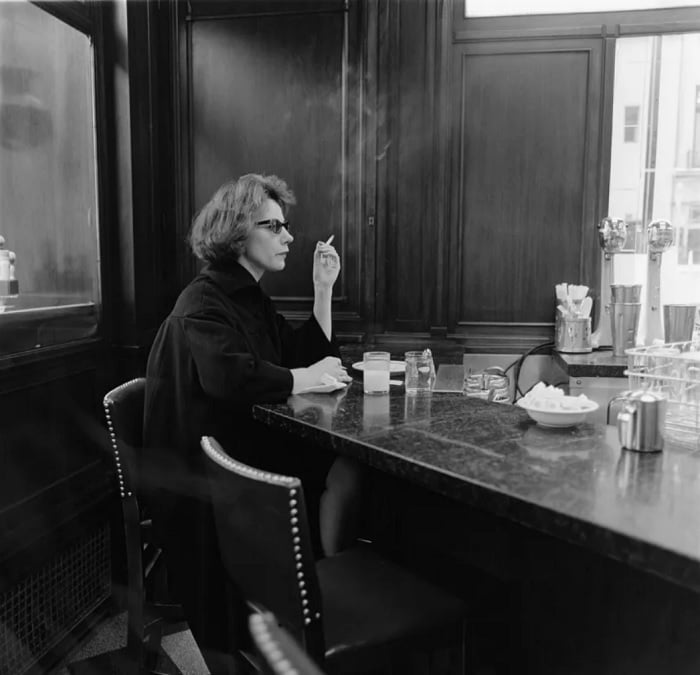
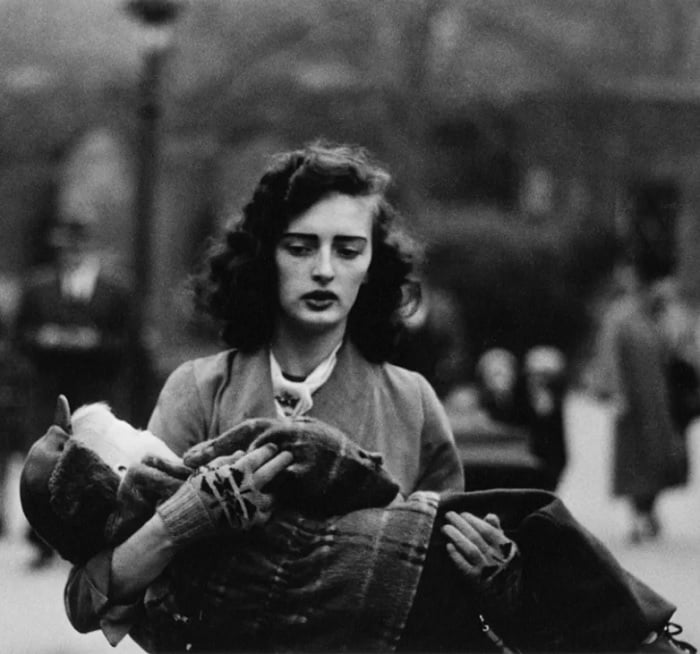
Diane Arbus
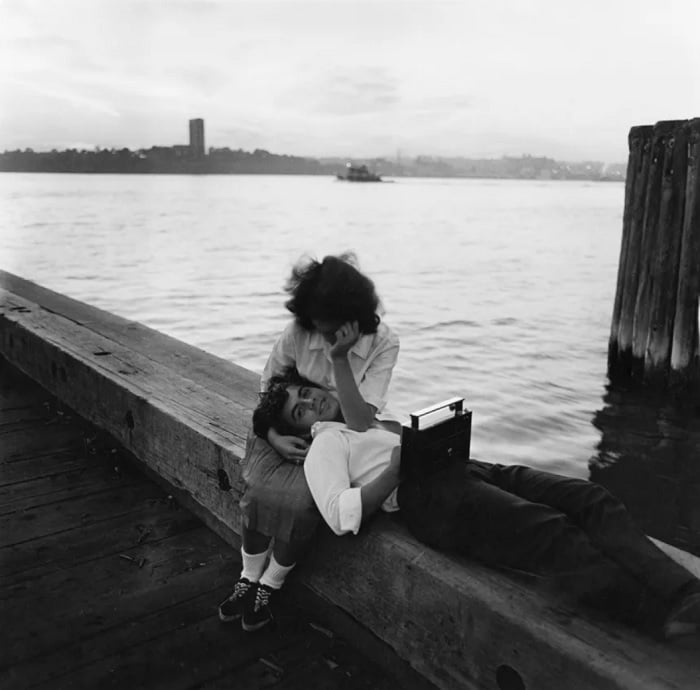
New York-based photographer Diane Arbus (1923-1971) explored appearance and identity through portraits made on the street and in private spaces.
Her subjects included children, couples, performers and families. Many look directly at the camera, making the meeting between photographer and subject part of the picture.
These portraits broaden this list beyond unnoticed candid moments. Pay attention to the subject’s pose, expression and awareness of being photographed.
Her estate carefully guarded her work for many years. But there are now many biographies. Diane Arbus: Photographer is an excellent place to start.
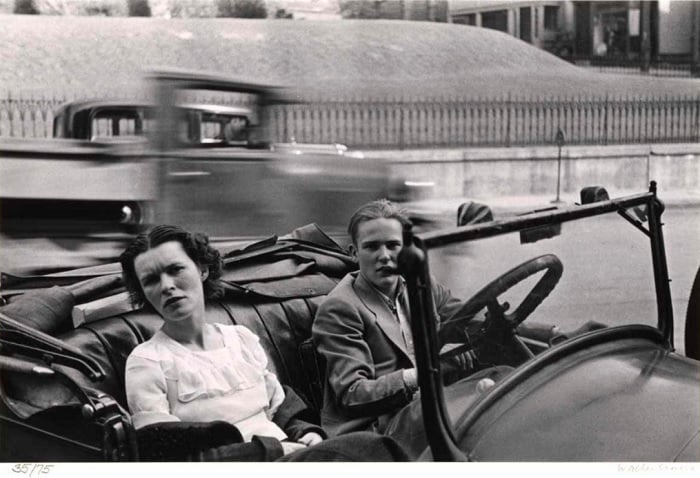
Walker Evans
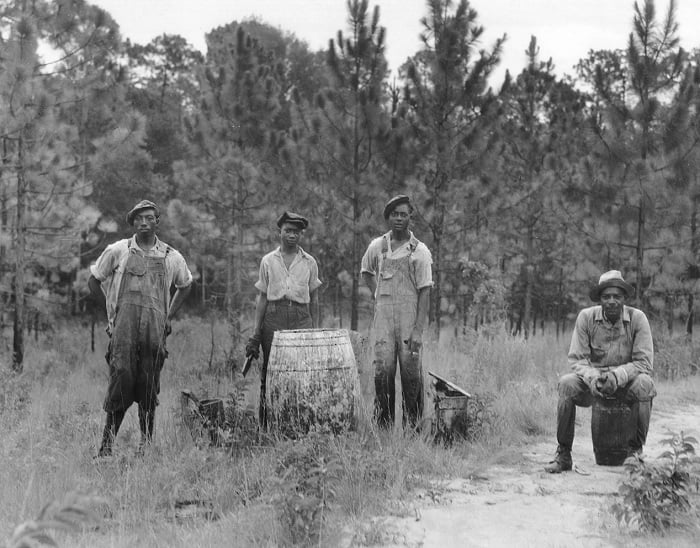
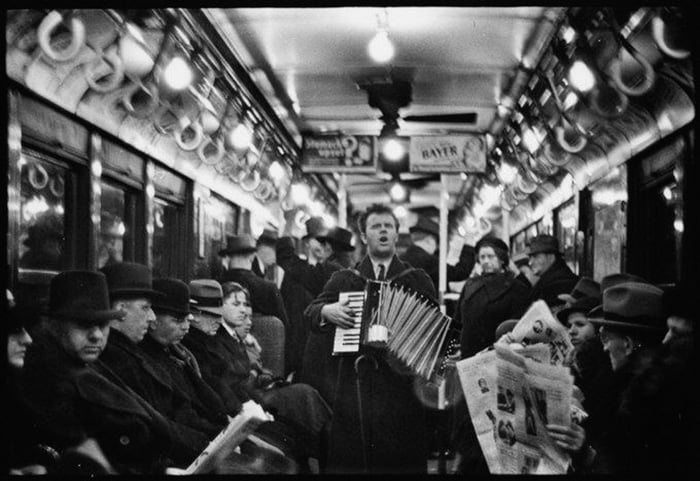
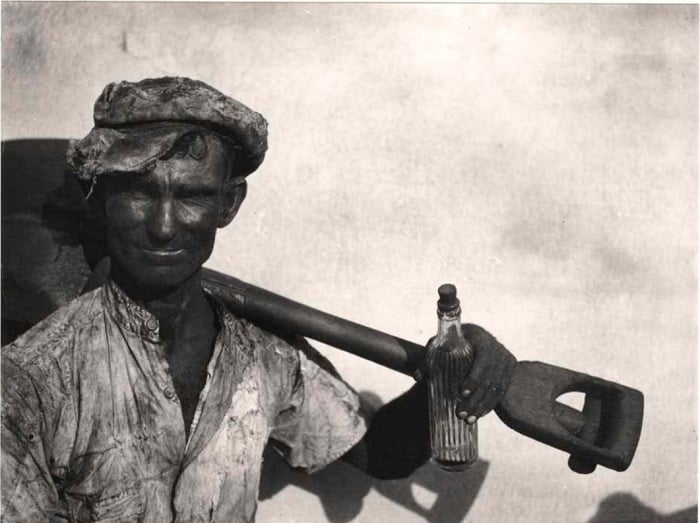
Walker Evans (1903-1975) was a street photographer and photojournalist working in America. He captured his most famous work in the American South during the Great Depression of the 1930s.
He photographed rural life and small towns. He captured both the poverty and the humanity of his subjects. His photos document the American culture of the time.
Later, Evans would document unguarded moments on the New York subway.
In collaboration with writer James Agee, Evans created the book Let Us Now Praise Famous Men. This classic book documented farm life in Alabama and contains some of Evans’ best work.
Elliott Erwitt
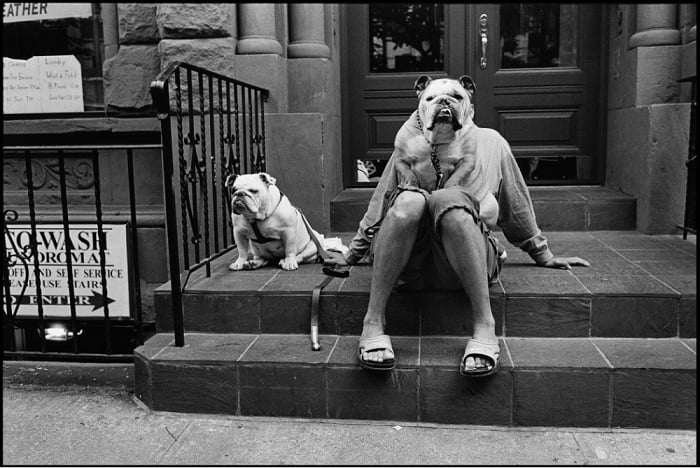
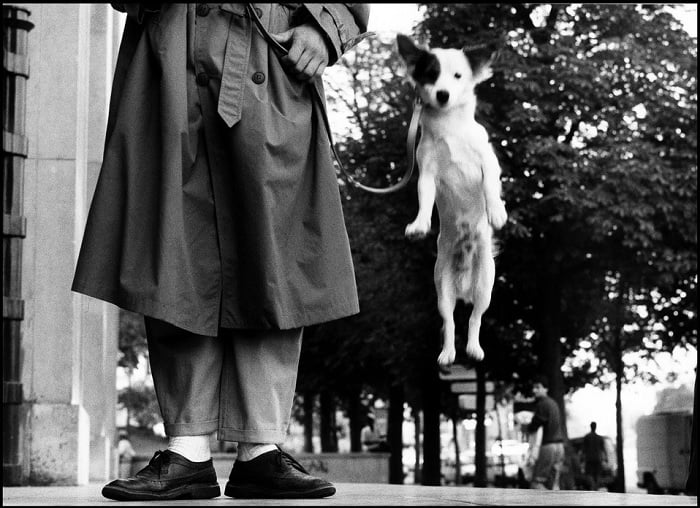
Elliott Erwitt (1928-2023) was an American street photographer. He captured life on the streets of New York and around the world during the mid-to-late 20th century.
He is famous for ironic and humorous street photos. He was a master at finding candid moments that speak to us emotionally.
Erwitt also photographed dogs. He devoted five books to dog photography. He also created iconic images of famous people, including Che Guevara, shown in the book Cuba.
An excellent introduction to his work is Elliott Erwitt: Personal Best.
Brassaï (Gyula Halász)
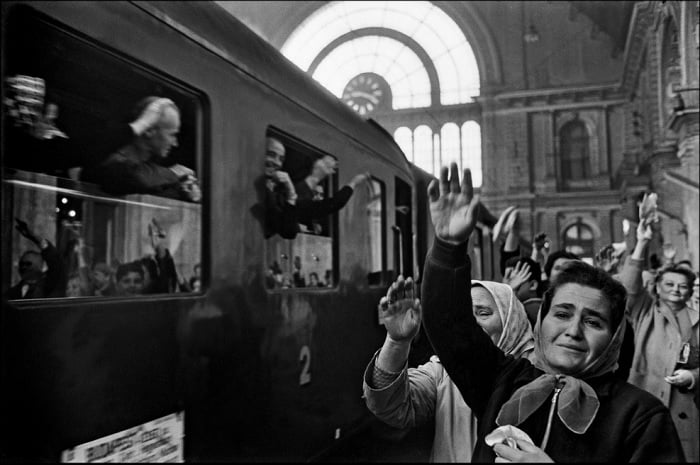
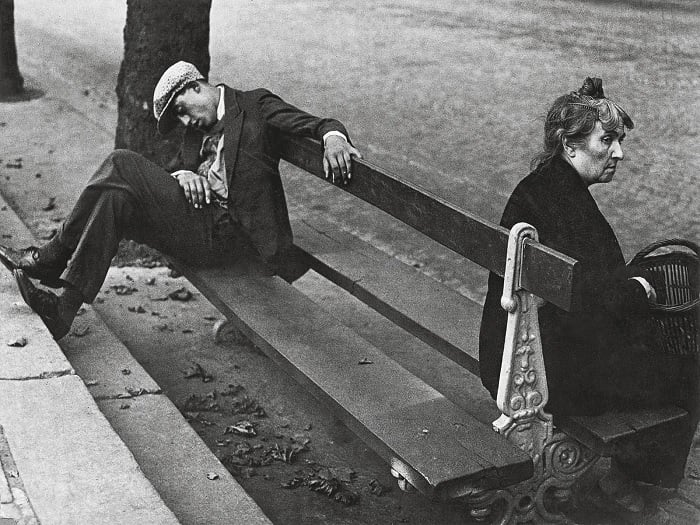
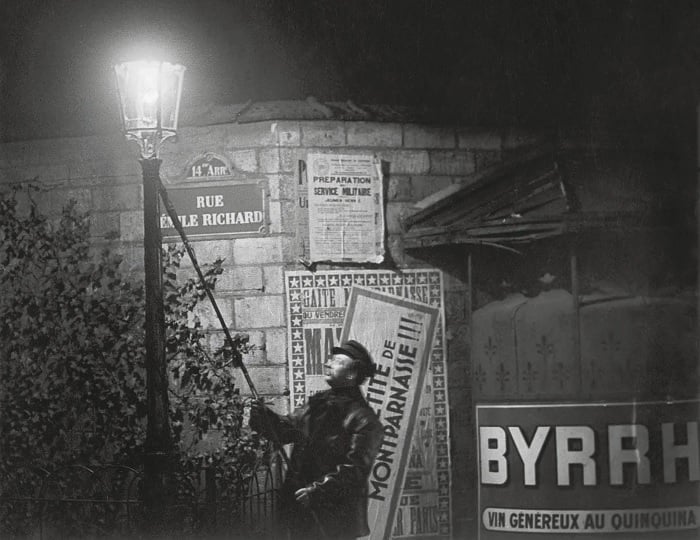
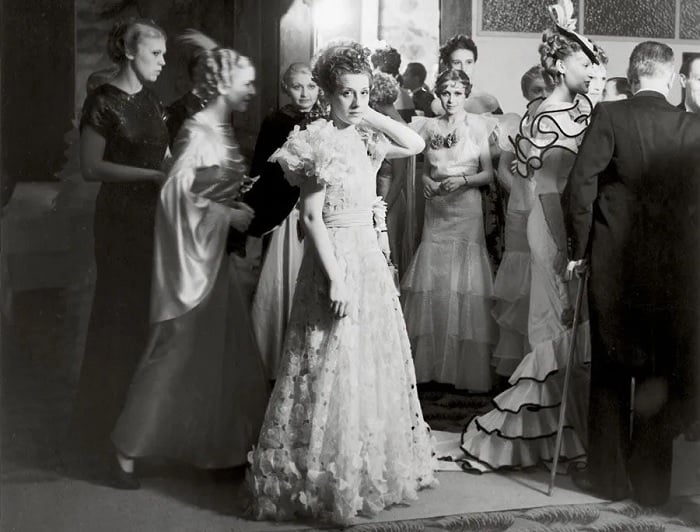
Brassaï (1899-1984) was born as Gyula Halász. During the 1920s and 1930s, he photographed the nightlife of Paris. His photos depicted the seedier side of the city.
His subjects included prostitutes, transgender individuals, and the criminal underworld. He found stories on gritty streets and in Paris’ high society.
He perfected the demanding technique of photographing life at night. The resulting images were moody and expressionistic.
Brassaï’s first book was Paris by Night. He compiled it in 1933. And it remains one of the best introductions to his work.
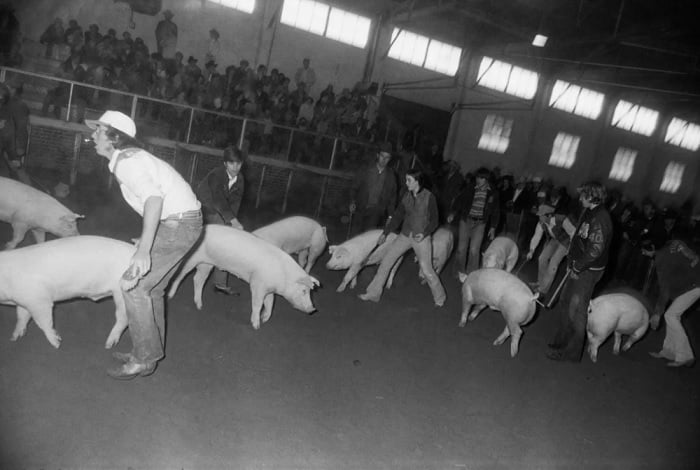
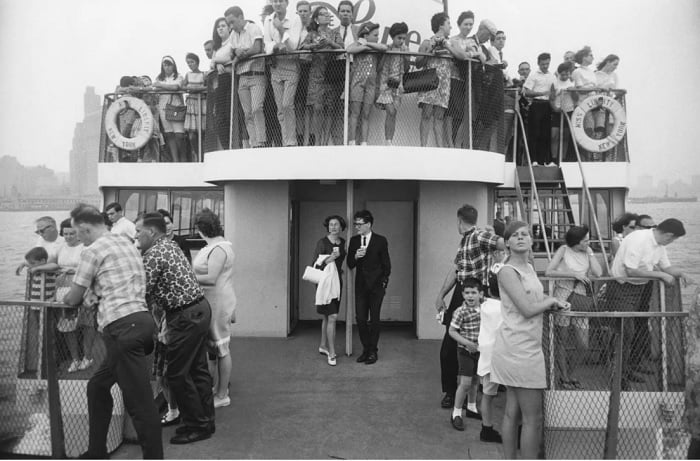
Garry Winogrand
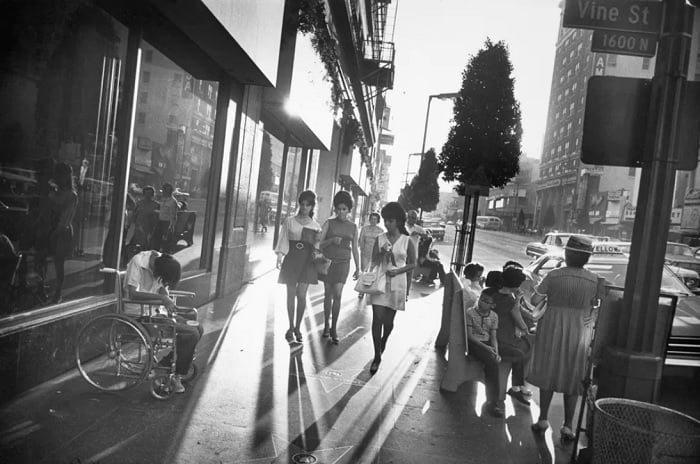
Garry Winogrand (1928–1984) worked primarily in New York during the 1960s. He was both a street photographer and a photojournalist.
He is known for his photos of crowded public places, including zoos and airports. And his photos are filled with complex social interactions.
Winogrand’s photos capture the anxiety of the times. His pictures show politics, society, and media colliding, particularly in the 1960s.
Winogrand was more interested in taking photographs than in editing and printing them. He left thousands of rolls of film unprocessed or unreviewed when he died.
Winogrand is the subject of an award-winning documentary, Garry Winogrand: All Things Are Photographable.
The Man in the Crowd: The Uneasy Streets of Garry Winogrand is an excellent book introducing his work. You can also check out the excellent collection The Street Photography of Garry Winogrand.
André Kertész
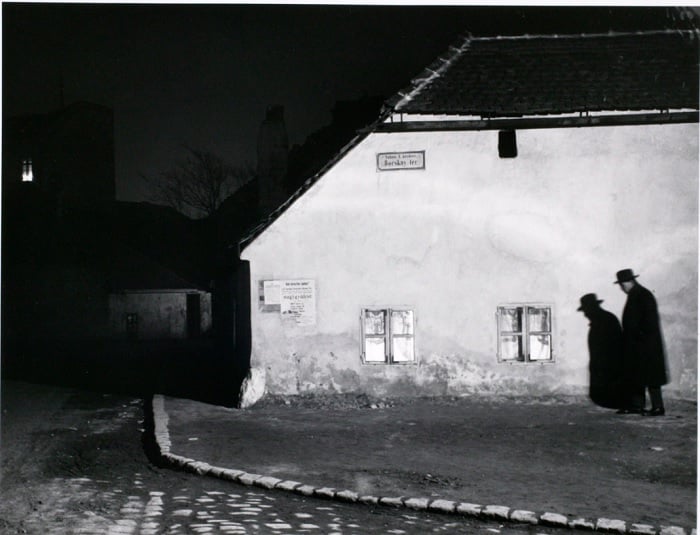
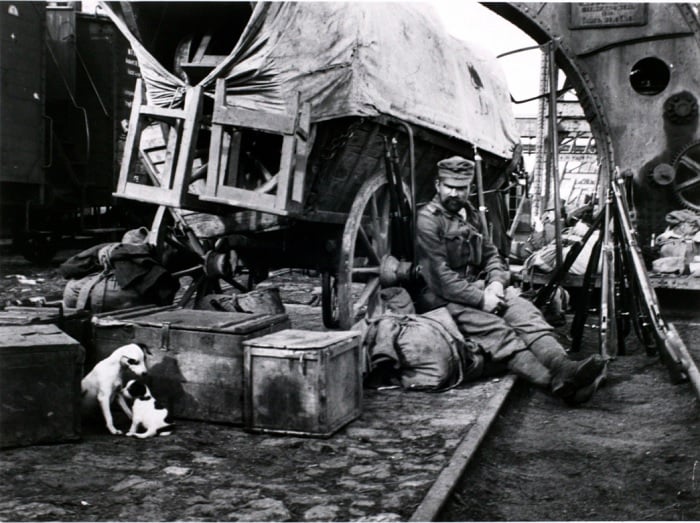
André Kertész (1894-1985) inspired both street photographers and photojournalists. His work extended from his early photographs in Hungary to his later years in New York.
He photographed the streets of Paris and New York. He explored unique camera angles and distortion.
His photographs combine an interest in people’s gestures with a strong sense of abstract shape. An unusual viewpoint can turn a familiar street into a pattern of lines, shadows and figures.
Kertész influenced photographers including Cartier-Bresson, Robert Capa and Brassaï. His career also shows that an artist’s recognition can grow long after the pictures were made.
Kertész’s work is collected into several books. One of the best books, to begin with, is perhaps André Kertész: His Life and Work.
Fan Ho
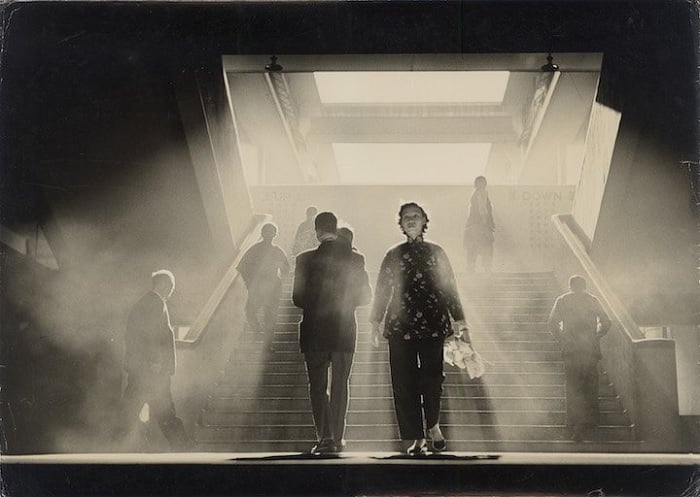
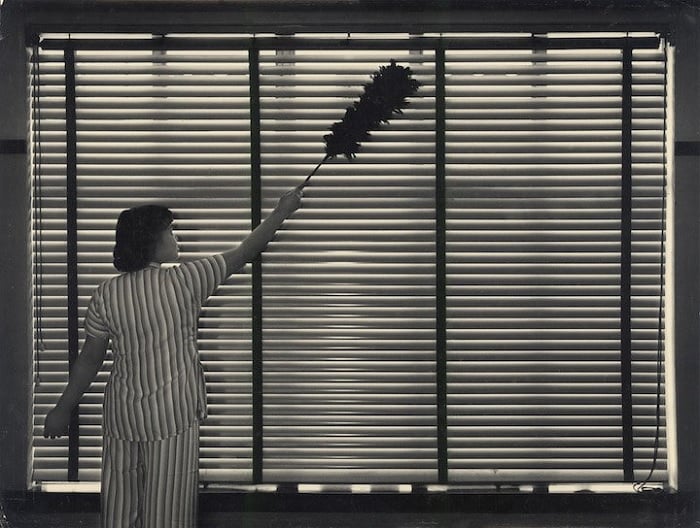
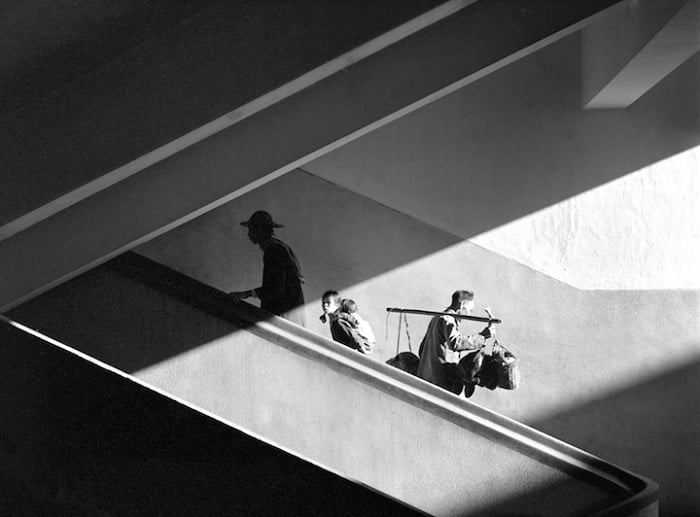
Fan Ho (1931-2016) documented the Hong Kong street scene in the 1950s and 1960s.
The city at the time was a very different place from what it became later in the century. He photographed the everyday life of children and workers in the city’s side streets.
His photos are masterpieces of light and shadows, shapes and action. This led some to call him the “Cartier-Bresson of the East.”
Ho was a celebrated photographer, actor, and filmmaker during his lifetime. One book to look for is Portrait of Hong Kong.
Vivian Maier
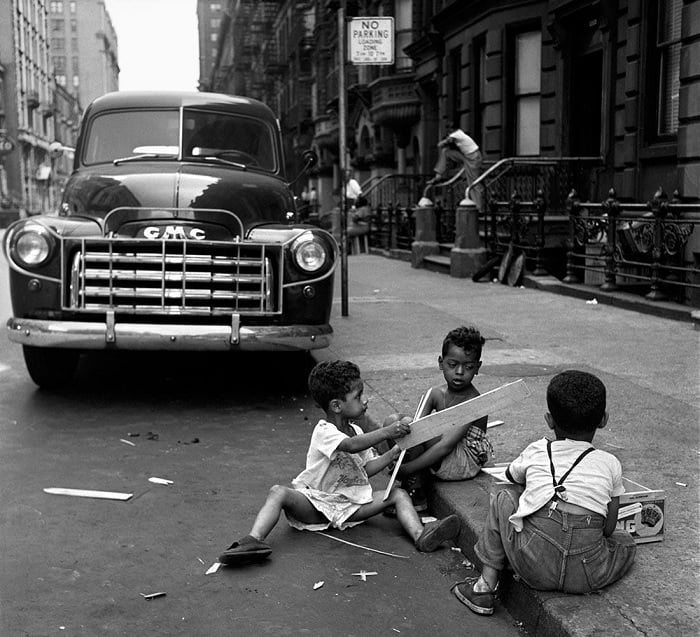
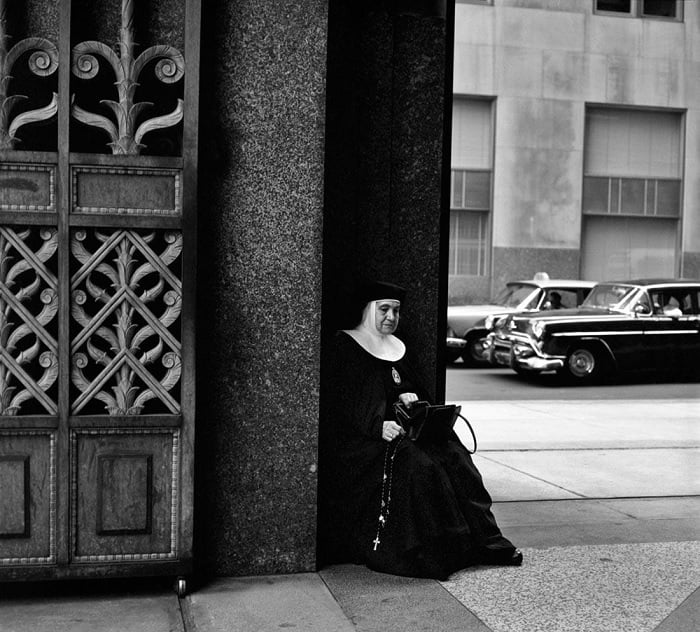
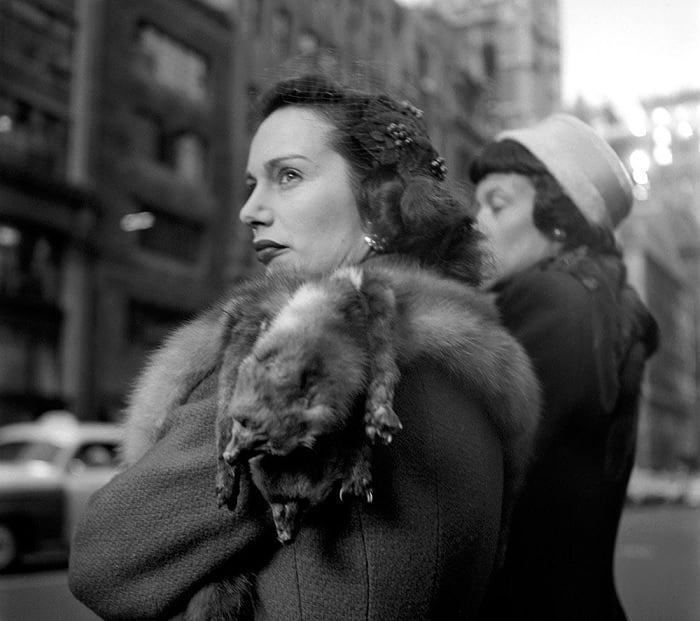
Largely unknown during her lifetime, Vivian Maier (1926-2009) is now one of the most famous street photographers. Her discovery is shown in the Academy Award-nominated film Finding Vivian Maier.
John Maloof bought part of Maier’s archive at a Chicago auction in 2007 and helped bring her work to public attention. He later published Vivian Maier: A Photographer Found.
Maier captured moments of street life, mostly in Chicago, during the 1950s and 1960s. Her photos have a sense of gentleness and sometimes whimsy.
Her subjects were diverse. She photographed children, the working class, and the wealthy on the street. She shot anything that caught her eye.
Her photos included herself. There are many self-portraits in her collection, captured in reflections.
Maier’s story, an unrecognized artist in our midst, captured the world’s interest. But her story has also brought up copyright issues and the ethics of publishing photos not shared by the artist.
Her photos are in many books, including Vivian Maier: Street Photographer.
Robert Doisneau
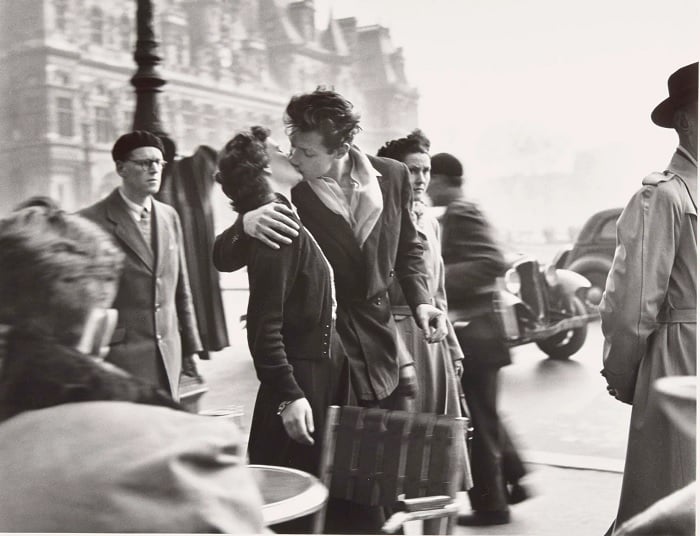
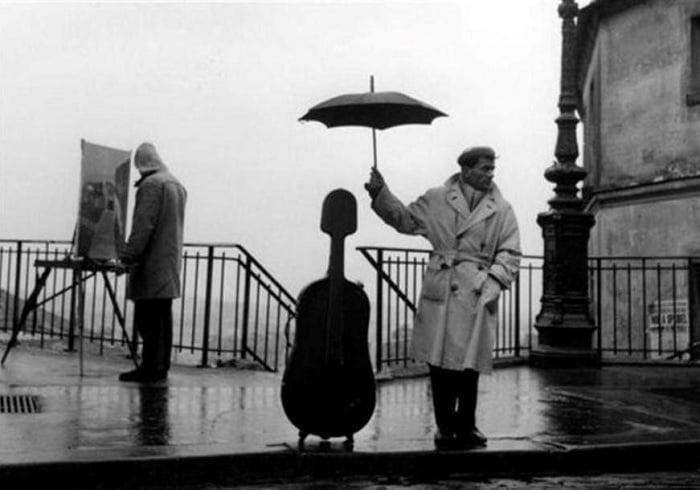
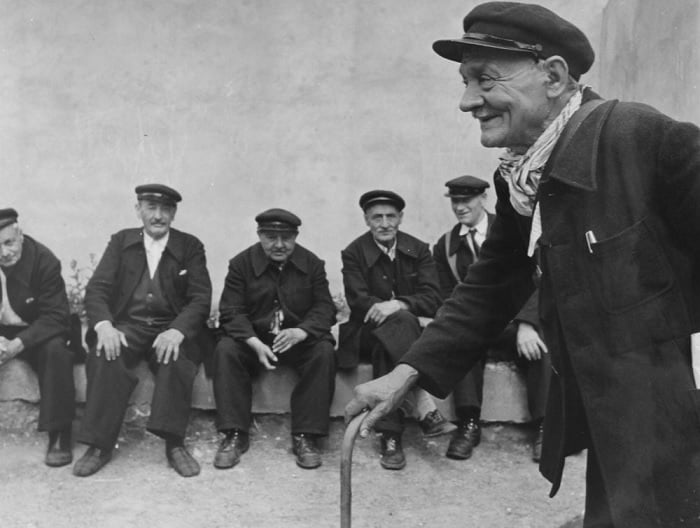
Many images by Robert Doisneau (1912-1994) of mid-century Paris streets are icons. For an introduction to Doisneau’s work, see the book Robert Doisneau (Icons).
One of his most famous images, Le Baiser de l’hôtel de Ville, also known as The Kiss, encapsulates French romance. The couple posed for the 1950 photograph, as Françoise Bornet later recalled in an interview preserved by INA.
A shy man, Doisneau first began capturing details of the street itself. Then he photographed children before moving on to adult subjects.
His street work is full of humor, affection and unexpected encounters. Look for the way a gesture or a small visual joke becomes the center of the scene.
Saul Leiter
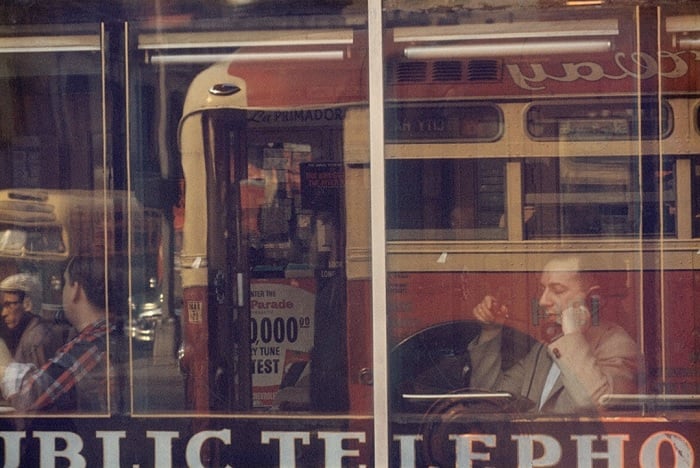
Saul Leiter (1923-2013) was an American photographer and painter. He began experimenting with color in New York in the late 1940s and also photographed in black and white. He is known as an early pioneer of color street photography.
His images capture the quiet moments of the city. Soft focus and reflections give his pictures an impressionistic, painterly quality.
Filmmaker Tomas Leach gave us an insight into the man and the photographer. He made the documentary, In No Great Hurry: 13 Lessons in Life with Saul Leiter.
You can see Leiter’s photos in many books. This includes the retrospective Saul Leiter by Vince Aletti and others.
Henri Cartier-Bresson
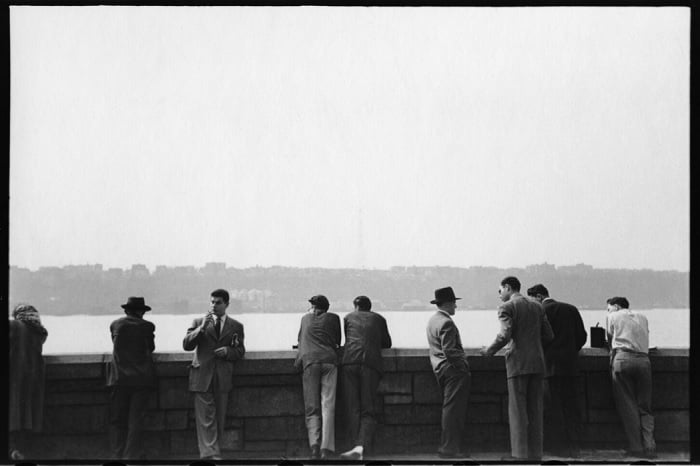
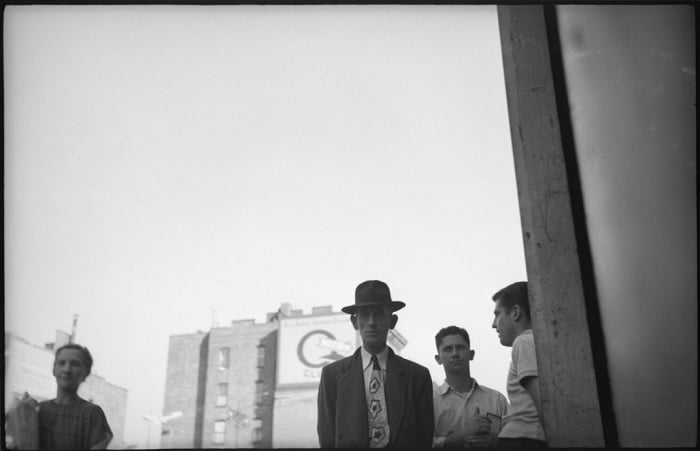
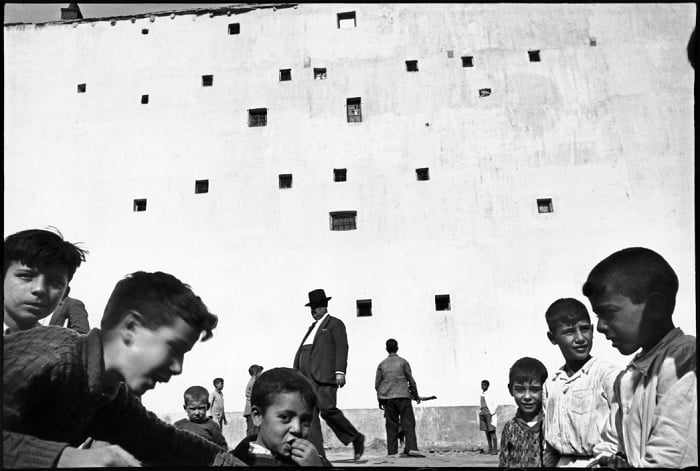
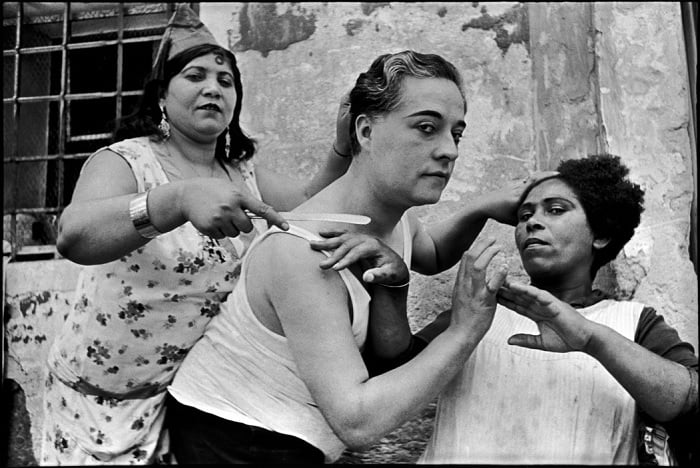
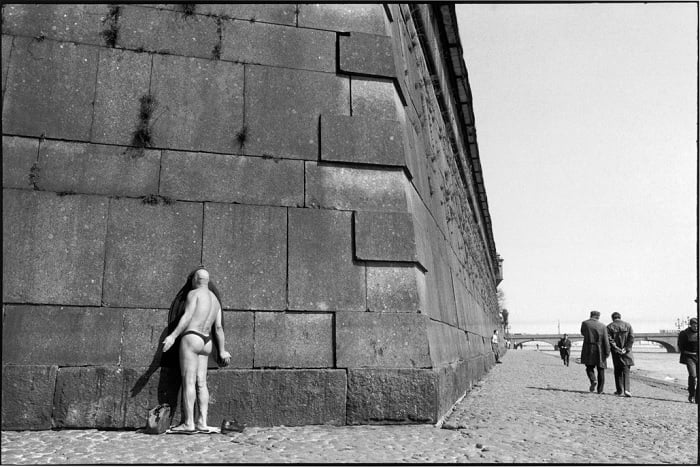
The French photographer Henri Cartier-Bresson (1908-2004) helped shape 20th-century street photography. He is known for his candid photography and for capturing the “decisive moment.”
The idea brings timing and composition together: an event becomes a picture when its meaning and the arrangement of forms meet. His 1952 book The Decisive Moment made that approach central to discussions of his work.
When studying his photographs, look beyond the action. Notice how the people, shapes and spaces fit together at the instant of exposure.
Cartier-Bresson traveled widely and photographed across Europe, Asia and the Americas. In 1947, he helped found Magnum Photos, a cooperative photo agency.
Cartier-Bresson inspires generations of photographers through his images and his philosophy of art. Books of his works are numerous. A good starting point is Henri Cartier-Bresson: Photographer.
Conclusion: Learning From Street Photographers
These 21 photographers offer different ways to see everyday life. Some draw you into a face or gesture. Others build a picture around reflections, shadows, signs or the space between people.
Choose a few photographs that hold your attention. Ask what makes each one work: the viewpoint, the timing, the light or the relationship between the subject and the background. Then take one of those ideas on your next walk with a camera.
The aim is to sharpen your own eye. A photograph of a familiar place can still show you something you had never noticed.