

Start a mother daughter photoshoot with something easy: sit together, take a walk, or share a favorite activity. Then photograph a few closer portraits, a hug if both people want one, and the small details, such as hands resting together. These ideas work for young children, teenagers, and adult daughters with a few changes in direction.
If you're the photographer, agree on the setting and clothes before the session. If you're planning photos with your own mom or daughter, choose ideas you both enjoy. The tips below cover poses, activities, outfits, and locations without needing an elaborate set.
1. Confirm Who Will Be Attending and Their Ages
Ask who will be in the photographs before you plan the session. A booking for a mother and daughter might also include several daughters, a grandmother, or grandchildren. Note the combinations each person wants photographed.
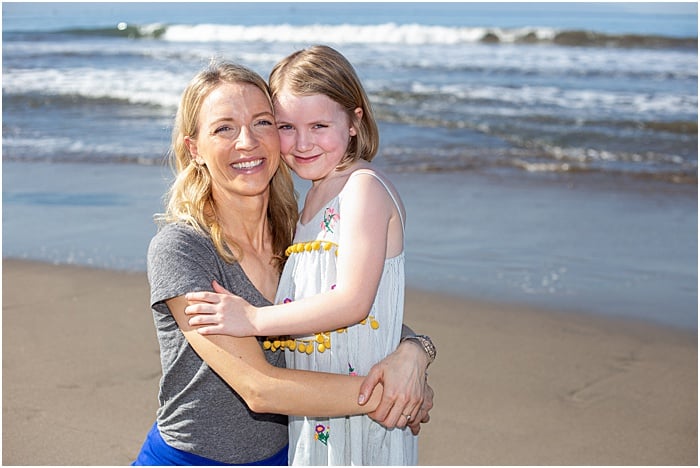
Different generations may want different portraits. Ask about the family's priorities and whether anyone needs a seat, a shorter walk, or breaks between pictures.
If you're photographing children, choose a space where they can play with their mother nearby. Plan around their usual routine and leave time for a pause. Older daughters can choose a studio portrait, an outdoor session, or photographs at home. Age doesn't have to decide the setting.
Mother Daughter Poses to Try
Give one direction at a time, then let the pair settle into it. Ask before suggesting close contact, and offer another option if a pose feels uncomfortable.
Sit together and turn slightly inward. Use a bench, sofa, or two chairs. Start with both people looking at the camera, then ask them to look at each other. Keep their hands relaxed on their laps or resting together if they prefer. This is an easy starting point for adult daughters and mothers who would rather sit.
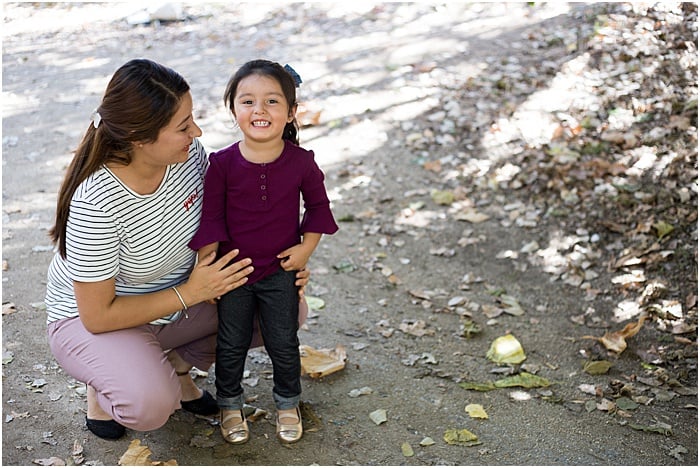
Walk side by side. Choose a short, level route. They can hold hands, link arms, or simply talk as they walk. Photograph them approaching you and then moving away. With a younger child, let the mother follow the child's pace instead of asking them to hold a fixed position.
Try a side hug. Ask them to stand or sit close and put an arm around each other if they want to. Check that neither face is hidden behind a shoulder or hair. Take a wider frame and a closer portrait before changing the setup.
Give a young child something to do. Let them turn the pages of a book, show their mother a toy, or sit beside her on a blanket. Get down near the child's eye level. You can photograph the exchange without asking the child to smile at the lens.
Let a teen help direct the portrait. Ask which clothes, setting, and poses she wants to try. Begin with a side-by-side portrait or a shared activity. A quiet conversation can be an option if she doesn't want playful prompts or hugs.
Revisit a family photograph with an adult daughter. Bring an old print and use its arrangement as a starting point. Match a seated pose or a gesture if both people like the idea. You don't need to find the same clothes or location. Photograph them looking at the old picture together as well.
Take a few frames between directions, too. A glance or a hand reaching for the other person may be the picture they choose. Leave room for individual portraits alongside the photographs of them together.
2. Make Hair and Makeup Optional
Hair styling and makeup can be an add-on for clients who want a dressed-up session. Ask first. Some people will prefer their everyday look, and children don't need a makeover to take part.
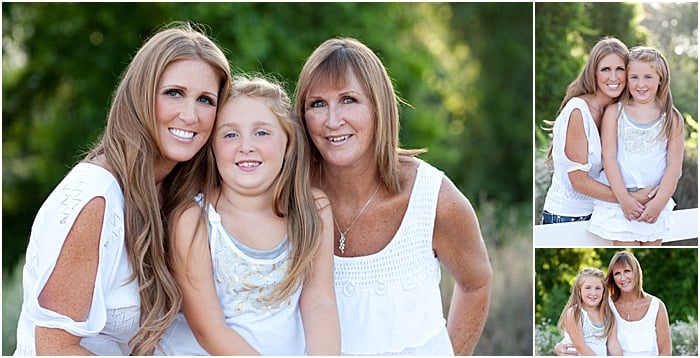
If clients want a stylist, agree on who will arrange the booking and how much preparation time is needed. Leave enough time for everyone to be ready without rushing into the photographs.
With their agreement, photograph a few moments of getting ready. A mother helping with her daughter's hair or an adult daughter adjusting her mother's necklace can become part of the session's story.
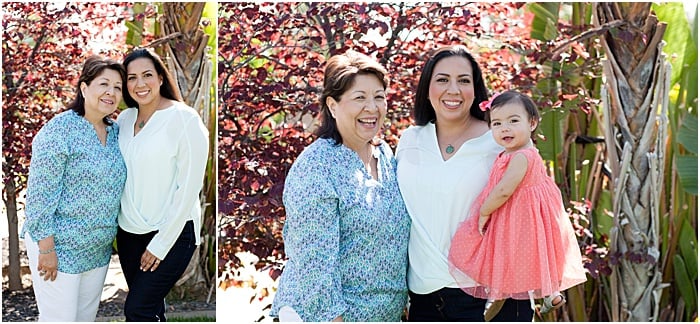
Keep these pictures alongside the finished portraits in the gallery. They show the time spent together as well as the final look.
3. Choose Props That Mean Something
Props can give the pair something to hold or do. Ask about a favorite book, a family recipe, or a memento they would like to include. Start with one item so it doesn't take over the photographs.
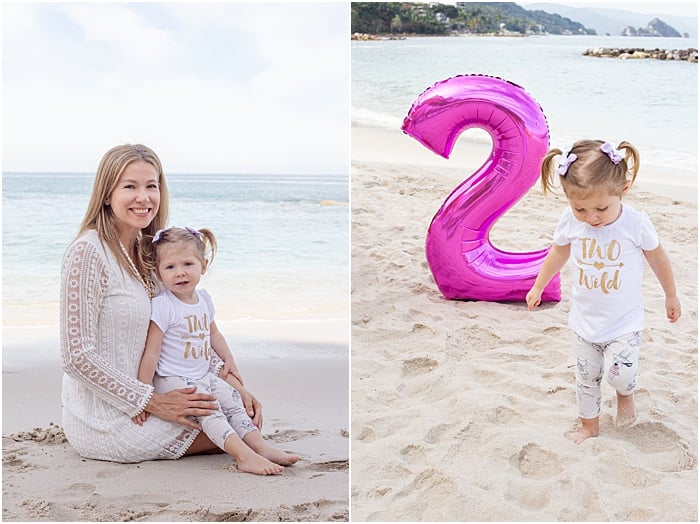
A blanket or a chair can also give you a place to begin a seated portrait. Check that the seating is stable and comfortable for the people using it. You don't need to rent a sofa or build a set for the session to feel personal.
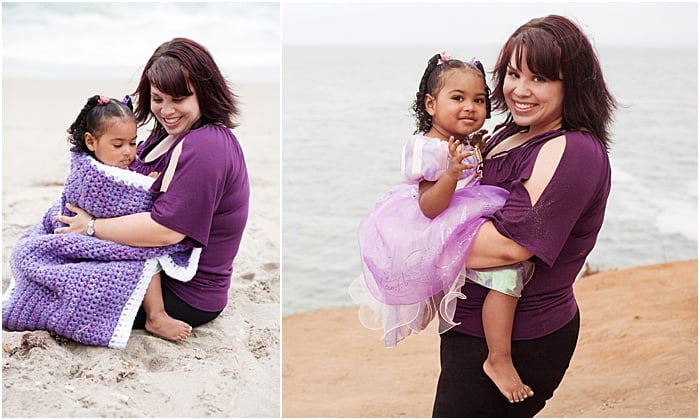
Photograph the item in use: reading the book, looking through an album, or sharing something they made. Then take a portrait without it so the gallery has both options.
4. Build a Theme Around a Shared Activity
Choose an activity that already suits the pair. A camping theme might fit a family that enjoys trips outdoors. Baking at home might suit another. Ask what they actually do together before suggesting a theme.
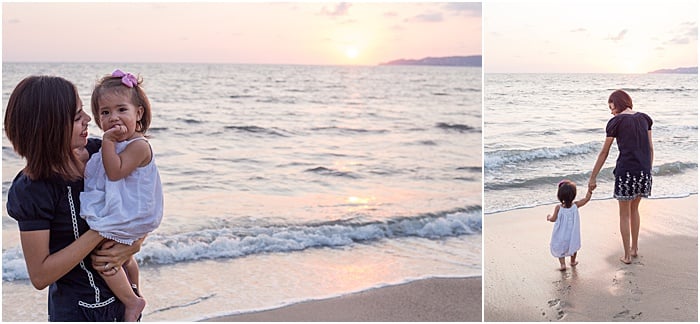
Other themes you can choose include:
- a picnic in a favorite park
- a walk followed by ice cream
- reading or playing a board game at home
- gardening together
- making a family recipe
- looking through old photographs
An activity gives a young child something to do between portraits. They can have a picnic with their mother while you photograph the conversation and small gestures. Pause the activity briefly for a picture together, then let it continue.
For adult daughters, try an everyday ritual, such as making coffee or taking a familiar walk. The activity can be quiet. It doesn't need a costume or a big reaction to be worth photographing.
5. Choose Clothes That Suit Both People
Discuss clothes before the session. Ask whether the pair wants the photographs to feel casual, elegant, playful, or like an ordinary day together. Choose the location and outfits as part of the same conversation.
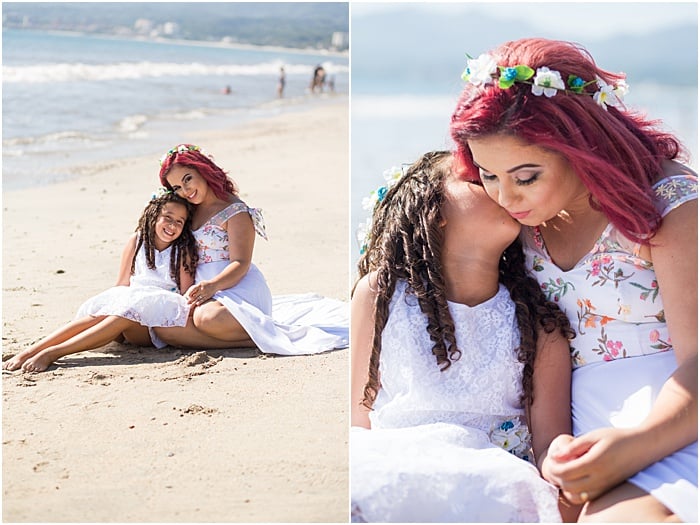
Start with a few colors that work together. For example, one person could wear a cream top and blue jeans while the other wears a blue dress. Matching outfits are an option if both people enjoy them, but they aren't required.
Ask them to try sitting, walking, and leaning toward each other in the clothes before the shoot. Choose footwear that suits the ground and bring a warmer layer for time outdoors.
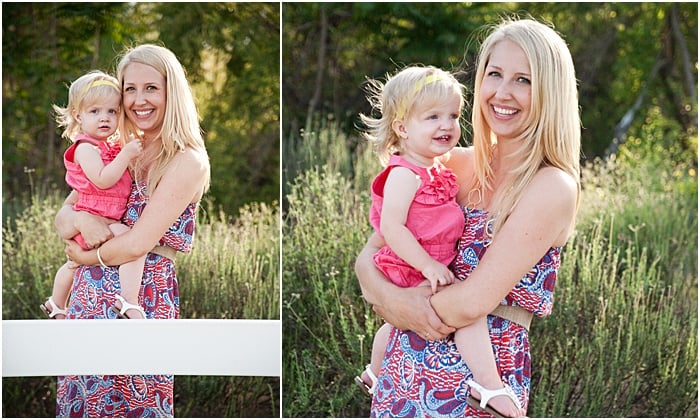
An elegant styled wardrobe may mean evening wear against a plain studio background. A field or an urban setting with modern architecture can work, too. Check how the clothes look against the background rather than choosing each separately.
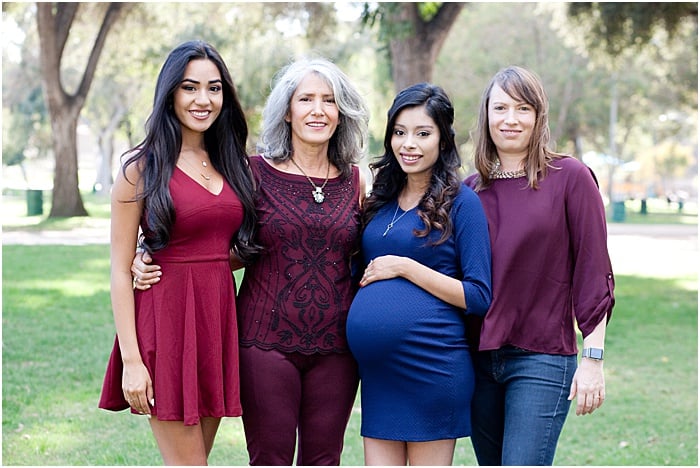
T-shirts and jeans may be a better fit for a session spent playing in a park. If the pair wants a second outfit, allow time and a place to change. For a short session, one outfit leaves more time for photographs.
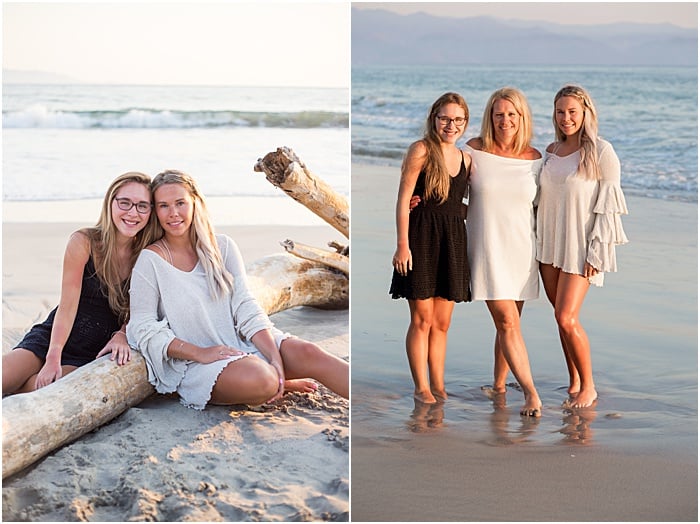
Let each person have a say, especially a teen daughter who may have a different idea from her mother. Agree on the clothes in advance so the session can start with taking pictures.
6. Plan a Keepsake From the Finished Photos
A matching print, a small album, or a photo key chain can give both people a copy of a favorite picture. These unique keepsake items are options to discuss when the pair chooses their photographs.
If you're offering products as a photographer, explain which items are included in the session and which are optional. Let clients choose a photograph they both want to keep.
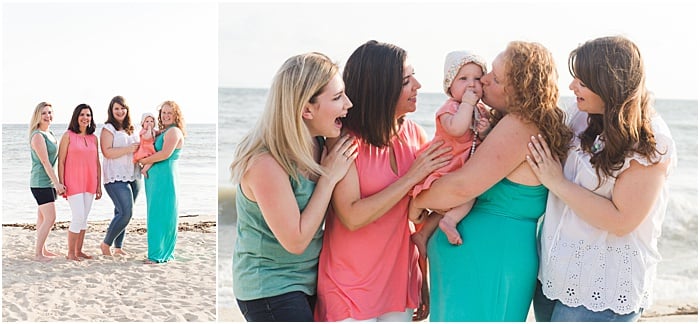
Think about the final format while shooting. Take some horizontal and vertical frames, and leave space around the pair for a print crop. A wider picture of the location can sit beside a close portrait in an album.
7. Photograph Each Pair When Several Daughters Attend
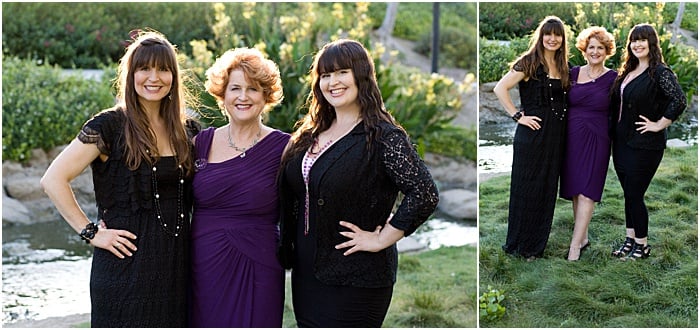
Start with a photograph of everyone together. Then work through the combinations agreed before the session: the mother with each daughter, the daughters together, and any grandmother-and-granddaughter portraits.
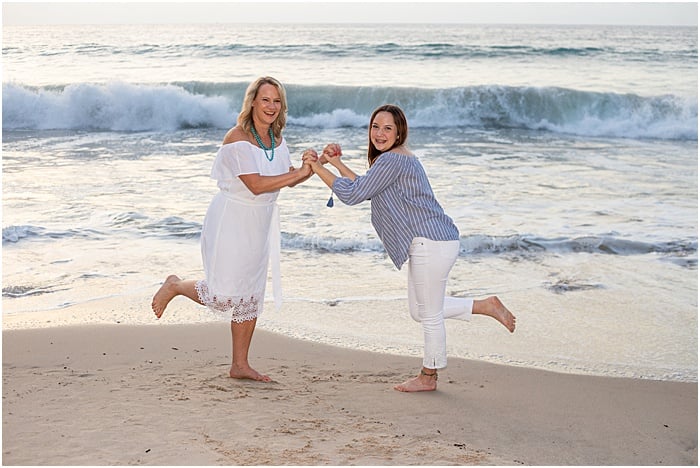
Keep the setup simple while people swap places. Offer a seated and a standing version where practical, and check that every face is visible. Give each daughter time with her mother instead of taking only the full group.
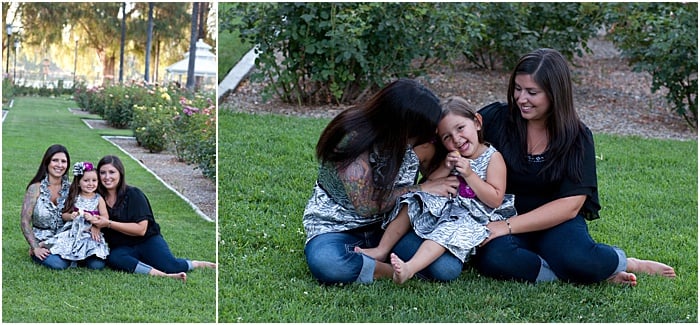
Finish with an activity everyone can join. Photograph the whole scene, then move closer for pairs talking or laughing together. These smaller exchanges add variety to a gallery of group portraits.
8. Choose a Location With Light and Comfort in Mind
Choose somewhere that suits the photographs and the people attending. Ask about walking distance, seating, weather, and a backup place before committing to a field, beach, studio, or home session.
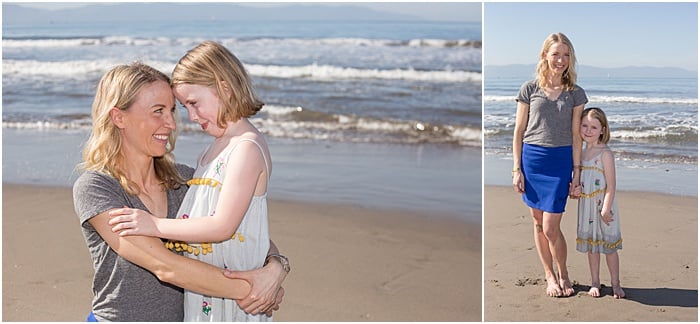
For mother and daughter mini sessions, scout one area with several nearby backgrounds. Plan where the pair will meet you and how you'll move between setups during a short appointment.
A park or field gives you room for walking portraits. An urban location offers walls, steps, and building details as backgrounds. Look for a spot where you can photograph without blocking a path or asking the pair to stand in traffic.
At home, try reading on the sofa or making something at the kitchen table for a lifestyle session. Look at the light where the activity takes place. Canon's family photography tips suggest looking for soft light in shade or around the home and keeping distracting objects out of the background.
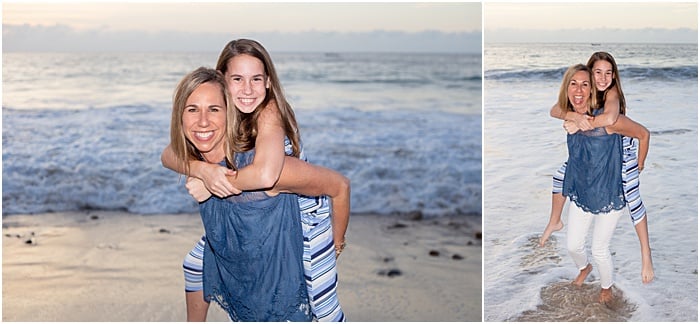
Check both faces before moving on. Focus on the eyes and review a test picture at a larger size. A very wide aperture can leave too little depth of field for both people, particularly if one is closer to the camera. Use a smaller aperture if needed and check again. Nikon's portrait guide explains this trade-off between background blur and depth of field.
If movement is blurred, use a faster shutter speed and adjust the other exposure settings for the available light. Check the result as they walk or play rather than relying on one setting for the whole shoot.
Conclusion
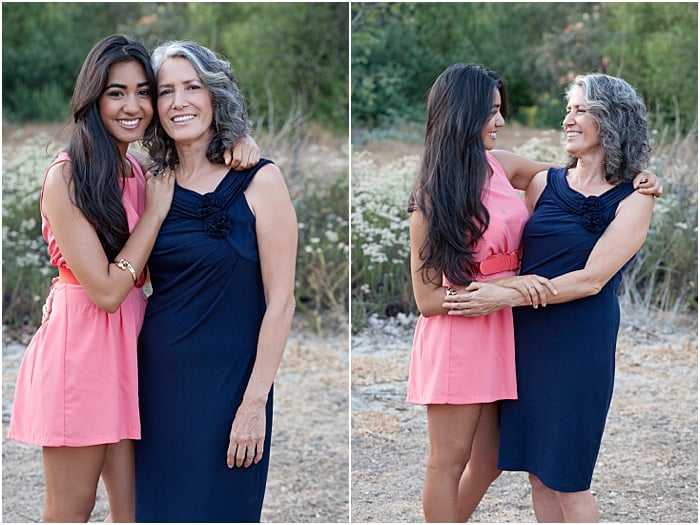
Choose a few poses and one shared activity before your mother daughter photoshoot. Start with a seated portrait or a short walk, then make room for the pair's own gestures and ideas. Adapt the directions to their ages and comfort, and keep both faces in focus.
The clothes, props, and location should support the time they spend together. Finish with a mix of portraits, wider scenes, and small details so they can choose the photographs that feel most like their relationship.