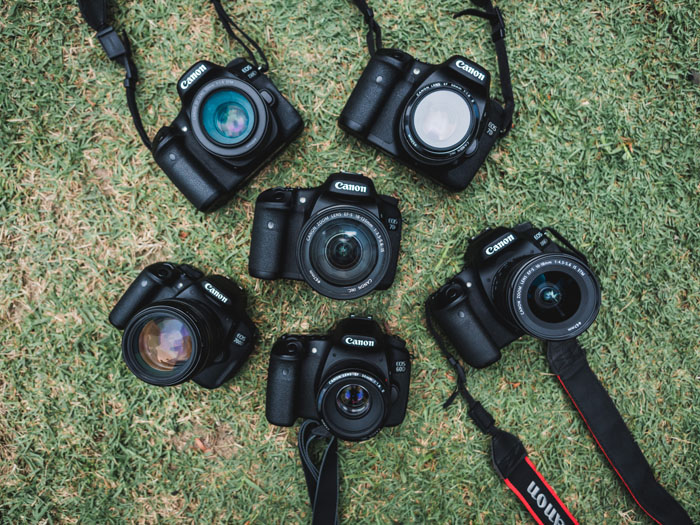
Choosing the right lens is key for any photography enthusiast or professional, ensuring you capture the perfect shot every time. Our guide to the 15 Best Lenses for Every Type of Photography offers a comprehensive overview, helping you find the lens that best suits your needs, whether you’re shooting landscapes, portraits, or anything in between.
Our top picks include the Canon RF 100mm f/2.8L Macro IS USM for the 1.4x magnification it brings to close-up work, and the Canon RF 24-70mm f/2.8L IS USM for its versatility across various photography styles. With 13 other lenses categorized into Prime and Zoom lenses, there’s a perfect match for every photographer’s bag, and we have lenses for Canon EF and RF, Nikon Z, and Sony E mount cameras. If you are still working out what each type is for, our guide to camera lens types covers that ground first.
What Is the Best Prime Lens for Every Type of Photography?
Selecting the best lenses for every type of photography involves careful consideration of focal length, aperture, and brand-specific features. Canon, Nikon, and Sony lenses dominate our list, each chosen for their ability to capture stunning images in their respective fields. From macro to portrait, wildlife to wide-angle, these lenses offer superior sharpness, beautiful bokeh, and reliable performance in low light, ensuring photographers can achieve professional results across a variety of shooting scenarios.
- Unmatched reach for wildlife and sports photography
- Compact, retractable design for easy portability
- Fixed f/11 aperture for consistent exposure control
- Built-in image stabilization enhances handheld shooting
- Optimized for Canon's mirrorless RF mount system
- Wide f/1.8 aperture for superior low-light performance
- Exceptional sharpness and clarity across the frame
- Durable, weather-sealed construction for outdoor reliability
- Fast, accurate autofocus ideal for dynamic shooting
- Designed exclusively for Nikon Z mirrorless cameras
- Crisp, edge-to-edge sharpness enhances image quality
- Wide f/1.8 aperture for superior low-light performance
- Smooth, silent autofocus ideal for video and stills
- Durable build with weather-sealing for outdoor shooting
- Compact, lightweight design for everyday use

- Ideal focal length for flattering portraits
- Bright f/1.8 aperture for beautiful bokeh
- Fast, precise autofocus for capturing fleeting moments
- Lightweight, compact design for easy portability
- Durable construction with dust and moisture resistance
Our Favorite Prime Lenses for Every Type of Photography
Let’s take a closer look at these seven prime lenses. Prime lenses are usually faster than zooms, and tend to be from the prosumer end of the market or above. That’s because few casual users will choose a prime lens over a zoom. From macro to wide-angle, and portrait to wildlife photography, there’s a lens here for every scenario.
Choose by the job rather than by the badge. The Canon RF 100mm Macro and the Nikon Z MC 105mm are the two that focus close enough for true detail work. The Nikon Z 24mm f/1.8 S is the only one here wide enough for interiors and landscapes, and the Canon RF 600mm f/11 is the only one with the reach for wildlife. If you have never owned a prime at all, buy the Canon EF 50mm f/1.8 STM first. It is the cheapest way to find out whether you like shooting at a fixed focal length, and our best prime lenses guide goes deeper on each type.
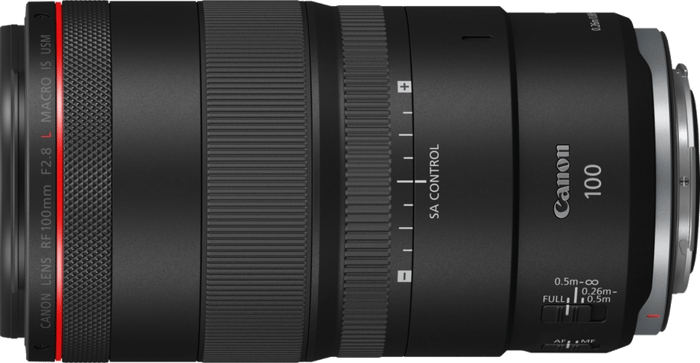
1. Canon RF 100mm f/2.8L Macro IS USM
| Brand |
Brand
Canon
|
| Lens Weight |
Lens Weight
730 g
|
| Maximum Aperture |
Maximum Aperture
f/2.8
|
| Focal Range |
Focal Range
100mm
|
| Image Stabilization |
Image Stabilization
Yes
|
The 100mm focal length does double duty, which is why it leads this list. Close up it buys you working distance, so you can light a subject without the front element shading it. At portrait distances that same 100mm compresses features flatteringly, and the f/2.8 aperture separates a face cleanly from its background. Canon also gives this lens a spherical aberration control ring, which shifts the character of the background blur from pin-point highlights at one end to softer, rounder edges at the other. Nothing else on this list offers that.
It weighs 730 g and takes 67 mm filters, so it balances on an R5 or R6 without a tripod collar for most work. The image stabilization is the strongest Canon has built into a macro lens, and it earns its place: at 1.4x, every millimetre of hand movement is magnified along with the subject. The barrel is weather-sealed with a fluorine coating on the front element, and the nine-blade diaphragm keeps out-of-focus highlights round.
It is expensive, and that is the main reason to pause. Autofocus is quick once it locks on, but if the camera misses the subject on the first attempt it hunts through the full focus range, which is slow. Set the focus limiter before you start close-up work. Pushing the aberration control ring to its extremes softens the image overall, so treat it as a creative look rather than a free upgrade. And it is an RF lens, so it will not mount on an EF DSLR body. Check what you shoot before you buy. For more options in this category, see our guide to the best macro lenses for Canon.
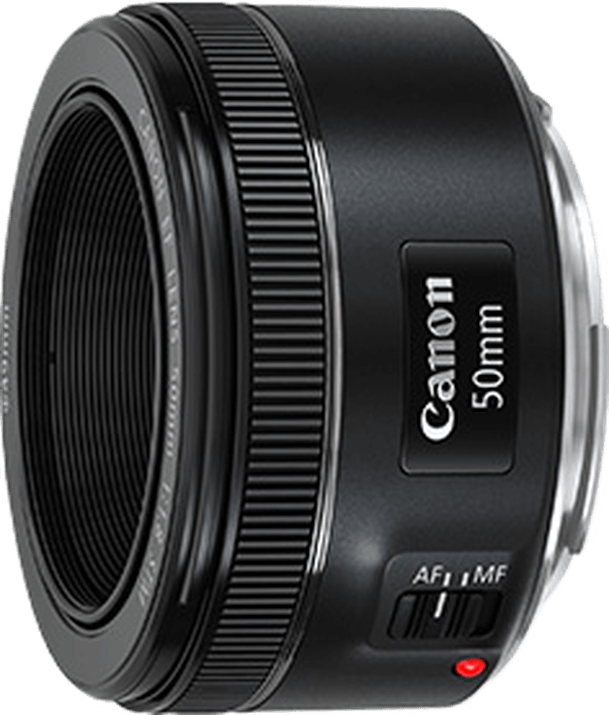
2. Canon EF 50mm f/1.8 STM
| Brand |
Brand
Canon
|
| Lens Weight |
Lens Weight
160 g
|
| Maximum Aperture |
Maximum Aperture
f/1.8
|
| Focal Range |
Focal Range
50mm
|
| Image Stabilization |
Image Stabilization
No
|
Weighing only 5.5 ounces (160 g), this lens is light and easy to carry, perfect for photographers on the move. Its simple design, combining high-quality plastics with a metal mount, strikes a balance between durability and affordability. However, it lacks weather sealing, so you will want to be careful how you use it in bad weather.
Optically, the lens is sharp, especially when stopped down to f/2.8 or f/4. Chromatic aberration is minimal and easily fixed in post-processing. The autofocus is quick in good light but may struggle in low light. Despite lacking image stabilization, its wide aperture and fast shutter speeds help keep images sharp.
The Canon EF 50mm f/1.8 STM is a good option for those needing a lightweight, affordable lens for portraits and everyday photography. Its optical performance and ease of use make it a popular choice, especially for beginners looking to explore prime lenses. There’s probably no better value way of getting a fast lens to try out.
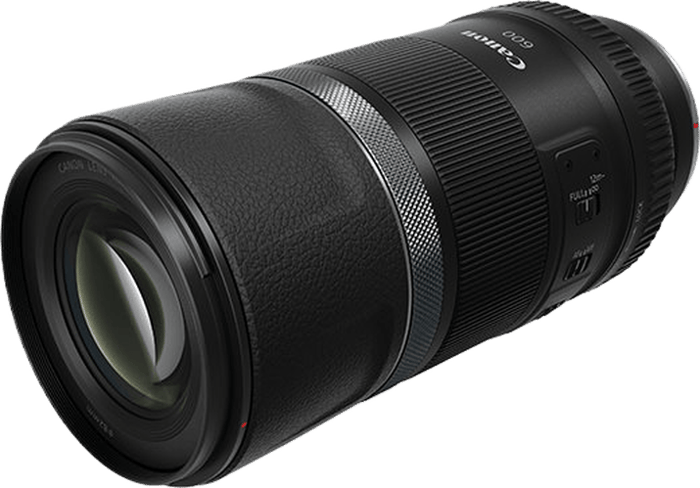
3. Canon RF 600mm f/11 IS STM
| Brand |
Brand
Canon
|
| Lens Weight |
Lens Weight
930 g
|
| Maximum Aperture |
Maximum Aperture
f/11
|
| Focal Range |
Focal Range
600mm
|
| Image Stabilization |
Image Stabilization
Yes
|
Weighing just over 2 lbs (930 g), this lens is surprisingly light for its reach, making it easier to handle during long shooting sessions or when traveling. The lack of weather sealing is a drawback for outdoor photographers who might encounter challenging weather conditions. Its sharpness and minimal chromatic aberration are impressive, thanks to the inclusion of Diffractive Optics elements.
The Canon RF 600mm f/11 IS STM is a good option for photographers looking to add a super-telephoto lens to their bag without the usual bulk and expense. Its image stabilization is effective, helping to offset the slower aperture in many shooting scenarios. However, its specific limitations mean it’s best suited for those with particular needs, such as wildlife enthusiasts and sports photographers working in well-lit conditions.
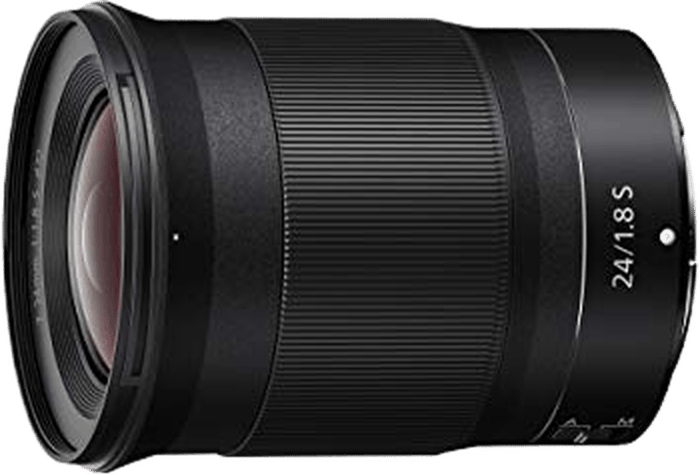
4. Nikon Z 24mm f/1.8 S
| Brand |
Brand
Nikon
|
| Lens Weight |
Lens Weight
450 g
|
| Maximum Aperture |
Maximum Aperture
f/1.8
|
| Focal Range |
Focal Range
24mm
|
| Image Stabilization |
Image Stabilization
No
|
Weighing just under 1 lb (450 g), this lens is both light and durable, thanks to its metal and high-quality plastic construction. It’s easy to handle, making it a great companion for long shooting days or travel photography. The weather sealing adds an extra layer of protection, ensuring the lens can withstand challenging conditions.
In terms of optical performance, the Nikon Z 24mm f/1.8 S impresses with minimal chromatic aberration and distortion, which are easily corrected in post-processing. The autofocus is quick and silent, ideal for capturing fleeting moments in the streets or during events. While it lacks built-in image stabilization, the effectiveness of Nikon’s in-body stabilization compensates well, allowing for sharp images even in lower light.
The Nikon Z 24mm f/1.8 S is a solid choice for photographers looking for a wide-angle lens with excellent optical quality. Its build and performance make it a valuable addition to the Nikon Z system, suitable for a wide range of photography styles, except for those requiring a longer focal length or a more flattering perspective for portraits.
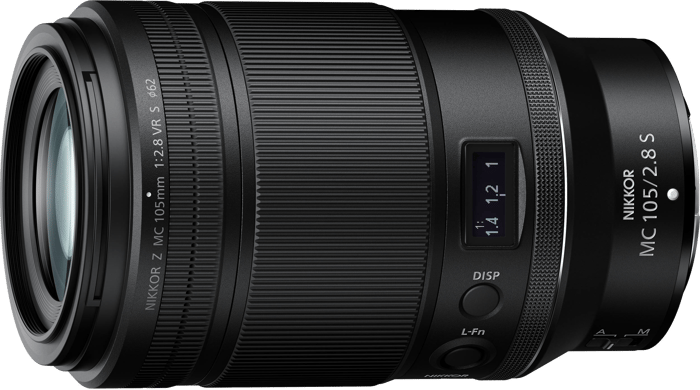
5. Nikon Z MC 105mm f/2.8 VR S
| Brand |
Brand
Nikon
|
| Lens Weight |
Lens Weight
630 g
|
| Maximum Aperture |
Maximum Aperture
f/2.8
|
| Focal Range |
Focal Range
105mm
|
| Image Stabilization |
Image Stabilization
Yes
|
Weighing 1.4 lbs (630 g), this lens is relatively lightweight for its capabilities, and features robust weather sealing for reliability in outdoor shoots. The inclusion of Vibration Reduction technology is a significant advantage, allowing photographers to shoot handheld without sacrificing image quality. This stabilization, effective up to 4.5 stops, is especially useful in macro photography where even minor movements can impact the sharpness of an image.
Designed for Nikon’s Z-mount system, the lens offers seamless compatibility with both full-frame and APS-C cameras, providing an equivalent focal length of 157.5mm on the latter. Its construction includes specialized elements that minimize aberrations, ensuring images are crisp and free from distortion. The Nikon Z MC 105mm f/2.8 VR S is a top choice for photographers who demand the best in macro and portrait photography, combining high optical performance with ease of use and durability.
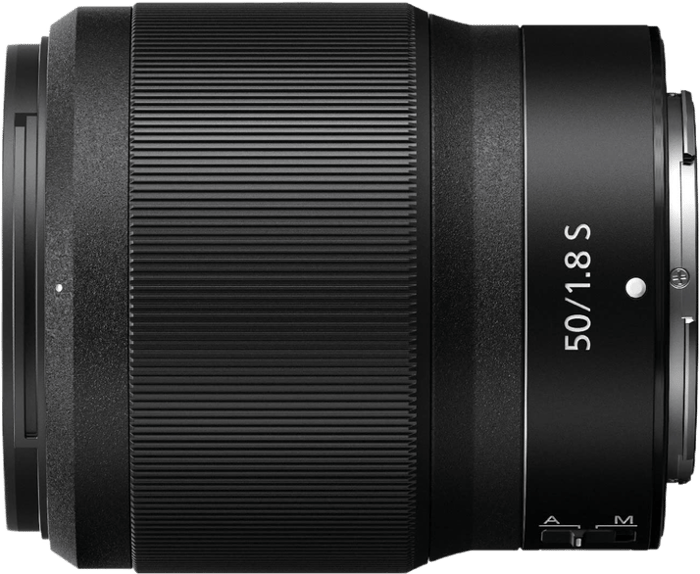
6. Nikon Z 50mm f/1.8 S
| Brand |
Brand
Nikon
|
| Lens Weight |
Lens Weight
415 g
|
| Maximum Aperture |
Maximum Aperture
f/1.8
|
| Focal Range |
Focal Range
50mm
|
| Image Stabilization |
Image Stabilization
No
|
Weighing just 14 ounces (415 g), it’s light and easy to handle, making it a great choice for day-long shoots or travel photography. The weather sealing adds durability, ensuring it can withstand challenging conditions. Optically, the lens impresses with minimal chromatic aberration and distortion, thanks to its advanced design featuring ED and aspherical elements.
The Nikon Z 50mm f/1.8 S is a valuable addition for anyone shooting with Nikon Z series cameras. Its combination of optical excellence, portability, and build quality makes it a good option for both professionals and enthusiasts looking to capture sharp, detailed images across various photography genres.
7. Sony FE 85mm f/1.8
| Brand |
Brand
Sony
|
| Lens Weight |
Lens Weight
371 g
|
| Maximum Aperture |
Maximum Aperture
f/1.8
|
| Focal Range |
Focal Range
85mm
|
| Image Stabilization |
Image Stabilization
No
|
At just 13 ounces (371 g), it’s easy to handle and perfect for long shooting sessions. Despite its simplicity, the lens delivers sharp, clear images with minimal chromatic aberration, thanks to its precise optical construction. The autofocus is quick and reliable, capturing fleeting moments with ease.
The Sony FE 85mm f/1.8 is a valuable tool for portrait photographers seeking quality and portability. Its performance in low light and the beautiful bokeh it produces make it a popular choice for professionals and enthusiasts alike.
What Is the Best Zoom Lens for Every Type of Photography?
Choosing the best zoom lens depends on specific photography needs. This section delves into top picks from Canon, Nikon, and Sony, focusing on factors like aperture, focal range, and image stabilization. Unlike the previous section, here we prioritize lenses that excel in versatility and performance across various photography types, ensuring you have the right tool for any scenario.
- Constant f/2.8 aperture across the whole 24-70mm range
- Image stabilization built in, unlike most fast standard zooms
- Focuses to 21 cm at the wide end for close-up detail shots
- Weather-sealed L-series build with a fluorine-coated front element
- Nine-blade diaphragm keeps out-of-focus highlights round
- Ideal for portraits with flattering compression effect
- Constant f/2.8 for consistent low-light performance
- Durable, weather-sealed for harsh conditions
- Fast, accurate autofocus with image stabilization
- Superior sharpness and color accuracy across zoom range
- Razor-sharp images across entire zoom range
- Bright f/2.8 aperture for stunning low-light shots
- Premium S-line optics for exceptional clarity
- Durable build with extensive weather sealing
- Smooth, silent autofocus perfect for video and stills
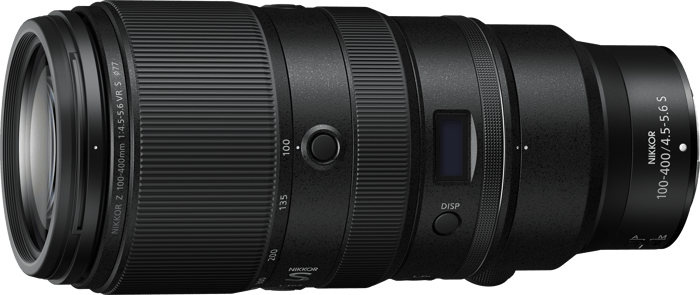
- Expansive 100-400mm range for wildlife and sports
- Sharp imagery with minimal aberration across zoom
- Effective Vibration Reduction for steady handheld shots
- Durable, weather-sealed build for outdoor reliability
- Fast, precise autofocus, ideal for moving subjects
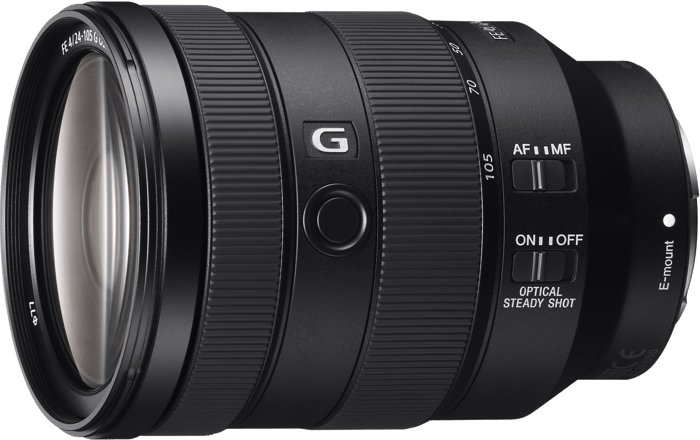
- Broad 24-105mm range for versatile shooting scenarios
- Constant f/4 aperture across all focal lengths
- Optical SteadyShot for sharp, stable handheld images
- Professional G-series build quality and reliability
- Fast, silent autofocus ideal for photos and videos
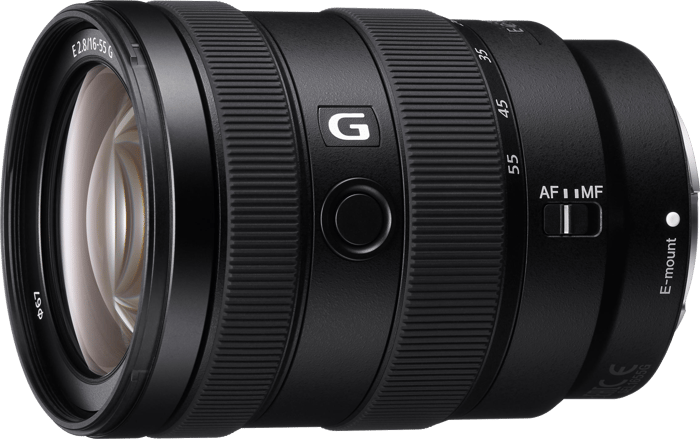
- Constant f/2.8 aperture for superior low-light performance
- Compact, lightweight design for easy portability
- G Series optical quality for exceptional clarity
- Fast, silent autofocus system ideal for video
- Dust and moisture resistant for outdoor shooting reliability
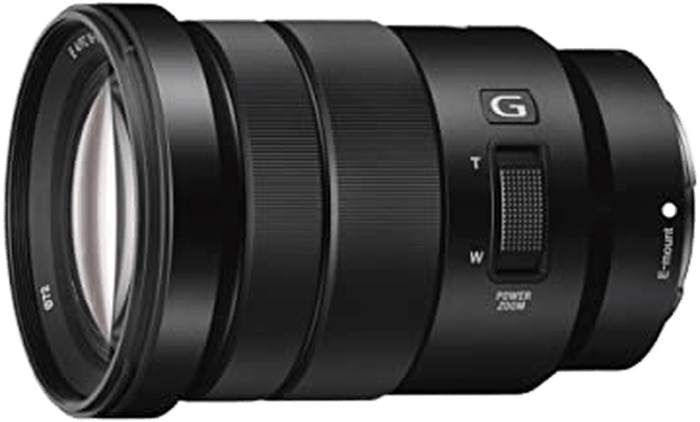
- Versatile 18-105mm zoom for diverse shooting needs
- Constant f/4 aperture for consistent exposure control
- Built-in Optical SteadyShot for sharper handheld images
- Smooth, silent Power Zoom ideal for video work
- Durable design with dust and moisture resistance
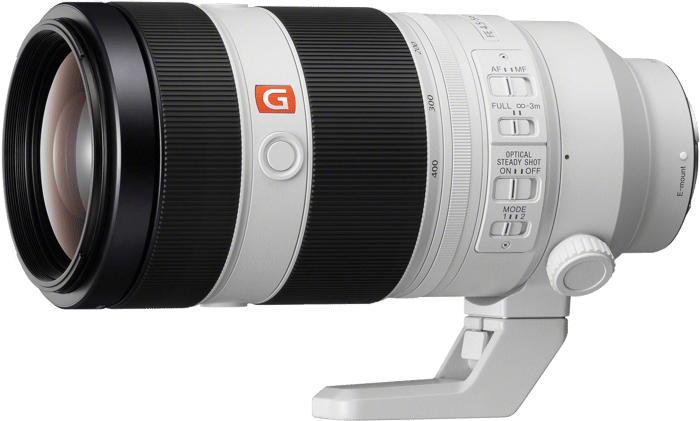
- Extensive 100-400mm zoom for wildlife and sports
- Sharp, clear images with G Master optics
- Effective OSS for stable, blur-free photos
- Fast, precise autofocus for dynamic subject tracking
- Durable, weather-sealed construction for harsh environments
Our Favorite Zoom Lenses for Every Type of Photography
Let’s take a closer look at this selection of zoom lenses. From wide-angle zooms to powerful telephotos, this selection covers every photography niche. Whether you’re capturing landscapes, portraits, wildlife, or sports, there’s a lens here that’s perfect for your bag. With options from Canon, Nikon, and Sony, photographers have a wealth of choices to enhance their shooting skills and creativity. Explore these lenses to find the best fit for your photography style and projects.
The same rule applies here: pick the range you actually shoot. The Canon RF 24-70mm f/2.8L IS and the Nikon Z 24-70mm f/2.8 S are the do-everything options for full-frame work. The Sony FE 24-105mm f/4 G trades a stop of light for extra reach, and the Canon EF 70-200mm f/2.8L IS III is the one for events and portraits shot from a distance. The two 100-400mm zooms are the only lenses here long enough for wildlife and field sports, and our best telephoto lenses guide covers that end in detail. If you shoot APS-C, the Sony E 16-55mm f/2.8 G and E 18-105mm f/4 G are the two designed for that sensor size.
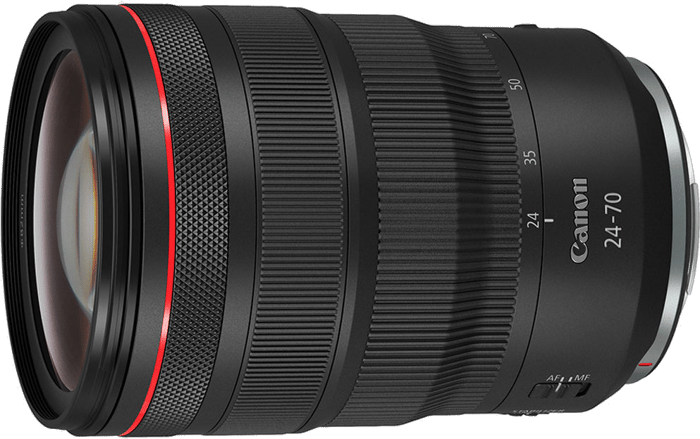
1. Canon RF 24-70mm f/2.8L IS USM
| Brand |
Brand
Canon
|
| Lens Weight |
Lens Weight
900 g
|
| Maximum Aperture |
Maximum Aperture
f/2.8
|
| Focal Range |
Focal Range
24-70mm
|
| Image Stabilization |
Image Stabilization
Yes
|
That constant f/2.8 is what earns it the top spot for general work. It holds your shutter speed as the light drops, and it gives you the same depth of field at 70mm as at 24mm, so both exposure and look stay predictable across a shoot. It also has image stabilization built in, which fast standard zooms have historically gone without, and it stacks with the in-body stabilization on an R5 or R6.
It focuses to 21 cm at the wide end, close enough for detail shots without switching lenses, and takes 82 mm filters. The build is L-series throughout: a metal mount, a locking zoom ring, weather sealing, and a fluorine coating on the front element. The nine-blade diaphragm keeps highlights round when you shoot it wide open, and there is a control ring you can assign to aperture, ISO or exposure compensation.
At 900 g it is heavier than most standard zooms, and it extends as you zoom, so it is not a discreet lens for street or travel work. It is also the single biggest line in a first professional kit, and it is RF only, so it will not mount on a DSLR. If you mostly shoot in good light, one of the f/4 options in our best zoom lenses guide gives you the same range for a lot less weight and money.
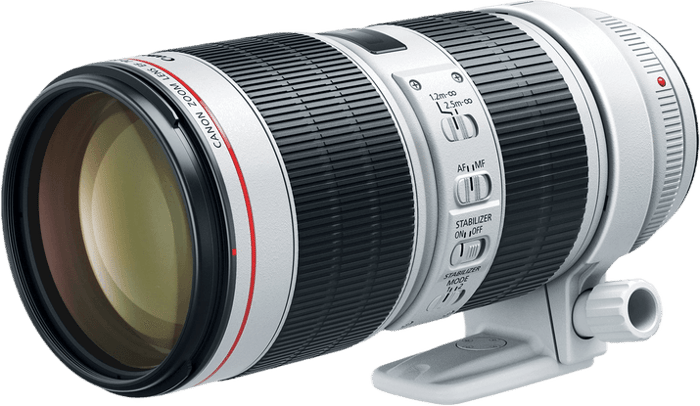
2. Canon EF 70-200mm f/2.8L IS III USM
| Brand |
Brand
Canon
|
| Lens Weight |
Lens Weight
1440 g
|
| Maximum Aperture |
Maximum Aperture
f/2.8
|
| Focal Range |
Focal Range
70-200mm
|
| Image Stabilization |
Image Stabilization
Yes
|
This lens shines with its sharpness and fast autofocus, capturing detailed images quickly. It’s built tough, ready for outdoor shoots in rough weather. However, it’s not the lightest option, which might be a downside for those moving around a lot.
The Canon EF 70-200mm f/2.8L IS III USM is very useful for a range of photography styles. Its optical performance and build quality make it a reliable tool in a professional’s bag. While it may lack the simplicity and lightness of prime lenses for portraits, its versatility in focal length and consistent aperture offer a big advantage in varied shooting scenarios.
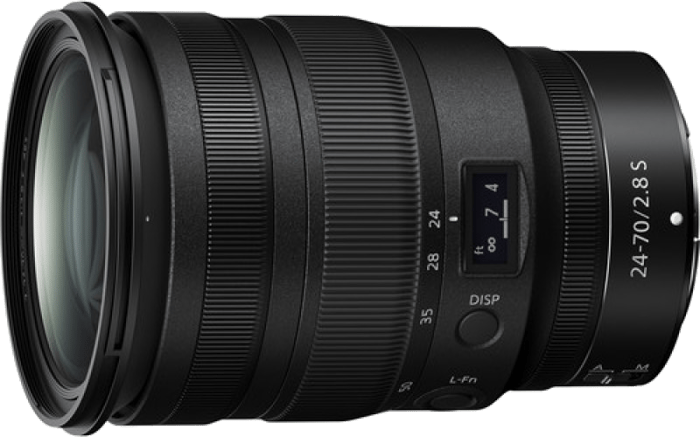
3. Nikon Z 24-70mm f/2.8 S
| Brand |
Brand
Nikon
|
| Lens Weight |
Lens Weight
805 g
|
| Maximum Aperture |
Maximum Aperture
f/2.8
|
| Focal Range |
Focal Range
24-70mm
|
| Image Stabilization |
Image Stabilization
No
|
Weighing in at 1.77 lbs (805 g), this lens is relatively light for its class, making it a good companion for on-the-go shooting. Its construction is robust, and designed to withstand the demands of professional use. The lens’s weather sealing is a big advantage for those who find themselves shooting in various outdoor conditions.
In summary, the Nikon Z 24-70mm f/2.8 S is very useful for a wide range of photography styles, from portraits to landscapes. Its optical performance, combined with the convenience of a zoom lens, makes it a valuable addition to a photographer’s bag. While it may not have the innate charm of a prime lens for portraiture, its versatility and the quality of the images it produces cannot be overlooked.
4. Nikon Z 100-400mm f/4.5-5.6 VR S
| Brand |
Brand
Nikon
|
| Lens Weight |
Lens Weight
1355 g
|
| Maximum Aperture |
Maximum Aperture
f/4.5-5.6
|
| Focal Range |
Focal Range
100-400mm
|
| Image Stabilization |
Image Stabilization
Yes
|
Weighing 3 lbs (1,355 g), this lens is surprisingly manageable for its size, making it easier for photographers to use it handheld over extended periods. The built-in Vibration Reduction (VR) system, effective up to 5.5 stops, is a significant advantage, especially in low light or when shooting at the telephoto end. This feature helps keep images sharp, even at slower shutter speeds.
The Nikon Z 100-400mm f/4.5-5.6 VR S is very useful for a variety of photography genres. Its construction is robust, designed to withstand the challenges of outdoor shooting. It is fast enough for many sports and wildlife applications, where the 400mm focal length will be a real bonus. Its versatility and performance make it a valuable addition to a photographer’s bag, especially for those who often find themselves shooting subjects from a distance.
5. Sony FE 24-105mm f/4 G OSS
| Brand |
Brand
Sony
|
| Lens Weight |
Lens Weight
663 g
|
| Maximum Aperture |
Maximum Aperture
f/4
|
| Focal Range |
Focal Range
24-105mm
|
| Image Stabilization |
Image Stabilization
Yes
|
Weighing 1.46 lbs (663 g), this lens is relatively lightweight, making it a good companion for day-long shoots or travel photography. Its build quality is robust, designed to withstand the rigors of professional use, and it features weather sealing for added protection against the elements.
The Sony FE 24-105mm f/4 G OSS is very useful for a wide array of photography styles, including portraits, landscapes, and general photography. Its sharpness, combined with the convenience of a zoom lens and effective image stabilization, makes it a valuable addition to a photographer’s bag. While it may not offer the widest aperture or the specialized capabilities of prime lenses, its versatility and overall performance make it a popular choice among photographers looking for an all-in-one solution.
6. Sony E 16-55mm f/2.8 G
| Brand |
Brand
Sony
|
| Lens Weight |
Lens Weight
494 g
|
| Maximum Aperture |
Maximum Aperture
f/2.8
|
| Focal Range |
Focal Range
16-55mm
|
| Image Stabilization |
Image Stabilization
No
|
Weighing just over 1 lb (494 g), this lens is relatively lightweight, enhancing its appeal for photographers on the move. Its build quality is robust, designed to withstand the demands of professional use. The inclusion of weather sealing adds an extra layer of protection against the elements, ensuring reliability in various shooting conditions.
The Sony E 16-55mm f/2.8 G combines the convenience of a zoom lens with an optical performance close to that of prime lenses. Its constant aperture, combined with effective autofocus and compact design, makes it a valuable tool for photographers looking to capture stunning images without the bulk of multiple lenses. While it may not offer the ultra-wide aperture of some prime lenses, its versatility across a wide range of focal lengths makes it a popular choice for those invested in the Sony APS-C system.
7. Sony E 18-105mm f/4 G OSS PZ
| Brand |
Brand
Sony
|
| Lens Weight |
Lens Weight
427 g
|
| Maximum Aperture |
Maximum Aperture
f/4
|
| Focal Range |
Focal Range
18-105mm
|
| Image Stabilization |
Image Stabilization
Yes
|
This lens is light for one covering such a broad focal range. It’s built to complement Sony’s APS-C cameras, striking a balance between portability and image quality. Though not officially weather-sealed, its robust construction can handle everyday shooting scenarios with ease.
The Sony E 18-105mm f/4 G OSS PZ stands out as a very useful all-in-one lens for photographers and videographers alike. Its optical stabilization (OSS) ensures sharp images and smooth video, even in challenging light. While prime lenses may offer superior bokeh and low-light performance, the flexibility and consistent quality of this zoom lens make it a popular choice for those looking to minimize their gear without sacrificing versatility.
8. Sony FE 100-400mm f/4.5-5.6 GM OSS
| Brand |
Brand
Sony
|
| Lens Weight |
Lens Weight
1395 g
|
| Maximum Aperture |
Maximum Aperture
f/4.5-5.6
|
| Focal Range |
Focal Range
100-400mm
|
| Image Stabilization |
Image Stabilization
Yes
|
It weighs just over 3 lbs (1.4 kg), so it’s relatively light for its class, enhancing its appeal for fieldwork. The lens’s build quality is robust, designed to endure the demands of professional use. Its weather sealing offers an added layer of protection against the elements, ensuring reliability in various shooting conditions.
The Sony FE 100-400mm f/4.5-5.6 GM OSS combines versatility with high performance. Its optical stabilization system is effective in minimizing camera shake, crucial for handheld shooting at long focal lengths. While it may not have the widest aperture, its range, sharpness, and stabilization make it a very useful lens for photographers looking to capture distant subjects with clarity.
Frequently Asked Questions
Do I Need a Prime Lens or a Zoom Lens?
A zoom covers a range of focal lengths, so one lens does the work of several primes. That suits events, travel, and anything where you cannot freely move closer or further away. A prime gives you a wider maximum aperture and usually better optics for the money. The Canon EF 50mm f/1.8 STM on this list opens two full stops wider than the f/4 zooms below it. Most photographers end up owning both: a standard zoom for coverage, and one fast prime for low light and portraits.
Will a Full-Frame Lens Work on a Crop-Sensor Camera?
Yes, as long as the mount matches. A full-frame lens fits and works on an APS-C body of the same system, and the crop factor multiplies its effective focal length by 1.6x on Canon and 1.5x on Nikon and Sony. The Nikon Z MC 105mm f/2.8 VR S frames like a 157.5mm lens on an APS-C Z body. It does not work the other way round: an APS-C lens such as the Sony E 16-55mm f/2.8 G will not cover a full-frame sensor.
What Does the f-Number Actually Change?
It sets how much light the lens passes and how shallow the depth of field is. A constant f/2.8 zoom holds that aperture at every focal length, which keeps your exposure predictable as you zoom. That is why the Canon RF 24-70mm f/2.8L IS and the Nikon Z 24-70mm f/2.8 S cost more than an f/4 lens covering the same range. A narrower fixed aperture, like the f/11 on the Canon RF 600mm, is what keeps a 600mm lens light and affordable, but it needs bright conditions to work.
Do I Need Image Stabilization in the Lens?
It matters most at long focal lengths and in low light, where small hand movements show up as blur. The Nikon Z 100-400mm f/4.5-5.6 VR S and the Sony FE 100-400mm GM OSS both build it in for that reason. If your camera body already has in-body stabilization, lens stabilization stacks with it rather than replacing it. On a short prime used in good light, you will rarely miss it. The Nikon Z 24mm f/1.8 S has none and does not suffer for it.
Conclusion: The Best Lenses for Every Type of Photography
We have looked at some of the 15 best lenses for every type of photography, both zoom and prime, for a number of different lens mounts. With so many to choose from, picking the right lens to enhance the quality of photographs, whether it’s for portrait, landscape, macro, or sports photography, can be a challenge.
Our top picks, the Canon RF 100mm f/2.8L Macro IS USM for the detail it holds in close-up shots, and the Canon RF 24-70mm f/2.8L IS USM for its versatility in various shooting conditions, stand out for their superior performance. These lenses are praised for their sharpness, durability, and ability to produce stunning images. With 13 other lenses reviewed across prime and zoom categories, photographers have a wide range of options to choose from to suit their unique shooting styles and objectives.