Couples boudoir photography captures the closeness between two adult partners. Start with a pose they already find comfortable, such as sitting together or sharing an embrace, then change the expression, framing or hand position.
These 12 ideas cover planning, outfits, locations and posing. You can use them when photographing clients or taking pictures with your own partner. Agree on what both people want before you pick up the camera.
12 Couples Boudoir Photography Ideas
Plan a few starting points, but leave room for the couple to suggest changes. A quiet portrait and a playful photograph can belong in the same session. Neither partner has to undress or perform for the camera.
1. Have a Short Brief With the Couple
Have a meeting with the couple before the boudoir session takes place. Ask what they want the photographs to show and invite each partner to answer. One person may have suggested the shoot while the other is still unsure.
Look at a few reference images together. Ask whether they like the light, clothing, expression or pose, rather than assuming they want to copy every part of the picture.
Agree on clothing, contact and poses they want to avoid. Discuss who will see the finished images and ask for separate permission before sharing any publicly. Tell both partners they can pause or skip an idea during the session.
2. Get Creative With the Boudoir Location
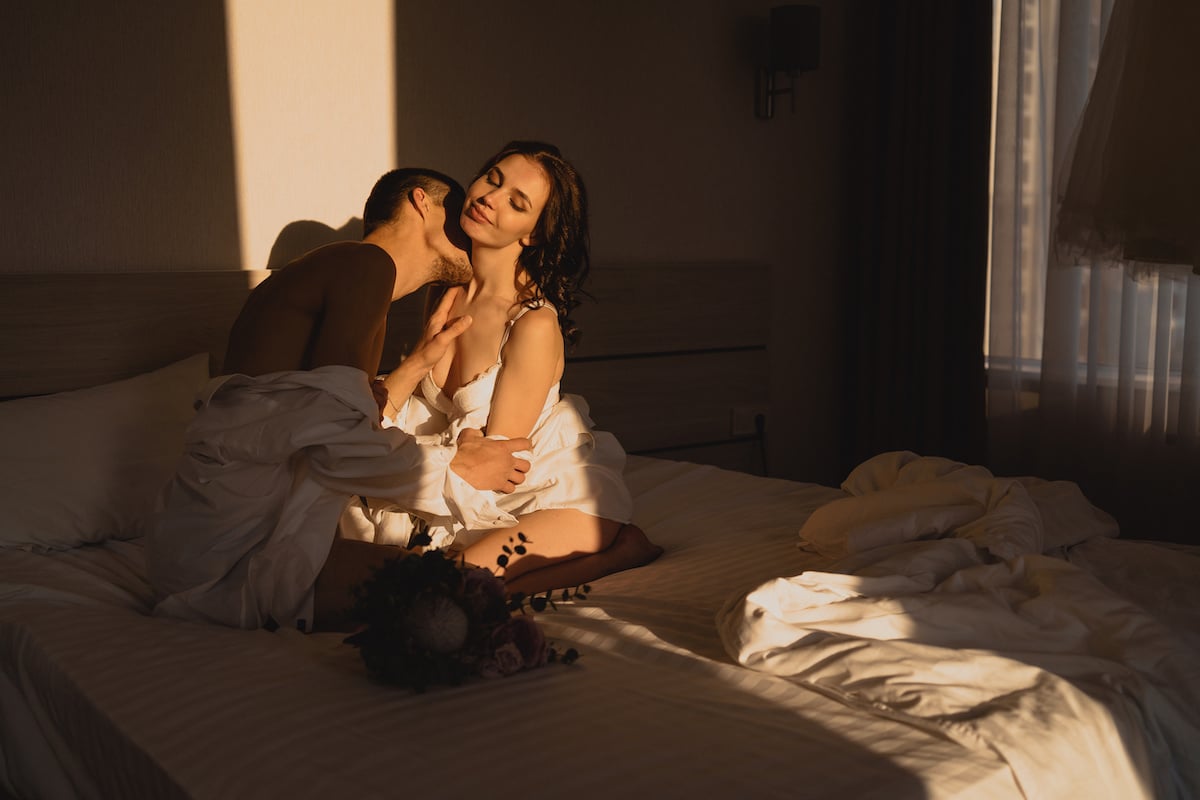
A bedroom is one option, but a sofa, a quiet kitchen or another private room can work, too. Choose a space where both partners can relax and where you have room to photograph them together.
For a simple first setup, use window light with the overhead lights off, as Nikon recommends for portraits. Take a test photo and check both faces. Turn the couple or change your viewpoint if one partner blocks the light from the other.
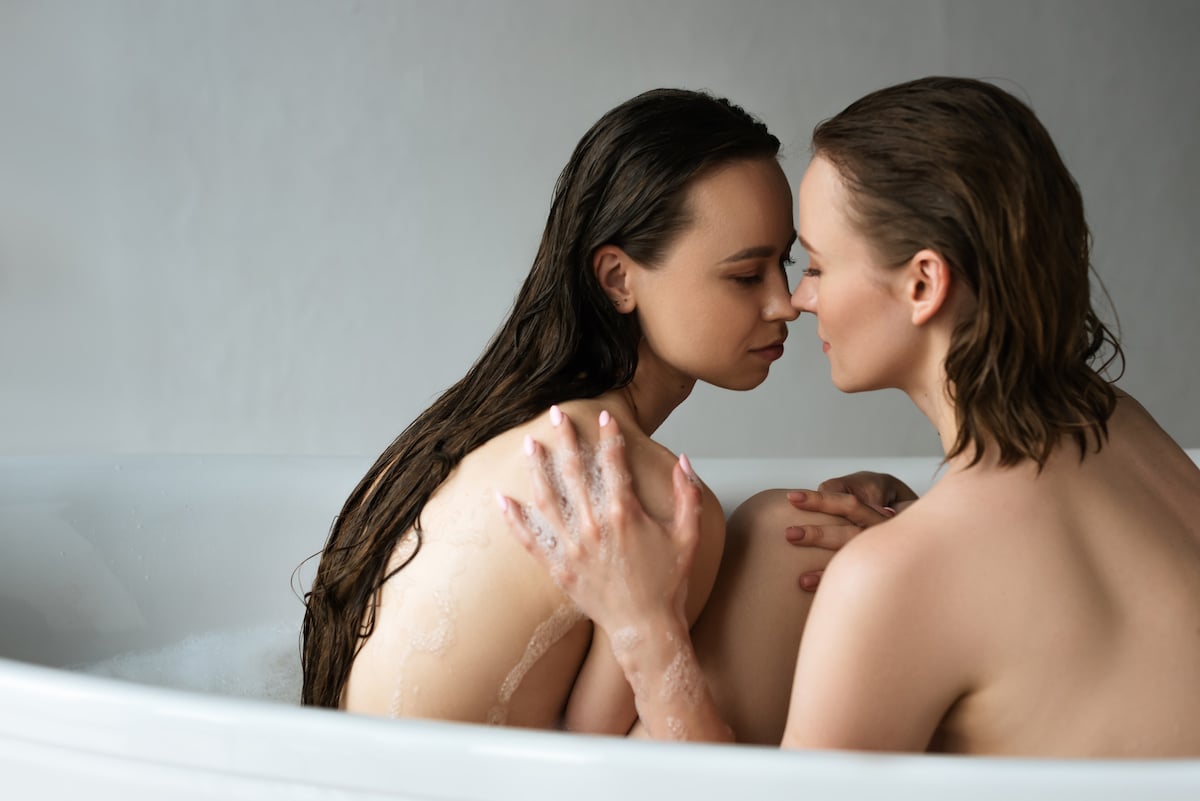
A bath can be a seated portrait setting without elaborate posing. If you choose a location connected to their first date or first kiss, make privacy part of the plan. A meaningful place does not need to become an undressed shoot.
3. Help the Couple With Their Boudoir Outfits
Underwear is not the only option when photographing couples. A favorite shirt, a robe or everyday clothes can suit the photographs just as well. Ask each partner what they want to wear, rather than choosing for them.
Lay the outfits together before the shoot. Compare colors and patterns so a busy print does not pull attention away from the faces. Try one outfit in the chosen light before planning several changes.
Bedsheets can also become part of the picture. Let each person arrange their own clothing or covering, then check the framing together. The level of coverage should remain their choice.
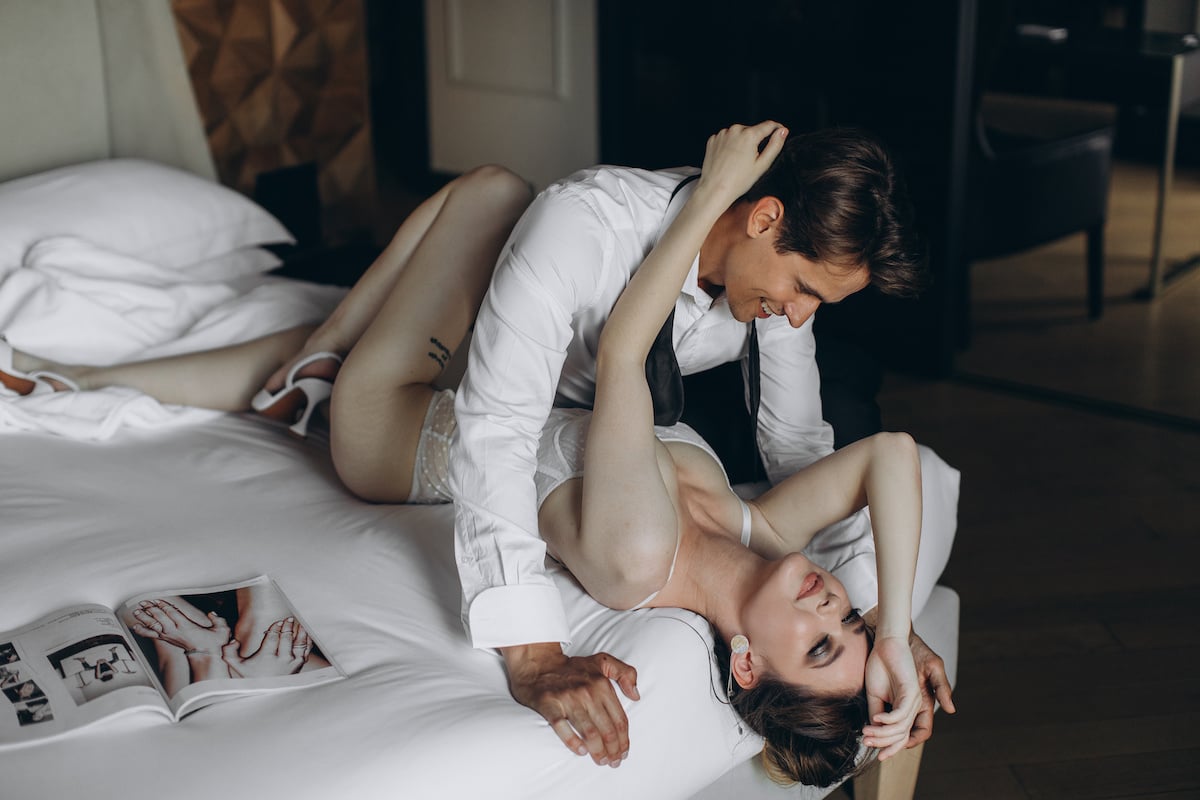
4. Make the Couple Feel Comfortable
Your job is to make the couple feel comfortable in front of your camera. Begin with clothes on and a familiar action, such as sitting close or holding hands. Give them time to settle before suggesting another pose.
Ask whether they would like music, and keep your instructions short. Demonstrate a hand position on yourself instead of moving a client's body. Ask before touching clothing or hair.
Show a few photographs during the session and ask what each partner likes or wants to change. If one person seems hesitant, stop and check in with them. Do not use the more confident partner's enthusiasm as an answer for both.
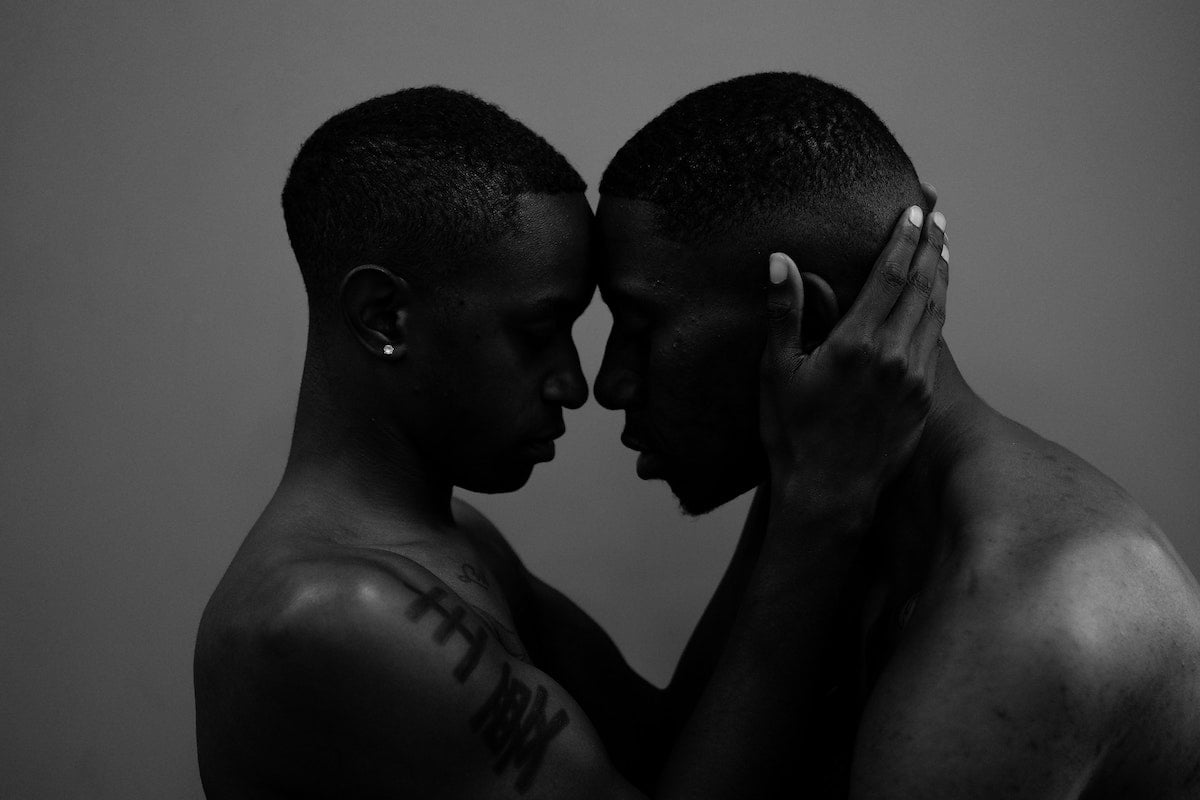
Photo by Joshua Mcknight (Pexels)
5. Tell a Story With Your Boudoir Photos
Couples have unique stories that you can capture through your boudoir photography. If they prefer romantic shots, build a short sequence around a cuddle or a kiss they have agreed to. Photograph the approach, the expression and the moment afterward.
For a playful pair, try reading together, sharing a joke or a gentle pillow fight. Give them one action, then watch how they respond to each other.
Vary the framing within that action: one photograph showing the room, one closer portrait and one detail. This gives the set a beginning and a change of pace without asking the couple to learn a new pose for every frame.
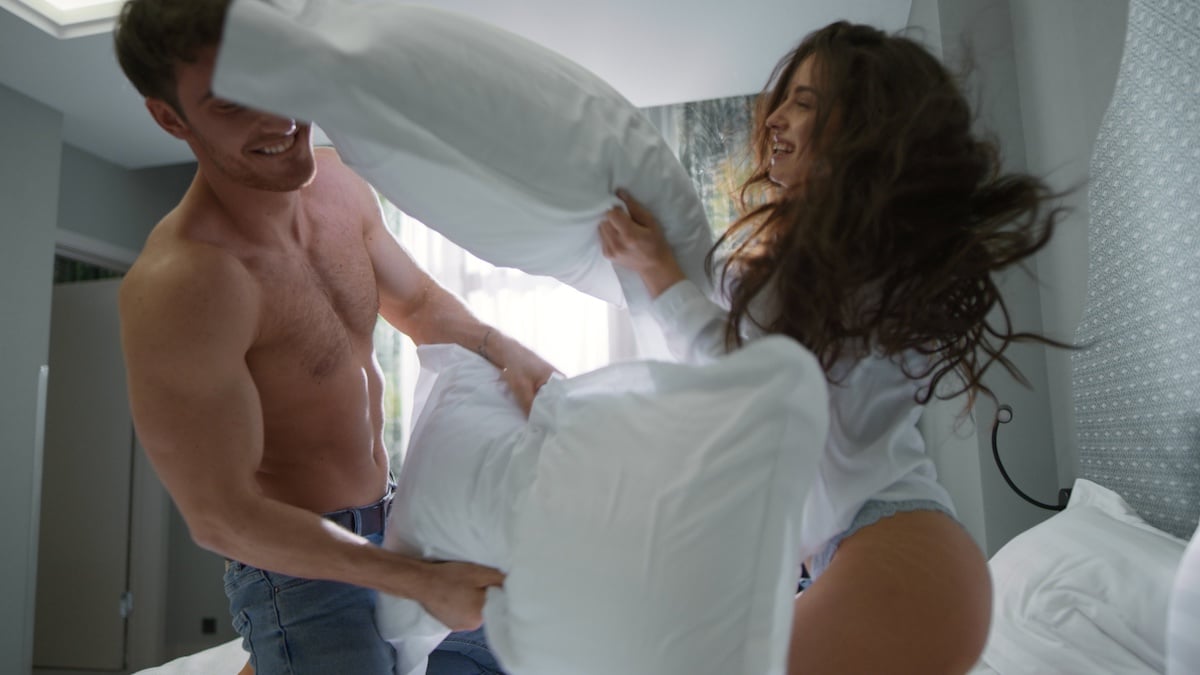
6. Use Boudoir Props That Fit the Couple
You don’t need many props for a boudoir photoshoot. Choose one or two that belong in the scene or mean something to the couple.
Pillows and blankets are excellent for creating a cozy boudoir session. Fairy lights can create dreamy and intimate vibes. Candles and rose petals are both romantic and sexy.
A favorite book or a pair of mugs can give their hands something to do. Take a version without the props as well, then compare which photograph keeps the attention on the pair.

7. Choose a Theme for Your Couples Boudoir Session
Choose a theme that connects the location, clothing and mood. A slow morning at home could use shirts, a sofa and a shared book. An evening portrait could use dressier clothes and a darker background.
Ask the couple to choose a few words for the mood, such as quiet, playful or dramatic. Use those words when deciding which ideas to keep.
You can turn an engagement shoot into a couples boudoir session if both partners want that change. Discuss it in advance so the theme and level of intimacy are agreed, rather than introducing them as a surprise.
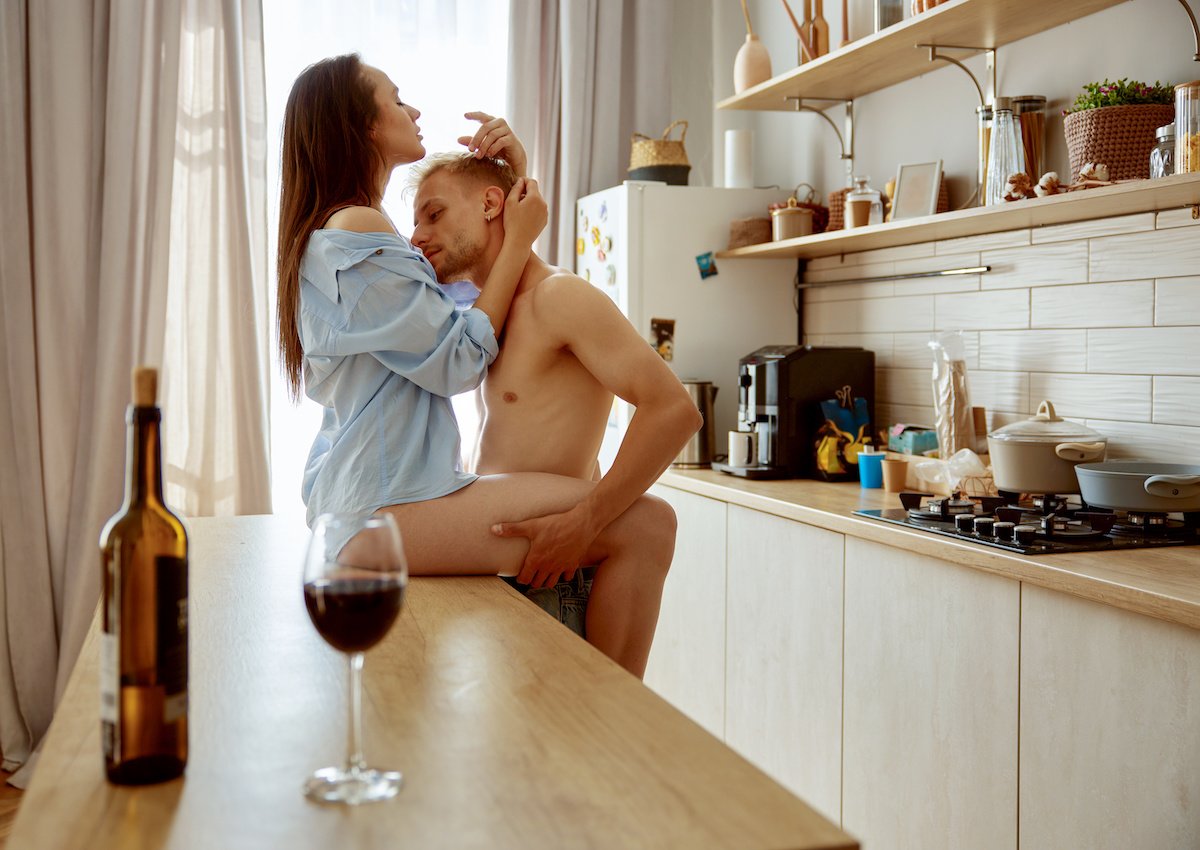
8. Direct the Couple’s Boudoir Poses
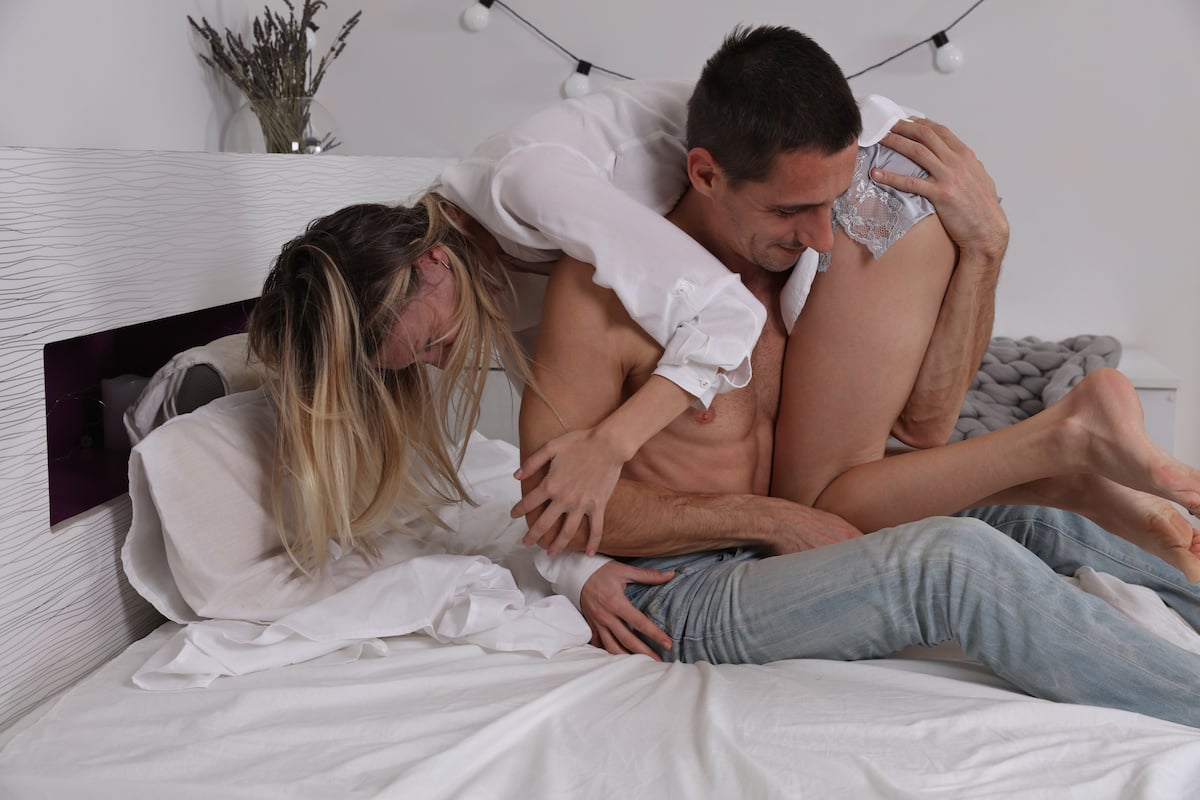
Use boudoir poses as starting references for position and framing, then adapt them for two people. Give one instruction at a time, including where to put their hands. Try these starting positions:
- Face-to-face: Ask them to sit facing each other and hold hands. They can look at one another or gently bring their foreheads together if comfortable.
- An embrace from behind: Have one partner stand or sit behind the other. Let them choose where their hands rest, then check that neither face is hidden.
- Side by side: Seat them on a bed or sofa with their shoulders close. Ask one to turn toward their partner, then swap who turns.
For each position, take a wider frame and a closer portrait before changing the pose. Offer a seated version if standing or kneeling is uncomfortable.
Check focus on both faces. If one is soft, try bringing the faces closer to the same distance from the camera or use a smaller aperture. A higher f-number increases depth of field, as Canon's aperture guide explains. Take another test shot rather than assuming one setting will suit every arrangement.
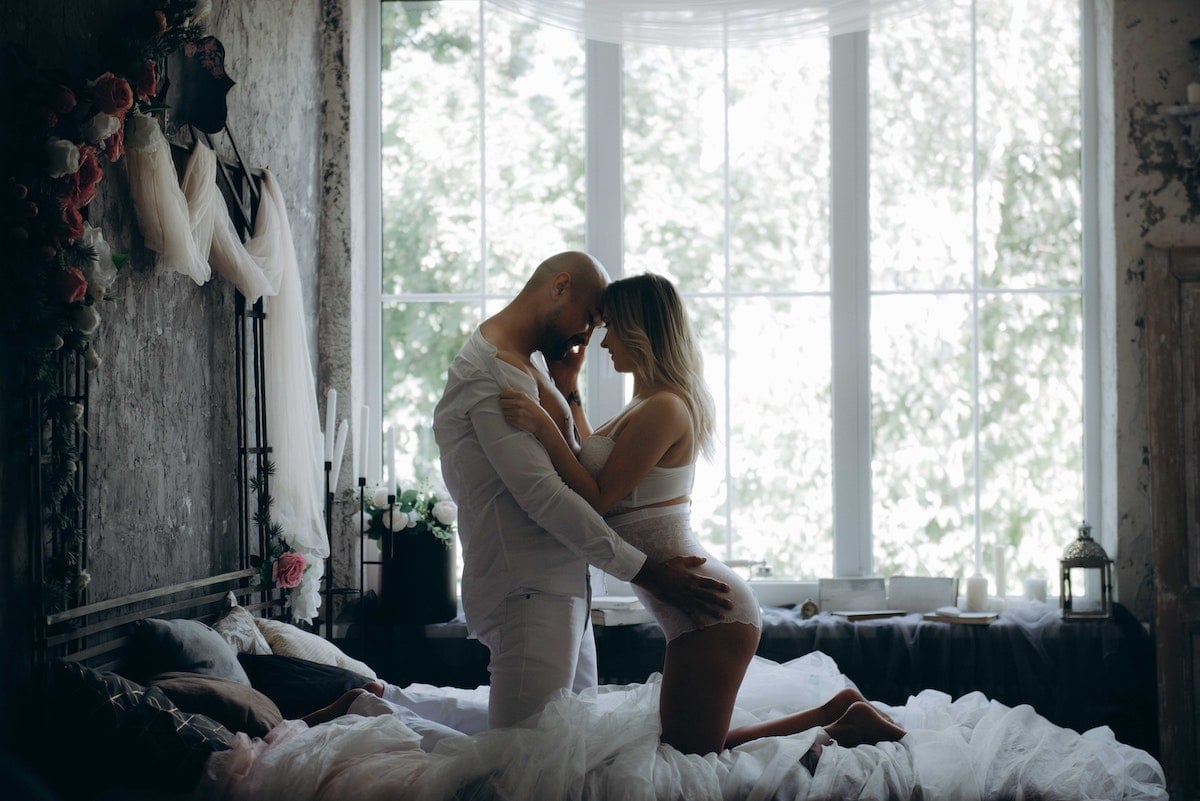
Photo by Ana Maria Moroz (Pexels)
9. Support the Couple Without Critiquing Their Bodies
Ask each partner which photographs and angles they like. Do not assume they want you to hide a feature, change their shape or make them look like a reference model.
Give feedback about something they can act on: “That hand position lets me see both faces,” or “Stay there while I change the framing.” Avoid promises that a boudoir session will fix their confidence or relationship.
If they enjoy giving each other compliments, make that an optional prompt. A quiet couple does not need to perform affection aloud. Let them choose how they express it.
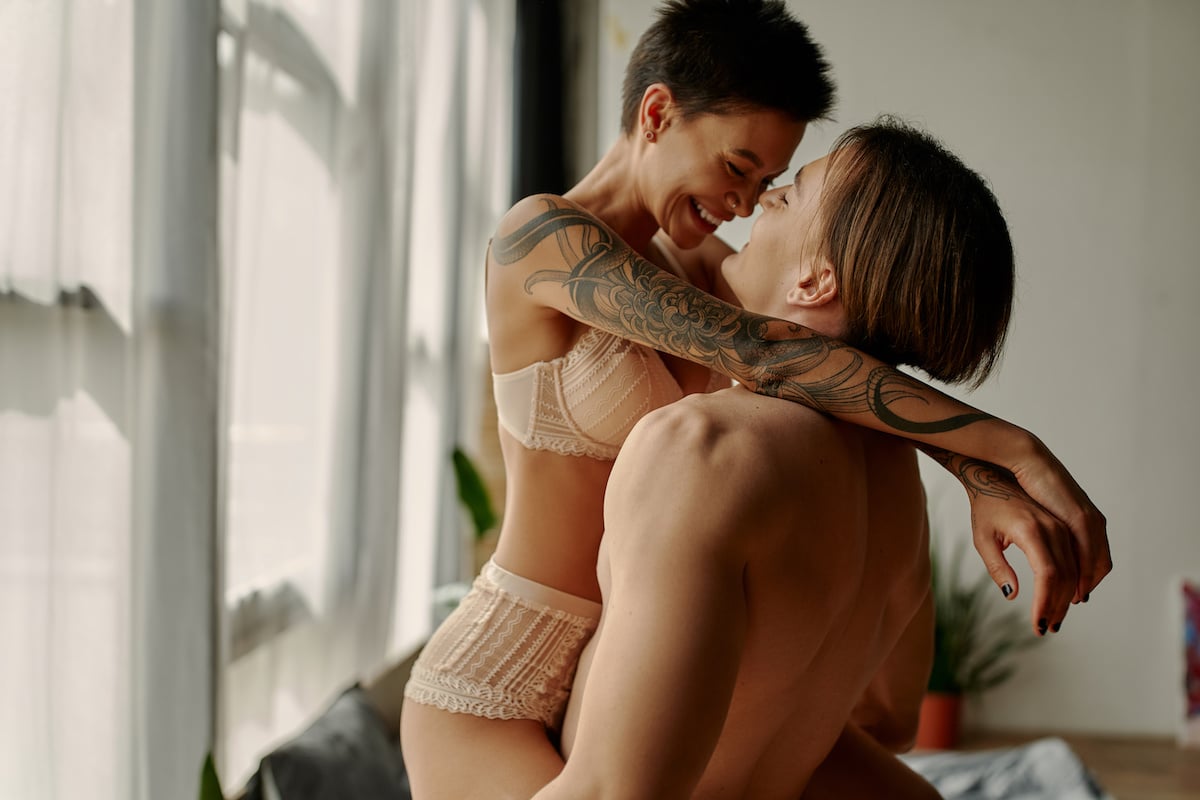
10. Capture Intimate Moments and Details
Try to focus on as many intimate details as possible. Look for a hand resting on a shoulder, joined fingers or an expression as one partner listens to the other.
Take the wider photograph first so the detail has a place in the sequence. Then move closer or tighten the framing. Check the edges for a distracting object or an awkwardly cut-off hand.
Choose a specific point of focus for each detail. Both partners do not have to appear fully in every frame, but keep the crop within the coverage they agreed to.
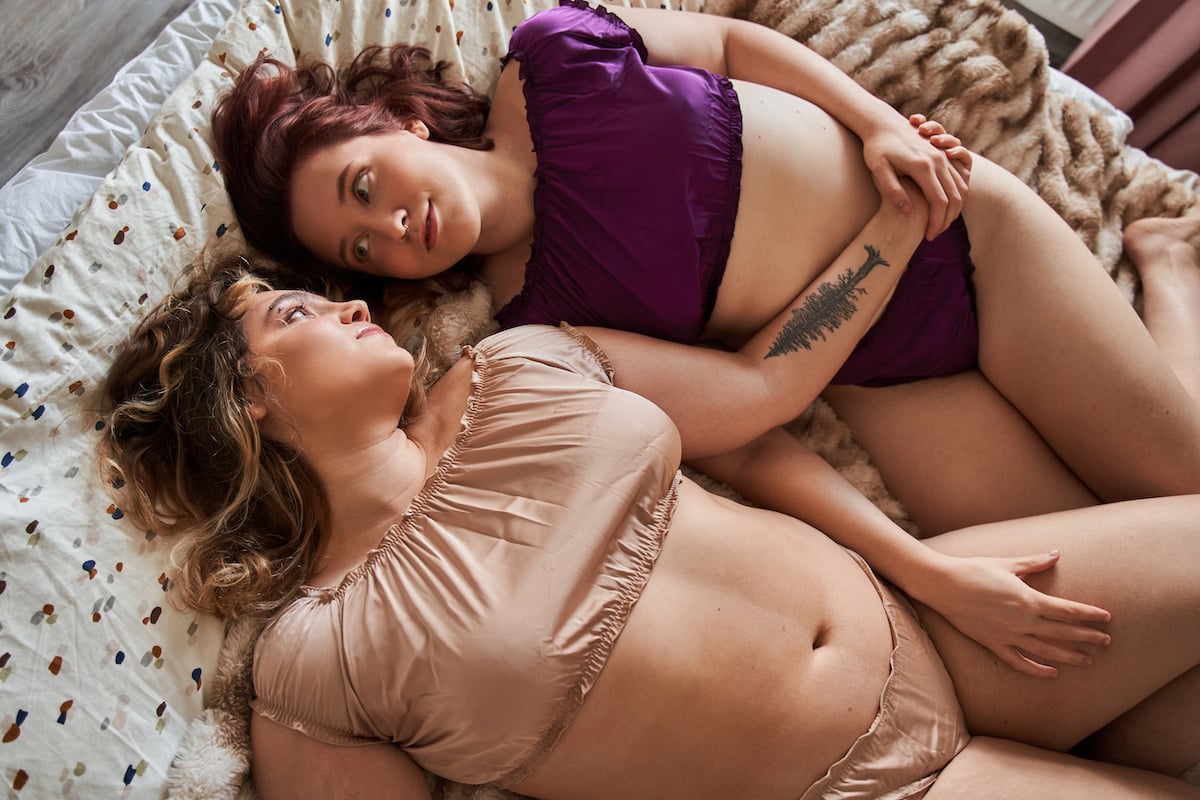
11. Plan the Session Flow and a DIY Setup
Keep the session manageable. Start in one location with one outfit and a few poses, then take a break before adding more. Leave time to adjust clothing, look at pictures and hear from both people.
If you are photographing yourselves, place the camera or phone on a secure tripod and use its self-timer or a compatible remote. Compose with one partner in position, then join them for a test photograph. Check that both faces are in focus and inside the frame before taking a sequence.
Stay with one setup long enough to try a few expressions. Running back to change the camera after every photograph can interrupt the time you have set aside together.
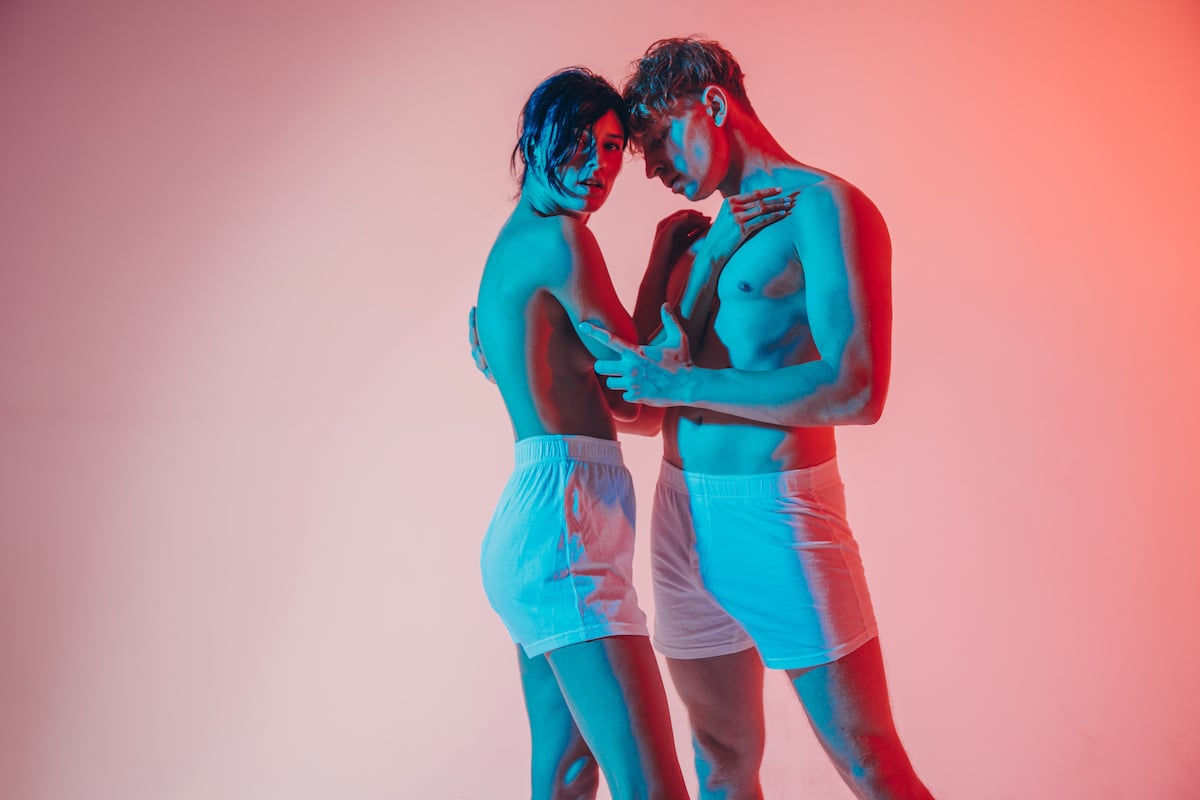
12. Be Spontaneous With Your Couples Boudoir Session
Plan the location, props and starting poses, but keep watching between instructions. A laugh after a missed cue or a quiet pause can give you another photograph without a new setup.
Ask whether they have an idea they want to try. Check it with both partners before changing the pose, contact or clothing. Spontaneity should stay within the limits you agreed on.
If an idea feels forced, return to the position they liked earlier. You do not need to complete every planned shot to finish with a set they want to keep.
Conclusion: Couples Boudoir Photography
Couples boudoir photography is about highlighting the intimacy between the partners. Start with their choices, find a position they can hold comfortably and watch how the light falls on both faces.
Choose a few ideas from this list for your next session. Build variations through framing, expression and small movements, then review the results with both partners.
To succeed with your portrait business, check out our eBook, Profit from Portraits!