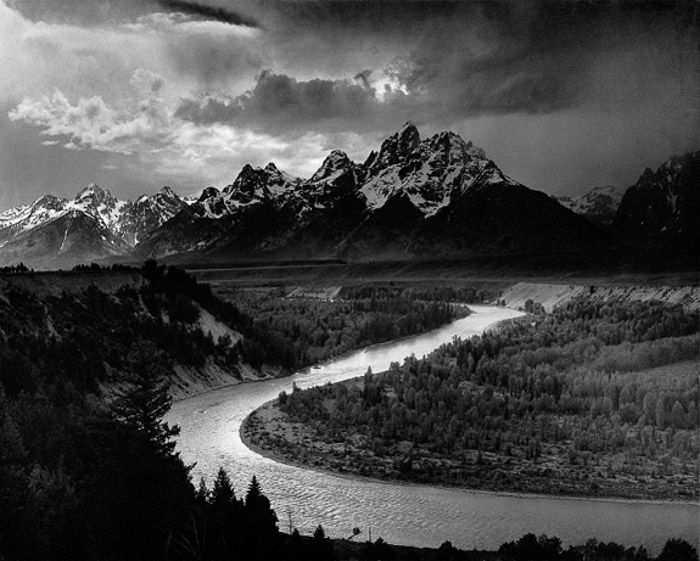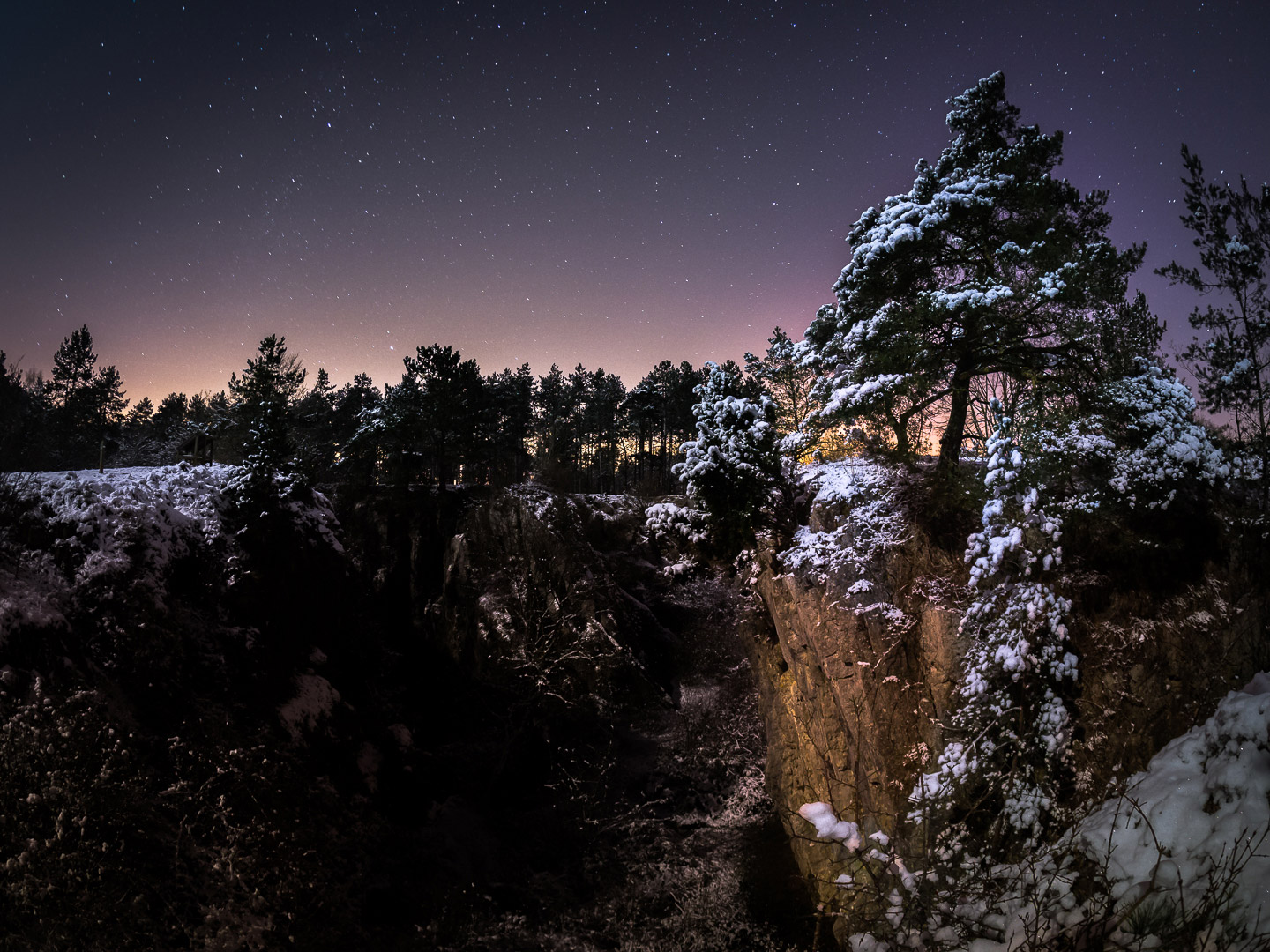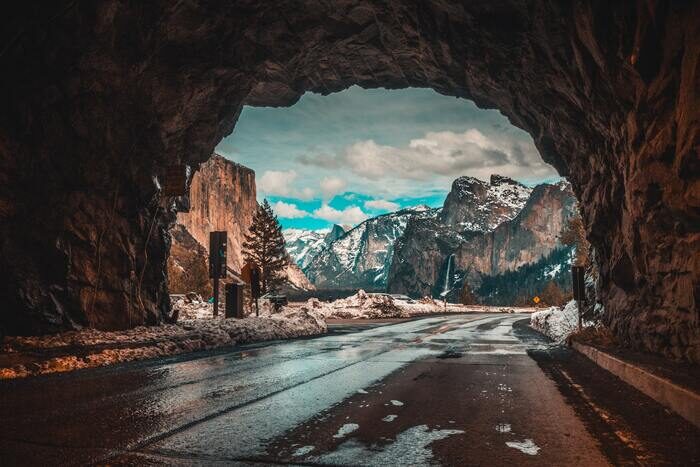
Famous nature photographers such as Art Wolfe, Ami Vitale, and Joel Sartore show how many stories the natural world can hold. Landscapes, wildlife portraits, and conservation projects each call for a different way of seeing.
These 22 photographers offer ideas for your own work, from waiting for changing light to building a series around one subject. Explore their portfolios and look for an approach you want to try.

22 Amazing Nature Photographers
Our selection spans landscape, wildlife, outdoor adventure, and photographic art. Some photographers document animals and the people protecting them. Others use the landscape to express an imagined scene or a personal response to a place.
As you browse, choose one thing to study: light, composition, storytelling, or editing. Then put it into practice as you develop your nature photography skills. Each profile includes links to the photographer’s website and social profiles.
Marc Adamus
Marc Adamus is a landscape photographer famous for his dedication to wilderness photography. Based in Western North America, he describes spending weeks or months immersed in a landscape while waiting for light and atmosphere to come together.
His work combines that fieldwork with careful digital processing. In his artist statement, he explains how blending exposures can address differences in brightness or focus. Study his approach to patience and preparation: the finished image starts with the material gathered outdoors.
Marc Adamus: Website | Instagram


Art Wolfe
Art Wolfe’s work invites you to look for an animal’s relationship with its surroundings. His book Vanishing Act explores camouflage, showing creatures that can be difficult to distinguish from the shapes and textures around them.
That makes his photography a good starting point for studying backgrounds. Instead of filling the frame with an animal every time, consider what the surrounding habitat adds. His wider portfolio also includes landscapes and abstract work, showing how observation can lead to very different pictures.
Art Wolfe: Website | Instagram


Daniel Ernst
Daniel Ernst is a nature and travel photographer whose work centers on outdoor adventure. His own account of his approach emphasizes natural light, remote landscapes, and the connection between people and nature, with the Nordic regions a recurring source of inspiration.
He describes balancing preparation with room for unexpected moments. Take that idea into your own travel photography: plan the broad story, then leave space for the weather, a quiet moment, or a change of direction to shape it.
Daniel Ernst: Website | Instagram


Ami Vitale
Ami Vitale is a photographer, writer, and documentary filmmaker whose work connects people, wildlife, and conservation. Her stories follow the people working to protect animals, bringing human relationships into the picture alongside the species themselves.
For inspiration, follow a complete story on her website as well as looking at individual photographs. Notice how a series can explain a conservation issue through the people involved. Her work offers a way to think beyond a single animal portrait and ask what else a viewer needs to understand.
Ami Vitale: Website | Instagram


Jimmy Chin
Jimmy Chin is known for adventure photography, combining his work as a photographer with climbing and skiing. His pictures place people within demanding mountain environments, connecting outdoor action with the landscape around it.
He also co-directed the Academy Award-winning documentary Free Solo with Elizabeth Chai Vasarhelyi. Across his photography and film, the setting helps tell the story. As you study his work, consider how a wider view can explain the scale and circumstances of an adventure.
Jimmy Chin: Website | Instagram


Jamie Out
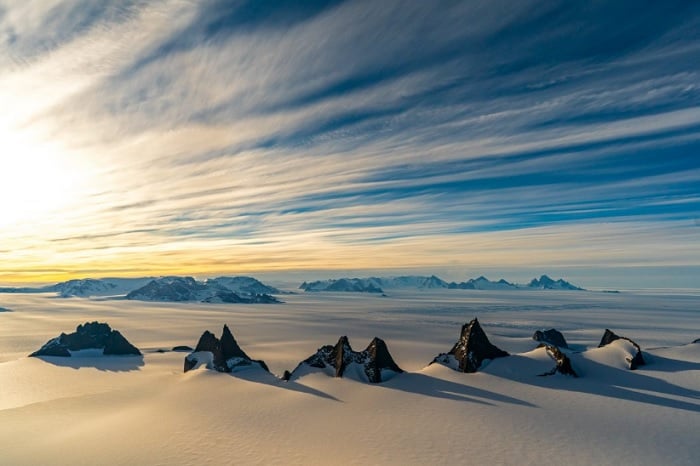
Jamie Out’s landscape photographs often include a person within a much larger scene. That small figure gives the picture an even greater sense of scale, helping us judge the height of a waterfall or the space around a mountain peak.
His outdoor work also includes paths, roads, and family travel. Look at how those elements give the viewer a route into a scene. You can try the same idea from a safe, established viewpoint, with a person or familiar feature providing a reference for size.
Jamie Out: Website | Instagram


Marina Cano
Marina Cano is a Spanish wildlife photographer whose work emphasizes intimate encounters and conservation. Her books include Cabárceno, Drama & Intimidad, and Inspiración + Naturaleza.
Her photographs offer outdoor and wildlife photographers a reason to study expression and relationships between animals. Look beyond identifying the species: consider what a gesture, a grouping, or the space between subjects contributes to a portrait. Her artist statement places emotion at the center of her efforts to encourage care for nature.
Marina Cano: Website | Instagram


Jon Cornforth
Jon Cornforth specializes in dramatic landscapes and wildlife, with Alaska, Hawaii, and the South Pacific among his favorite locations. His subjects include bears, birds, sharks, and whales, taking the reader from land into the marine world.
His website describes patience as central to photographing wildlife. When exploring his work, compare photographs of an animal with those of its wider environment. They offer different parts of the same story: the subject itself and the place it depends on.
Jon Cornforth: Website | Instagram


Joshua Cripps
Joshua Cripps is a wilderness landscape photographer and educator whose portfolio includes the Sierra Nevada, deserts, coastlines, and destinations farther afield. His website brings those photographs together with articles on composition, camera technique, and artistic development.
If you want to connect inspiration with practice, start with a photograph that catches your attention and then explore his teaching. Ask what first draws your eye and what keeps it moving through the frame. That gives you a specific question to work on during your next outing.
Joshua Cripps: Website | Instagram


Thomas Heaton
Thomas Heaton shares landscape photography through photographs and books. His YouTube channel follows the process of making images outdoors, including the wait for conditions to come together.
His books range from mountains and woodland to deserts, coasts, and the ground beneath our feet. That range is a reminder to look at more than the distant view. On your next walk, spend time with nearby details as well as the wider landscape.
Thomas Heaton: Website | Instagram


Will Burrard-Lucas
Will Burrard-Lucas uses technology to find new viewpoints in wildlife photography. His tools include BeetleCam, a remotely controlled camera buggy, and camera traps for elusive and nocturnal animals.
His black leopard project became the book The Black Leopard: My Quest to Photograph One of Africa’s Most Elusive Big Cats. Explore the project to see how a sustained interest in one subject can develop into a body of work. It is also a reminder that a close camera position does not necessarily mean a photographer was standing beside the animal.
Will Burrard-Lucas: Website | Instagram


Christopher Dodds
Christopher Dodds photographs wildlife and teaches through photo tours and workshops. His portfolio includes birds in flight, fishing eagles, and coastal brown bears. His experience spans photographing wildlife, leading safaris, and teaching other photographers.
His bird photographs are a starting point for studying timing. Look at the position of the wings and the space around the subject, then compare several images. Choose one aspect of movement to concentrate on when you next photograph birds.
Christopher Dodds: Website | Instagram


Joel Sartore
Joel Sartore’s Photo Ark project uses animal portraits to draw attention to biodiversity and conservation. These are made with species in human care at zoos, aquariums, and wildlife centers, rather than all being photographs of animals in their natural habitats.
The project’s black or white backgrounds bring attention to the animals’ forms and features. As National Geographic explains, the consistent approach gives different species equal visual importance. Study the series for what it shows about a simple background and a sustained photographic purpose.
Joel Sartore: Website | Instagram


Ted Gore
Ted Gore is a landscape photographer whose style combines ambitious composition and seductive post-processing. He was named USA Landscape Photographer of the Year in 2015 and shares his approach through processing videos and workshops.
His artist statement makes his intent clear: he uses digital tools to express his experience and imagination. Those tools include blends for focus, perspective, exposure, and time. His work is worth studying as expressive landscape art, with the final image shaped both outdoors and during editing.


Daniel Kordan
Daniel Kordan’s landscape work draws on the colors and compositions he finds in nature. His portfolio ranges from polar regions to deserts and forests, while his account of his travels describes a particular attachment to Tuscany and Norway’s Lofoten Islands.
Browse one location-based gallery at a time to see the variety within a place. Then compare it with another region. This is a way to study how a photographer builds a collection while responding to different terrain, seasons, and light.
Daniel Kordan: Website | Instagram


Max Rive
Max Rive’s work is rooted in chasing mountainous scenes. His portfolio and photography tours take in places such as the Andes, the Dolomites, and northern Norway, with valleys and peaks forming the setting for his pictures.
Look at how a foreground can frame a distant mountain. A tree, ridge, or river can give the eye a starting point before it reaches the main subject. You can practice that relationship in a local landscape without needing the same destination.


Cath Simard
Cath Simard is a Canadian photographer and digital artist who creates surreal landscape composites. She describes her process as collecting photographs during expeditions, then combining elements, perspectives, and moments into an imagined scene.
That distinction helps explain her work: a finished piece can bring together material photographed at different times. Study how she builds a visual idea through those choices. Her approach offers inspiration for photographic art while making the role of compositing part of the story.
Cath Simard: Website | Instagram


Erin Babnik
Erin Babnik’s path into landscape photography grew out of her work as an art historian, photographing archaeological sites and museum collections for research and teaching. She later developed wilderness photography into her profession.
That background gives you another route into studying her work: look for relationships between shapes, textures, and the larger composition. Her photographs of forests, ice, and rock formations encourage attention to the arrangement of a scene as well as its location. Her teaching also explores the artistic decisions behind landscape photography.
Erin Babnik: Website | Instagram


Mandy Lea
Mandy Lea left a conventional photography career, bought a teardrop camper, and took to the road. Her work combines landscape photography with teaching workshops and guiding backpacking trips. She has also documented her travels with videos.
Her photographs range from mountain and coastal views to flowers. Let that change of scale guide your own walk: make time for a small subject after photographing a wide view. A trip can produce several kinds of pictures without every frame needing to show the whole landscape.
Mandy Lea: Website | Instagram


Guy Tal
Guy Tal is a photographic artist and writer who works primarily in the high desert landscape of the Colorado Plateau. His artist statement describes photography as a way to express thoughts and feelings through places he knows closely.
His portfolios include sandstone, desert weather, and trees, encouraging a slower look at familiar subjects. Try returning to one place over time and noticing what changes. His work offers a reason to build that familiarity instead of judging an outing only by the number of new locations you visit.


Marco Grassi
Marco Grassi is an Italian landscape and travel photographer drawn to remote places and new perspectives on familiar ones. His account of his approach emphasizes planning, light and shadow, and the scale of mountains and deserts.
When browsing his work, consider how the viewpoint changes your impression of a place. His portfolio includes both landscape and aerial collections. Comparing them can help you think about position before you take a picture: what does this angle reveal, and what does it leave out?
Marco Grassi: Website | Instagram


Matt Santomarco
Matt Santomarco is a Colorado-based film photographer drawn to the American West. In his Kodak profile, he explains his use of Portra for its versatility and Ektar for vivid landscape color.
His photographs provide a film-based perspective alongside the digital work in this list. Explore how color, season, and subject work together, then think about the palette you want in your own pictures. You can make that choice deliberately whether you photograph on film or with a digital camera.
Matt Santomarco: Website | Instagram


What to Try on Your Next Nature Shoot
Choose one photographer whose work holds your attention, then study a small group of their images. Identify one decision you can practice: the background around an animal, the relationship between foreground and distance, or a sequence that tells a story.
Take that idea to a place you can visit safely and return to. Keep your own subject and perspective, then review what worked. Let the work you admire lead to a specific photograph you want to make.
Are you looking for more inspiration for nature photography? Then look at one of our eBooks or courses, such as Simply Stunning Landscapes or Wonderful Wildlife. We also have an Epic Landscape editing course to breathe new life into your photos!