With the best camera for pet photography, you can capture your beloved animals in all their glory. But which camera is the best for your photography and your pet?
It’s best to have a camera that produces stunning images so your furry and feathered friends look their finest. The autofocus (AF) system must cope with animal subjects. And you might need other features like a fast burst or high-quality video recording.
The Nikon Z5 II is our top camera for pet photography. It’s Nikon’s most accessible full-frame mirrorless camera, meaning users of any skill level can use it. Its AI-powered autofocus recognizes nine subject types, including animals, so it locks onto pets far more reliably than older systems. And it’s packed with features that make pet photography easier and improve results.
What Is the Best Camera for Pet Photography?
The short answer is that the best camera for pet photography helps you take stunning images of your pets. Of course, that sounds obvious. But the longer answer is not so simple.
Several factors must be considered when choosing the best camera for this genre. First, your skill level. Are you a beginner, enthusiast, or looking to go professional? Your skill level might then affect your budget.
You then have to think about your objectives. What kind of photos or media are you creating? Are you taking pictures of pets for fun or as part of a pet photography business?
You must also consider the features you might want in a pet-photography camera. We all want great picture quality, and that’s not a concern in our camera list. But you might want specific features like a fast burst mode to capture photos of energetic pets.
You might also want video features to create different types of pet-focused media. Oh, and an animal-friendly AF system is very important for pet photography. Our top three picks have eye-detection autofocus.
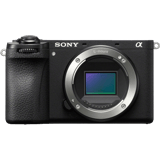
Matching those factors to a pick: beginners on a budget should start with the Canon EOS R10; anyone who wants the best animal autofocus without paying a professional price should get the Nikon Z5 II; pet vloggers and video-focused creators should look at the Sony a6700 or the Fujifilm X-T5; a working pet photography business should budget for the Canon EOS R7; and anyone shooting outdoors in rain, dust, or mud should consider the OM System OM-5 Mark II or the rugged Tough TG-7.
We chose the cameras in our article because they hit some or all of these targets. Below, you can see an overview of the cameras. We then look at each model in more after that. At the end of the article, we also have a bonus section that looks at other gear useful for pet photography.

- 24 MP full-frame sensor for expansive, detailed shots
- AI-powered autofocus with 9 subject types, including animals
- 7.5-stop in-body stabilization for blur-free handheld shots
- Fully articulating touchscreen for creative low-angle pet shots
- 4K/60p video with 10-bit color and 12-bit N-RAW recording
- Crystal-clear images with 24.2 MP APS-C CMOS sensor
- Quality photos, 4K videos with DIGIC X image processor
- Versatile compatibility with RF-S/RF, EF/EF-S lenses
- High-speed continuous shooting to capture fast action
- Smart, speedy AF with subject detection for perfect focus

- 20.4 MP sensor with excellent image quality
- 5-axis stabilization with up to 7.5 EV compensation
- Dedicated computational photography button
- IP53 weather-sealed, compact 370g body for outdoor shoots
- USB-C charging for power-bank compatibility in the field
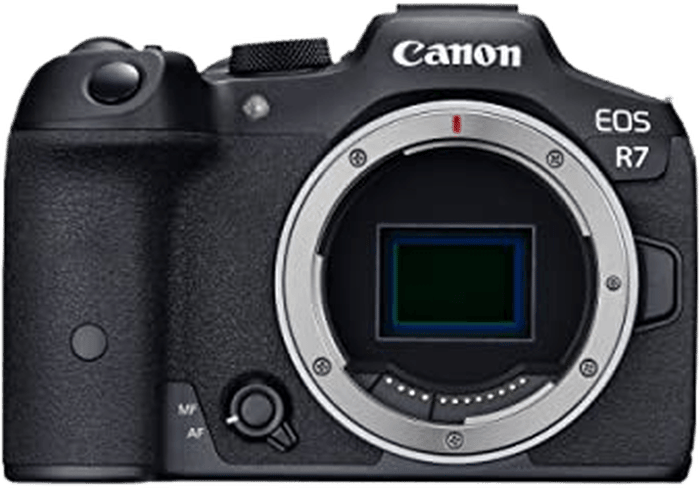
- 32.5 MP APS-C CMOS sensor for crisp, clear images
- DIGIC X processor for ultra-sharp photos, 4K videos
- High-speed 15 fps continuous shooting captures fast-moving subjects like pets
- Built-in 5-axis stabilization for shake-free media
- Compatibility with EF-S, EF, RF, and new RF-S mounts
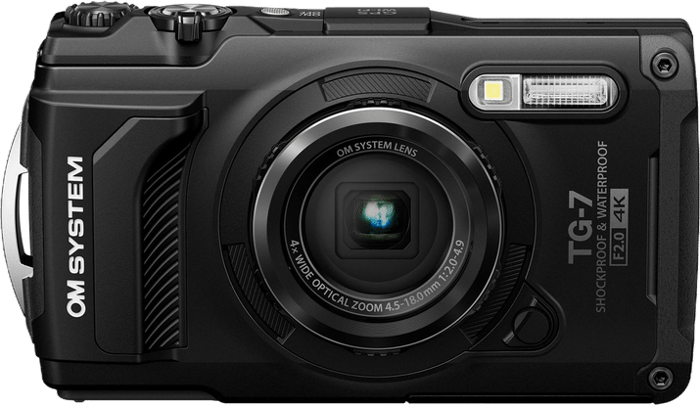
- Rugged, waterproof, dustproof, freezeproof, crushproof
- Fixed f/2.0 lens with 4x zoom range
- Five underwater shooting modes including underwater HDR
- Macro modes with 0.4 inch / 1 cm min focus distance
- 4K video with high-speed frame rates and vertical mode
7 Best Cameras for Pet Photography
This section lists all the best cameras for pet photography in more detail. We’ve included cameras for beginners, enthusiasts, and professional pet photographers. And we’ve selected cameras from all the best camera brands. It’s a concise list but contains a camera for anyone.
1. Nikon Z5 II
| Released |
Released
2025
|
| Sensor Format |
Sensor Format
Full Frame
|
| Lens Mount |
Lens Mount
Nikon Z
|
| Megapixels |
Megapixels
24 MP
|
| Autofocus Points |
Autofocus Points
273
|
| In Body Stabilisation |
In Body Stabilisation
Yes
|
| Video |
Video
Yes
|
| Other Key Features |
Other Key Features
AI-powered autofocus with nine subject-detection types including animals, 7.5-stop in-body stabilization, fully articulating touchscreen
|
| Best For |
Best For
Pet photographers who want the sharpest animal-eye AF in an accessible full-frame body
|
The Nikon Z5 II is the best camera for pet photography. It’s an entry-level full-frame mirrorless camera, but it borrows its autofocus and stabilization tech from Nikon’s professional Z8 and Z9 bodies. The image quality and features are excellent for the price. And it’s compatible with all of Nikon’s Z-series lenses.
A 24 MP back-side illuminated sensor isn’t the highest resolution around, but the picture quality is fantastic. This gives you accurate details and vibrant colors. The sensor’s larger pixels give a better dynamic range, revealing more detail from bright and shaded areas.
The autofocus system is the real reason this camera tops our list. It recognizes nine subject types, including animals, so it locks onto your pet’s eye and tracks it through the frame. That AI-driven tracking is a genuine generation ahead of the eye-detection AF on the original Z5, and it’s what makes fast-moving pets easy to nail in focus.
Image stabilization is another standout. You get up to 7.5 stops of compensation with compatible lenses, so handheld shots stay sharp even in dim rooms where pets are often photographed. The fully articulating touchscreen also makes low-angle pet shots (the ones taken from floor level) far easier to frame than a fixed screen.
Video is a genuine strength too. You can record 4K at 60 fps without a crop penalty, and there’s 10-bit color plus 12-bit N-RAW for anyone editing pet content seriously. A 120 fps 1080p mode covers slow motion for zoomies and fetch.
It isn’t flawless: the mechanical shutter caps out at 14 fps (30 fps with the electronic shutter, which brings rolling shutter), high-ISO noise gets noticeable past ISO 12,800, and Nikon kept a couple of cost-saving compromises from the original Z5: the eyepiece can slide off, and the mode dial has no lock. None of that undermines the autofocus upgrade that matters most for pet photography.
It’s not the right choice if you shoot fast-paced sports-style bursts for a living: the 14 fps mechanical cap and the rolling shutter on the 30 fps electronic mode will show up there. For everyday pet photography, none of the Z5 II’s drawbacks are dealbreakers.
Pet photographers at all levels should consider the Nikon Z5 II. The picture quality is pro-level imagery, and the animal-detection autofocus is the best you’ll find at this price. It’s also one of the more affordable full-frame cameras on the market.
2. Canon EOS R10
| Released |
Released
2022
|
| Sensor Format |
Sensor Format
APS-C
|
| Lens Mount |
Lens Mount
Canon RF
|
| Megapixels |
Megapixels
24 MP
|
| Autofocus Points |
Autofocus Points
651
|
| Maxiso |
Maxiso
ISO 32000
|
| Fps |
Fps
15 fps
|
| In Body Stabilisation |
In Body Stabilisation
No
|
| Video |
Video
Yes
|
| Other Key Features |
Other Key Features
Eye-detection AF, quick-control dial, vari-angle touchscreen, Wi-Fi connectivity
|
| Best For |
Best For
Beginner pet photographers
|
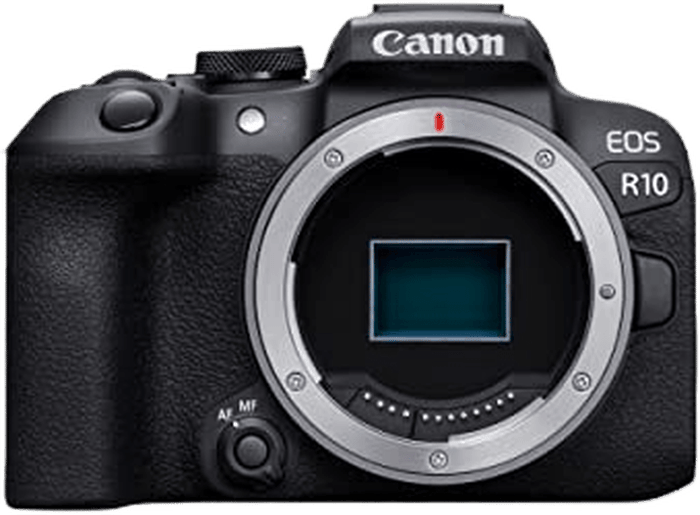
The EOS R10 is a great Canon entry-level camera for pet photography. Its APS-C sensor makes the body compact and lightweight. And Canon’s excellent ergonomic design ensures comfort in your hands.
With 24.2 MP resolution, you can expect superb images. You can shoot in several JPEG formats, or you can shoot in RAW for more options in post-processing. Either way, the picture quality is fantastic.
The autofocus system is advanced for an entry-level camera. It’s responsive, reliable, and can accurately track moving subjects. It even has eye-detection capabilities. The system works best with humans. But it can also detect the eyes of common pets like dogs and cats.
A wide ISO range lets you work in low-light conditions. And there’s a built-in flash for darker situations. Just be careful not to spook your animal subject.
One thing the R10 doesn’t have is in-body image stabilization, so it’s not the right pick if you shoot handheld indoors a lot: you’ll need a stabilized lens or a faster shutter speed to keep low-light shots sharp.
Burst shooting is a great way to capture animals on your camera. This Canon camera has a fast 15 fps continuous shooting mode with its mechanical shutter. If that’s not fast enough, you can switch to the electronic shutter for a 30 fps burst rate.
Features like the vari-angle touchscreen and custom control dial improve user experience. This helps you master the camera quicker and get better results. Beginners will love the Canon EOS R10. It’s the perfect starting point for any aspiring pet photographer.
3. Sony a6700
| Released |
Released
2023
|
| Sensor Format |
Sensor Format
APS-C
|
| Lens Mount |
Lens Mount
Sony E
|
| Megapixels |
Megapixels
26 MP
|
| Autofocus Points |
Autofocus Points
759
|
| Maxiso |
Maxiso
ISO 32000
|
| Fps |
Fps
11 fps
|
| In Body Stabilisation |
In Body Stabilisation
Yes
|
| Video |
Video
Yes
|
| Other Key Features |
Other Key Features
Real-time AI subject recognition for animal eye AF, weather-sealed body, 4K video with 10-bit color
|
| Best For |
Best For
Pet photographers who want Sony's most advanced APS-C autofocus
|
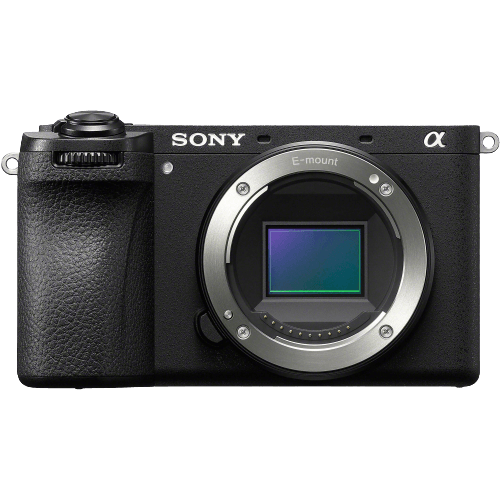
The Sony a6700 is a great camera for pet photography enthusiasts. It’s a mirrorless camera with a lightweight and compact body. But it isn’t a compact camera with a fixed lens. You can pair it with any of Sony’s E-mount lenses.
It has a powerful APS-C sensor, which is one of the reasons the body is so compact. Despite its size, the camera still delivers 26 MP images. The picture quality is bright and brilliant. And you get low noise even at high ISO settings.
A native top ISO setting of 32,000 is decent. But you can also expand it further, which is helpful when shooting in low-light situations.
The a6700 carries a dedicated AI processing unit for subject recognition, and it’s a real step up from the a6600’s older autofocus. It reads a subject’s pose and shape, not just its eye, so it holds focus on a running dog or a bird in flight far better than the previous generation.
In-body image stabilization gives you even more assistance when working in low light, and the body is fully weather-sealed (a feature the a6600 lacked), so outdoor pet shoots in drizzle or dust are less of a risk to the camera.
It has a useful burst speed of 11 frames per second for pet photography. It’s fast enough to capture animals at play. And you get full autofocus coverage with tracking at full speed. That means your action shots are always sharp.
With 4K video recording at up to 120 fps and 10-bit 4:2:2 color, this Sony mirrorless is another great option for pet-focus video content. One trade-off: it only has a single SD card slot, and the body can run warm during long 4K recording sessions. If you shoot long back-to-back 4K sessions for paid work and want dual-slot backup, the Canon EOS R7 covers that instead.
Conveniently sized yet packing a punch, the Sony a6700 is perfect for tech-savvy pet photographers. It has everything you need to create top-level pet media, with meaningfully better animal autofocus than its predecessor.
4. Fujifilm X-T5
| Released |
Released
2022
|
| Sensor Format |
Sensor Format
APS-C
|
| Lens Mount |
Lens Mount
Fujifilm X
|
| Megapixels |
Megapixels
40 MP
|
| Autofocus Points |
Autofocus Points
425
|
| Maxiso |
Maxiso
ISO 12800
|
| Fps |
Fps
15 fps
|
| In Body Stabilisation |
In Body Stabilisation
Yes
|
| Video |
Video
Yes
|
| Other Key Features |
Other Key Features
Eye-detection AF, film simulation modes, tilting LCD touchscreen, water-resistant
|
| Best For |
Best For
Pet photographers who need high-resolution images or videos
|
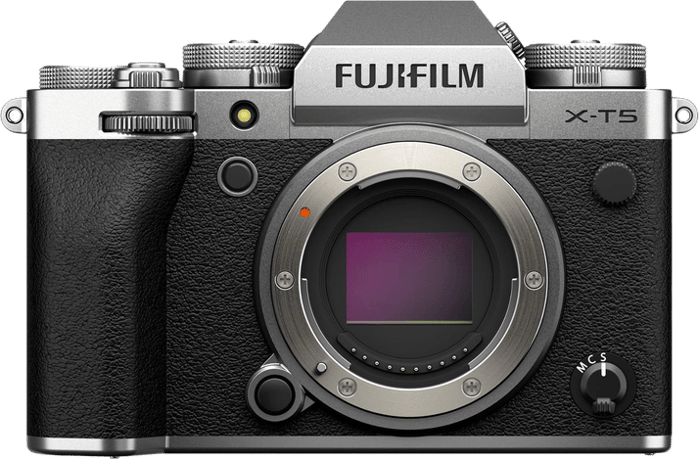
If you want a high-resolution camera for pet photography, the X-T5 is an excellent option. Its incredible 40 MP APS-C sensor can capture mind-blowing images of people’s beloved pets. The camera is also ideal for producing images to print or enlarge.
You also have a pixel-shift mode if the 40 MP resolution isn’t enough. This Fujifilm camera can produce images with a staggering 160 MP resolution. It creates a composite image using several exposures. That’s overkill for most pet photographers, but it’s handy if you need more power.
A sophisticated AF system quickly detects and tracks subjects. It also has an eye-detection mode for humans and animals. Thus, you’ll have no problem snapping portraits of pets or their owners.
The camera’s video specs are also impressive. It can record stunning 6.2K videos at a 30 fps frame rate. It’s perfect for capturing animals at play for high-quality video content.
Extra features include the vari-angle touchscreen and the on-camera controls. Inside the camera, you have Fujifilm’s unique film simulation modes. These in-camera effects give your images a cool retro look without the hassle of shooting film.
While the Fujifilm X-T5 is overkill for hobbyist pet photographers, it’s ideal for creating high-quality pet media. Whether you want to print or enlarge the photos or publish them, the X-T5 gives you what you need. It’s also a top choice for pet video media.
5. OM System OM-5 Mark II
| Released |
Released
2025
|
| Sensor Format |
Sensor Format
Micro Four Thirds
|
| Lens Mount |
Lens Mount
Micro 4/3
|
| Megapixels |
Megapixels
20.4 MP
|
| Autofocus Points |
Autofocus Points
121
|
| Maxiso |
Maxiso
ISO 25600
|
| Fps |
Fps
30 fps
|
| In Body Stabilisation |
In Body Stabilisation
Yes
|
| Video |
Video
Yes
|
| Other Key Features |
Other Key Features
USB-C charging, updated OM-1-style menu system, IP53 weather sealing, computational photography button
|
| Best For |
Best For
Pet photographers who want a compact, weather-sealed camera with easy USB-C charging in the field
|
If you want all the top features of a mirrorless camera but still want something small, the OM-5 Mark II is perfect. It refines OM System's original OM-5 with a deeper grip, USB-C charging, and the newer menu system borrowed from the OM-1 Mark II, all in the same compact, travel-friendly body. Its Micro Four Thirds (MFT) sensor keeps it lightweight and portable at just 370g.
The sensor itself is unchanged from the original OM-5: a 20.4 MP Live MOS chip with the same solid image quality, plus a 50 MP high-res handheld mode and an 80 MP tripod mode for extra detail. The 121-point autofocus system covers face and eye detection, though it stops short of the animal-specific subject tracking newer rivals offer, so it's better for portrait-style pet shots than for a dog sprinting across a field.
Burst shooting hits 30 fps in Pro Capture mode, and 5-axis in-body stabilization gives you up to 7.5 stops of compensation with compatible lenses: enough to shoot handheld in low light without a gimbal. The body is IP53-rated (dust and splash resistant, freeze-proof to -10°C), so outdoor pet shoots in drizzle or dust are no problem. A dedicated Computational Photography button puts Live ND, Focus Stacking, and Starry Sky AF one press away.
Video tops out at 4K 30p with no 10-bit or log profile, a real step behind the Fujifilm and Sony bodies on this list, so skip it if pet video is your priority. And because the sensor and core specs carry over from the original OM-5, this Mark II is a hard sell if you already own one; the upgrade is about ergonomics and USB-C charging, not image quality.
It's not the pick if you want the shallowest depth of field or the cleanest low-light files: the smaller MFT sensor can't match the full-frame Z5 II or the APS-C X-T5 there. Choose the OM-5 Mark II for its size and weather sealing, not for ultimate image quality.
The OM System OM-5 Mark II is a convenient yet creative camera. It allows you to shoot anything from cat portraits to cinema-style videos of your dog out for a walk, and there's a wide variety of MFT lenses to pair it with.
6. Canon EOS R7
| Released |
Released
2022
|
| Sensor Format |
Sensor Format
APS-C
|
| Lens Mount |
Lens Mount
Canon RF
|
| Megapixels |
Megapixels
33 MP
|
| Autofocus Points |
Autofocus Points
651
|
| Maxiso |
Maxiso
ISO 32000
|
| Fps |
Fps
15 fps
|
| In Body Stabilisation |
In Body Stabilisation
Yes
|
| Video |
Video
Yes
|
| Other Key Features |
Other Key Features
Eye-detection AF, quick-control dial and multi-controller, vari-angle touchscreen, dual card slots
|
| Best For |
Best For
Up-and-coming and professional pet photographers
|
The EOS R7 is an incredible camera and the best option if you’re considering pet photography as a career. With its performance and price, it’s out of reach for most amateur pet photographers. But it’s ideal if you’re investing in your new pet photography business.
With a powerful 32.5 MP APS-C sensor, you get dynamite picture quality. Details are sharp, while colors are rich, vibrant, and true to life. You also get a wide dynamic range and brilliant low-noise performance when shooting in low light.
A 651-zone autofocus system gives you accurate focus with moving subjects. That’s helpful for when those pets won’t sit still. It also has a specialist eye-detection mode for animals, accurately detecting and tracking your pets.
Like most pro cameras, the R7 has excellent video features. There’s even a 60 fps frame rate when recording in 4K. This gives you super-smooth footage that’s even better for fast-moving animals. And there’s no 30-minute time limit on video recording.
The built-in image stabilization is useful for both photography and video shooting. It allows for more exposure control in low light. And it lets you shoot sharp pictures or videos without a tripod or camera stabilizer.
Extra features like the custom control dial and rotating touchscreen make the Canon EOS R7 a highly usable camera. This high-tech machine doesn’t hinder lower-skill-level users. That makes it a great choice for up-and-coming professional pet photographers.
7. Olympus OM System Tough TG-7
| Released |
Released
2023
|
| Sensor Format |
Sensor Format
1/2.3"
|
| Lens Mount |
Lens Mount
None
|
| Megapixels |
Megapixels
12 MP
|
| Autofocus Points |
Autofocus Points
25
|
| Maxiso |
Maxiso
ISO 12800
|
| Fps |
Fps
20 (sequential) / 10 (ProCapture)
|
| In Body Stabilisation |
In Body Stabilisation
Yes
|
| Video |
Video
Yes
|
| Other Key Features |
Other Key Features
Macro-shooting modes, 4x zoom, 120 fps slow-mo video, waterproof
|
| Best For |
Best For
Pet photographers who want a durable, outdoor compact camera
|
The Olympus OM System Tough TG-7 is a rugged camera that can withstand all types of punishment. This compact camera won’t be what pro pet photographers are looking for. But it’s a great choice if you’re a pet lover who wants to capture shots of your pets having fun outdoors.
When I say the Tough TG-7 is rugged, I mean it. It’s completely waterproof, so rain or water splashes are no issue. And it’s also dustproof, freezeproof, and shockproof.
The camera is also well-equipped on the inside. A 12 MP resolution isn’t outstanding, considering the power of the latest smartphones. But the picture quality is still excellent.
You also have a 4x zoom, solid low-light performance, and built-in macro shooting modes. The macro modes are perfect for snapping smaller pets like hamsters or insects.
Pet vloggers will appreciate the video features. The camera records in 4K resolution at 30 fps. And there’s a 120 fps recording speed for 4K slow-motion videos. The TG-7 also has a vertical video mode for social media-optimized content.
Whether you’re taking the dog on a country walk or going horse riding, the Tough TG-7 is the perfect choice. It’s a robust camera that fits in your pocket. And you can use the special shooting modes to take unforgettable pet photos while enjoying the great outdoors.
Best Camera Gear and Accessories for Pet Photography
After you find the best camera for pet photography, you need some extra accessories to complete your kit. We look at the best lenses so you can bring your gorgeous pets into sharp focus. And we look at other pieces of gear that make a pet photographer’s life easier.
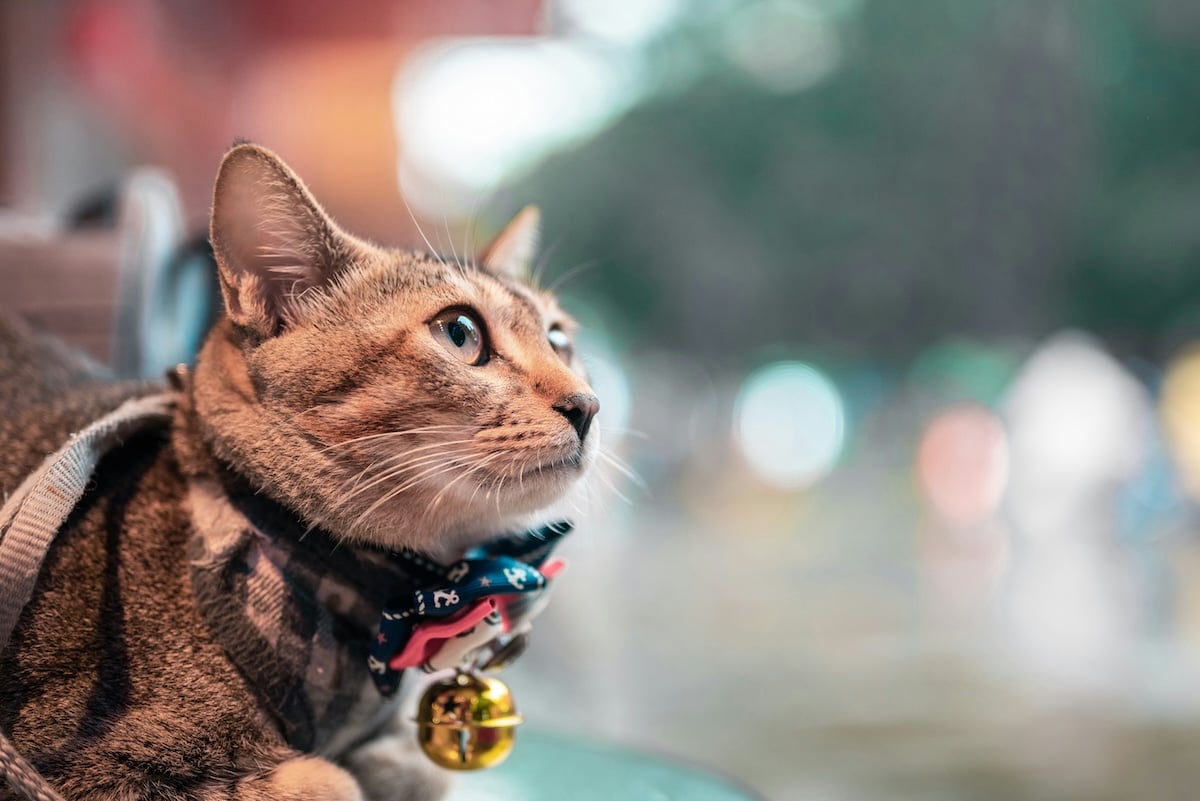
Shot with a Nikon Z5. 50mm, f/1.8, 1/125 s, ISO 400. Max Leung (Unsplash)
Best Lenses for Pet Photography
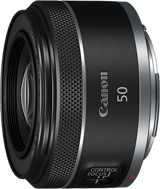
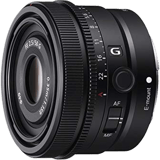
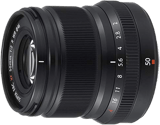
A 50mm prime lens is a great place to start with pet photography lenses. You can pick one up for a reasonable price. They have excellent picture quality thanks to being a prime lens. And they often have wide maximum apertures.
A wide or “fast” max aperture is a useful feature for pet photography. It helps with low-light performance and lets you use a shallow depth of field. This is where the foreground and background are blurred while your subject is in focus.
Here are some of the best 50mm prime lenses for pet photography.
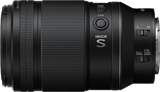
Telephoto prime lenses are great for portrait-style pet photography. They make it easy to capture cute close-ups of your pets’ faces. You lose a bit of versatility because they’re prime lenses. But you get better optical quality and often a faster max aperture.
Any focal length between 70mm and 135mm is great for portraits and pet portraits. The larger the focal length measurement, the higher the magnification and the tighter the crop. A smaller focal length gives you a wider angle of view.
These are our favorite telephoto prime lenses for pet photography.
Best Telephoto Primes for Pet Photography
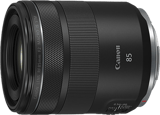
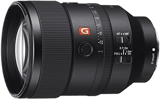
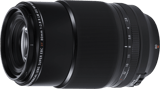
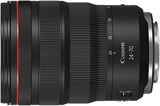
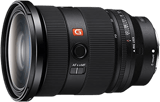
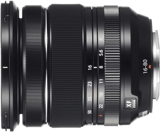
You can also buy a zoom lens for added versatility. Zoom lenses are more prone to imperfections than primes. But that’s often minimal with good-quality lenses. Being able to zoom in and out considerably increases shot versatility.
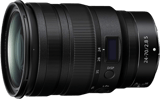
Something like a 24-70mm lens is perfect for pet photography. You can get a wide variety of shots with this type of lens. You can shoot wider shots or group pictures with the 24mm end. Or you can zoom in for tighter portraits with the 70mm side.
Here are the best zoom lenses for pet photography.
Best Zoom Lenses for Pet Photography
Best Tripod for Pet Photography
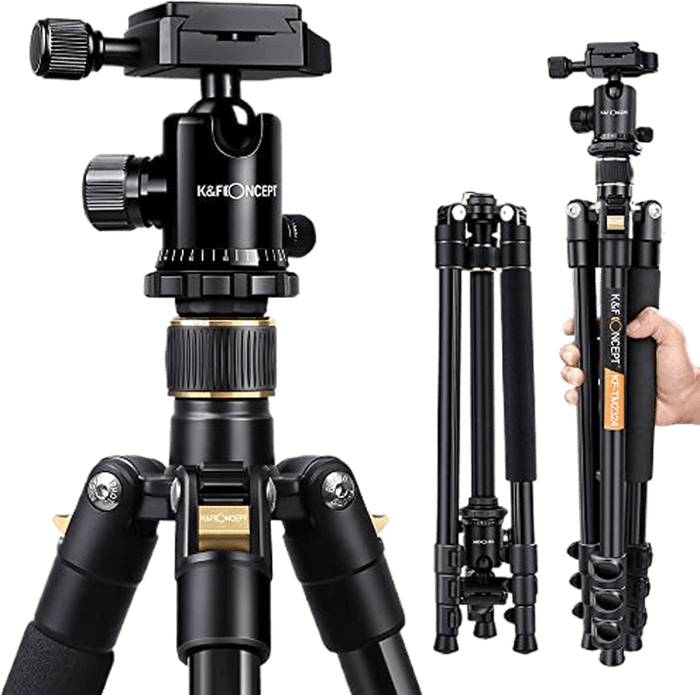
Using a tripod is a good idea if you want to take portrait-style pet photos. It provides more stability, freeing your hands. It also lets you more effectively control your camera settings.
A tripod lets you use slower shutter speeds without risking blurry images. You can also use timers and shutter remotes. You don’t want to slow the shutter down too much when taking pictures of pets. But the extra freedom is handy.
Make sure the tripod can support the combined weight of your camera and lens. A ball head is the best tripod head for pet photography. It is strong and stable and allows a healthy range of movement.
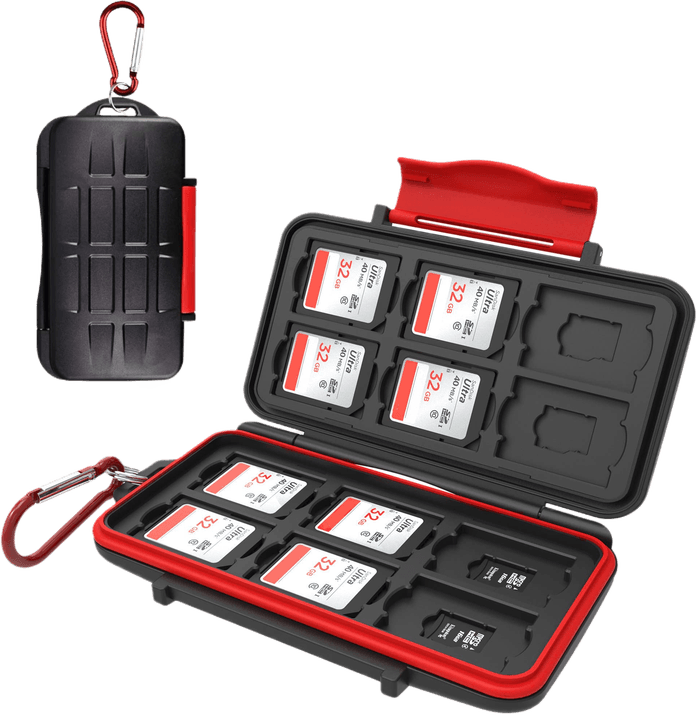
Extra SD Cards and an SD Card Case
Shooting pet photographs can be so much fun, and quickly filling up a memory card is easy. That’s why you always need extra SD cards during a photoshoot.
The problem is that SD cards are small, easy to lose, and break. But with a reliable SD card case, you can carry as many memory cards as you need safely and securely.
Extra Batteries or a Portable Charger for Cameras
There’s nothing worse than your camera running out of battery power during a photoshoot. And if you’re shooting outside, that can be a real problem. Be sure to pack extra camera batteries.
A portable power bank might also be the perfect solution to this problem. If your camera is USB chargeable, like the OM System OM-5 Mark II, you can charge it anytime and any place. That means your pet photography photoshoot never needs to stop prematurely. Look for one with at least 10,000 mAh of capacity, so it can fully recharge your camera and phone before it needs topping up itself.
Extra Accessories for Pet Photography
Now, we look at non-photography accessories photographers can use when taking pictures of animals.
Animal Toys and Treats
Toys and treats are must-haves for adorable facial expressions and happy ears! It may surprise you how many pet owners forget these essentials when they rush out to meet you for a photoshoot.
It’s always better to have some for those situations. I like squeaky toys or a toy that rustles. Be sure to ask the pet owner if their best friend has any food allergies before offering treats.
Different Kinds of Tape
The golden rule is that something will likely break during a pet photography photoshoot. A great way to fix things on the spot is with really good tape! I always keep tape in my car so I’m prepared.
Sometimes, you need to hang something up on a wall or attach an object to another object. For flat surfaces, tape is your best friend. I prefer to carry a mix of masking and packing tape for whatever needs arise.
Metal Clamps
Metal clamps are just as important! They’re helpful for surfaces you can’t tape and for hanging fabric as backdrops. Just throw a bag of these into the trunk of your car, and you’re set.
Towels and Cleaning Products
Pet photography photoshoots can get messy. Even the best pets can have an accident. And it’s not just toilet troubles you have to worry about. You’ll be wiping up drool, fur, feathers, and anything else a pet can shed.
Paper towels are always useful. Keep proper towels and cleaning clothes close by. You never know when you’ll need them. And when you do, you have to act fast.
Pet-safe disinfectant sprays are essential. You’ll have to clean up as you go. Plus, your shooting space needs a thorough cleaning after every shoot. That’s not just for the sake of hygiene, which is important. But the smell of other animals might make some pets act out of character.
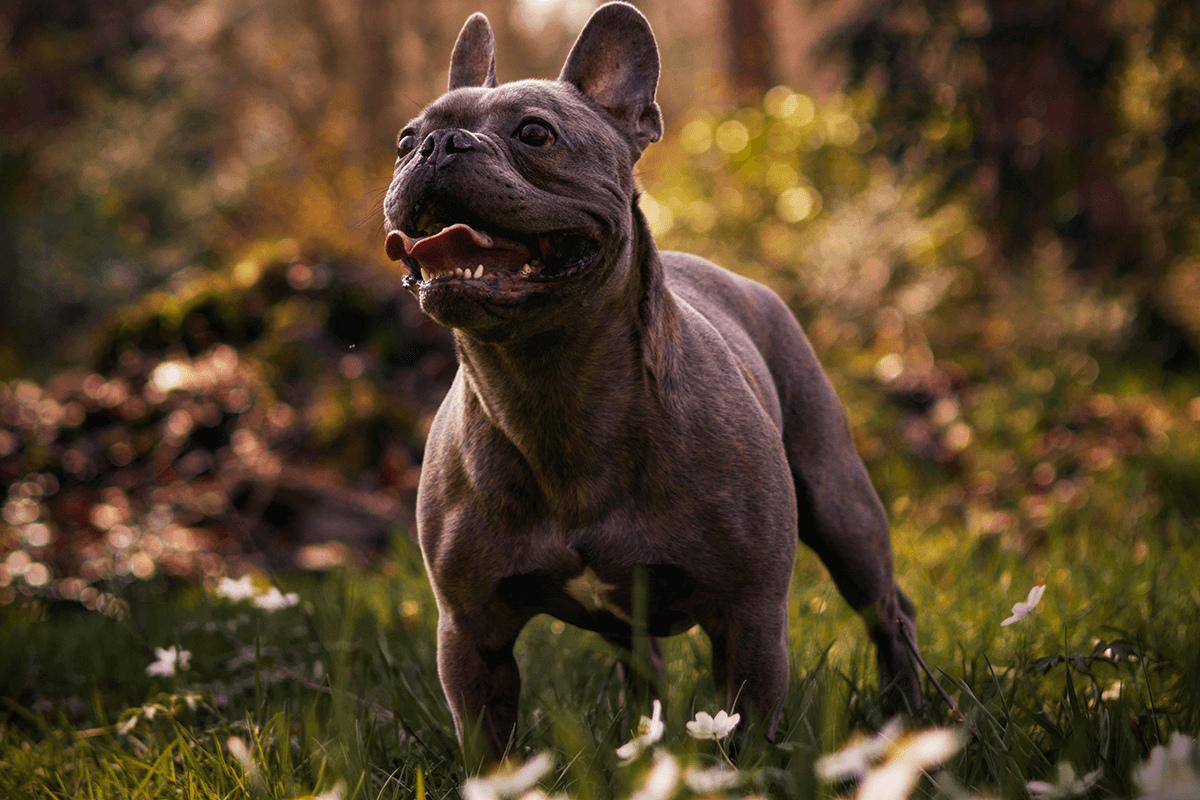
Shot with a Canon EOS R10. 50mm, f/2.2, 1/1000 s, ISO 400. Photo by Caitlyn Vermeij (Unsplash)
Frequently Asked Questions
What is the best camera for pet photography?
The Nikon Z5 II is our top pick. Its AI-powered autofocus recognizes nine subject types, including animals, so it locks onto a pet’s eye more reliably than older systems. It also borrows autofocus and stabilization technology from Nikon’s professional Z8 and Z9 bodies, at an entry-level price.
Do I need a full-frame camera for pet photography?
No. A full-frame sensor like the Z5 II’s gives you better low-light performance and a shallower depth of field, but APS-C cameras like the Canon EOS R10 and Sony a6700, and Micro Four Thirds bodies like the OM System OM-5 Mark II, all produce excellent pet photos, especially outdoors in good light.
What camera features matter most for pet photography?
Animal-eye autofocus tracking matters more than resolution. A fast burst rate helps freeze motion when pets are playing or running, and in-body image stabilization helps with handheld shots indoors. If you shoot video content too, look for at least 4K recording with reliable autofocus tracking in video mode.
What lens should I pair with my pet photography camera?
A 50mm prime is a good starting point for portrait-style shots. If you want to capture pets from a distance without spooking them, a telephoto prime in the 70-135mm range or a 24-70mm zoom gives you more flexibility.
Conclusion: The Best Camera for Pet Photography
Whichever camera you pick, animal-eye autofocus and a burst mode that can keep up with a moving pet matter more than raw resolution. Match the camera to how you’ll actually use it: the factors and the picks above cover beginners, video creators, working professionals, and outdoor shooters.
And it’s not just the camera. As we’ve seen, there are plenty of pet photography accessories you can invest in to improve your results. A good pet-photography lens is just as important as the camera. But you also have optional pieces like tripods.
The Nikon Z5 II is our choice as the best camera for pet photography. Having looked at the specs and features, it’s easy to see why it’s our top choice. It’s a full-frame mirrorless that delivers pro-grade animal autofocus, and it’s a bargain for a camera at that level. Check current pricing before you buy, since Amazon and B&H prices on these bodies move often.