Our article looks at the best magazines looking for photo submissions. When submitting work, ensure that the publication suits your style of photography. Thankfully, our article includes a wide range of magazines- and they’re all looking for photo submissions!
You might think you must be a seasoned professional with a big reputation to have your work featured in a magazine. But many magazines accept submissions from up-and-comers and readers. You might not make the cover, but you can get your photos published.
Check out our easy Editing With Lightroom course to make your photos look amazing. We guide you through each step to create professional, magazine-worthy pictures.
Photo by Sarah Dorweiler (Unsplash)
12 Best Magazines Looking for Photo Submissions
We’ve included the best magazines looking for photo submissions. They are a mix of magazines covering a good selection of photography niches. It’s hard to get your work seen by others as a photographer. But this is an opportunity to get your work into a major publication.
The list runs free routes first. The first nine cost nothing to enter. Shots, Noice, and Dodho charge a fee, so treat those three as a spend rather than a submission. Three magazines pay you for published work: Outdoor Photography pays £50 per published Viewpoint, The Sun pays $200 to $500 an image, and Dwell’s photography rates start at $100 for web use.
Submitting your photography to a magazine is a great way to promote your work and gain exposure. Although your work is not guaranteed to be featured, even being rejected can help. At least you’ll know you need to improve your skills or refine your style.
It never hurts to submit your work to more than one publication, unless a magazine asks for exclusive, unpublished work. But always stay relevant to the themes and tone of the photography magazine. You have a better chance of being featured if you match their style and message.
1. Harper’s Magazine
Harper’s is the easiest big name on this list to approach. Its art department takes unsolicited work from photographers at any time and in any format. Digital files, prints, and full portfolios are all accepted, which is unusually open for a title that has been running since 1850.
Harper’s covers literature, politics, culture, finance, and the arts. As with any photojournalistic submission, your subject needs to speak to something the magazine is already arguing about. Reportage, essayistic documentary, and strong single images of public life all fit.
Submissions go to the Art Director at the New York office, or by email for digital files. Work for the Readings section has its own address. Include packaging and postage if you want prints back.
There is no submission fee and no deadline to hit. Volume is the problem. Harper’s cannot acknowledge every submission, so treat it as a long shot you can take repeatedly rather than a market you can plan around.
Go to Harper’s website for submission guidelines.
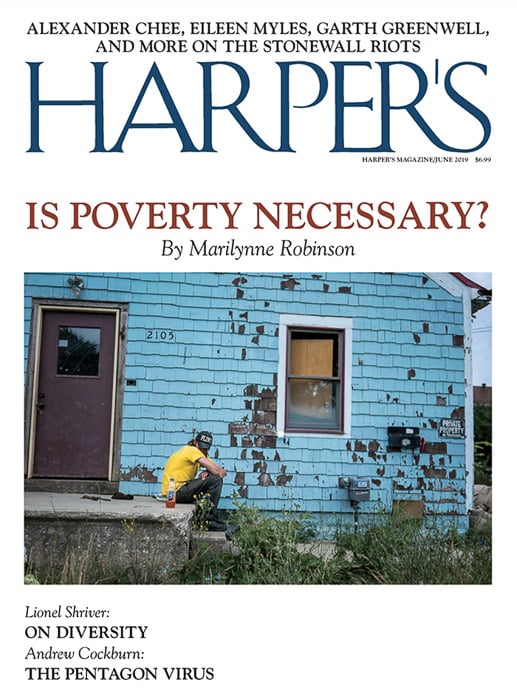
Magazine cover courtesy of Harper’s
2. Outdoor Photography
Outdoor Photography is a UK monthly from GMC Publications, and it is the most structured submission route here. It covers landscape, wildlife, nature, adventure, and travel. Fashion, weddings, field sports, and interiors are explicitly out of scope.
Submissions are digital and go through upload forms on the site, one form per section. Viewpoints wants your favorite UK and Irish locations and pays £50 for every viewpoint published, with an extra prize for Viewpoint of the Month. Portfolio takes up to 10 of your best outdoor images. One Thing This Month takes up to 5. There are also Lie of the Land, Moment with Nature, General Submissions, and Letters.
Files need to be JPG at quality 10 or above, 300ppi, RGB, up to 46cm on the longest side, with your full name at the start of every filename. The magazine only publishes images taken ethically, so no baited wildlife and no disturbed nests.
Weigh all that against the arithmetic. There are 12 issues a year and a large monthly submission pile behind them. Outdoor Photography says it cannot enter into individual correspondence, and no reply within 10 weeks on the quicker sections means no. It also does not pay for online content. If you do not shoot UK or Irish landscape, Viewpoints is closed to you and your odds drop sharply.
Go to Outdoor Photography’s website for submission guidelines. Check out our Wonderful Wildlife eBook for tips and tricks to submit your best animal shots.
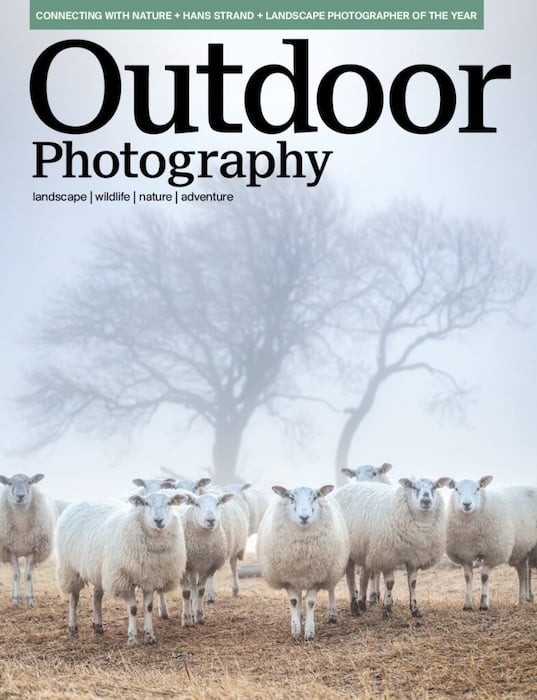
Magazine covers courtesy of Outdoor Photography
3. The Sun Magazine
The Sun is the best-paying market on this list and one of the few that treats photography as a headline act rather than decoration. It is an ad-free, reader-supported US monthly running since 1974, with roughly 60,000 print subscribers.
It publishes black-and-white work only. The brief is human: intimate moments of connection, ordinary life looked at closely, and the occasional striking natural subject. Color files are not accepted, so convert your images to black and white before you send them.
Rates are published up front. Interior photos pay $200 each, cover photos $500, the A Thousand Words slot $200, and photo essays $200 and up depending on page length. Payment comes on publication by PayPal or direct deposit, and The Sun buys one-time print and online rights only, so the work stays yours.
Submit through Submittable, up to 30 images at a time, with each file under 2MB. You can submit as often as you like. You will need patience, though. Accepted images sit on file until an issue suits them, which can take a long time, and unsolicited email submissions are ignored outright.
Go to The Sun’s photography submission guidelines.
4. F-Stop Magazine
F-Stop publishes a wide range of photography genres across themed issues, and it is completely free to enter.
Each issue is built around one theme, announced with its own deadline and expected publication date. The themes are narrow enough to be worth reading before you shoot, so check the current call rather than sending a general portfolio. If the theme does not suit your archive, the honest move is to wait for the next one.
Submissions are digital, sent by email, with a limit of 12 images and one submission per person per issue. Files must be JPGs at 1200 pixels on the longest edge, around 500KB or smaller, with no borders or watermarks, named with your first and last name plus a number. Images that F-Stop has already published cannot be resubmitted.
The guidelines are long and the editors say plainly that they will not fix a badly prepared submission for you, so read the page end to end. There is no fee, but there is also no payment for images that run. Treat F-Stop as a credit and an audience rather than income.
Go to F-Stop Magazine’s website for submission guidelines.
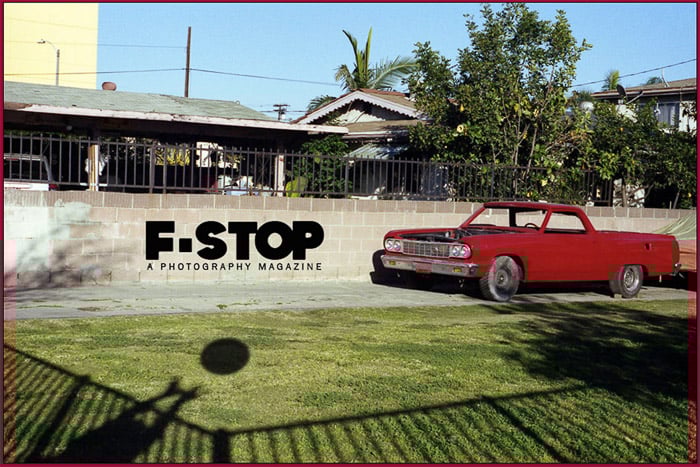
An advertisement courtesy of F-Stop
5. Black+White Photography
Black+White Photography Magazine is Outdoor Photography’s stablemate at GMC Publications, and it covers documentary, portraiture, still life, landscape, and street work in mono.
It gives you three separate ways in, all free and all handled as digital uploads through the site. Salon wants a well-edited set of 10 to 15 contemporary black-and-white pictures that tell a story about the world as you see it. Smartshots takes up to four smartphone images a month, with a Samsung 256GB microSD card as the prize. Last Frame takes up to four single images a month, and the winner gets it printed large by MPrint.
File requirements match Outdoor Photography’s: JPG at quality 10 or above, 300ppi, RGB, up to 46cm on the longest side, your full name starting every filename, and the pictures genuinely converted to mono. The editors point out that color submissions still arrive.
You keep full copyright throughout, and model releases are your responsibility. The drawback is silence. No reply within 10 weeks means no, and the magazine does not explain why work was left out, so you never learn what missed.
Go to the Black+White website for full submission guidelines. Check out our list of the best black-and-white film stocks if you shoot black-and-white images.
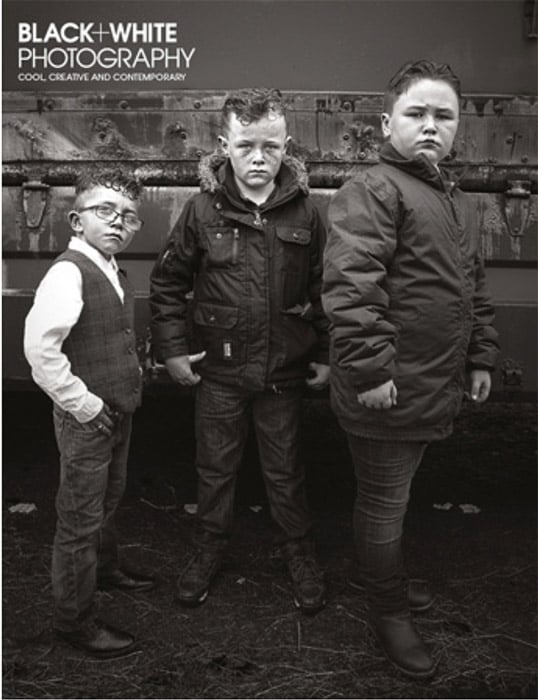
Magazine cover courtesy of Black+White Photography
6. Dwell Magazine
If you photograph beautiful homes, Dwell has several submission routes with various themes and examples. Since writing always accompanies photos, the editors ask you to submit a brief project description with your images.
That description should include anything interesting about the project and the team of designers and builders who worked on it. Dwell is relaxed about image quality at the pitch stage. It asks for overall shots that show a whole room, and says casual or phone photos are fine for a first look.
Pitches go by email to the editorial desk, with a separate address for real-estate features. There is also a faster route. Dwell lets you upload a project to share with its online community, and anything posted there is immediately considered for an Editor’s Pick feature.
Print runs on a long lead, so pitch magazine features at least four months ahead. Be realistic about scope too. Dwell wants finished, well-designed homes and interiors, so a beautiful architectural frame with no project story behind it will not get far.
Submission guidelines are on Dwell’s pitch, submit, and contact page. And check out our Picture Perfect Properties eBook that can help you take magazine-quality real-estate images.
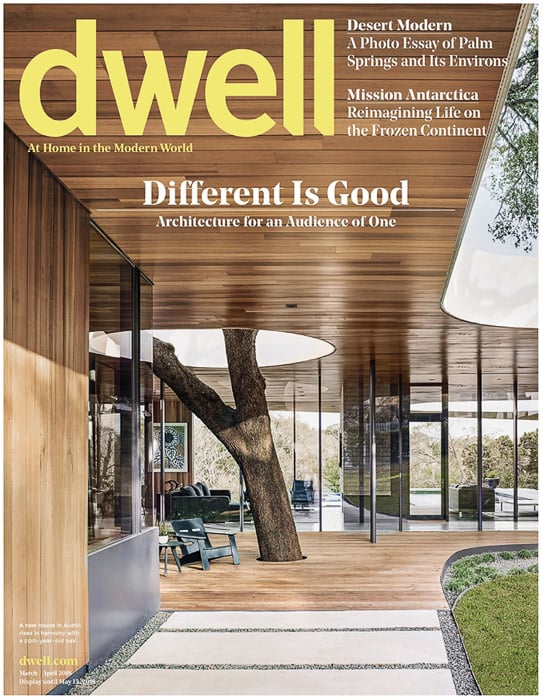
Magazine cover courtesy of Dwell
7. Drift Travel Magazine
If you’re a globe-trotting photographer with a bank full of exotic images, consider submitting your work to Drift Travel.
Every edition of Drift features stunning pictures from all over the world. And while we’ve become desensitized to certain types of travel photos from Instagram, Drift will reignite your passion for travel photography. It is still publishing on schedule, with quarterly volumes running through 2026.
Drift is now mainly an online publication, but every edition is still available in print. If your images get featured, you should request a printed version.
Submissions go through a form on the site: up to five photos, each no larger than 5MB, with no fee. That five-image cap is the real constraint, so send a tight edit rather than a survey of a whole trip. The magazine contacts only the photographers whose work it wants, so silence is a no.
Submit work to Drift Travel Magazine’s photo submission page on their website. Check out our Next Stop: Travel Photography eBook for ideas and inspiration.
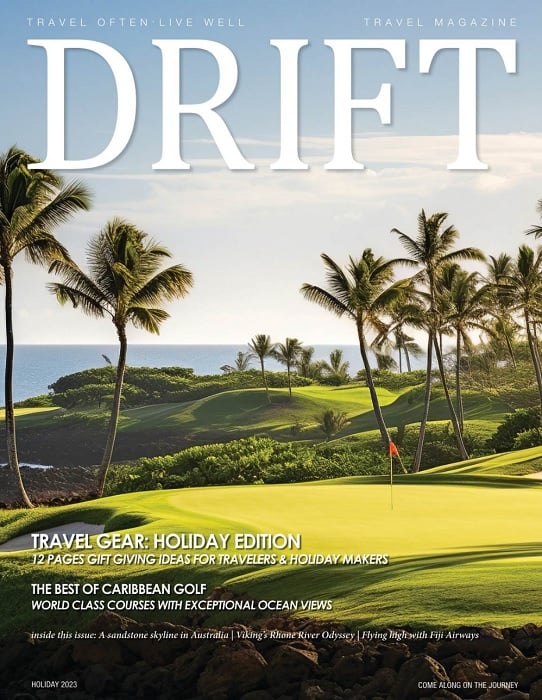
Magazine cover courtesy of Drift Travel Magazine
8. Local Wolves
For a magazine geared completely towards young creative spirits, Local Wolves delivers. The publication is “driven by the passion of storytelling for creative minds from diverse fields of work.” And it accepts a wide range of photography genres.
It is still going strong, with issue 75 published in summer 2026 alongside regular festival and music coverage on the site.
Photo submissions must be exclusive and unpublished, which includes social media platforms. There’s no fee to submit. You must have all the credit information for the project team, including social media handles, so everyone involved is credited properly.
Submissions are fully digital. Files are transferred via Dropbox, WeTransfer, or Google Drive. The exclusivity rule is the thing to watch. If you have already posted a set to Instagram it is out, so shoot with Local Wolves in mind rather than raiding your feed. You can view the full submission guidelines and submit photos on Local Wolves’s website.
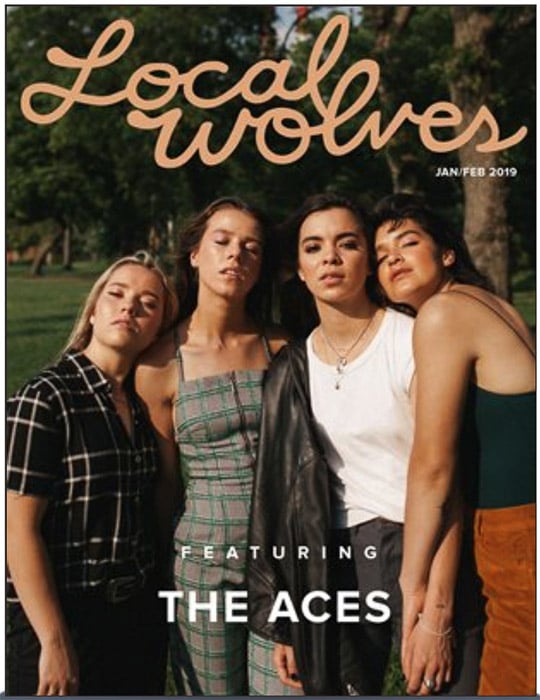
Magazine cover courtesy of Local Wolves
9. KALTBLUT Magazine
KALTBLUT is a Berlin independent covering fashion, art, music, and queer culture. It is the most reachable fashion route on this list, because the editors read submissions themselves rather than routing them through a portal.
It publishes online continuously and in themed print issues. The tone is art-school rather than commercial: styling that argues with itself, casting that a mainstream title would not run, and portraits with an idea behind them. Read a few recent stories before you send anything, because matching a publication’s style matters more here than technical polish.
Submissions are free and go by email straight to the editor-in-chief. Send the whole story as a small PDF, never one large image and never a single photo on its own. A fashion editorial needs at least four looks and ten pictures to be considered at all. Music and the other sections have their own editors, and the team will not forward a misdirected email.
KALTBLUT replies only when it wants the work, and it does not pay contributors. So this is a portfolio credit in a respected independent, not a commission. If you shoot commercial beauty or catalog-style fashion, it is the wrong door.
Go to KALTBLUT’s submission guidelines. For creative, fashionable portrait ideas, check out our Fairytale Portraits course.
10. Shots Magazine
Shots Mag is a print quarterly featuring a variety of fine-art photography from around the world. Submissions are online only. The magazine does not review work on websites and does not accept unsolicited emailed files.
Shots is entirely image-driven. There are no photography articles to educate the reader on technique or gear, so images must be powerful and speak for themselves. Each issue is themed, with the theme announced in the current issue and on the site, and the editors actively encourage a broad, unliteral reading of it.
All images must be converted to black and white. Color files are converted on receipt, so make sure yours still work in mono. Each submission covers up to eight photos. Subscribers send those eight free and can add another eight for $25. Non-subscribers pay $25 for their eight in the US and Canada, or $28 elsewhere.
Everyone who submits is mailed a copy of the issue they entered, selected or not, which softens the fee a great deal. There are no rejection letters at all, so you find out when the magazine arrives. If you plan to enter more than one issue a year, subscribing costs less than paying per entry.
You can view Shots Magazine’s submission guidelines on their website.
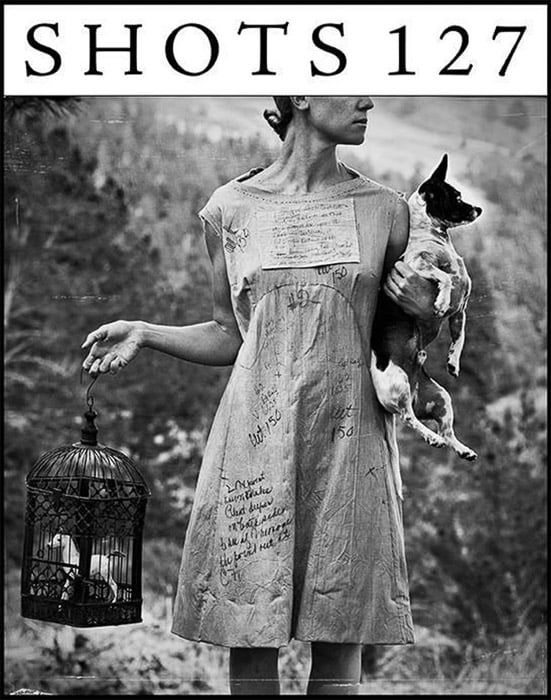
Magazin cover courtesy of Shots
11. Noice Magazine
Noice has been running since 2015 around a genre it calls minimal comic-play: minimalism, quiet humor, and close observation of ordinary moments. It is independent and carries no advertising.
Selected work is featured on the site and across social media, and occasionally in a limited print edition. Print is rare, though. Noice says a new publication appears roughly once every couple of years, issue N.001 has sold out, and there are no books for sale at the moment. Treat print as a bonus rather than the reason to enter.
Submitting is entirely online through a short form, and it costs money. A standard submission is $10 for up to 20 images, with a reply usually inside one to two weeks. A $50 portfolio review adds written feedback on your strongest images and moves you to the front of the queue. A membership at $24 a month or $200 a year removes the per-submission fee and allows one batch of up to 20 images a day.
Every applicant is told either way, which is rarer than it should be. But the fees are the whole business model, so nothing here is free, and $10 a go adds up if you submit often. There are no requirements around career stage, gear, or location.
You can read Noice Magazine’s submission guidelines on its website.
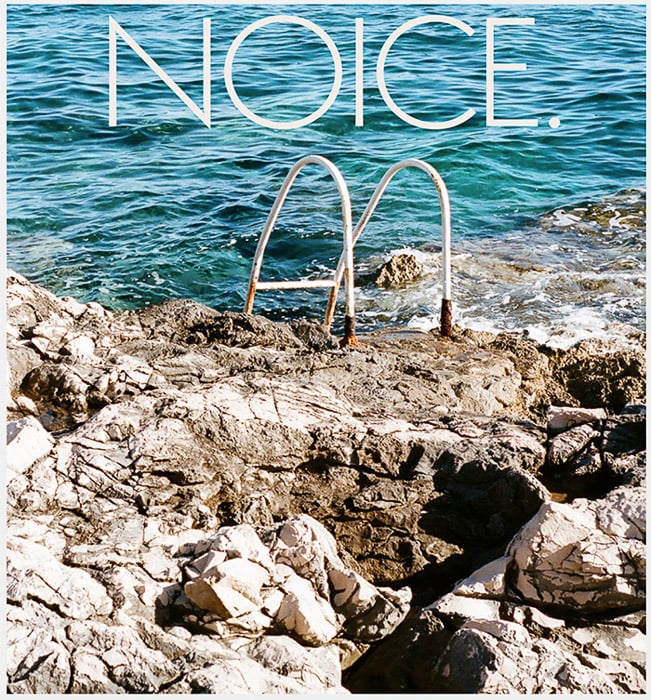
Magazine cover courtesy of Noice
12. Dodho Magazine
Dodho is a magazine made by photographers for photographers. Launched in April 2013, it quickly became one of the most visited photography sites, and it now runs an online archive built by thousands of contributors alongside a print edition.
The print edition is the part with an open call, and that call is paid. Dodho works in packs. A Magazine pack puts one, two, or three portfolios in front of the editors for €45, €75, or €90. A Cover pack submits three, six, or ten single images for cover consideration at the same three prices. Payment is the last step of the submission form, before any editorial decision is made.
What you get for the money is real. Dodho has produced 37 print editions in 11 years, and copies circulate through galleries, museums, and festivals rather than newsstands. Each call runs to a published schedule covering submission, selection, notification, and a fixed publication date, so you know exactly when you will hear back.
Be clear about what you are buying, though. You are paying for consideration, not for publication, and there is no free route into the print edition. Whether you are an emerging or professional photographer, weigh €45 against a portfolio review or an exhibition entry before you spend it.
Go to Dodho’s website for submission guidelines.

Magazine cover courtesy of Dodho
Bonus Tip: Local Magazines
Local magazines are an excellent place to start if you want your work to reach more eyes. While many national and international magazines are becoming online-only, some local papers and mags are still available in print.
One problem with local publications is that they often lack content. That’s why they are often very happy to receive submissions from local constituents.
Like the other magazines we’ve featured, keep your work relevant. Local magazines don’t want photographs from other parts of the country. They want to see the best from the surrounding area.
Getting your work published in a local magazine or paper is fantastic for your confidence. It’s also a good way to build contacts. You’ll have an in with that publisher, and other businesses from the area will see your work. Plus, you’ll have something published to pad your portfolio.
Photo by Eirel Ezequiel Reyes Saviñon (Unsplash)
Frequently Asked Questions
Do photography magazines charge a fee to submit?
Some do, most don’t. Nine of the twelve magazines here are free to enter, including Harper’s, Outdoor Photography, The Sun, F-Stop, Black+White, Dwell, Drift Travel, Local Wolves, and KALTBLUT. Shots charges non-subscribers $25 per issue, Noice charges $10 per submission, and Dodho’s print call starts at €45. A fee isn’t automatically a red flag, but it should buy you something concrete, like the copy of the issue Shots mails to everyone who enters.
Which magazines actually pay for photographs?
Three on this list publish their rates. The Sun pays $200 for an interior photo, $500 for a cover, $200 for its A Thousand Words slot, and $200 and up for a photo essay, all on publication. Outdoor Photography pays £50 for every Viewpoint it publishes, with an extra prize for Viewpoint of the Month, though it doesn’t pay for online content. Dwell’s photography rates start at $100 for web use. The rest offer exposure, a credit, and in a couple of cases a printed copy.
How many photos should I send?
Fewer than you want to. The caps here run from four images a month for Black+White’s Smartshots to 30 at a time for The Sun, with most magazines sitting between five and twelve. Editors judge a submission by its weakest picture, so a tight edit of five strong frames beats twenty uneven ones. Where a magazine states a limit, going over it is the fastest way to be ignored.
Can I submit the same photos to more than one magazine?
Usually yes, and it’s worth doing. The exception is exclusivity. Local Wolves only takes work that has never been published anywhere, social media included, and F-Stop won’t reconsider images it has already run. Read each magazine’s terms before you send the same set twice, and don’t post a set online while it’s under consideration somewhere that demands exclusivity.
How long does it take to hear back?
Between one week and never. Noice replies in one to two weeks and tells you either way. The Sun aims for a month. Outdoor Photography and Black+White both use silence as a rejection, so no answer within 10 weeks means no. Shots sends no notifications at all, so you find out when your copy of the issue arrives.
Conclusion: Magazines Looking for Photo Submissions
We hope one of these magazines looking for photo submissions piques your interest. Having your work published greatly boosts your photography career. It builds confidence, validates your style and skill, and gives you something impressive for your portfolio.
Remember, only submit to publications relevant to you and your work. You’ll have plenty of competition no matter which magazine you submit work to. But you have zero hope if you don’t fit their theme.
Start with the free routes at the top of this list. Pick the two that match what you already shoot, read their guidelines end to end, and send a tight edit this month. If you work in black and white, try The Sun first, because it pays and it takes up to 30 images at a time. Keep a note of what you sent where, and mark the 10-week point in your calendar so you know when a magazine’s silence has turned into a no.
Be confident and submit your work to photography magazines. Even if your work is not published, you take a positive step in taking quality photos. You might also receive constructive feedback from the magazines.
Learn composition with our Intuitive Composition eBook to boost your chances of submission approval!