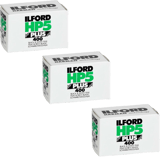
The best black and white film for most photographers is Ilford HP5 Plus. It is a 400-speed film that copes with bright streets, shaded portraits and dim rooms on the same roll. Ilford rates it up to EI 3200 with longer development, and you can buy it in 35mm, 120 film and sheet sizes. No other stock on this list covers as many situations.
Other films suit narrower needs. Slow films such as FP4 Plus and Pan F Plus give finer grain and more detail when you have plenty of light. Delta 3200 is for concerts and night work. XP2 Super is for photographers who want any photo lab to develop their black and white rolls. Kodak Tri-X, Delta 400 and the Foma and Rollei films each give a different look at a familiar speed.
The Best Black and White Film for 35mm and Medium Format
Start with the light you shoot in. A 400-speed film is the safe choice for handheld street, travel and indoor work. A 50 to 125-speed film rewards a tripod or bright sun with finer grain. Then check how you will develop it. Nine of these films need black and white chemistry, at home or at a lab that offers it. XP2 Super goes through the same C-41 process as color negative film. The Amazon Pack line on each review card shows what the buy button sells, because film listings range from one 24-exposure roll to multipacks.
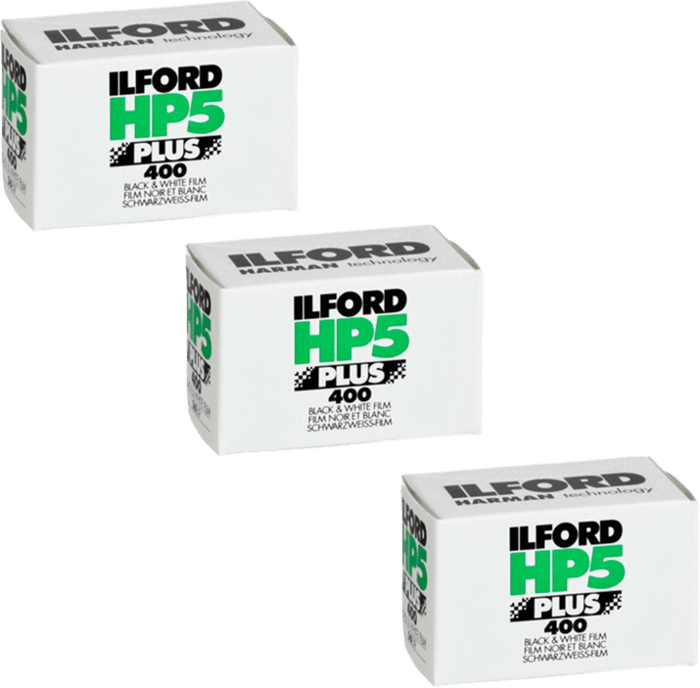
HP5 Plus earns the top spot because it forgives the mistakes that ruin film rolls. Its 400 speed gives you a usable shutter speed in shade and indoors. Overexposure in bright sun still leaves printable negatives. You can load a roll in the morning and finish it at an evening event without changing film.
Ilford rates HP5 Plus from EI 400 to EI 3200. Above box speed you give it longer development, so the whole roll must be shot at the same setting. That makes it a strong choice for low-light events and concerts when you know the light in advance. I shot the live band below on HP5 Plus with a Canon A1. At box speed, the grain is visible but even, and the contrast is moderate. That leaves room to add contrast when you scan or print.
HP5 Plus is also the easiest film here to buy in every format. The 35mm version comes in 24 and 36-exposure cassettes. HP5 Plus in 120 suits medium format cameras, and sheet film covers large format. Choose Kodak Tri-X if you want a more classic reportage character, or Delta 400 if you want finer grain at the same speed.
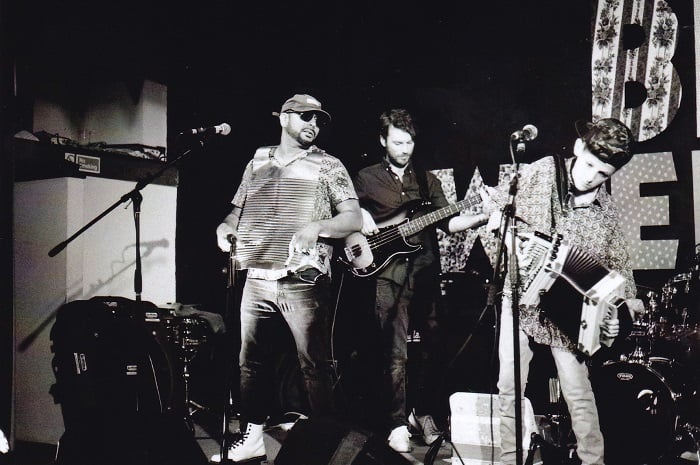
Ilford HP5 Plus film shot with a Canon A1. © Christopher Bryan-Smith
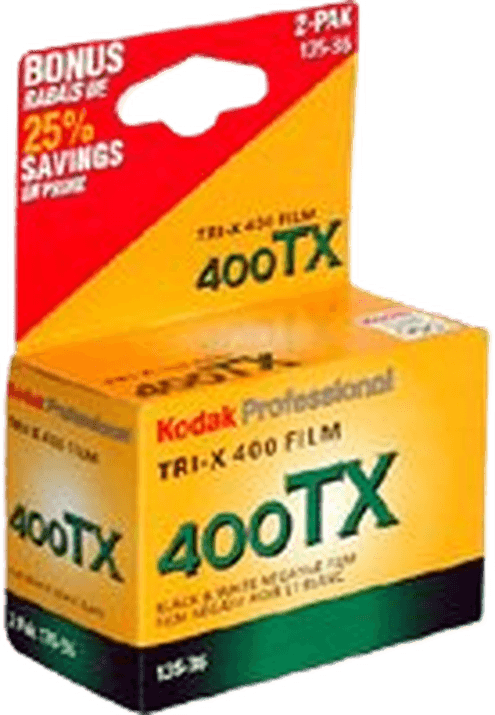
Kodak Tri-X 400 is HP5 Plus's closest rival. It has been in production since 1954 and is still a first choice for many photojournalists and street photographers. Both are traditional 400-speed films, but Tri-X has its own look. The midtones are punchy and the grain has a crisp, textured feel that many photographers buy it for.
Tri-X takes a push as well as HP5 Plus. Kodak publishes development times for EI 1600 and EI 3200, and says you can underexpose one stop with normal processing. That makes it a real low-light option before you reach for Delta 3200. See our guide to push and pull processing before you rate a roll above box speed.
The limits are format and character. Tri-X 400 comes in 35mm and 120 only, so large-format users need a different film. Kodak's sheet film is Tri-X 320, a separate product. The grain is also more noticeable than on Delta 400 or FP4 Plus. Pick Tri-X for the classic reportage look. Pick HP5 Plus if you want the same speed with more formats.
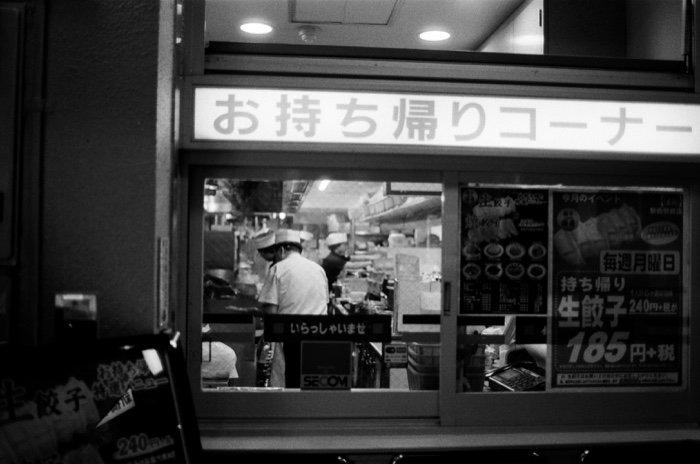
“Shinbashi, Tokyo,” shot on Kodak Tri-X 400 with a Nikon FM2. © Toomore Chiang; resized from the original under CC BY 2.0.
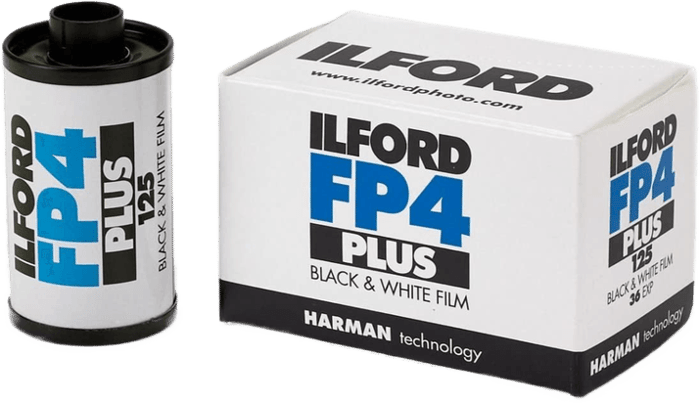
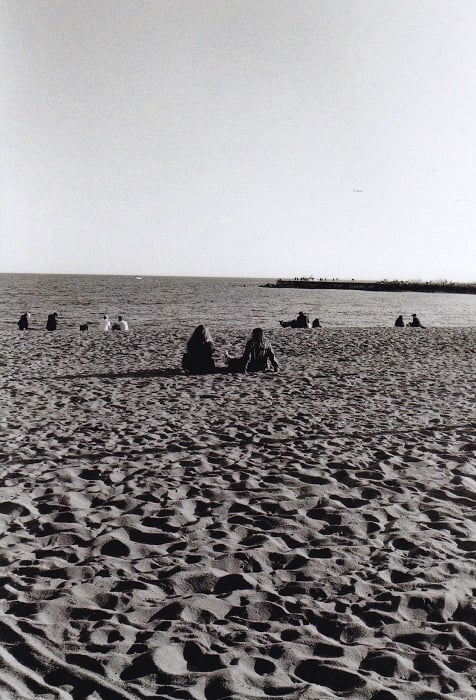
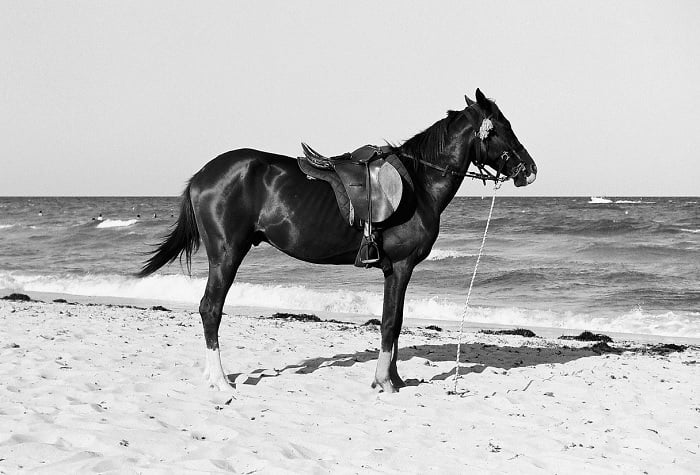
Ilford FP4 Plus is the film to choose when detail matters more than speed. Ilford describes its grain as exceptionally fine, and it holds up when you make large enlargements. It is a good fit for landscapes, portraits in good light and studio work. I shot the beach scene below on FP4 Plus with a Canon AE-1.
The odd 125 speed is less of a problem than it looks. Ilford rates FP4 Plus from EI 50 to EI 200, so you can set an older camera to 100 or 200 and still get good negatives. FP4 Plus also tolerates up to six stops of overexposure and two stops of underexposure, which helps when a meter or a scene catches you out.
The limit is light. Indoors or in late afternoon shade you will need a tripod or a wide aperture. Choose HP5 Plus for handheld work in mixed light. Choose Pan F Plus if you want even finer grain and can work with a slower film.
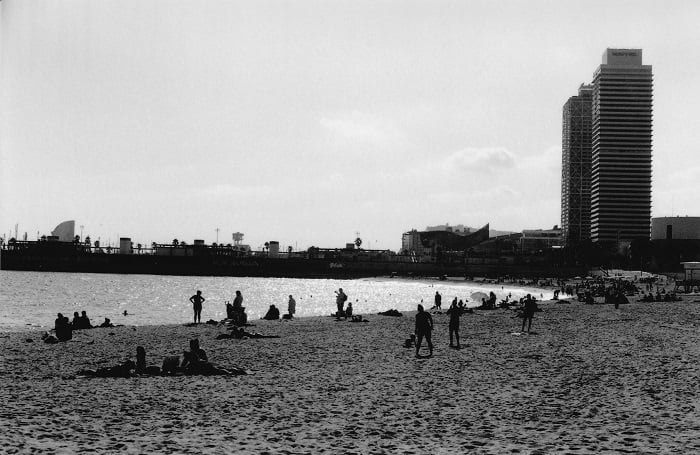
Ilford FP4 Plus film shot with a Canon AE-1. © Christopher Bryan-Smith
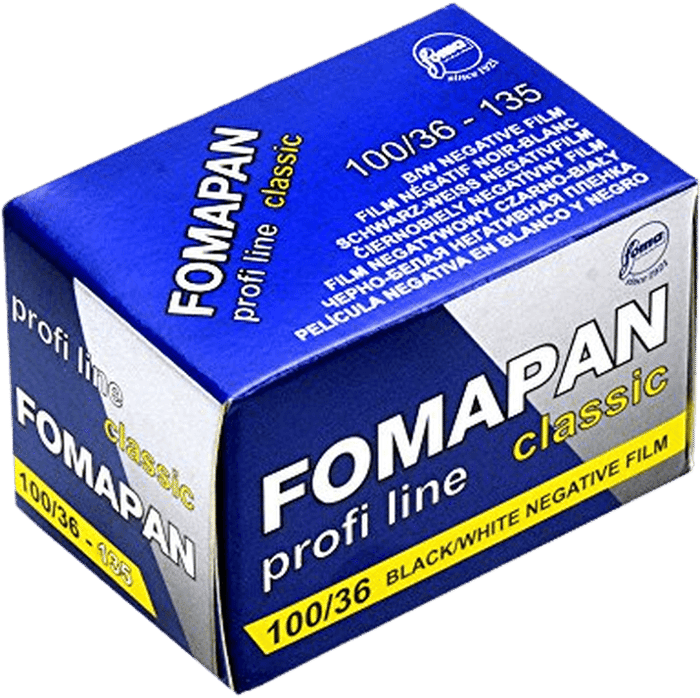
Fomapan 100 Classic is a traditional 100-speed film from the Czech maker Foma. Its low price made me expect an inferior film. When I tried it for the first time, the results changed my mind. It gives strong blacks without losing detail, and a wide range of grey tones in between.
Foma rates it at ISO 100 but says it gives good results from EI 50 to EI 400 with no change in development. That latitude makes it a forgiving film for learning exposure on a slow stock. It suits portraits, landscapes and fine art work in good light.
Format choice is a strength. Fomapan 100 comes in 35mm, 120 and sheet film, including 4 x 5, 5 x 7 and 8 x 10-inch sizes. The Amazon listing is a single 24-exposure roll imported by an overseas seller, so it suits a short test rather than stocking up. Choose FP4 Plus if you want finer grain in 36-exposure rolls.
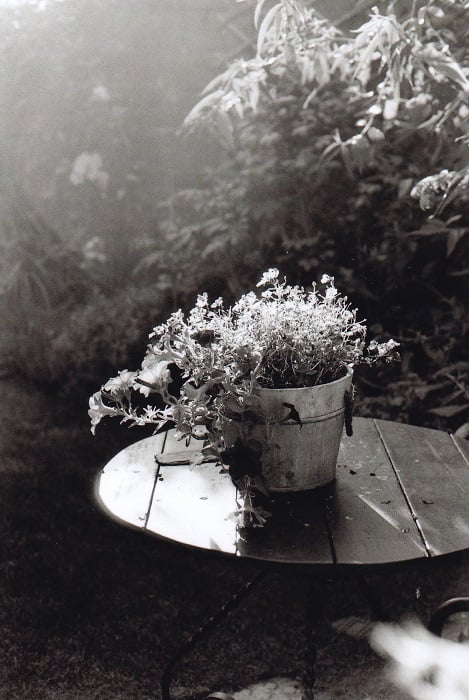
Fomapan 100 shot with the Canon A1. © Christopher Bryan-Smith
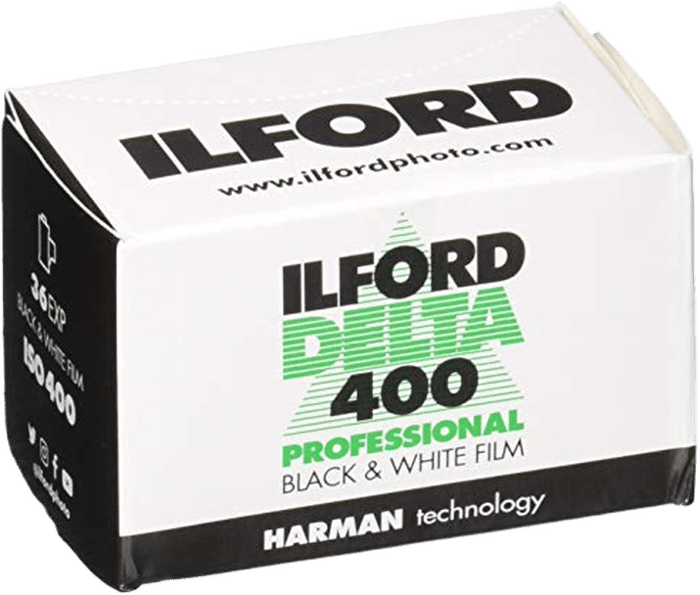
Ilford Delta 400 Professional is the fine-grain 400 film on this list. Ilford describes it as a fast, fine-grain professional film, and its grain is finer than HP5 Plus at the same speed. It is a good pick for travel, portraits and available-light work where you want 400 speed with a cleaner look.
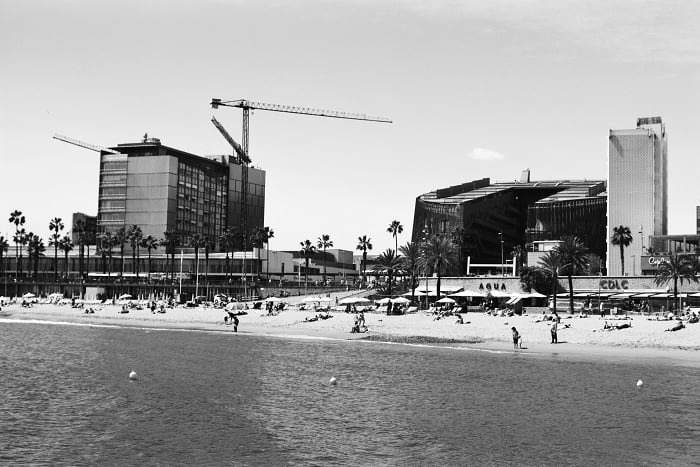
Ilford rates Delta 400 from EI 200 to EI 3200, so it pushes as far as HP5 Plus. Ilford publishes push times for common developers such as ILFOTEC DD-X and Microphen, so you can plan a pushed roll before you shoot it. Its smoother grain keeps fine texture in skin and skies, as in my dusk shot of Barceloneta Beach below. Street photographers who want grain as part of the look often prefer Tri-X or HP5 Plus instead.
The limit is format. Delta 400 comes in 35mm and 120, but not in sheet film. It also costs more per roll than HP5 Plus. Choose HP5 Plus if you shoot large format or want a more traditional grain.
Ilford Delta 400 shot with a Minolta Hi-Matic F. © Christopher Bryan-Smith
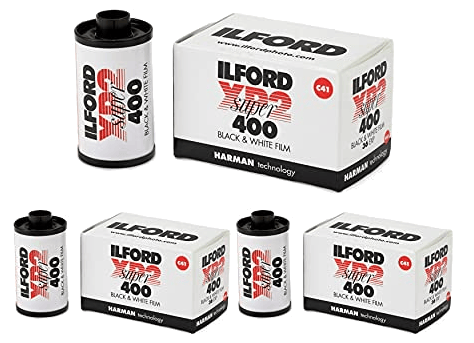
Ilford XP2 Super 400 is the black and white film for photographers without a darkroom. It is a chromogenic film, so the image is made of dye rather than silver. You develop it in C-41 chemistry, the same process as color negative film. Almost any lab that develops color film can process it.
XP2 Super also has the widest exposure range on this list. Ilford rates it from EI 50 to EI 800 on the same roll. Unlike traditional films, overexposed frames get finer grain, not coarser. That makes it forgiving in point-and-shoot and fully manual cameras alike. The negatives print on normal black and white paper and scan cleanly.
The drawback is control. Ilford does not recommend push processing, because longer development gives no real gain in speed. Its EI 800 limit is lower than HP5 Plus or Tri-X can reach, and you lose the hands-on side of developing black and white film yourself. Some labs also print it with a slight color cast unless you ask for black and white printing. Choose HP5 Plus if you develop at home, or XP2 Super if your lab only runs C-41.
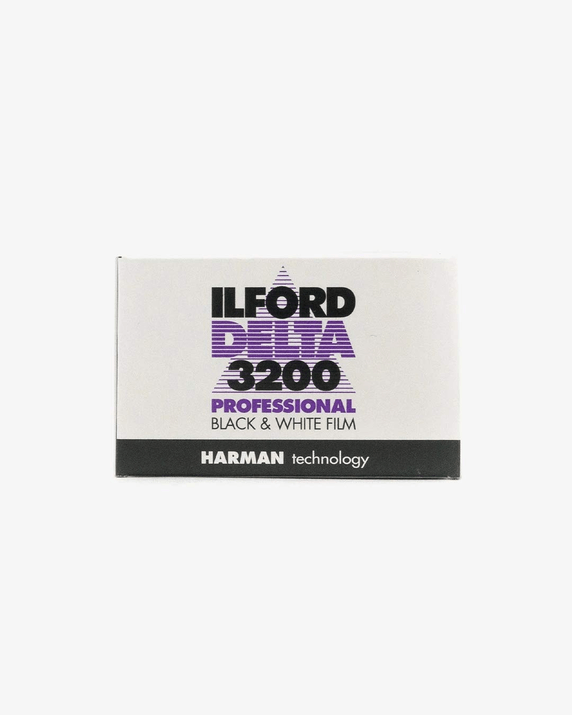
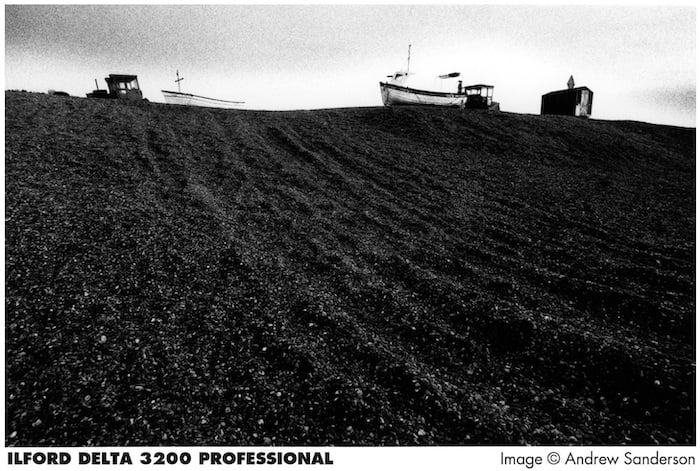
Ilford Delta 3200 Professional is the low-light specialist. Its true ISO speed is 1000, but Ilford designed it to be exposed at EI 3200 with extended development. The recommended range is EI 1600 to EI 6400. That lets you use fast shutter speeds at concerts, indoor sports and night street scenes where a 400 film would blur.
The grain is part of the look. It is visible even with correct exposure, which many photographers like for gritty night and music work. Detail is still good, and the tones stay rich when you expose for the shadows.
Delta 3200 is the wrong film for daylight. In bright sun, its speed forces very small apertures and fast shutter speeds. It also comes in 35mm and 120 only. If you shoot mostly in daylight with the odd indoor scene, HP5 Plus or Tri-X pushed one or two stops is the better choice.
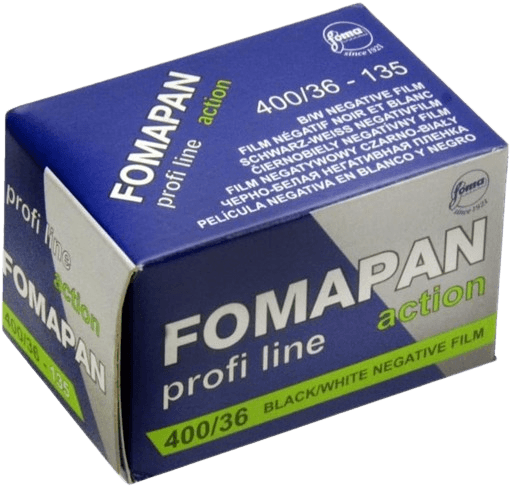
Fomapan 400 Action is the alternative 400-speed film for photographers who like Foma's look. It has good sharpness and low granularity for its speed. Foma rates it at ISO 400, but says it gives good results from EI 200 to EI 1600 with no change in development. That lets you shoot sun and shade on one roll and develop it as normal.
Contrast is strong in natural light, which suits graphic street scenes more than soft portraits. Read our guide to exposure if you are still learning how much light film needs.
Foma makes it in 35mm and 120 as well as sheet film. The sheet sizes are metric, such as 10 x 15 cm, so they do not fit standard 4 x 5-inch holders. The Amazon listing is a single 36-exposure roll from a US film dealer. Choose HP5 Plus if you want the safest 400 film, or Fomapan 400 if you prefer its higher contrast.
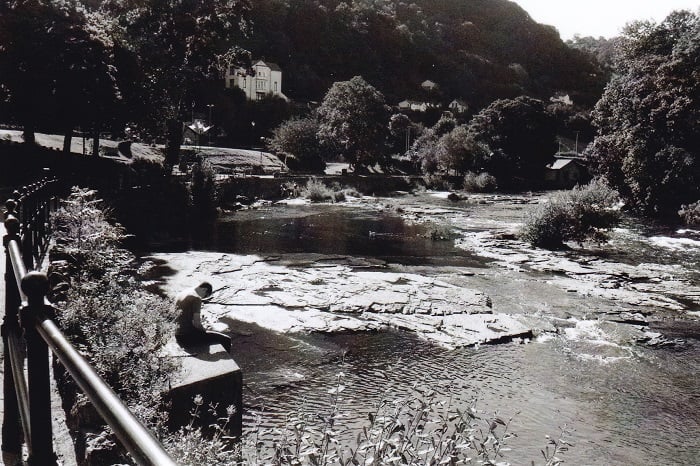
Fomapan 400 film shot with a Minolta Hi-Matic F. © Christopher Bryan-Smith
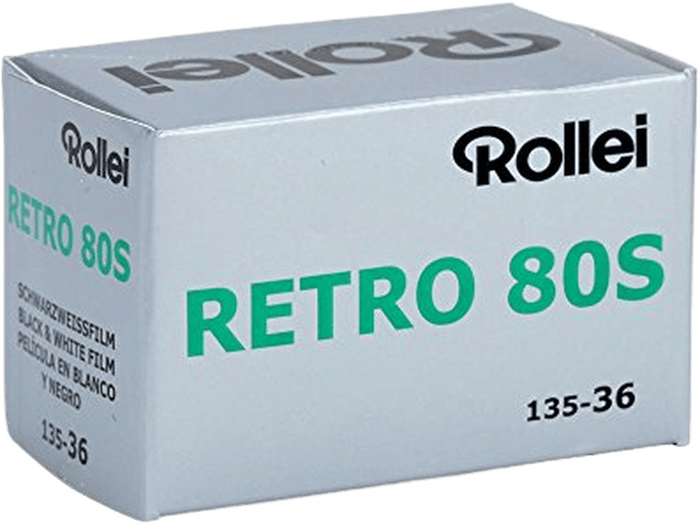
Rollei Retro 80s is a slow film for photographers who want dramatic skies and strong tonal separation. Rollei describes it as superpanchromatic. It is more sensitive to red light than standard films, which works well with red and orange filters on landscape shots.
The emulsion is fine-grained and coated on a clear polyester base. Rollei also markets it for reversal processing into black and white slides, which no other film here is sold for. It comes in 35mm and 120. It suits landscapes and architecture on a tripod more than handheld street work, because 80 speed leaves little room in shade.
The 80 speed needs care. Some older cameras offer ISO 100 but not 80. Set 80 if your camera allows it. If not, set 100 and add a third of a stop with exposure compensation, so the shadows keep their detail. Choose FP4 Plus if you want a more forgiving slow film with sheet sizes, or Pan F Plus for the finest grain.
Rollei Retro 80s shot with Fuji STX-2. © Christopher Bryan-Smith
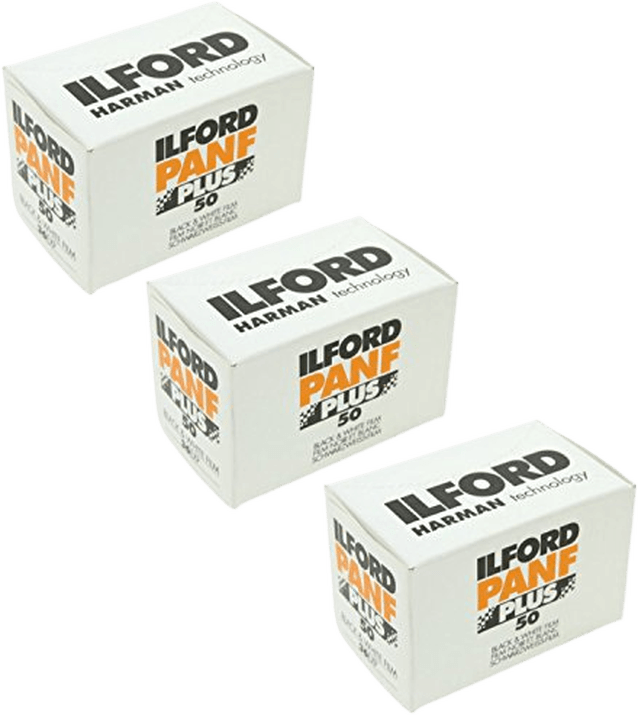
Ilford Pan F Plus 50 gives the most detail on this list. Ilford describes its grain as extremely fine, with outstanding resolution and sharpness. Ilford says careful exposure and processing can give mural-size enlargements full of tone and detail.
It is a specialist film. At ISO 50, you need bright sun, studio light or a tripod. Ilford rates it only from EI 25 to EI 50, so it has no push headroom. It also handles movement poorly, so it is the wrong choice for street and action work.
When you meet its needs, the results suit fine art landscapes, architecture and controlled portraits. It comes in 36-exposure 35mm cassettes and 120 rolls. Compared with Rollei Retro 80s, Pan F Plus has finer grain but a standard panchromatic response, so skies stay lighter unless you add a filter. Choose FP4 Plus if you want most of this detail with more speed and more latitude.
Ilford PANF 50 film. © Sirio174
How to Choose Black and White Film
The reviews above cover each film's look. These checks help you match a film to your camera, your light and the way you will develop it.
ISO, EI and Pushing
ISO is the speed the maker measures under standard conditions. EI is the speed you set on your camera. Most black and white films give good results at more than one EI, and the "EI Range" on each card shows what the maker supports. Some films, such as Fomapan 100 and Fomapan 400, cover their range with normal development. Others, such as HP5 Plus and Delta 400, need longer development above box speed. That means every frame on the roll must use the same EI. Our ISO guide explains how speed affects shutter speed and aperture.
Home Developing or a Lab
Traditional black and white films need black and white chemistry. You can develop them at home in a small tank, or send them to a lab that offers black and white processing. Many high-street labs only run C-41 color chemistry. If yours does, choose XP2 Super. Check this before you buy a bulk pack of a traditional film.
35mm, 120 or Sheet Film
Every film on this list comes in 35mm and 120. Only HP5 Plus, FP4 Plus and the two Foma films come in sheet film. Kodak's sheet film is Tri-X 320, not Tri-X 400. Foma's 400 sheets come in metric sizes, so check your holders before you order. Read our guide to medium format film for 120 choices.
Read the Listing Title Before You Buy
Amazon film listings vary more than most products. The same film can be sold as one roll, a 3-pack or a 10-pack. Some listings are 24 exposures, some are 36, and some are 120 rolls under a similar title. Read the title for the format, exposure count and pack size. Avoid listings that say expired or that come from sellers without a storage history. Film keeps longest in a fridge, and fast films like Delta 3200 lose quality sooner than slow ones.
Filters for Black and White Film
Colored filters change how tones record. A yellow filter darkens blue skies slightly. An orange or red filter darkens them more and lightens skin and foliage. Superpanchromatic films such as Rollei Retro 80s respond more strongly to red filters. See our black and white filter guide for filter factors and examples.
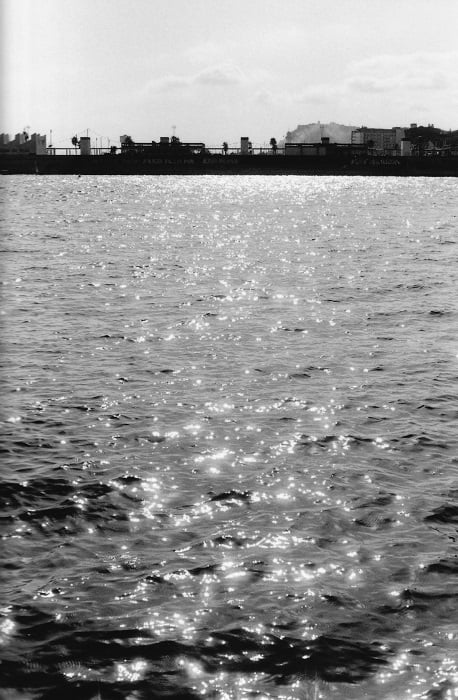
Ilford FP4 Plus shot with a Canon AE-1. © Christopher Bryan-Smith
FAQs for the Best Black and White Film
Why Shoot Black and White Film?
Black and white film makes you look for light, contrast, shapes and texture instead of color. That makes it a good way to train your eye. It is also the easiest film to develop at home, and the range of stocks is wider than in color. Our guide to shooting on black and white film has more ideas, and our film photography guide covers the basics.
Where Can I Share My Black and White Film Photos?
Instagram has an active film community. Hashtags such as #filmisnotdead and #35mmphotography help other film photographers find your work, and our photography hashtags guide has more. Lomography also runs an online community where you can share rolls and see what others shoot on each film.
First, you need to digitize your photos. A flatbed photo scanner works for prints and medium format. A dedicated film scanner gives better results from 35mm negatives.
Conclusion: The Best Black and White Film
Ilford HP5 Plus is the best black and white film for most photographers. It works in most light, pushes to EI 3200 and comes in every format. Choose Kodak Tri-X 400 if you want a more classic reportage grain at the same speed. Choose FP4 Plus for fine grain in good light, and XP2 Super if your lab only develops C-41 film.
Still deciding? Buy one roll of HP5 Plus and one roll of FP4 Plus. Shoot them in the same light on the same subjects. Comparing your own negatives teaches you more about the grain and contrast you like than any review can.