

Featured eBook:
Master powerful composition and capture stunning photos everyday!
Learn More

By using color in photography in a thoughtful and considered way can make your images even more powerful. Colorful images are already eye-catching, but having an understanding of color theory will elevate your images to new heights. This article is the perfect starting point if you want to learn more…
By Christopher Bryan-Smith
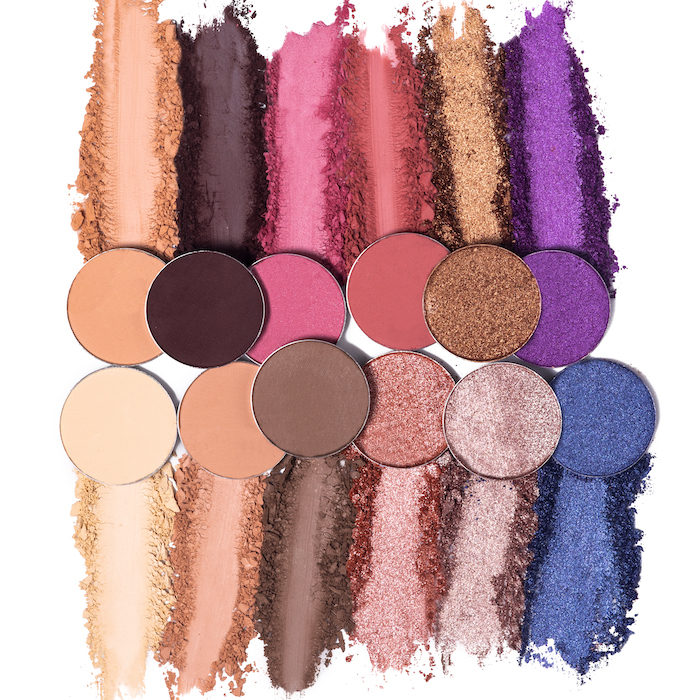
Flat lay photography is perhaps one of the most appealing subgenres of product photography. But doing it isn’t as simple as you think. If you’re struggling to create flat lay product photography photos, we’ll give you a few tips to help you achieve the perfect shot! 1. Flat Lay Product…
By Chad Verzosa

Photography takes the three-dimensional world and puts it onto a two-dimensional surface. Through this process, we can see shapes and forms in different ways. We create rhythms and patterns from the world around us. This article will explore six creative and fun tips for repetition in photography. It can be…
By N Constant

Patterns are everywhere. Learning to spot them is like a photographic superpower. Once you have mastered the ability to identify pattern in photography, you will be creating striking images with an added element of intrigue. You can add interest and intrigue to your photographs by looking at things from a…
By Hillary Grigonis

Value is how light or dark an area of a photograph appears. Learn to use tonal contrast, exposure, and black and white conversion to guide attention and show form.
By Jenn Mishra
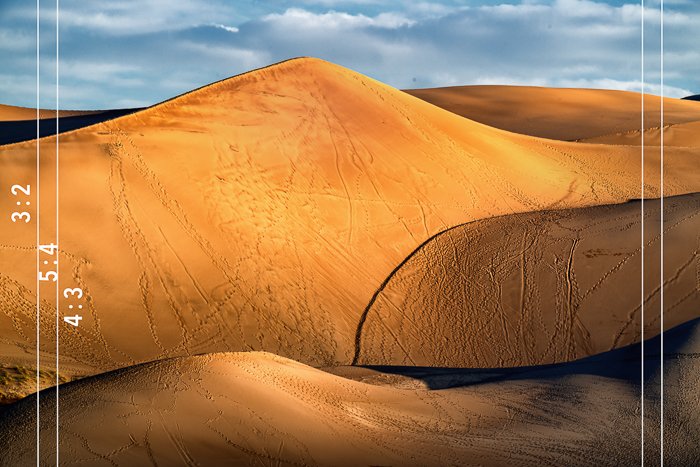
When it comes to landscape photography, you can choose from a few different aspect ratios to give your photos the best composition. But which one should you use? And how do you determine what that is? In this article, we’ll explore the different aspect ratios and how to choose the…
By Jenn Mishra

Lead room is one of the many compositional techniques that artists of all types use. It’s also known as “nose room,” “look room,” and “leading space.” The lead room principle in photography is a simple but essential part of compositional technique. It is used in portraiture, fashion, boudoir, event, and…
By Dora Jokkel

I’ve mentioned visual weight a few times now, but I’ve never actually gone into detail about what it actually is; it’s a lot more then just the size of an object in a scene. Visual weight is determined by the way that we look at the photo and what we see first and spend the most amount of time looking at. If you understand the visual weight of different objects in the scene, you can use your knowledge effectively to encourage the viewer to see the photo in a certain way.
By Joshua Dunlop
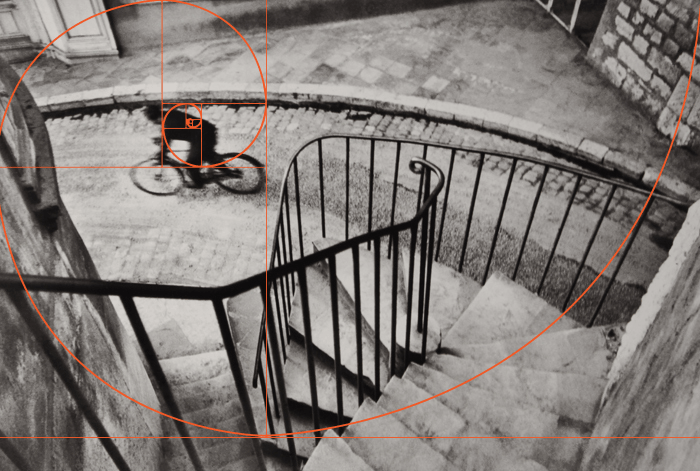
Henri Cartier Bresson was one of the most influential photographers of the 20th century. He is known for his unique style, which emphasized spontaneity and intuition over careful planning and composition. Here are six tips to help you capture photos with Henri Cartier-Bresson’s signature style. 6 Henri Cartier-Bresson Photography Style…
By Expert Photography

If you want to boost your photography, you must understand the seven elements of art and design. When used correctly, each one of these elements contributes to turning a dull photo into a work of art. In this article, we explore what each of these elements of art in photography…
By Expert Photography

The human eye is an incredible tool, capable of seeing a vast range of light from the brightest sun to the faintest star. Our eyes can also adjust to different levels of brightness, allowing us to see in both bright and dark environments. This ability to adjust is called dynamic…
By Expert Photography
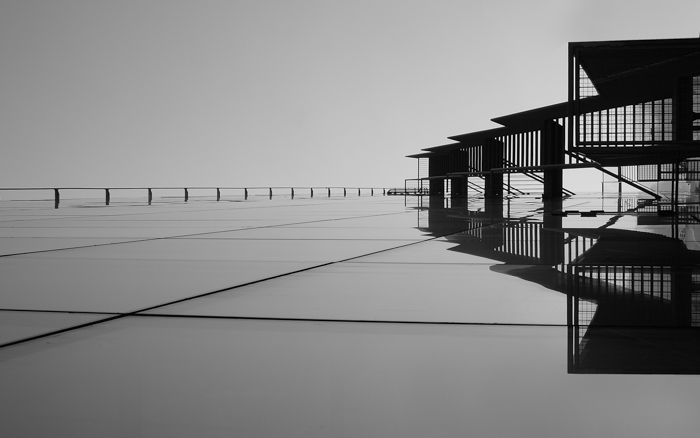
Leading lines direct the viewer’s attention to particular parts of an image. They are one of the most effective and underutilized compositional tools in photography. By determining the point of interest, leading lines create dynamic compositions. By using such compositional techniques, your pictures will be more interesting. This is why…
By Joshua Dunlop