

To find models for free, start with friends and friends of friends, approach local actors or dancers, or look for people who want a portfolio collaboration online. Offer something specific in return: a set of edited photos they can use, with a delivery date you can meet.
This exchange is often called TFP, short for time for prints or pictures. Both people contribute their time. “Free” means no model fee; travel, a studio or other shoot costs may still need a budget.
For portrait and fashion photographers, the starting point is a shoot that benefits both sides. Here's how to find someone, ask them and plan the session together.
1. Work With Amateur/Inexperienced Models
Someone building a modelling portfolio may be interested in exchanging time for photos. Being a beginner doesn't mean they work for free, though. Explain your idea and ask whether a collaboration would suit them.
If you're learning too, keep the first shoot simple. Choose one location, one lighting setup and a few poses. Show examples of the photos you want to make, and be honest about your experience.
Something I still struggle with is studying photos as I take them. I can transfer them onto a computer, look at them for a few minutes and know exactly what I need to do differently. But when you're in the moment, you are focusing on taking photos, changing the lighting, etc. It's hard to pay enough attention to the actual photo.
Build a pause into the session to check focus, shadows and the background. Show the model a few frames too, so you can adjust the pose together.
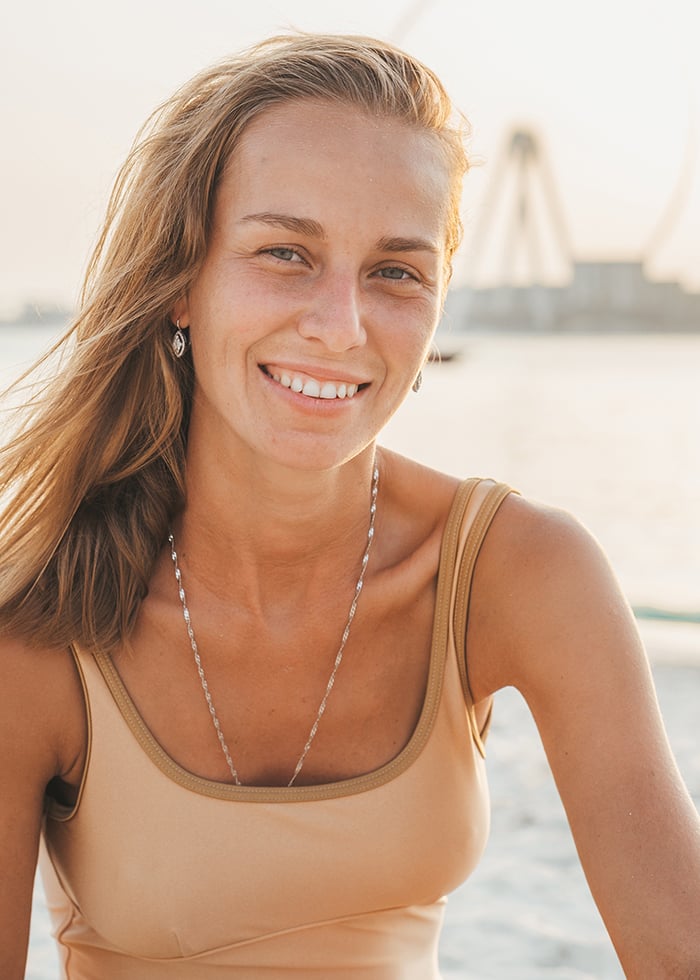
Photograph Friends
Ask a friend who wants some new portraits and feels comfortable with the idea. They don't need to look like a fashion model. Pick someone who is interested in the kind of photos you want to practise.
Make the invitation easy to answer: “Would you like to try a short portrait shoot at the park? I'll send you a few edited photos afterwards.” Agree on the length of the shoot and what you'll deliver before you set a date.
If they aren't interested, accept it. You want a willing participant, not someone who feels obliged to help.
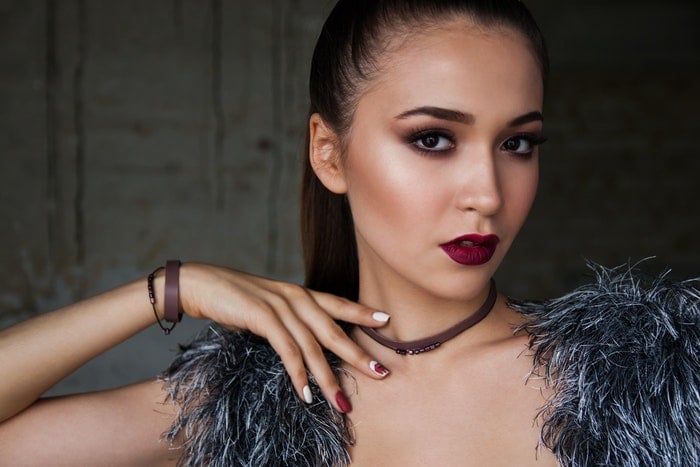
Search for a Friend of a Friend
This is where I find the majority of my models. Thinking about the friends of your friends increases the number of people you can ask.
I just approach them in a social setting or ask for an introduction. A mutual friend can introduce you, but your portfolio and shoot plan should explain the rest.
Ask your friend to pass on your invitation rather than handing over someone's contact details without permission. Include your location, the type of portraits and what the person will receive. If they decline or don't reply, move on.
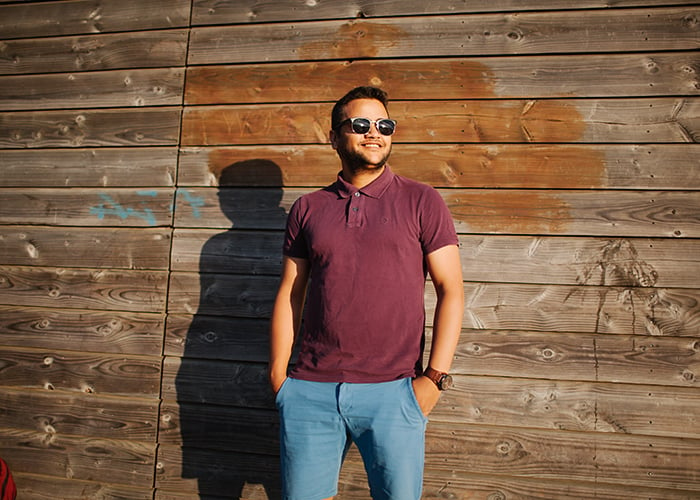
Look for Strangers
If you meet someone you'd like to photograph, briefly introduce yourself and ask whether they'd be interested. Explain the project without making personal comments about their body or appearance.
Carry business cards. Give them a way to see your work and contact you later, rather than asking them to decide on the spot. A card with your name, portfolio and contact details lets them consider the invitation in their own time.
Don't bluff about your experience or pressure someone for their phone number. Thank them and leave the choice with them.
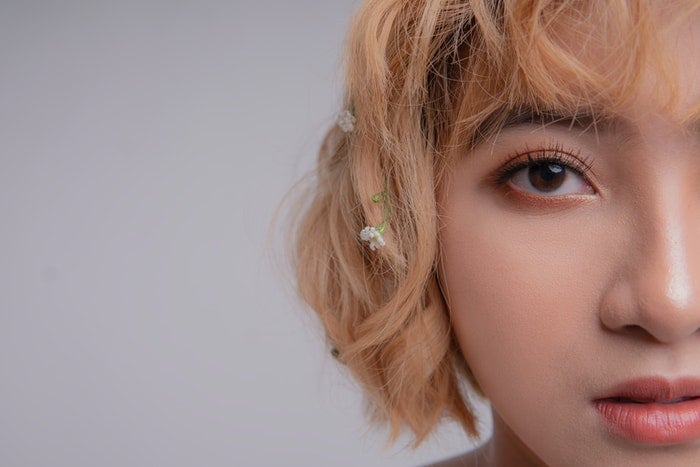
Photograph Yourself
Self-portraits don't have to consist of photos that you've taken in the mirror or at arm's length. Use a tripod and either a timer or a remote to take the photo for you.
This is a way to practise lighting and composition while you're still looking for someone to photograph. You can also make a few examples to show a potential collaborator.
For one of my own self-portraits, I set up the camera myself. Then I instructed a friend on how to compose the shot and when to take the photo. Someone else did the snapping, but it was still a self-portrait.
Direct the Models
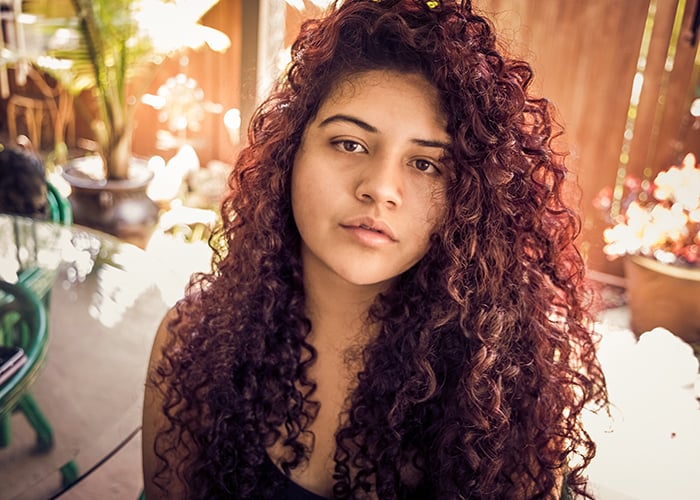
A free model may be a beginner or an experienced person who likes your project. Ask how much direction they prefer instead of judging their skill by whether you're paying a fee.
Learn a couple of general poses that work for models before the shoot. Demonstrate a pose yourself, then give one adjustment at a time: turn a shoulder, shift weight or move a hand. Ask before touching someone to adjust clothing or a pose.
My best advice is to take your time finding what works for the model. If they're nervous, find a way to help them to relax. Talk between shots, show them a frame that works and ask how they're feeling.
It can also help if you let your models choose their own outfit and makeup. They will feel more confident in dressing their own way.
Allow extra time when you're working with inexperienced models. Start with a comfortable pose and build from there. Agree on clothing and boundaries beforehand, and don't introduce a more revealing concept during the session.
2. Search for Aspiring Actors or Dancers
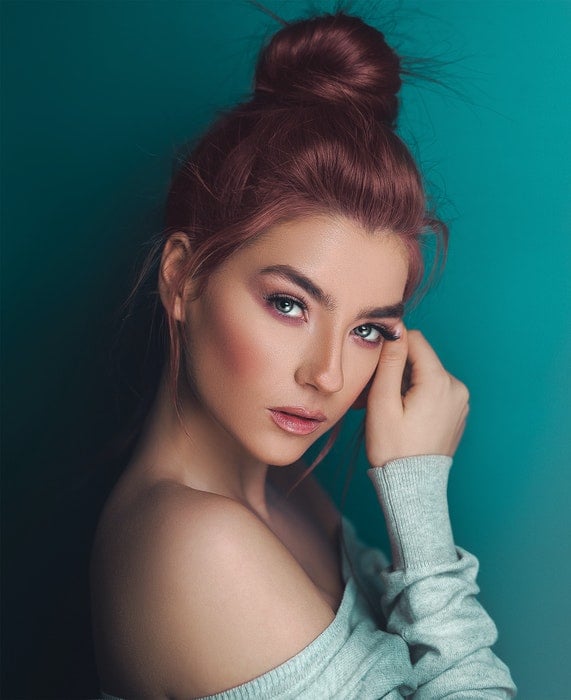
An actor may want headshots, while a dancer may want portraits or movement photos. Ask what images they need before proposing a trade. A dramatic fashion portrait won't necessarily help someone who needs a straightforward casting headshot.
Look at local theatre groups, drama schools, dance schools and performers' public professional pages. Contact the group through its listed enquiry address or ask whether it accepts collaboration notices. For a first session, keep the invitation to adult participants.
Show examples of your work and describe what you can offer. If you're new to headshots, say that you're arranging a practice session rather than promising casting-ready results.
A portfolio shoot can help you practise before you try to make money from portrait work. Treat it as a complete collaboration: plan the session, listen to the performer and deliver the agreed images.
Use Model Releases
Discuss photo use before the shoot. A model release form records agreed permission to use someone's likeness; it isn't a promise that you can do anything you like with the images.
Explain whether you want to show the photos on your website, social accounts or in tutorials. Discuss advertising or stock licensing separately rather than assuming that a portfolio collaboration includes them. Read the wording together and give each person a copy of what they sign.
The American Society of Media Photographers recommends explaining the planned image use and the release terms. Use an agreement suited to your shoot and location; get legal advice if the scope is unclear.
Also put the exchange in writing: how many edited photos you'll provide, who chooses them, when they'll arrive and how the model may use them. Make room for the performer's ideas too. They may have a pose or movement they want to try.
3. Search for Models on Websites
Use local searches to find people who want the same sort of shoot. Try your town or city name with “TFP models”, “portrait collaboration” or “photographers and models”. On Facebook, look for local TFP groups and read the posting rules before adding a request.
On Instagram, look at public portfolios and the model credits on local photographers' posts. Check that someone is based nearby and open to enquiries before sending a personal message. Don't assume that a tagged person offers modelling work or accepts unpaid shoots.
The site that I've used is Model Mayhem. Its FAQ explains TF collaborations and its free and paid membership options. A free account doesn't mean the models work without a fee. Look for people who state that they're open to a trade.
Other directories to explore include Net-Model and Model Management. Check current membership terms and contact options on each site before planning around them.
Send a Specific Shoot Invitation
Introduce yourself, explain why their work suits your idea and link to your portfolio. Include the area, likely date, shoot length and what you'll offer. If you don't yet have a portfolio, use the portraits you've made with friends or your self-portraits, and say that you're building one.
Here's a sample message to adapt. The exchange is their time for your photos, so promise only what you can deliver:
Hi NAME,
I'm a photographer based in CITY, building a portrait portfolio. I liked the outdoor portraits in your portfolio and wondered whether you'd be interested in a TFP shoot.
My idea is a one-hour session at LOCATION on DATE, using daylight and two casual outfits. There's no model fee. I'd offer five edited photos within two weeks for your portfolio and social posts. We can agree in writing how each of us may use the images and who will cover any travel costs.
You can see my work at PORTFOLIO LINK. I'd like to hear any ideas you want to try too. If the concept interests you, we can discuss the plan before you decide.
Thanks,
YOUR NAME
Change the numbers and timing to match your own offer. They're examples, not a standard TFP package. Respect a refusal or no reply; avoid repeated requests.
Make Sure you Find a Suitable Model
Look for a match between the person's interests and the shoot you can offer. Read their profile, look through their portfolio and discuss the concept. A person who wants sports portraits may have little use for a beauty shoot, regardless of experience.
Arrange a short call or a meeting in a public place before a first shoot. Check references or previous collaborators where available, and be open to the model bringing a companion. Both people should be comfortable with the location and plan.
Before you confirm, agree on:
- The date, location, session length and a weather backup if you're outdoors.
- Clothing, poses, boundaries and who else will be there.
- Photo selection, editing, delivery, permitted uses and any costs.
Confirm the details before the day, arrive on time and deliver what you promised. If plans change, tell the other person promptly. 
Conclusion
Start with a willing friend if you need practice, approach performers with an image idea that serves their work, or use local groups and model sites to find a TFP collaborator. A specific invitation and a fair exchange give the other person something they can assess.
Keep the shoot within the agreed boundaries and send the photos when you said you would. Those are the foundations for working together again.
Ready to plan the poses? Read our guide to posing women in photographs, or our guide to posing men.
If you want to get ahead with your portrait photography business, then read our eBook – Profit from Portraits!