A clear starting pose makes it easier to direct a portrait session. Hands in pockets, a wall lean, or a slow walk can give your model something specific to do while you work on the framing and expression.
This guide covers 25 male model poses, with photographs to show each idea. Choose the poses that suit the person and the style of the shoot, then use the general posing, camera, and lighting tips at the end.

What Are the Best Male Poses?
Start with hands in pockets, leaning on a wall, crossed arms, walking, or contrapposto. These give you a range of standing poses to try. Vary the angle, expression, and props to match the person and the mood of the shoot. The full list of 25 poses below also includes seated, reclining, and action poses.
25 Best Male Poses for Photoshoots
Use these 25 male photography poses as starting points for a session with a model or friend. Show the example, give one direction at a time, and adapt it to what feels comfortable for the person. You can mix hand positions, body angles, and expressions as the shoot progresses.
1. Placing Hands in Pockets
Let’s start with a classic pose. Have your model place their hands in their pockets. This male pose lends a casual vibe to your image.
Try both hands in the pockets, then just one. The model can leave the thumbs outside or slide the hands farther in. Check the shoulders and elbows between shots so the position stays relaxed.
If the pockets pull the clothing tight or make the wrists bend awkwardly, try shallower hand placement or use a jacket pocket instead.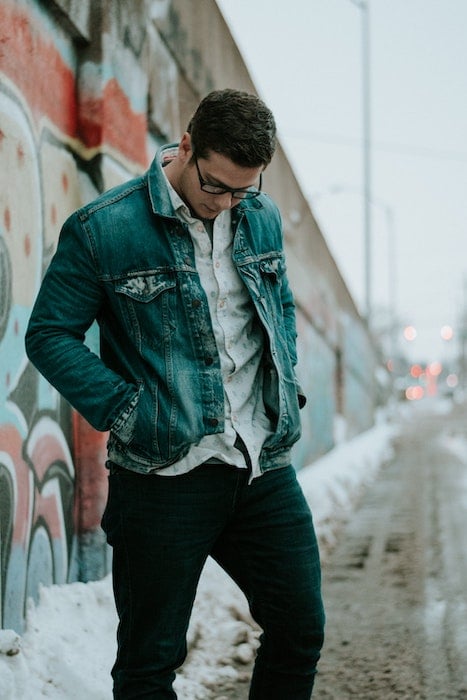
2. Leaning on a Wall
Having your model lean on a building or room wall is a conventional pose. This pose can produce an air of aloofness while remaining casual and playful.
Try photographing from the front and from alongside the wall. From the side, ask the model to turn their face towards you. If you want stronger contrast, adjust the lighting for a dramatic look as well as the pose.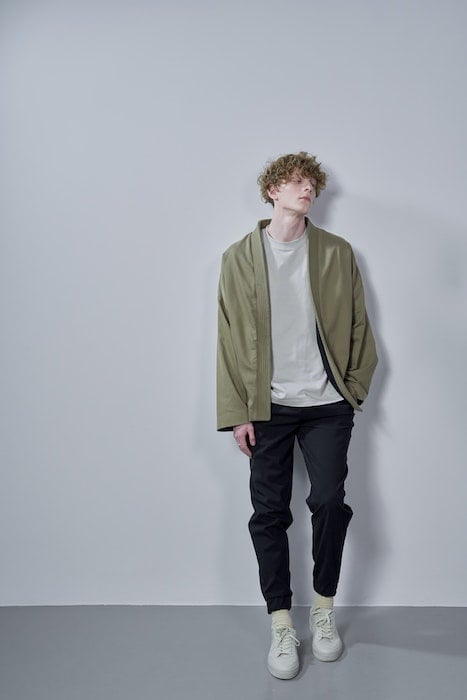
3. Crossing Arms
If you want a photograph with a powerful male pose, have your model pose with their arms crossed. It’s a great power pose to shoot straight on with them looking directly at the camera.
Start around eye level, then compare a slightly lower viewpoint if you want a stronger upward angle. Ask the model to bring their face forward a little while keeping the neck comfortable. Check the chin and neck in the frame instead of assuming one angle suits everyone.
If the model leans on a wall, you can also make this a casual pose. Have the model relax with casually crossed arms and look away from the camera. Shoot this pose at an angle or further away if you want a more subdued vibe.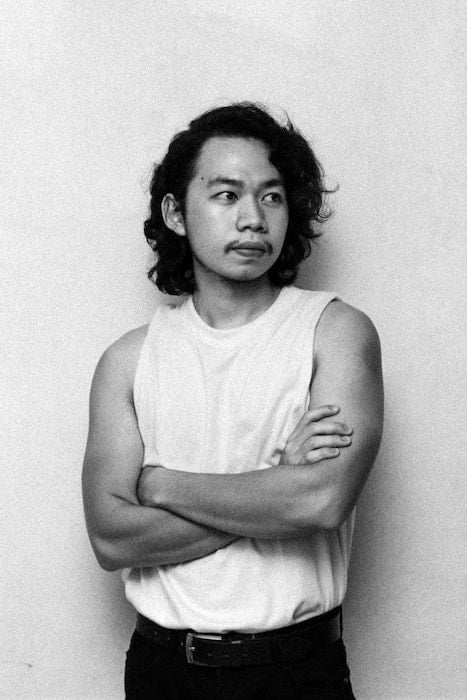
4. Adjusting an Outfit
Regarding the best stylish photo poses for men, ask your models to button their jackets, adjust their cufflinks, or roll up their sleeves. It’s a great pose if you want a candid, behind-the-scenes vibe.
With a suit, ask the model to fasten a button slowly and pause with their hands near the jacket front, as in the example below. Photograph the action and the pause to compare the hand positions.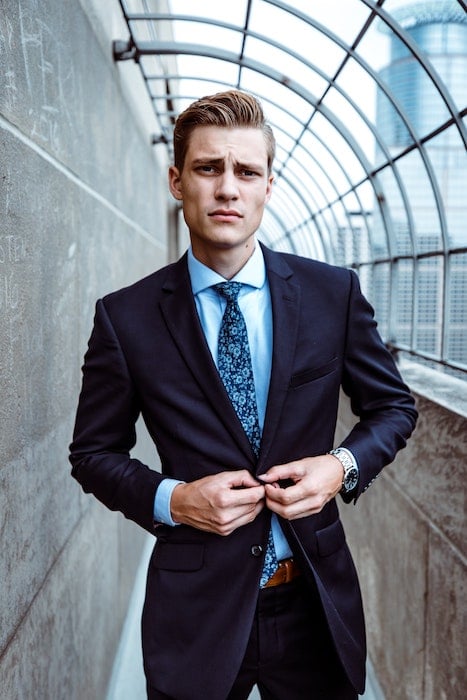
5. Walking
You can simulate a catwalk and a candid shot by having your model walk around. There are multiple ways to approach this shot. Have the model walk toward the camera, position them at an angle, and follow them with your camera.
Choose a clear route and ask the model to walk through it more than once. Photograph from a fixed position first, then change your viewpoint for the next pass.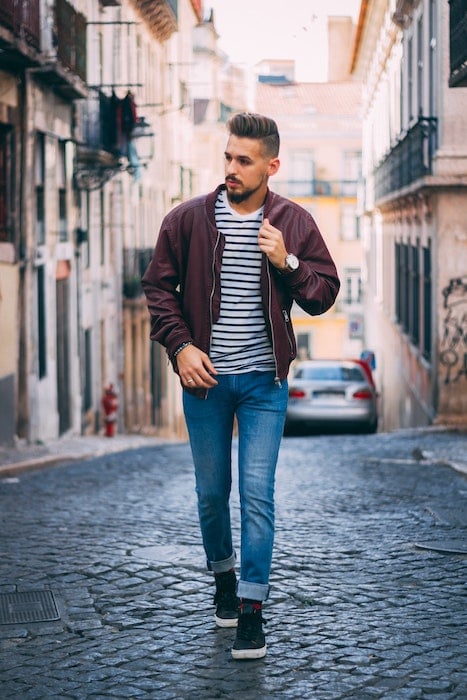
6. Jacket Over the Shoulder
Ask the model to drape a jacket over one shoulder and hold it lightly. The raised arm and hanging fabric add lines to the pose, making this a useful variation for fashion portraits.
Start with a front view, or ask the model to turn the body slightly while keeping the face towards the camera.
It’s a flexible pose where the model can lean casually against a wall, sit, stand, or walk. And ask the model to use the opposite shoulder for different results.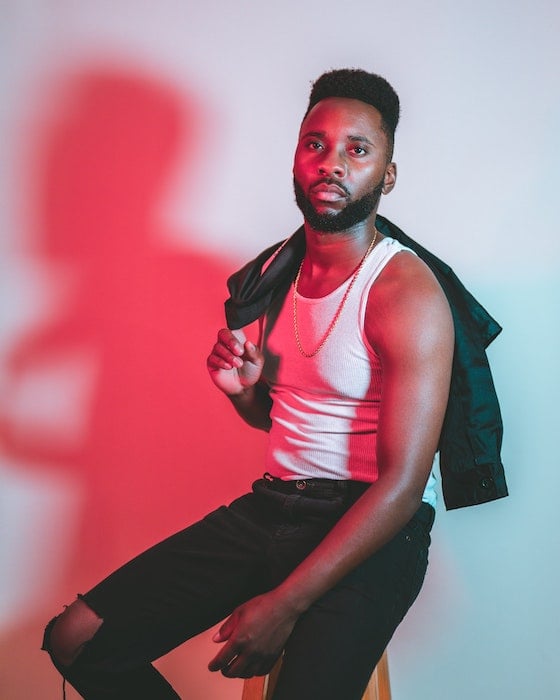
7. Playing With Hair
Ask the model to run a hand through their hair or rest it near the back of the head. Then try a small change in head angle. Treat the gesture and head position as separate directions so the model can move comfortably.
Use a close crop to show the face and hand, or leave more space to show the raised arm. The model can look into the lens or away from it. You can also experiment with more abstract body poses.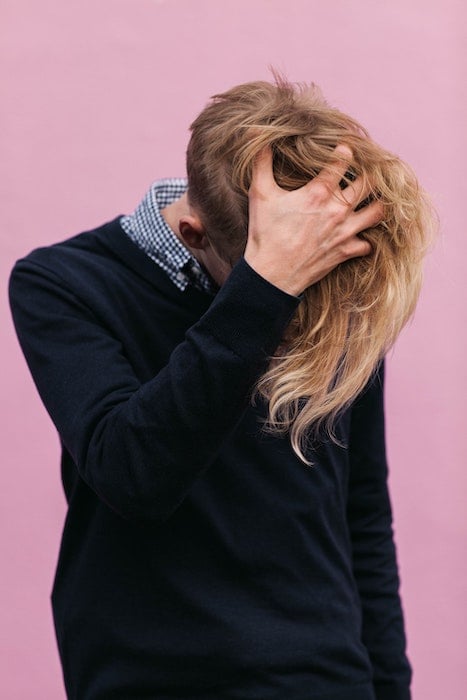
8. Hand on the Chest
Have the model rest one hand lightly on the chest or hold a jacket lapel, as in the example below. The bent arm adds a diagonal across the torso and gives the hand a clear position.
Ask them to relax their fingers rather than press into the fabric. Try the hand slightly higher or lower and check whether it covers a detail you want to show.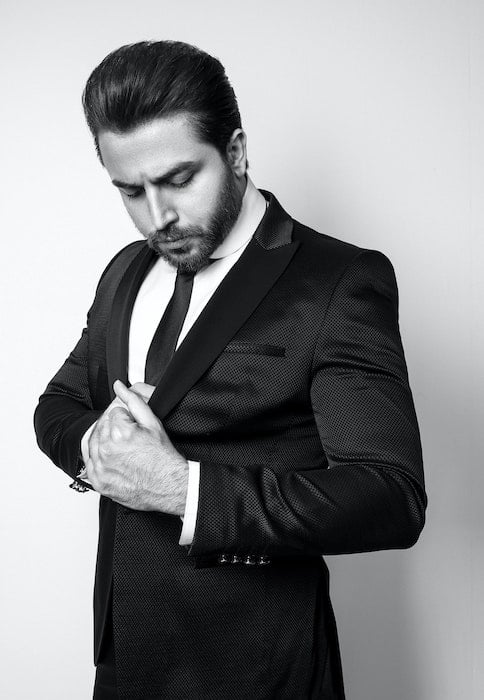
9. The Contrapposto Pose
Contrapposto is a standing pose with most of the weight on one leg. Michelangelo’s sculpture of David is a familiar example of this stance, which also appears in ancient Greek sculpture.
Ask the model to shift most of their weight onto one leg and let the other knee relax. The hips and shoulders can tilt in different directions to balance the body. Try the weight shift on each side without forcing a large lean.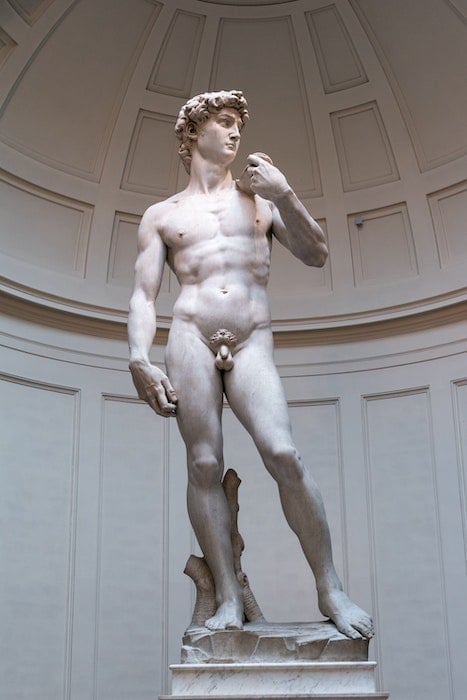
10. Hands on Hips
Hands on hips give you another option when the model does not want to use pockets. Try one or both hands, then adjust the expression for a casual portrait or more formal posing.
Ask the model to rest their hands lightly on their hips and relax the shoulders. The elbows create strong outer shapes. Include those shapes deliberately, or choose a closer crop that keeps the attention on the face.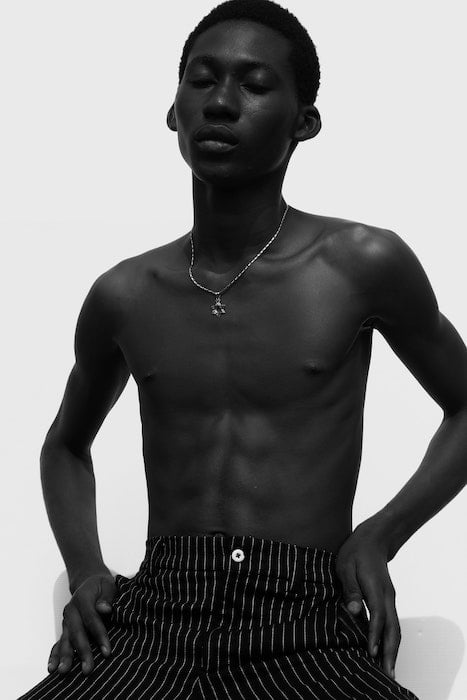
11. Posing With a Prop
A prop gives the model something to hold or interact with. That can help if they are unsure what to do with their hands. Choose an object connected to the person or the idea for the shoot, such as the skateboard in the example below.
Portrait props can be anything, from something small like sunglasses to something bigger like a bicycle or car. Remember, the prop should match or add to the mood you are trying to create in your photographs.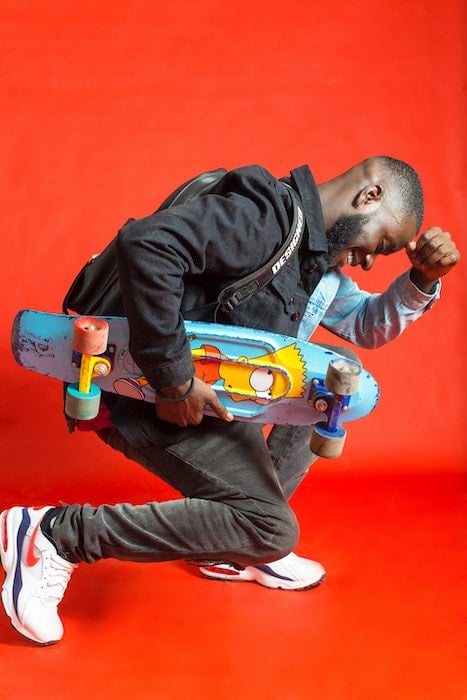
12. Accentuating the Jawline
To emphasize the outline of the jaw, begin with a small turn of the head. Watch how the jaw separates from the neck and background as the model turns.
Ask the model to bring their chin forward slightly, without stretching or tensing the neck. Then compare a few head angles and light directions. Choose the version that suits the person and the portrait rather than treating a defined jawline as the goal for every man.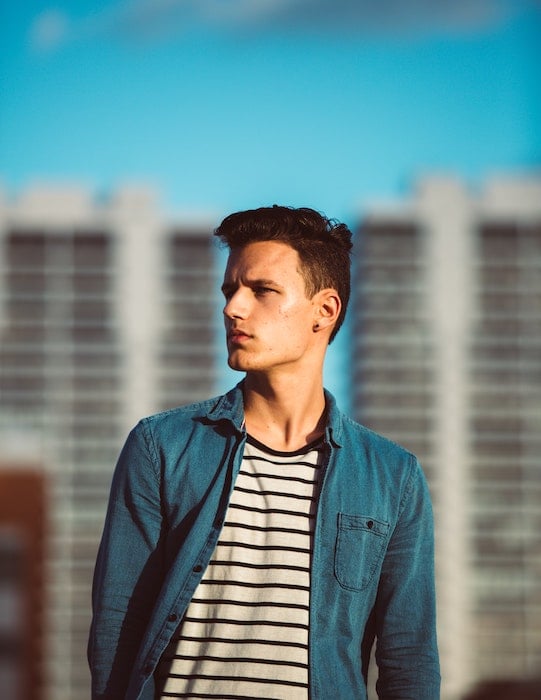
13. Sitting and Leaning In
For this sitting pose, your model can sit with his body leaning toward the camera. You may want to position them with their arm on one leg or knee. Or, you may wish them to have their hands clasped while leaning on one of their legs.
Start with the camera around the model’s eye level. A lower viewpoint changes the relationship between the viewer and the seated subject; try it as a variation and compare the face, hands, and knees in the frame.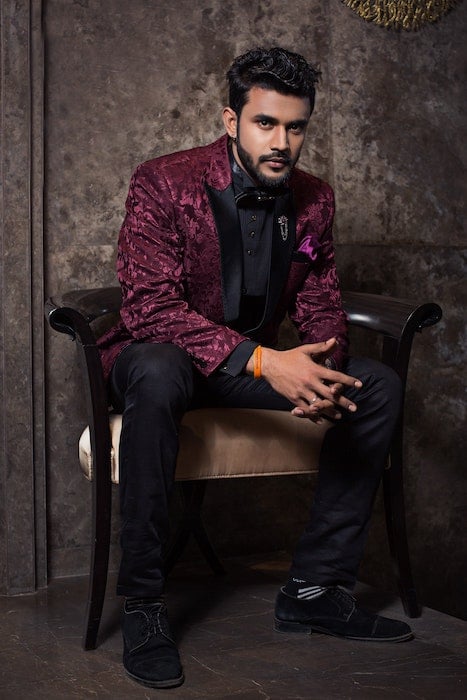
14. The Thinking Pose
This seated pose recalls Rodin’s “The Thinker.” Ask the model to lean forward, support an elbow on a knee, and rest a hand lightly near the chin.
Try a gaze just past the camera, then a direct look. Ask the model to relax their jaw and fingers between shots. Small changes in expression can give the same hand position a different mood.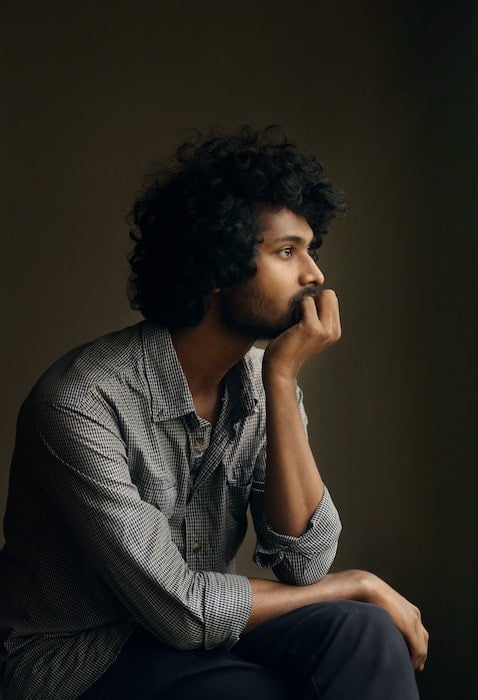
15. Crossing Legs
Here, we have another conventional pose for male models. This pose can be great because it’s casual. Yet it can convey relaxed confidence.
Have your model place one leg over the other and recline comfortably. With this position, you can let the model play around with what to do with their arms.
I find it’s a great way to make the model feel more comfortable. You’re directing their lower half but allowing them to choose what they want to do with their upper half.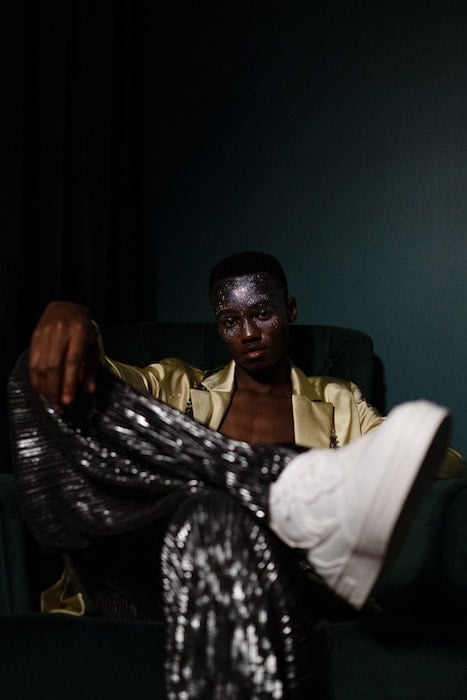
16. Sitting in a Backward Chair
Turn a stable chair so its back faces the camera. If the position is comfortable, have the model sit facing the chair back and rest an arm across it. The chair gives the arms a support and adds a shape to the composition.
You can use some of the other male poses along with this. For instance, hair flicks or “the thinking pose” can work great with this.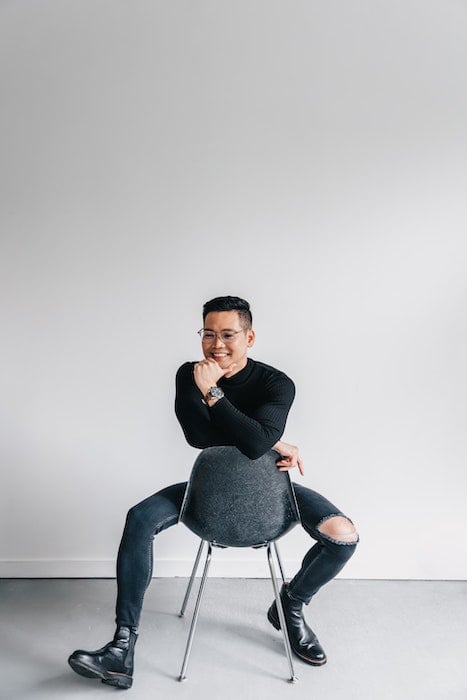
17. Covering or Touching the Face
You can also ask your male subjects to touch or cover up their face. This pose adds some mystery and intrigue to your photograph. You can have an exciting tension between the models trying to conceal themselves and being the center of attention.
A close-up portrait makes the hand and face the main elements. A wider crop can work too if the body position or setting adds to the idea. Check which facial features the hand hides.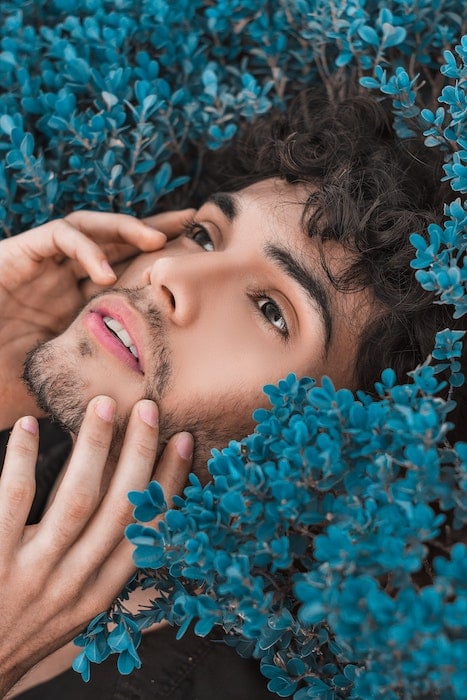
18. Sitting on Some Stairs
If you want your model to be sitting, why not have them sit on a stairwell? I like this pose because a long staircase can frame the subject with a neutral background.
The model can also play with their body language quite a bit here. Either position them reclining backward or using the leaning forward method.
Look for stairs whose lines and background suit the portrait. Leave room for the model to sit comfortably and for other people to pass, then test a wider frame and a closer crop.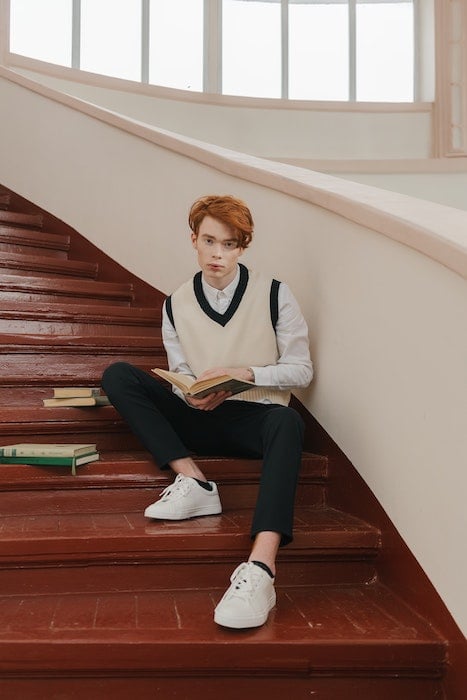
19. Leaning On Something
Have the model rest an arm on a wall, railing, or another stable surface. In the example, the model leans against a low wall with the upper body turned towards the camera.
Try eye level and a slightly lower viewpoint. You can use a close portrait or include the full body, depending on whether the face, clothing, or location matters most.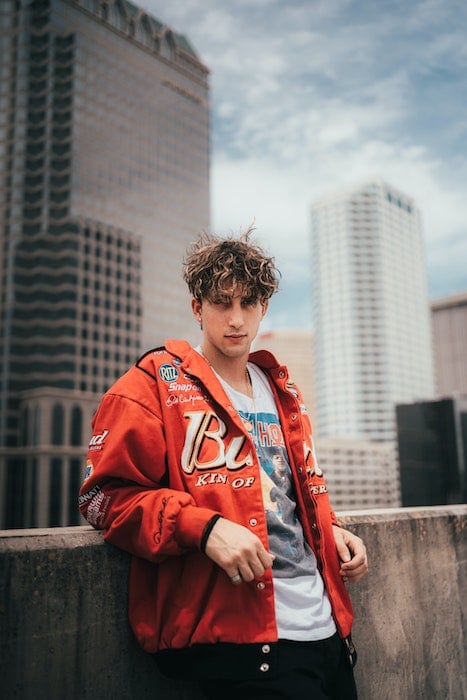
20. An Activity or Movement
Ask the model to do an activity they already know, such as a short jog, a stretch, or handling a familiar prop. Agree on the movement before the shot so you can choose a viewpoint and leave enough space in the frame.
Movement can be a useful starting point for a nervous model because it gives them a task. Keep the instructions simple and check how they feel. You can move into still poses when they are ready.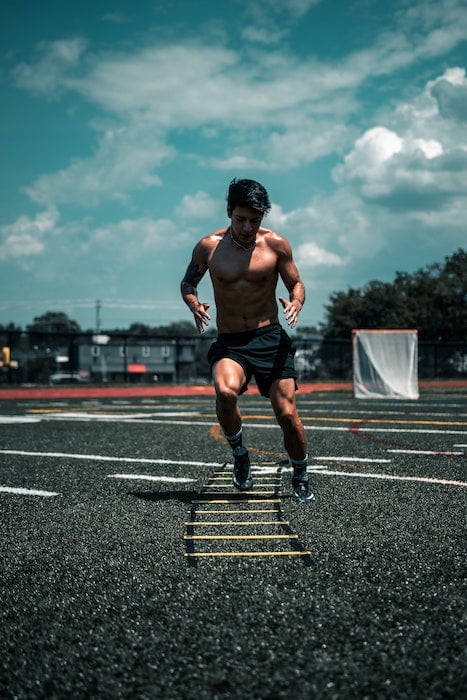
21. Squatting
A low squat can create a compact shape in a fashion portrait. Use a stable, level place where the model can hold the position comfortably; a low seated pose is an alternative. Lighting and camera angle can make the result soft or dramatic.
Ask your model to squat down, place their arms on their knees, or hold their hands together. This is one of the male poses that works well for urban portraits and when holding your camera at different angles.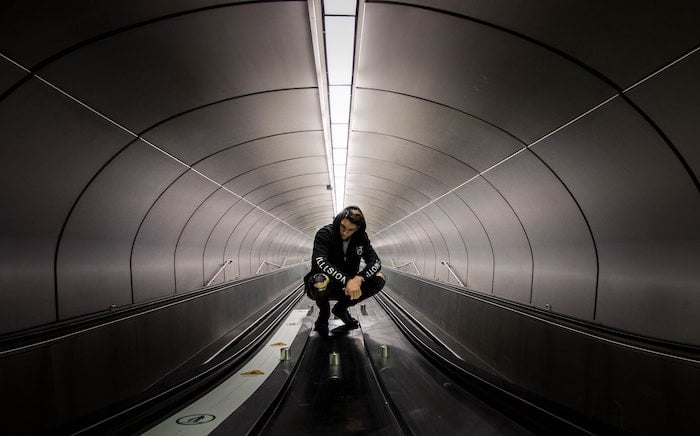
22. Sitting With a Knee Up
For a casual seated portrait, ask the model to raise one knee and rest an arm on it. Try this on the ground or a low bench near window light, with enough support for the model to sit comfortably.
Facial expressions are critical, of course. Your male model can be laughing or more serious.
You can shoot this male pose in many ways. I prefer shooting it from below with the model looking up. To me, this gives the portrait a reflective mood.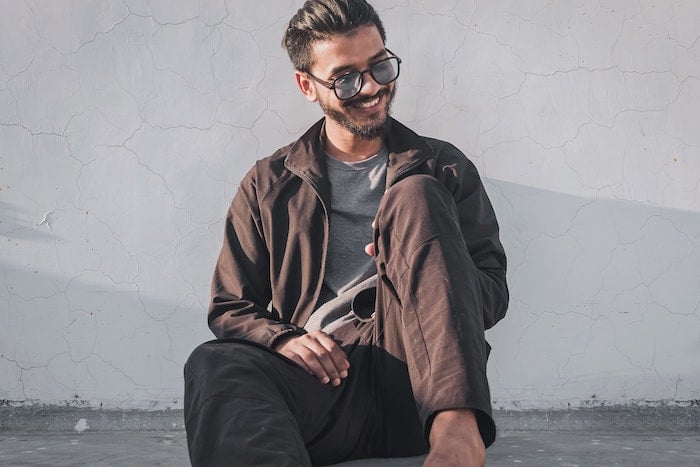
23. Clasping Hands Together
Ask the model to clasp their hands loosely. This gives the hands a clear position if they are unsure where to put them. Check that the fingers and shoulders are relaxed rather than tightly braced.
You can position the hands in many different ways while clasped. I suggest shooting this close-up. The model’s body posture may be too closed with their hands together.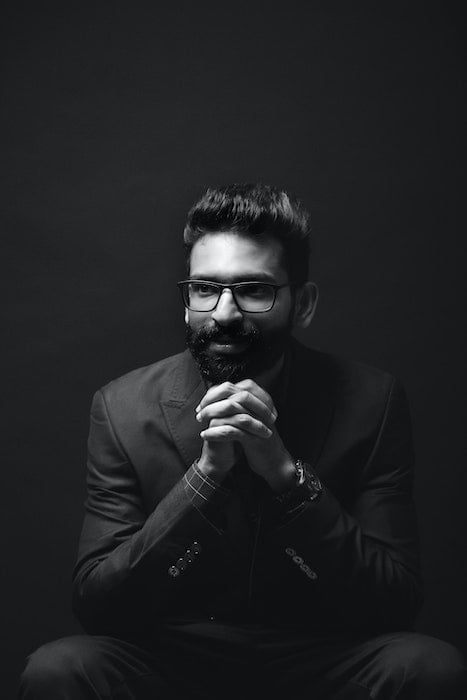
24. Lying Down
Have your model lie on a comfortable surface to achieve a relaxed mood in your photograph. This surface can be inside on a bed or outside in a field. Wherever you choose, pay attention to the model’s facial expressions. Their expression sets the tone of the image.
Try a view from above to show the face and the surface around it, as in the example below. Check for your own shadow and decide whether to include or remove it from the composition. A side view gives you another option.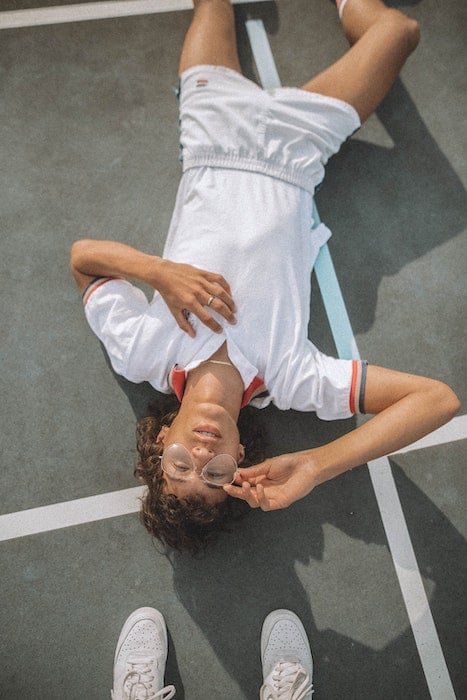
25. Posing for a Candid Shot
For me, a candid shot always works best. In this shot, you can leave your model to be with friends or perform an activity while you shoot from the sidelines.
I like this because you can shoot from many different angles. If you ask the model to repeat a gesture or arrange the action, the result is a directed, candid-style photograph. For a genuinely candid moment, let the interaction unfold without posing or repeating it.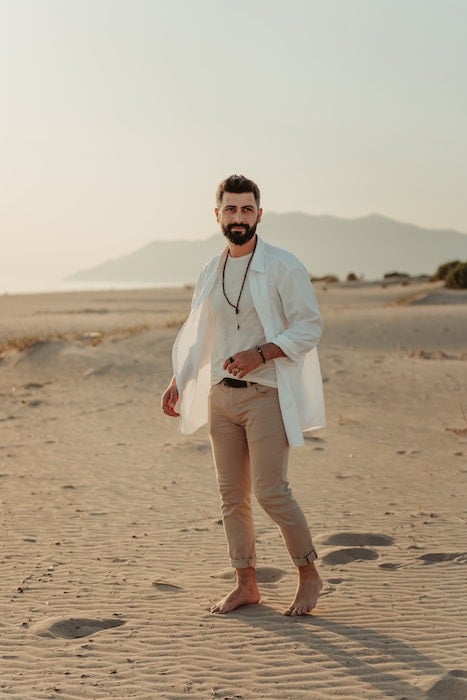
General Tips for Male Poses
Many of these ideas also appear in our guide to posing women. Adapt the pose to the person, their clothing, and the purpose of the portrait. This list is a reference, not a requirement to look powerful, serious, or masculine in every image.
Determine the Tone You Want to Convey
Before deciding how to pose your model, agree on the tone and “feel” you want to convey in your photos. Discuss where the pictures will be used, then choose clothing and a location that support that aim.
Casual clothing can support a relaxed portrait, while a suit can work for a formal headshot. These are options rather than fixed pairings: a smiling person in a suit or a serious portrait in a T-shirt can also fit the brief.
Strategically Choose a Location
When it comes to a location, you want to match the formality of your clothes as a rule of thumb. But you may want to play with your concept. Put your male model in places that amplify or contradict their pose and features. It all depends on the atmosphere you are trying to create.
Do you want to photograph a man in a suit? It makes sense if it were a studio shoot or a high-end establishment. But the message and feel of the shoot would be completely different on the beach or in an alleyway!
Test Out Different Male Model Poses
Play with poses if you’re only starting with portrait photography or working with inexperienced models. Ask your model to try several poses in various outfits. Then, familiarize yourself with how people react to your instructions.
Remember, every person is different. Adapt your directions and shooting method as you see what works for that person.
A great way to direct the model is through small instructions. Even better, provide visual material of what you want. You can even bookmark this page and show your male model when shooting. Good communication is important!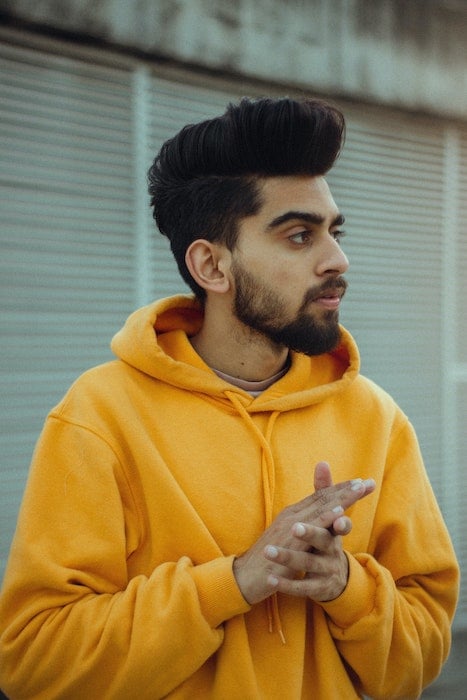
Portrait Techniques and Gear
Here are a few general technical tips and recommended gear for capturing portraits. If you want more information on portrait photography, check out our full guide here!
Camera Settings
Set the shutter speed and aperture for the movement and depth of field you need, then choose an ISO that gives a suitable exposure. A low ISO can help limit visible noise, but it does not guarantee sharpness. Raise it when needed to keep the shutter speed fast enough, and check focus on the eyes.
Use a shallow depth of field when you want less background detail, but stop down if you need more of the face, body, or setting in focus. Choose the lens and working distance for the framing you want. A longer lens lets you fill the frame from farther away; it is not a requirement for a good portrait.
For a still subject, 1/125 s can be a starting test, not a guarantee. Walking, moving clothing, a longer lens, or camera shake may require a faster shutter speed. Review a test frame at full size and adjust. With flash, stay within the camera’s sync speed unless you are using a supported high-speed sync mode.
Lighting
Lighting is one aspect worth considering before the shoot takes place when choosing your location. Fashion photographers use natural lighting and flash photography to enhance a model’s emotion or pose.
Daylight, room lights, and coloured lights can cast different colours across a portrait. Decide whether those differences suit the image. If you want more consistent skin colour, simplify the light falling on the face before setting white balance.
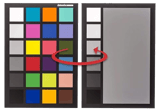
Photograph a color card under the same light as the model to give yourself a reference for white balance and colour correction. It does not remove mixed lighting: one white-balance setting may not neutralise different colour casts on different parts of the face.
Photography Equipment and Props
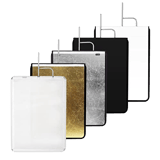
A reflector can bounce available light into the shadow side of the face. Use one when the shadows need lifting rather than assuming every portrait needs extra fill.
Move the reflector and change its angle while watching the face. It needs light to bounce, and its effect depends on its position and distance. An assistant or a secure holder can help keep it in place.
You can also use flags to block unwanted light and shape shadows. Compare the face before and after positioning the flag so you can see what it changes.
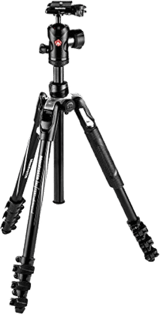
Use a tripod when you want a fixed frame or consistent camera position. Shooting handheld can make it easier to follow walking poses or try different heights. A tripod reduces camera movement, but it does not stop the model’s movement.
As mentioned, other non-photographic props can help. Maybe a personal object or a prop indicating their profession or interest. Perhaps music can help the male model feel more comfortable and help set the right mood.
Recommended Photography Equipment for Portraits

Frequently Asked Questions
How do you pose a man who feels awkward in photos?
Give the person one simple action, such as putting a hand in a pocket, adjusting a jacket, or taking a short walk. Show the pose and ask whether it feels comfortable. A prop or seat can help, but adapt the direction to the person rather than expecting one action to remove all nerves.
What angle is most flattering for male portraits?
There is no single most flattering angle. Start near eye level, then compare a small change in height or head direction. A lower viewpoint can create a stronger upward view; choose it only if the face and body proportions suit the portrait.
What camera settings are best for male portraits?
Choose shutter speed for movement, aperture for depth of field, and ISO for a suitable exposure. Test 1/125 s with a still subject and use a faster shutter if needed. Focus on the eyes, review a test frame, and check flash-sync limits when using flash. Choose the lens and working distance for the framing you want.
Conclusion: Best Poses for Men
Use these pose examples to plan a few starting points for your next portrait shoot. Then adapt the model’s position to the setting, the light, and what feels comfortable for them.
With practice, you can build a set of poses and directions that work for your sessions. Return to the photographs here when you want to try a different hand position, viewpoint, or seated pose.
Our Profit from Portraits eBook covers choosing a niche, pricing services, and marketing a photography business. It focuses on the business side of portrait photography.