Understanding all the different types of cameras can be a bit daunting. Especially these days when our phones are so good, we might wonder if we even need a camera.
So we’ve put together this short guide to the different types of cameras available. And we’ve chosen some of the best examples of each type for you to choose from.
We’ve even included the best smartphone cameras as well. In case you decide you don’t need anything more than that.
The Best Smartphone Cameras
Let’s start with the best camera phones around at the moment. There are some pretty heavy hitters out there. Your choice might come down to your operating system preference. And that means Apple’s iOS or Android.
Sometimes, you might not have many options. If you use an Apple Watch, then iOS is for you. Or you might be invested in one or other of the “digital ecosystems.” In other words, all Apple or all Google.
The most impressive camera phones out there come from the three biggest manufacturers: Apple, Google, and Samsung.

Our top pick is the Google Pixel 11 Pro. Google builds its phones around computational photography, and this is where that approach pays off. It pairs a 50 MP main camera with a 48 MP ultrawide and a 48 MP 5x telephoto, and Google rates the results as optical quality up to 10x.
The Pixel uses the purest form of the Android operating system. Google doesn’t overlay an OS like other manufacturers. And why should they? It’s their OS to begin with. Many users find it the cleanest, fastest edition of the OS, and Google promises seven years of OS and security updates.
Pro Zoom goes all the way to 120x, but past 10x it relies on processing, so fine detail suffers. For distant subjects, a real camera with a long lens still wins.
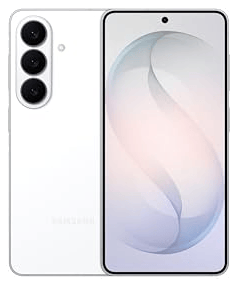
If you want Samsung’s camera without the flagship price, look at the Samsung Galaxy S26. It shares the Ultra’s colour science and image processing in a smaller, lighter body, with a 6.3-inch screen and a weight of 167 g.
You give up the Ultra’s 200 MP sensor and its 5x telephoto. The S26 has a 50 MP main camera, a 12 MP ultrawide and a 10 MP 3x telephoto. But you keep the fast, dependable main camera that makes these phones so easy to shoot with. For most people that is the better trade.
Apple is the third big name in this category, and iPhones take excellent photos. They are the hardest of the three to buy new and unlocked, though, so we haven’t picked one here.
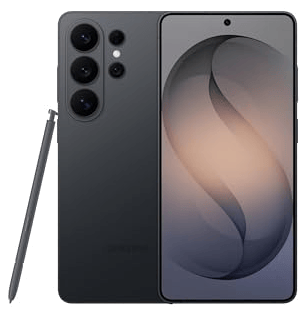
The other big hitter to think about in this category is the Samsung Galaxy S26 Ultra. This gem is a winner for a host of reasons. It comes complete with the S Pen, which stores neatly in the phone.
But perhaps of more interest to photographers are the four cameras: a 200 MP f/1.4 main camera, a 50 MP ultrawide, a 10 MP 3x telephoto and a 50 MP 5x telephoto. Those are some big numbers. And Samsung has a well-deserved reputation for the quality of its cameras and their image processing. The 6.9-inch screen makes it a big phone to carry, though.
The Samsung OS adds a layer over its Android foundations. And that isn’t to everyone’s taste. But to choose between these three camera phones is a tough call. And it might just come down to which OS you prefer. Or you will find one set of images more to your taste than another.
It’s safe to say that they all produce excellent images.
The Best Compact Cameras
I have two pictures taken at the same place, 15 years apart, that tell a story. The place is looking at the Astronomical Clock in Prague’s Old Town Square. In the first photo in 2007, a host of people look up at the clock, and there is a sea of compact cameras. Fifteen years later, there’s an identical scene, but now it’s a sea of phones and not a single compact camera.
All of this is to say that the compact camera is an endangered species. But there are some excellent cameras out there. They offer more flexibility, control, and capability than even the best smartphones.
Our choice of the top compact cameras offers a range of features that make it worth carrying something extra around with you. And they are smaller and lighter than a DSLR or mirrorless camera.
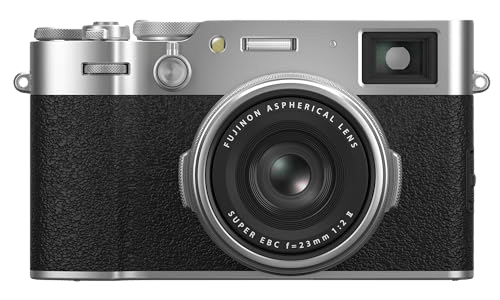
The Fujifilm X100VI possesses something unimaginable in a smartphone—an incredible retro look. Brushed metal and leatherette are complemented by properly engraved dials and etched control wheels.
Underneath the retro outer shell is modern technology. There’s a 40.2 MP APS-C sensor, in-body stabilization rated at up to 6 stops, and a fast 23mm f/2 lens. The most standout feature of the X100VI is the brilliant viewfinder. Optical viewfinders are bright and clear, but they don’t show you what the picture will look like with the current settings. Electronic viewfinders solve the latter problem but often flicker or lack brightness.
The Fujifilm X100VI overcomes this, with both available through the same eyepiece. You can choose one or the other, or you can overlay the electronic image over the optical one. It’s brilliant.
The catch is the fixed 23mm lens. There is no zoom, so this is a camera for street, travel and everyday scenes, not for wildlife or sport.
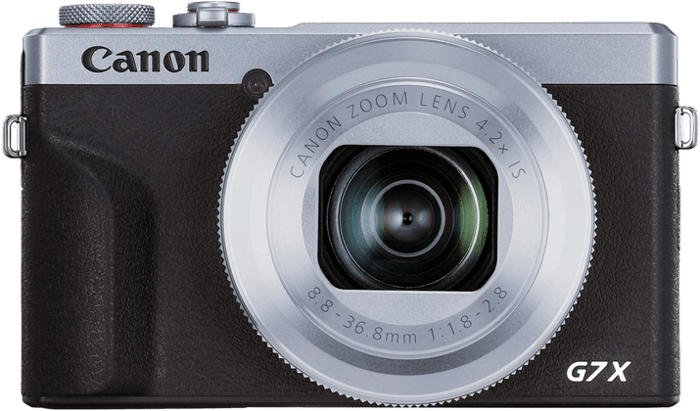
The Canon Powershot G7 X Mark III has some of the retro style of the Fujifilm X100VI at a much lower price. It has a smaller sensor, both in physical size and pixels. But it has a zoom lens and an impressive ISO range of 125 to 12,800.
The 20 MP sensor delivers superb-quality images. And the image stabilization and 4K video add to the all-around appeal of this camera.
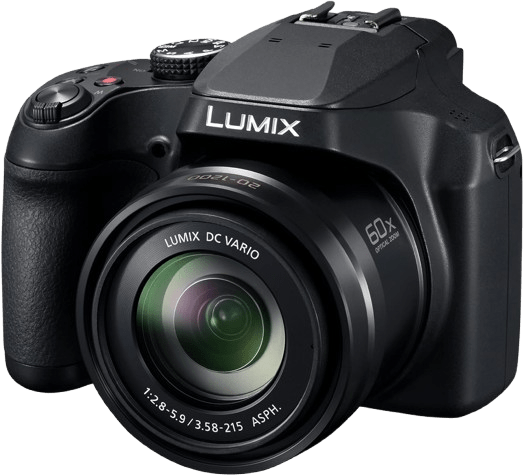
Our last pick for a compact camera is the Panasonic Lumix FZ80D. This is the least expensive of our top picks. Its 18 MP sensor is small, at 1/2.3 inches, so it is not the camera for low light.
Where it stands out, though, is with its lens. You get a whopping 60x zoom. In full-frame terms, this goes from a wide 20mm to a 1200mm super-telephoto. That’s well into the specialist, sports, and wildlife range. And POWER O.I.S. optical stabilization keeps the long end steady. That’s impressive.
For the money, this is an enticing prospect. The 4K video, 4K Photo mode (which pulls 8 MP stills from 4K footage), bright 2,360K-dot viewfinder, and USB-C charging make this a great performer. It isn’t weather sealed, though, so keep it out of the rain.
The Best Action and Adventure Cameras
Your smartphone might boast an IP68 rating, and a superzoom like the Panasonic Lumix FZ80D can reach a long way. But few of us will want to risk such a device in extreme situations. Or they might be too bulky to take along on our adventures.
These are the exact circumstances that action and adventure cameras were designed for. Perhaps the best-known is the GoPro, but there are several attractive offerings.

1. GoPro HERO13 Black
The GoPro HERO13 Black is the flagship of GoPro’s HERO line. Not everyone is a fan of the processed look that characterizes a GoPro image. But it has some exceptional qualities that make it very popular.
Even without an external housing, the GoPro HERO13 is waterproof down to 33 feet (10m). It is small enough to be worn on your head, chest, or arm (or even your dog!). It has 5.3K60 video and possibly the best image stabilization in the business, with HyperSmooth 6.0.
It is so easy to mount that you will find it recording everywhere. Car reviewers love it, and in-cockpit flight videos rely on it. The time-lapse and Hyper-lapse help to capture the world in new ways. And the 8x slow-motion capture is loved by extreme sports lovers, with a Burst Slo-Mo mode that reaches 400 fps at 720p.
Its 1/1.9-inch sensor is small, so low-light footage gets noisy, and long 5.3K recordings make it run hot. But the GoPro HERO13 Black goes where your phone shouldn’t and brings back memories for you.
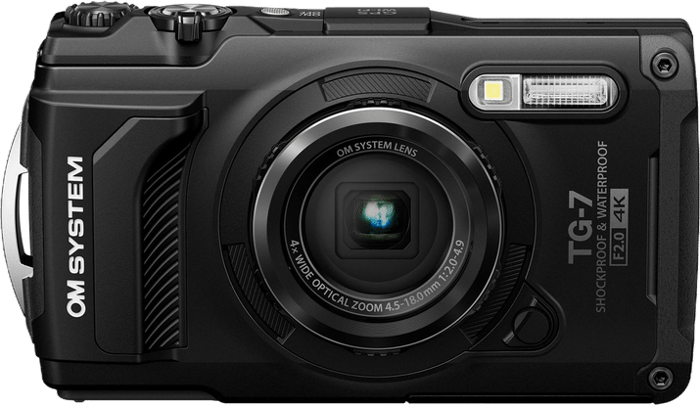
2. OM System Tough TG-7
A different take on the action camera niche is the OM System Tough TG-7. Its form factor means that it could have been included in the compact camera section. But it’s built tougher than that.
First of all, it is waterproof down to 49 feet (15 m), can survive a drop from 6.9 feet (2.1 m), and can survive a crushing force of up to 220 lbs (100 kgs).
The Tough also has a modest but acceptable 12 MP sensor, 4K video, Wi-Fi, and GPS. Two features that make it very different from the GoPro are the built-in LED lighting for underwater shooting and the 4x optical zoom. This is definitely a boost for some shots compared with the very wide angle of the GoPro.
The OM System Tough TG-7 is a versatile camera. It’s easy to hold and operate underwater, with a decent sensor size and a good zoom.
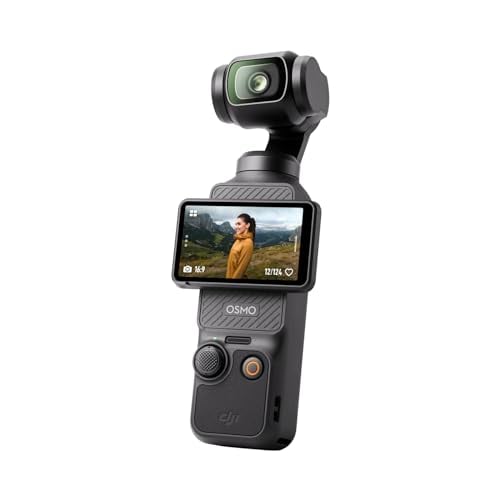
Another camera that is very different from your smartphone is the DJI Osmo Pocket 3. It’s the perfect camera for walk-and-talk filmmaking or vlogging.
Instead of optical image stabilization, the Pocket 3 has an integrated three-axis gimbal. This means there’s no cropping of the image to achieve a steady shot. And the handle makes it easy to use on the go.
Another remarkable feature is the 1-inch sensor, which is large for a camera this small. Combined with 4K video at up to 120 fps and a 2-inch touchscreen that rotates for vertical shots, it’s an impressive package. It isn’t waterproof, though, so leave the rough stuff to the GoPro.
The gimbal also allows for sophisticated panning shots and time-lapse videos, and ActiveTrack keeps your face in the frame. The DJI Osmo Pocket 3 offers something that is hard to beat if you want an unobtrusive, rock-steady camera on the go.
The Best DSLR Cameras
There was a time, and it wasn’t that long ago, that the DSLR was the king of the jungle. They were the best balance of size, usability, versatility, and quality. Professional photographers of all stripes used full-frame DSLRs. And discerning amateurs cut their teeth on the APS-C versions with their smaller sensors (and price tags!).
What we are now witnessing is the slow death of the DSLR. Major manufacturers are quietly discontinuing models and focussing their research and development on the mirrorless market.
There are good reasons for this. Done well, the mirrorless camera offers all the benefits of a DSLR, with improved AF, shooting speeds, and automation.
That doesn’t mean that the DSLR is dead, and many professionals still use them. But the demise of the DSLR is inevitable.
There are still some phenomenal DSLRs out there. We’ve chosen some high-end ones for you. Partly because the entry-level sector is really now overrun with mirrorless systems. At the other end, there are some incredible DSLR cameras still available.
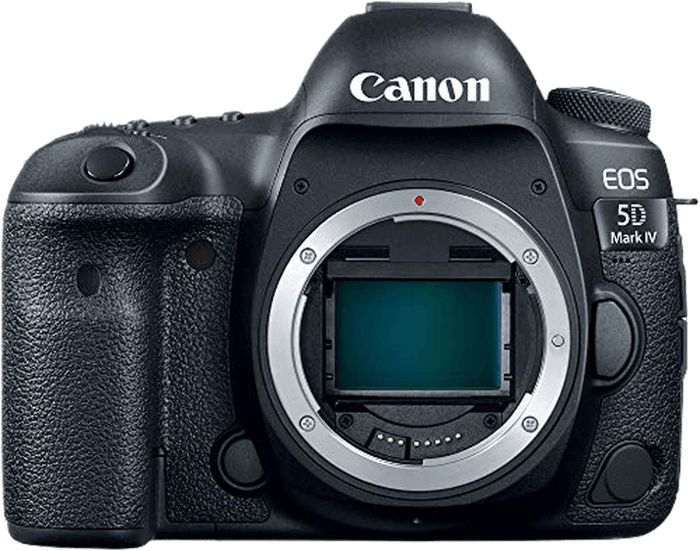
The Canon EOS 5D Mark IV is the latest (and maybe last) DSLR to wear the 5D badge. One step down from the flagship 1D models, it is a pro favorite.
The camera is a beast because it is a big, robust body built to withstand the rigors of daily use. It has an impressive 30.4 MP sensor, 7 fps shooting speed, an eye-watering 102,400 Max ISO, and a big color touchscreen.
Autofocus is impressive, and the low-light performance is great. Video was a little clunky in the Mark III, but this camera adds 4K and is much better, especially with AF performance.
If you’re looking for a robust, top-quality camera with access to a huge stable of compatible lenses, the Canon EOS 5D Mark IV is a great choice.
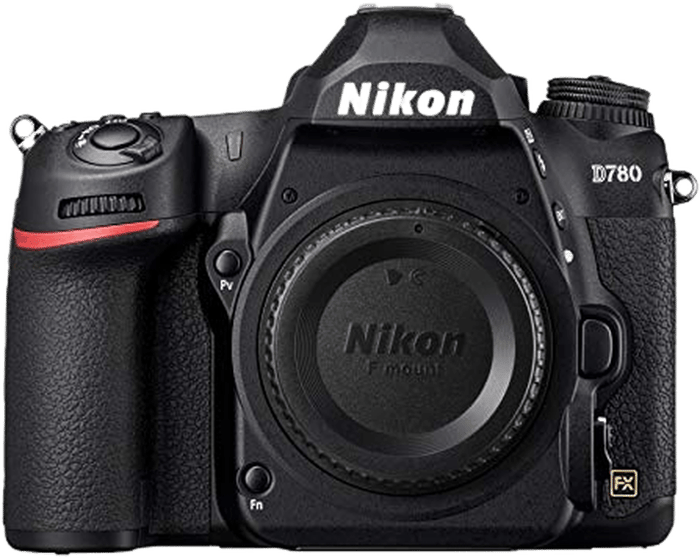
Canon’s biggest competitor in the DSLR market is Nikon. And the Nikon D780 is similar in specs and appeal to the Canon DSLR. It’s a big, solid camera with a 24.5 MP sensor. And it’s designed to keep busy pros happy day in and day out.
The D780 boasts a wider dynamic range than the Canon, and the autofocus is noted for its speed and accuracy. It records 4K video, like the 5D. And its autofocus works down to -3 EV to make low-light shooting more reliable.
The 7 fps shooting speed helps to keep up with the action. And the focus tracking makes it easier to catch fast-moving activity.
The range of available lenses is as comprehensive as with the Canon. And you can be sure that if you get a Nikon D780, it will deliver superb images in demanding circumstances.
The Best Mirrorless Cameras
As we have seen, the mirrorless sector is the main area of growth for the camera industry. Compared to DSLRs, they are lighter and come with better specifications.
If you doubted the manufacturers’ commitment to the camera type, then simply look at how they are investing in it. Canon, for instance, continues to roll out L-series lenses for the mirrorless RF mount. These high-end lenses are a sign that this is the way they see the market going.
The term “mirrorless” covers pro-level and entry-level cameras. We’ve chosen a mixture, and you’ll see both full-frame and APS-C cameras in our recommendations.
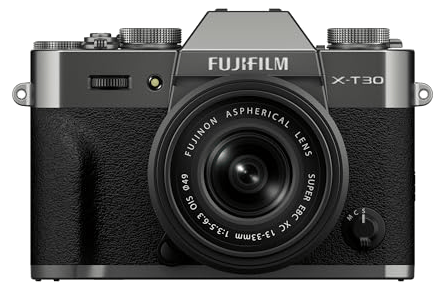
The Fujifilm X-T30 III shares the style notes of the compact X100VI. It has real dials for shutter speed and exposure compensation, plus a dial for Fujifilm’s Film Simulations. But it includes the added versatility of an interchangeable lens system.
The 26.1 MP sensor is impressive, and the Fujifilm is known for producing bright attractive images. The X-Processor 5 adds subject-detection autofocus and 6.2K video. When you first pick one up, you might be surprised at how small it is. Because in pictures it looks like an SLR, but it weighs only about 378 g.
The APS-C Fujifilm X-T30 III is a superb example of the excellent quality that can be found in mirrorless cameras. Even in this relatively low-cost model, there’s plenty to admire. It has no in-body stabilization and no weather sealing, though, so pair it with stabilized lenses for low light.

The Nikon Z6 III is a full-frame mirrorless camera. And it sits comfortably in the prosumer sector of the market. There’s plenty here to please the pro photographer and enough to delight the enthusiast.
The 24.5 MP sensor is partially stacked, so it reads out fast. That gives you a bright viewfinder and autofocus that detects nine types of subject.
In-body stabilization rated at up to 8 stops combines with Nikon lenses VR to give excellent control. And many users will love the 20 fps RAW burst speed, with up to 120 fps for JPEGs. Video goes up to 6K/60p internal RAW. At about 760 g with a battery, it is no lightweight, though.
With an ever-growing list of OEM and third-party Z-mount lenses, the Nikon Z6 III is well worth a look.
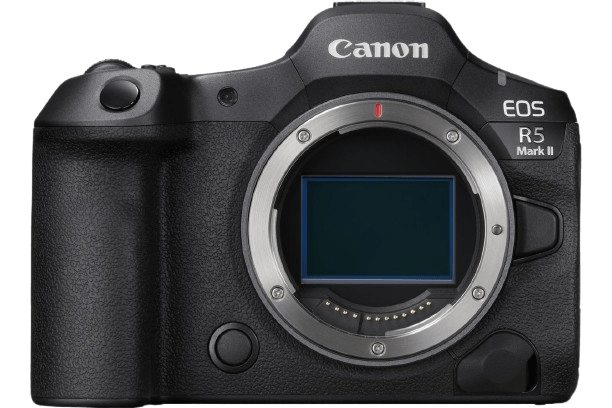
For a mirrorless powerhouse, you can try the Canon EOS R5 Mark II. It’s not their flagship mirrorless model. But it packs an enormous punch.
Starting with the sensor, you get a massive 45 MP resolution from a back-illuminated stacked sensor. It can also shoot at 30 fps using the electronic shutter. That’s impressive, but the Canon EOS R3 can make you look twice with short bursts at up to 195 fps!
Autofocus is super fast and covers the whole sensor. This is an advantage of the mirrorless design. It can also hold focus on a subject that is briefly hidden, and Eye Control AF picks a focus point from where you look in the viewfinder.
The Canon EOS R5 Mark II is as good as the EOS 5D and better in many ways. It outperforms it in resolution, burst speed, and image stabilization, just to name a few. It’s a great choice for the enthusiast, but it is a big investment, and its 8K video files fill cards quickly.
The Best Medium-Format Cameras
The term “medium format” comes from the days of film. When 35mm cameras used a 24 x 36 mm negative, a medium format camera used a 6 x 6 cm film (or, in the case of Bronica, a 6 x 4.5 cm). It’s “medium” because it’s not a full-size plate camera.
And in the days of film, the medium-format camera was the gold standard. David Bailey and Terry O’Neill are some of the famous users. But perhaps Buzz Aldrin and Neil Armstrong are the most famous. Because it was Hasselblad cameras that went to the moon.
Since the arrival of super-detailed full-frame sensors, it was a case of adapt or die for the medium-frame world. We’ve picked a couple of notable cameras for you to see.

It can come as a surprise that Fujifilm makes a medium-format camera. Many people my age saw Fuji as a cheap, point-and-shoot kind of camera. But they have vast experience in making high-end optical devices for industry and medicine. And the Fujifilm GFX100S II puts that expertise to good use.
Compact for its class at 883 g, the GFX100S II has a 102 MP sensor. It’s not a 6 x 6 cm format, but the 43.8 x 32.9 mm sensor has about 1.7 times the area of full frame. That extra space gives you more detail and smoother tonal gradations.
Medium-format cameras are ideal for landscape work, studio portraits, and other genres where the action is slower. The Fujifilm GFX100S II makes this sector more affordable than almost any other medium-format camera, and in-body stabilization rated at up to 8 stops makes it easy to shoot handheld. The trade-offs are a 7 fps burst and 4K/30p video, so it is not a sports or video camera.
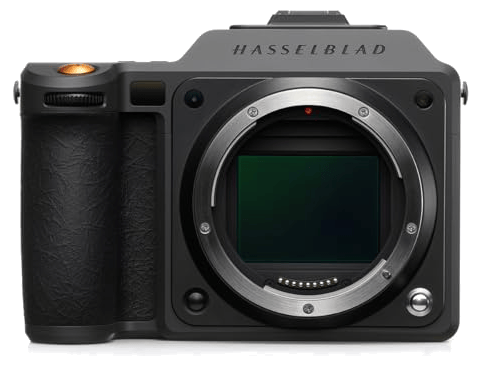
The iconic form factor of the classic Hasselblad 6 x 6 SLR is now a thing of the past. But fantastic medium-format Hasselblads are not. The Hasselblad X2D II 100C is a modern digital camera from the famous brand.
It boasts an extraordinary 100 MP sensor, delivering an impressive 15.3-stop dynamic range. With the size of those images, you’ll appreciate the 1 TB of internal storage, backed up by a CFexpress Type B card slot.
You’ll also love the sheer engineering excellence of this camera. In-body stabilization is rated at up to 10 stops, so slow handheld shutter speeds are realistic. Take it to the studio or out into nature, and you’ll capture images of stunning quality.
Autofocus now tracks people, animals and vehicles, but the 3 fps burst rules out action, and there’s no video. That’s not what medium format photography is about, though. The Hasselblad X2D II 100C is about as good as it gets in handheld digital cameras.
Conclusion
Maybe you’re a beginner, hobbyist, or looking to get into professional-level photography. No matter your level, there are many types of cameras to choose from that will suit your needs. You can even find a variety of cameras for kids.
Take the time to explore the features of several models before narrowing it down to a final choice.