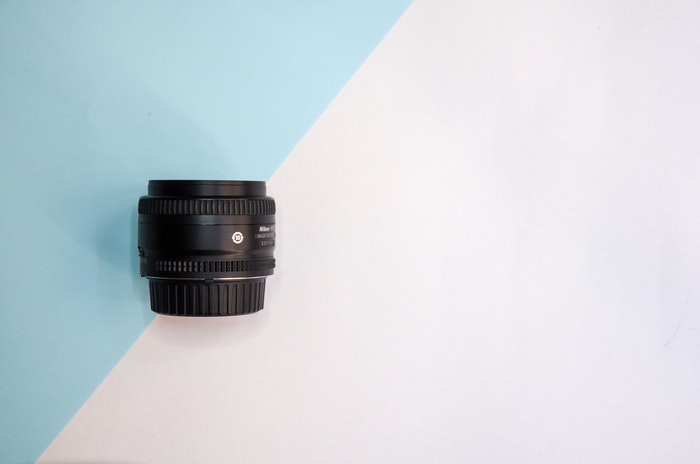
A wide-angle lens fits more of a scene into the frame than a standard lens on the same camera. On full frame, about 35mm or shorter is generally considered wide angle. On a smaller sensor, you need a shorter focal length for the same view.
That makes wide-angle lenses useful for landscapes, interiors, travel and pictures that show a person in their surroundings. But the widest lens is not always the best choice. Camera position, subject placement and focus matter just as much as how much you can fit in.
This guide explains where wide angles fit in your selection of lenses, how the main types differ and six practical ways to use them.
What Is a Wide Angle Lens?
A wide-angle lens has a short focal length and a broad angle of view for the sensor it covers. The focal length printed on a lens is an optical measurement in millimeters. It does not change when you attach the lens to a different camera.
On a full-frame camera, 35mm is a moderate wide angle, 24mm includes noticeably more of the scene, and 14–20mm gives a very broad view. The boundary between “wide” and “ultra-wide” is a convention, not a change in how the lens works. Manufacturers often use ultra-wide for focal lengths below about 24mm on full frame.
How Sensor Size Changes the View
The same 24mm lens gives a narrower view on an APS-C sensor than on full frame. The smaller sensor records a smaller area of the image projected by the lens. It does not turn the lens into a longer one.
To compare framing across formats, use full-frame equivalent focal length = actual focal length × crop factor. To find a lens that matches a full-frame view, divide the desired equivalent focal length by your camera's crop factor.
| Camera format | Typical crop factor | Lens for a view like 24mm on full frame | Lens for a view like 35mm on full frame |
|---|---|---|---|
| Full frame | 1× | 24mm | 35mm |
| Many APS-C cameras, including Nikon DX | 1.5× | 16mm | About 23mm |
| Canon APS-C | 1.6× | 15mm | About 22mm |
| Micro Four Thirds | 2× | 12mm | About 17.5mm |
These are approximate field-of-view comparisons, not guarantees of identical depth of field or lens rendering. Check your camera's actual sensor format and any image crop you have enabled. Canon's focal-length guide explains the 1.6× APS-C calculation; our full-frame and crop-sensor guide covers the broader comparison.
An 18mm lens on a 1.5× APS-C camera gives the view of a 27mm lens on full frame. On Canon APS-C it is about 29mm equivalent. A 35mm lens on APS-C is closer to a standard view than a wide one.
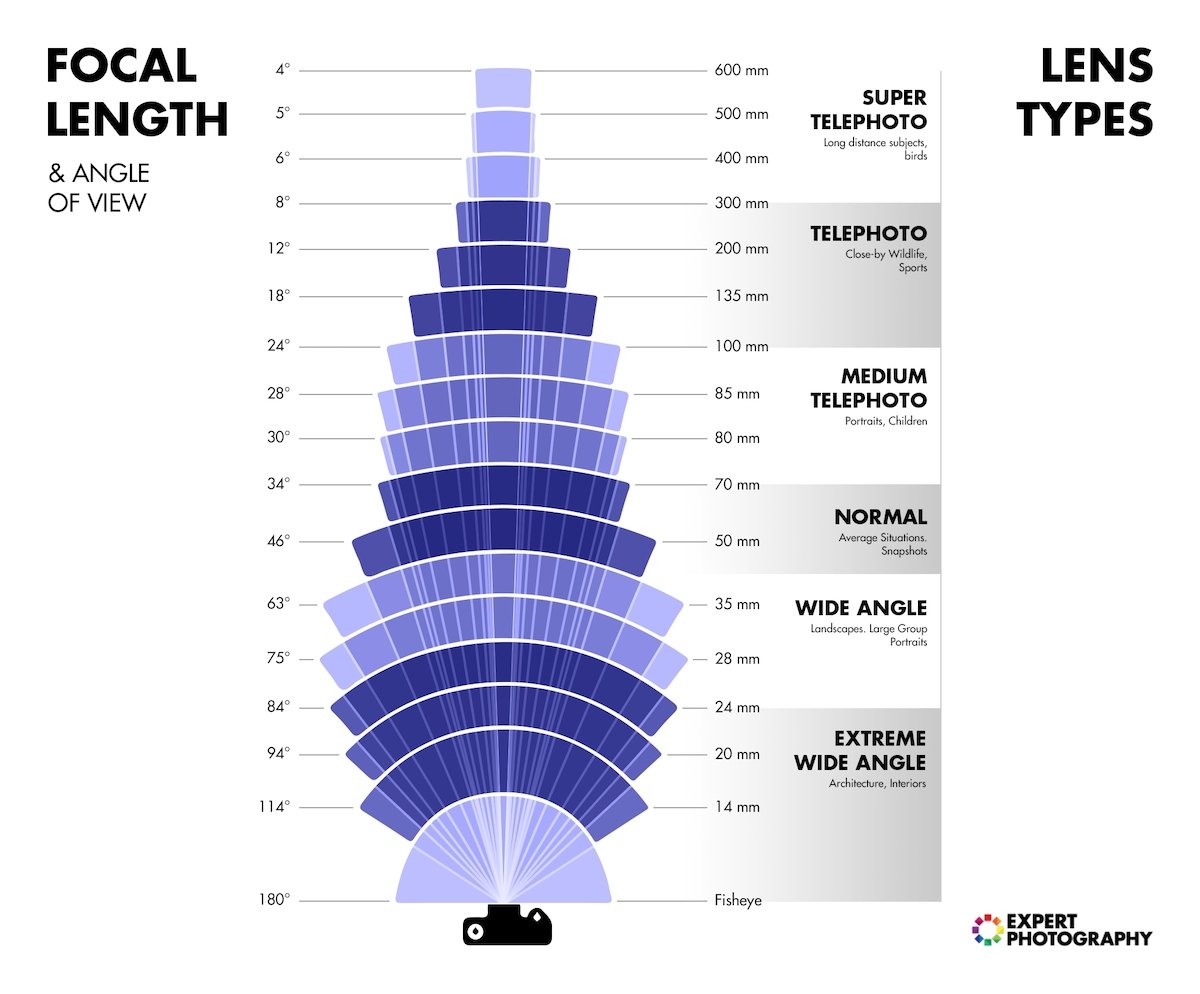
The chart below shows approximate diagonal angles of view for full-frame lenses, rather than horizontal angles or values that apply to every sensor. For example, Nikon specifies a 63° angle of view for its 35mm lens on FX and 44° on DX. The fisheye entry uses a different projection from the straight-line lenses above it; exact coverage depends on the fisheye and camera combination.
Does a Wide-Angle Lens Zoom?
Wide-angle lenses come in prime or zoom versions. A prime has one focal length; a zoom lets you change focal length without changing lenses. Moving with a prime changes your framing and perspective, without changing the selected focal length.
A small prime can be convenient for carrying a camera all day. A wide maximum aperture can help in low light. The Canon EF-S 24mm f/2.8 STM is a compact APS-C example, but its view on Canon APS-C is about 38mm equivalent, so it is closer to standard than wide.
Zoom lenses help when you cannot move freely or need several compositions quickly. Some cover wide, standard and telephoto focal lengths. Others concentrate on a wide range. Prime lenses and zooms both vary in weight, sharpness, aperture and cost; neither type is automatically better.
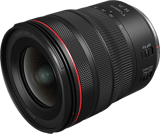
The Canon EF 16-35mm f/2.8 III is a wide-angle zoom for the EF system. The Canon RF 15-35mm f/2.8L IS USM covers a similar role in the RF system. Check the mount and sensor format before choosing either.
How Wide Should You Go?
Start with the view you need, rather than the smallest millimeter number. A 24–35mm equivalent view can include surroundings without making a distant subject too small. A 14–20mm equivalent view is useful when space is tight or a nearby foreground is central to your composition.
A wider lens also includes more distractions. Before buying another lens, try the widest setting on your current zoom. See whether the missing space is the real problem, or whether a different camera position gives a stronger picture.
What Are the Main Types of Wide-Angle Lenses?
Fisheye and rectilinear describe how a lens projects the scene. Tilt-shift describes an additional set of lens movements; it is not a third projection type. A wide-angle tilt-shift lens can also be rectilinear.
1. Fish-Eye Wide-Angle Lens
Fish-eye lenses use a curved projection to capture an exceptionally broad view. Many cover 180° diagonally or across a circular image, but that is not a universal figure for every fisheye and sensor.
Straight lines away from the image center become curved. This is an intentional characteristic, rather than ordinary barrel distortion that a lens profile is meant to remove. See our explanation of lens distortion.
The Rokinon 8mm f/3.5 HD is an example of a fisheye designed for crop-sensor cameras. A fisheye can also zoom: the Canon EF 8-15mm offers circular and frame-filling fisheye views on full frame. Nikon's historic 6mm f/2.8 fish-eye is another specialist example. These are different designs, so compare their stated sensor coverage and angles of view, not focal length alone.
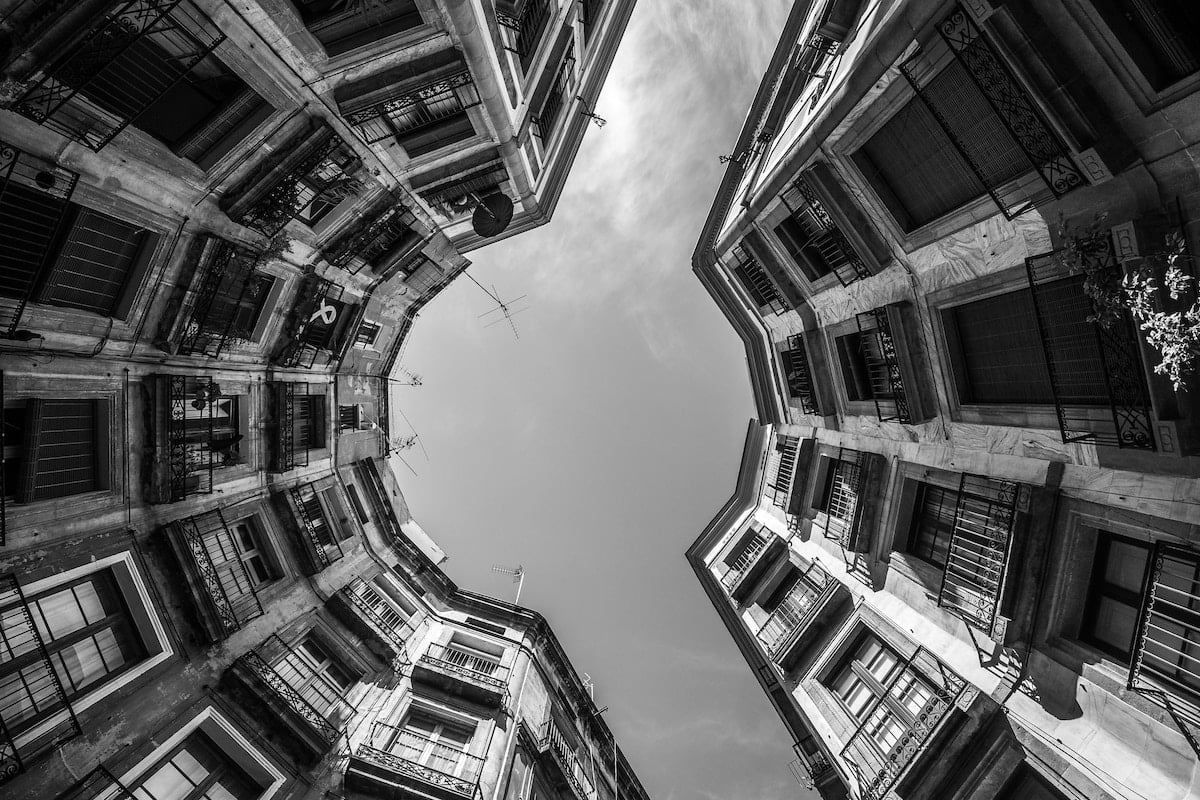
Shot with an Olympus OM-D E-M10 Mark II and a fish-eye lens. 8mm, f/5.6, 1/180 s, ISO 100. Photo by Peyne François (Unsplash)
2. Rectilinear Wide-Angle Lens
A rectilinear lens is designed to keep straight lines straight. It is the usual choice for interiors and architecture when you want a straight-line rendering rather than a fisheye effect.
Some rectilinear lenses still have optical barrel distortion, where straight lines bow outward. Camera or editing-software lens profiles can correct this. Rectilinear projection can also stretch objects toward the frame edges, even when the straight lines are correctly rendered.
The Rokinon 10mm f/2.8 ED, Samyang XP 10mm f/3.5 and Voigtlander 10mm f/5.6 illustrate why sensor coverage matters. The Rokinon is designed for APS-C, while the Samyang XP and Voigtlander are full-frame designs. Equal focal lengths do not guarantee equal views on different formats.
A fisheye lens and a rectilinear lens can also show different views on the same sensor at the same focal length, because their projections differ.
The Canon EF 28mm f/1.8 USM is a moderate wide-angle prime on full frame. The Canon 24mm f/1.4L II is one of my favorites. RF-system examples include the RF 28mm f/2.8 STM and RF 24mm f/1.8 Macro IS STM. Their full-frame views become narrower on APS-C bodies.
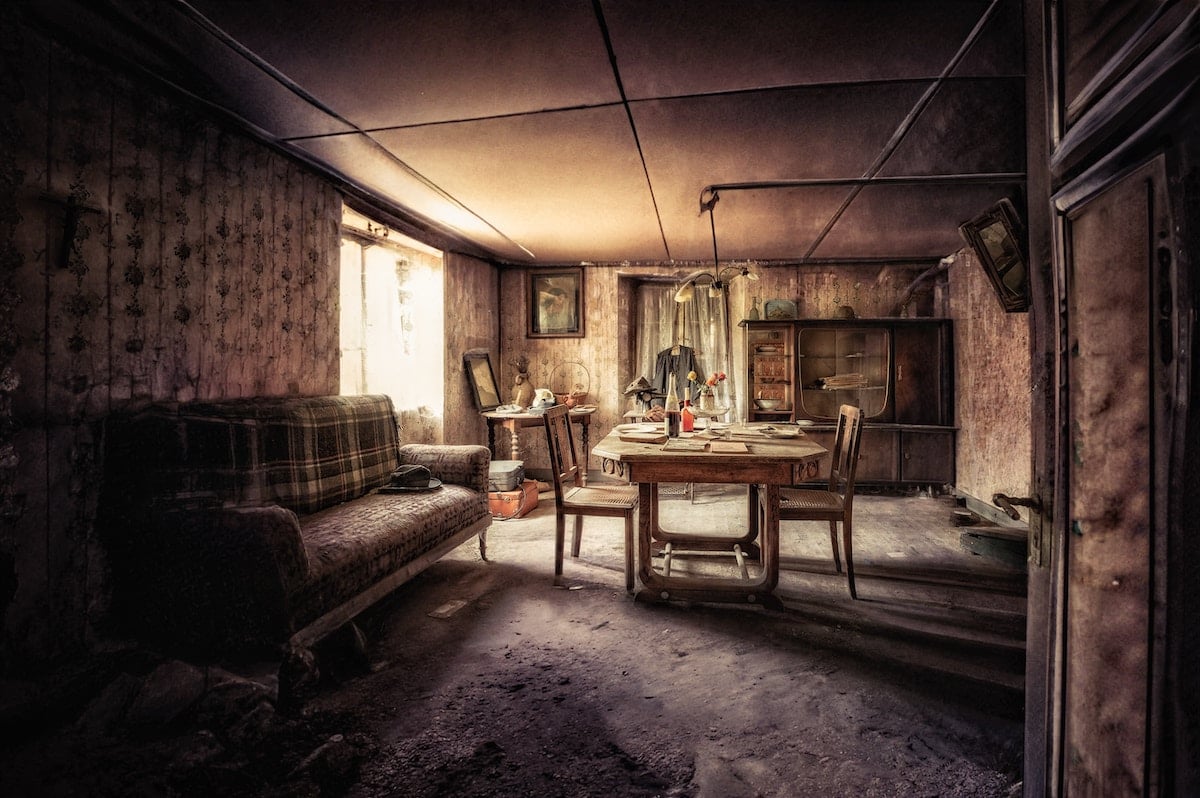
Lines straightened. Shot with a Nikon Z6 II at an ultra-wide angle. 14mm, f/6, 1 second, ISO 125. Photo by Peter Herrmann (Unsplash)
3. Tilt-Shift Wide-Angle Lens
Pointing a camera upward at a building makes its vertical lines converge. That comes from the viewing geometry, not necessarily a fault in the lens.
With a shift lens, you can keep the camera level and shift the lens to include more of the building above you. The larger image circle permits this movement without having to tilt the camera upward. Tilt has a separate role: it changes the orientation of the plane of focus.
Tilt-shift lenses require careful setup. They do not guarantee a distortion-free or fully sharp image, and not every tilt-shift lens is wide angle.
My favorite is the Canon TS-E 24mm f/3.5L II. Its shift and tilt controls serve different purposes. A camera's digital miniature or “tilt-shift” effect, like the function named in the caption below, imitates selective blur; it does not give the camera an optical shift mechanism.
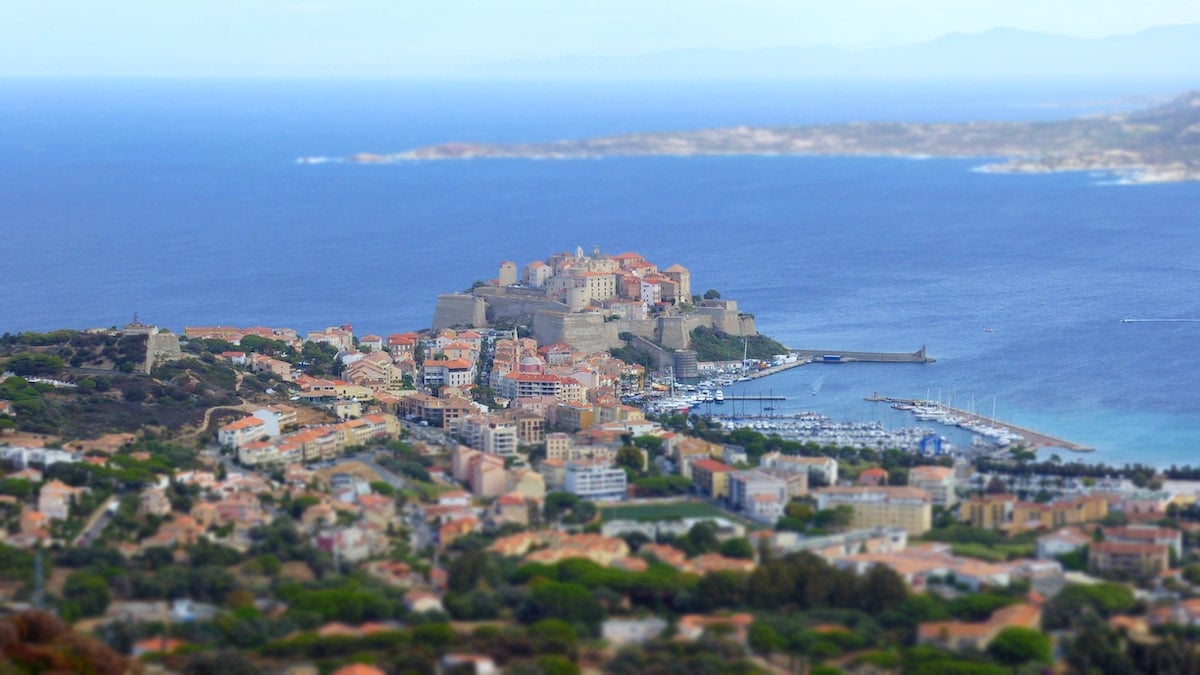
Shot with a Panasonic DMC-TZ61 and its tilt-shift function. 17.5mm, f/5, 1/320 s, ISO 100. Photo by Xavier Foucrier (Unsplash)
Perspective, Distortion and Focus: What to Watch For
Camera position controls perspective. Move close to a foreground rock and it looks large relative to a distant mountain. Step back and the size difference becomes less pronounced. A wide lens lets you include that foreground from a close position, but changing focal length from the same position mainly changes the framing. It does not move the foreground or background relative to the camera.
For people, leave some distance between the camera and the face, and avoid placing faces at the extreme edges of a very wide rectilinear frame. A close nose can appear large relative to the ears; edge placement can introduce additional stretching. Move back, bring important faces toward the center and crop the frame if necessary. Our perspective guide explains how position changes the picture.
Keep three issues separate when correcting an image:
- Bowed straight lines: use the appropriate lens profile or optical distortion controls.
- Converging building lines: keep the camera level at capture, use shift when available, or apply a perspective correction afterward.
- Large near objects or stretched faces: adjust camera distance and placement first. A barrel-distortion profile does not recreate a different viewpoint.
Corrections can remap and crop the image edges, so leave room around important subjects. Adobe's lens-correction guide treats lens distortion and camera-tilt corrections separately.
Wide-angle does not mean everything will be sharp. At the same aperture and focus distance on the same format, a shorter focal length gives more depth of field. But a very close foreground, a wide aperture or a poorly chosen focus distance can still leave part of the scene blurred.
For a still landscape, f/8 or f/11 can be a useful starting point. Focus on a deliberate part of the scene, then enlarge a test image to check the nearest important detail and the background. Adjust focus or aperture if needed; the smallest aperture is not automatically the sharpest setting. Choose autofocus or manual focus for the subject and light, rather than assuming one method suits every wide-angle shot.
6 Best Ways to Use a Wide-Angle Lens
Wide-angle lenses work best when the surrounding scene matters. Pick a main subject, then use the extra space to support it. A fisheye is also useful for creative purposes when the curved rendering is part of the picture.
1. Street Photography
I often use my wide-angle lens for street photography. A 24mm or 35mm equivalent view can show a person together with the street, reflections or nearby activity.
Move only as close as the composition and situation require. Getting closer increases the size of nearby subjects relative to the background, which can give a sense of presence. You can also stay farther away for a less exaggerated view. Watch the edges for cut-off people and distracting signs.
A wide maximum aperture can help keep the shutter speed high in low light, but it reduces depth of field. Check focus on the subject rather than relying on the wide view to hide a missed focus.
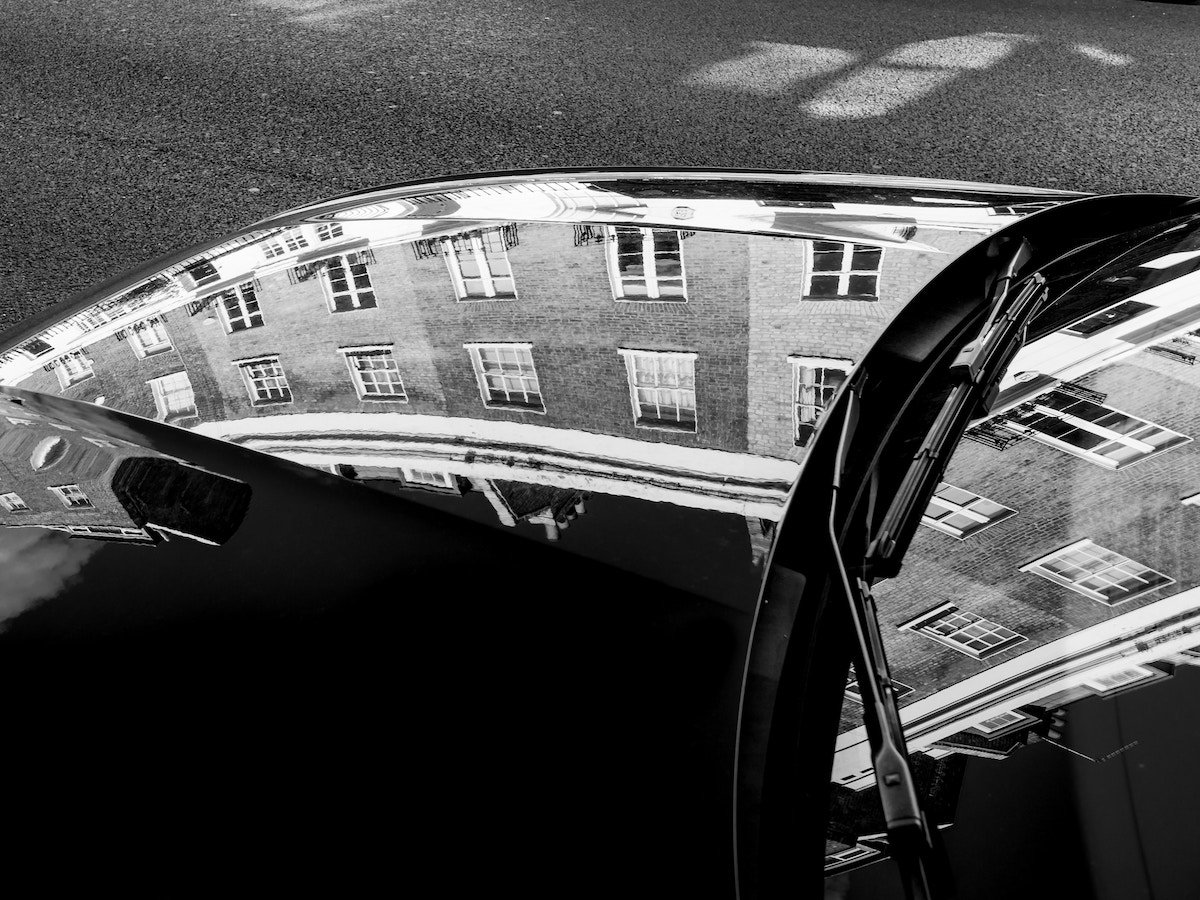
Shot with a Leica TL2. 18mm, f/6, 1/125 s, ISO 125. Photo by Peter Herrmann (Unsplash)
2. Travel Photography
Check what your current lens already covers before packing another one. An 18mm APS-C kit zoom offers a moderately wide view of about 27–29mm equivalent. That may be enough for streets and many landmarks. Tight interiors or a strong foreground can call for a wider lens.
I seldom bring a standard zoom lens when traveling. Instead, I rely on a wide-angle prime lens and a short telephoto prime.
My two favorite lenses for travel are the 24mm f/1.4 and the 85mm f/1.8. Sometimes, I throw in a 40mm f/2.8 pancake lens because of its tiny size. Learn to edit your landscape photos in our Epic Landscape Editing video course.
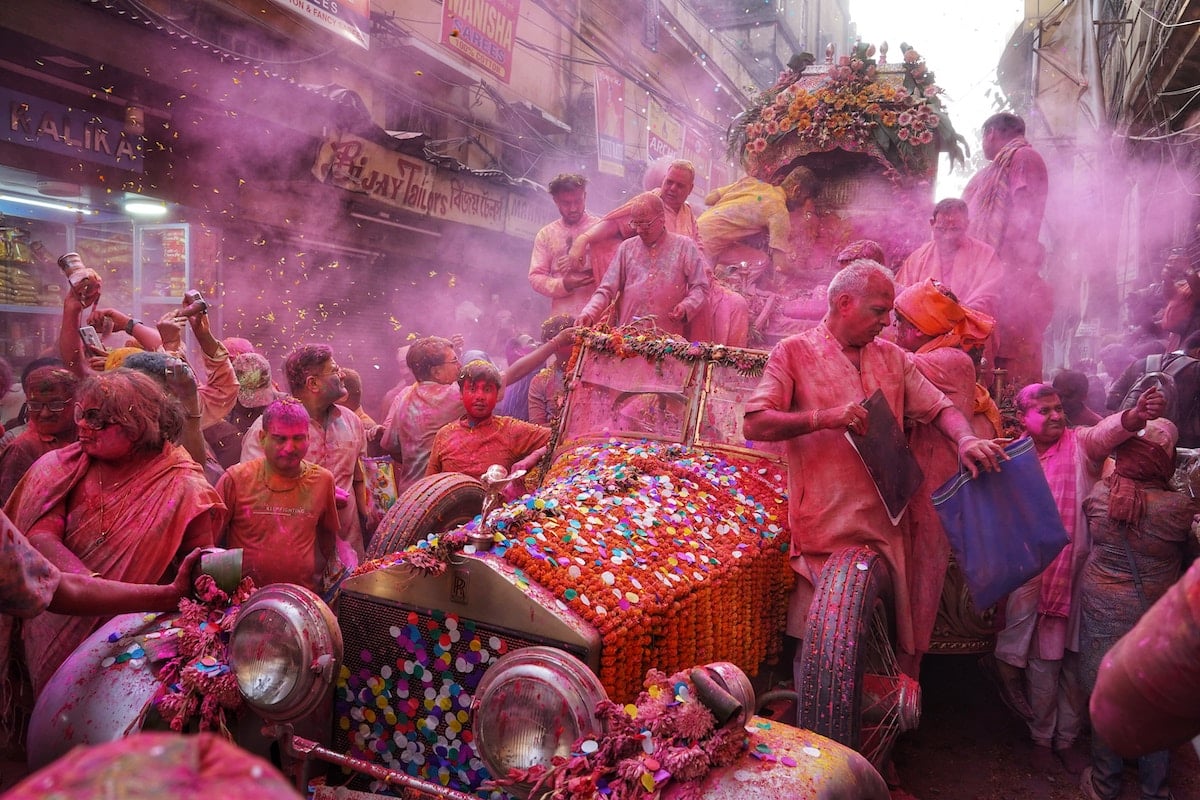
Shot with a Sony a7C and 28-60mm wide angle lens. 28mm, f/6.3, 1/400 s, ISO 800. Photo by Dibakar Roy (Unsplash)
3. Architecture and Real Estate Photography
A wide lens helps when you cannot step back far enough to include a room or building. Use only as much width as you need: an extreme view can stretch furniture at the edges and make a room's proportions misleading.
Keep the camera level for upright verticals. If that leaves too much floor or cuts off the top of a building, consider a shift lens or leave room for a later perspective crop. Aperture, focus and corner detail still matter, especially with nearby furniture and distant walls in one frame.
Samyang is another manufacturer with tilt-shift options. Check the specific lens's mount and movement controls. Check out our Picture Perfect Properties eBook to learn about real estate photography.
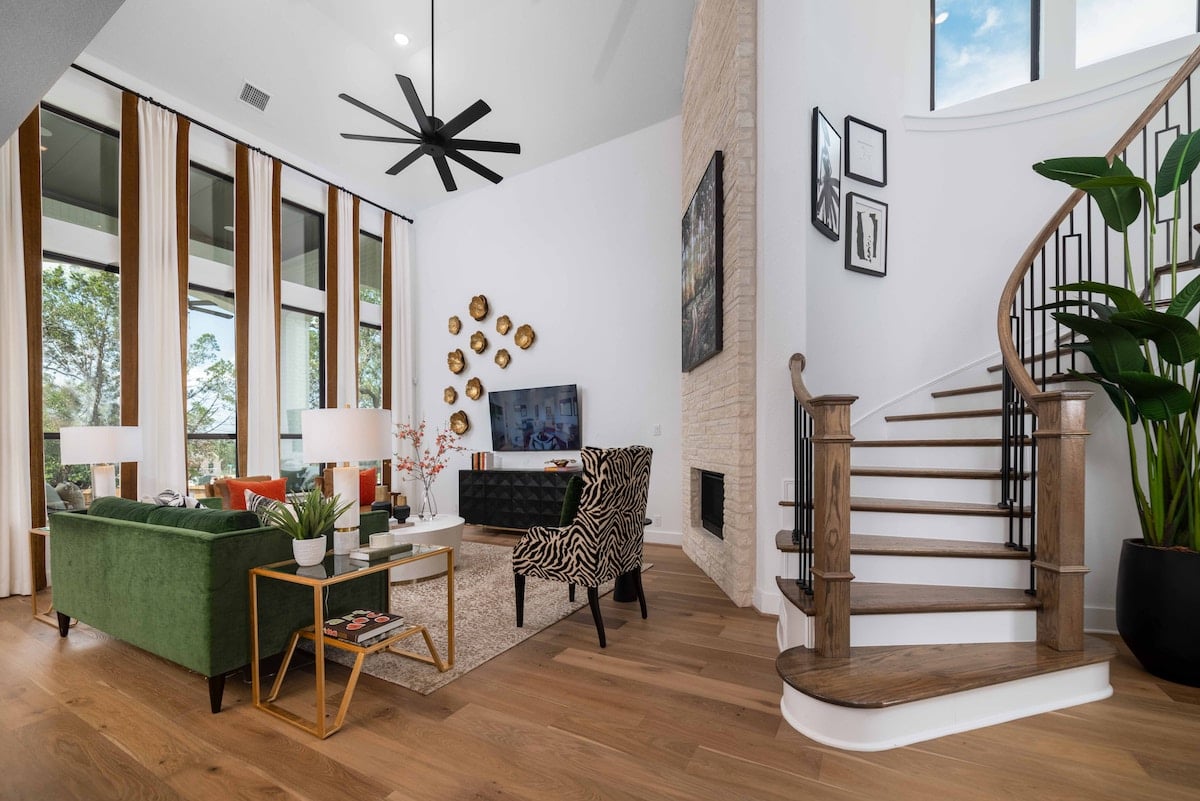
Shot with a Nikon D850 and an ultra-wide angle lens. 14mm, f/7.1, 1/320 s, ISO 200. Photo by Justin Wolff (Unsplash)
4. Landscape Photography
A wide lens can connect a nearby foreground to a distant landscape. Lower the camera or move closer to a rock, path or patch of flowers when that foreground helps the composition. If the distant mountain becomes too small, try a longer focal length instead.
Use a tripod when the chosen exposure calls for one. Aperture remains important for depth of field, even on a tripod. Check foreground and background focus, and consider separate focus exposures for a still scene if one frame cannot cover the range you need.
The lens we love for landscapes is the Canon EF 16-35mm f/4. You can learn the ins and outs of landscape photography in our Simply Stunning Landscapes and Epic Landscapes Editing courses.
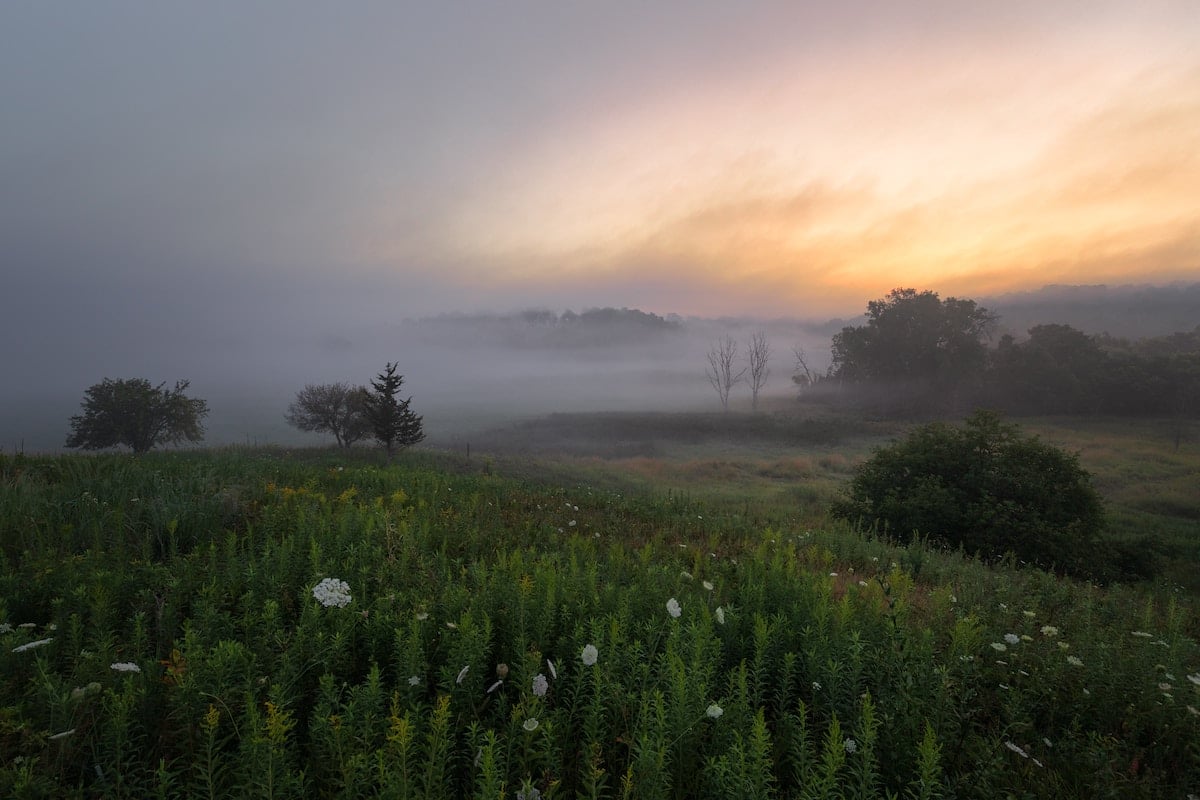
Shot with a Canon EOS 5D Mark IV. 15mm, f/10, 0.3 s, ISO 400. Photo by Dave (Unsplash)
5. Event Photography and Photojournalism
Use a wide view for the setting, a group or a subject's relationship to the surrounding action. It complements tighter pictures rather than replacing a longer lens. For groups, keep important faces away from the extreme edges and avoid placing one person much closer to the camera than the others unless that scale difference is intentional.
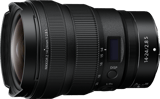
A wide zoom lets you change framing quickly. Canon has a 16-35mm f/2.8 version, and Sony has one. Nikon makes a 14-24mm f/2.8, along with Sigma. Check the exact model and mount rather than treating these as interchangeable.
Set the shutter speed for the subject's movement. If the light is low, use a wider aperture or raise ISO as needed. Image stabilization can help with camera movement, but it does not freeze a moving person.
I prefer wide-aperture primes for some low-light work and am a fan of a 24mm f/1.4 lens. Tamron sells a 35mm f/1.4, which I like a lot. Sigma's 20mm f/1.4 lens gives a broader full-frame view, and the 14mm f/1.8 is wider still. Select the view and handling that suit the assignment; a wider lens is not automatically more useful.
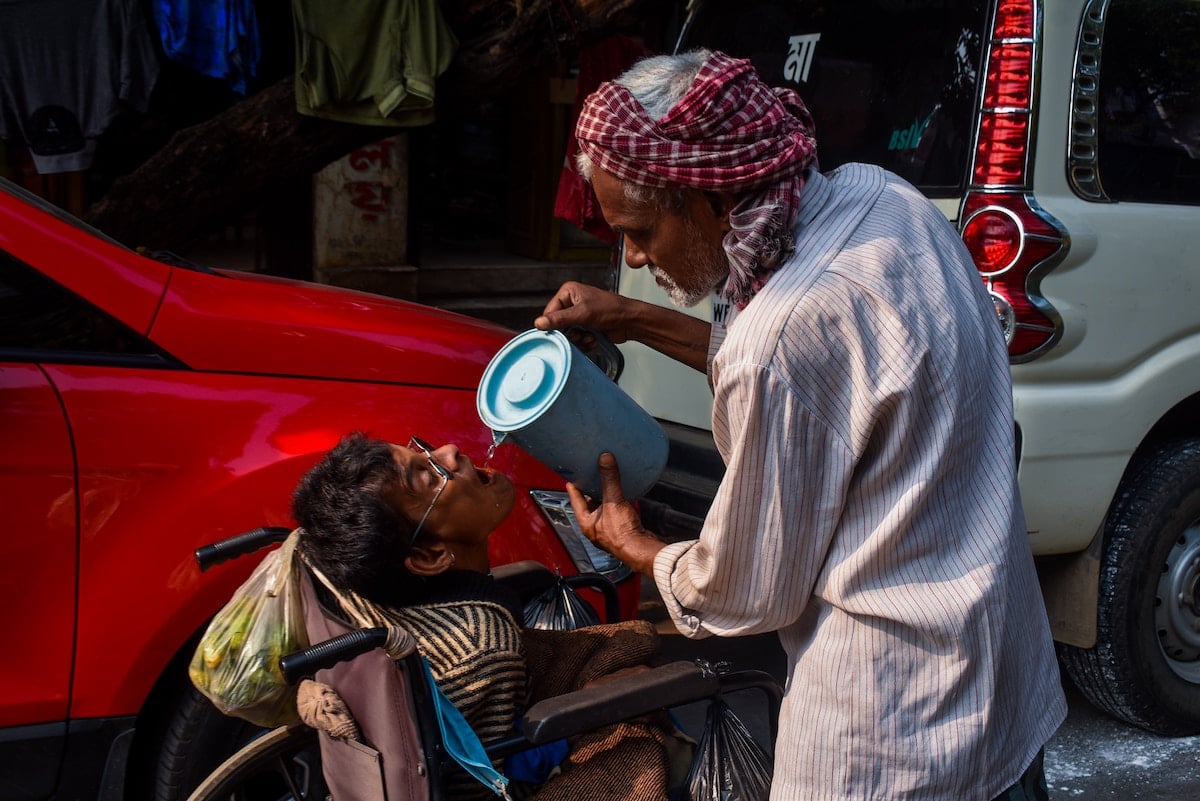
Shot with a Nikon D5500 and its 18-35mm kit lens. 32mm, f/10, 100 s, ISO 100. Photo by Abhyuday Majhi (Unsplash)
The image above illustrates how a subject can be shown in its surroundings. The caption's 32mm focal length on a Nikon D5500 is about 48mm full-frame equivalent, so this particular example is not a wide-angle view. The original caption's settings are not a suggested exposure for moving people.
6. Night Sky Photography
A wide lens can include the Milky Way together with the landscape. A wide maximum aperture lets you collect more light without lengthening the exposure as much. The Sigma 14mm f/1.8 is one example. Check the selected mount version before buying.
Use a stable tripod and check star focus with an enlarged live view or test frame. Do not assume that turning the focus ring to its stop gives accurate infinity focus. The exposure needed to keep stars as points depends on the field of view, camera and how closely you inspect the result. Review a test image for trails and corner quality instead of copying another photograph's settings.
Follow our guide in the Milky Way Mastery course to learn about this field and its use of wide-angle lenses.
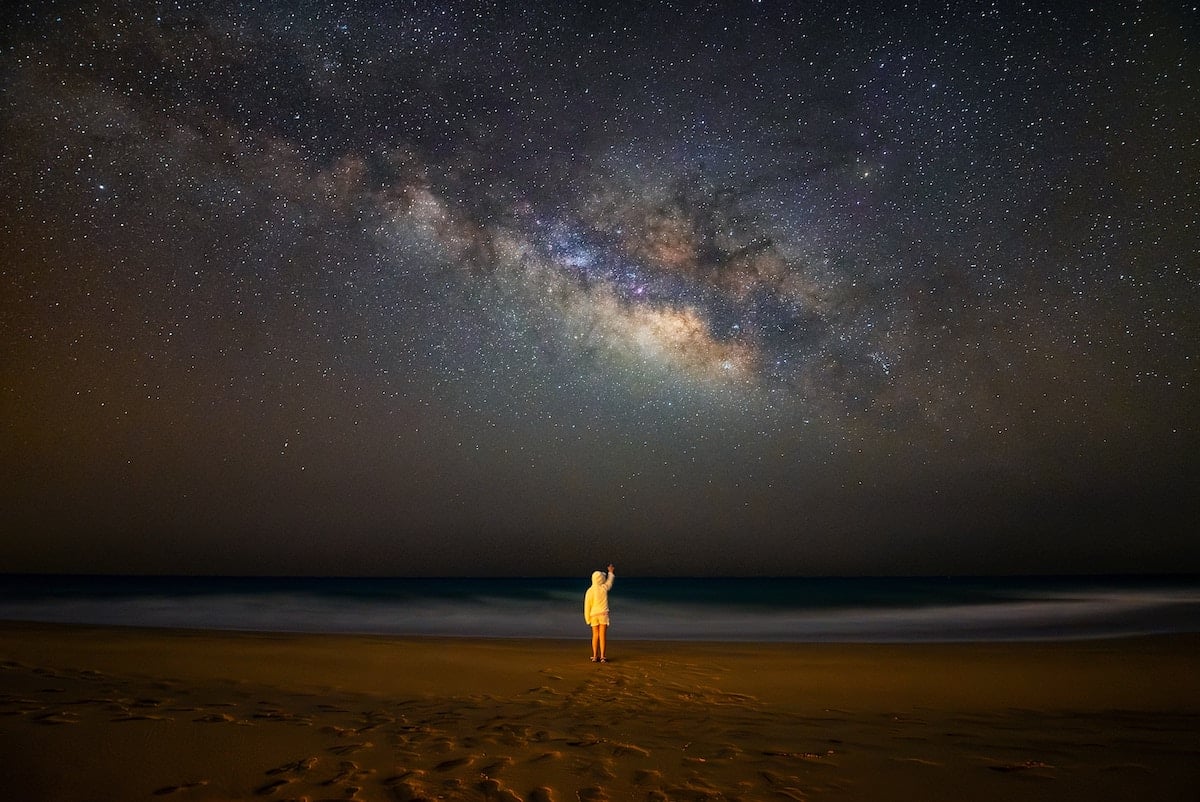
Shot with a Nikon Z5. 17mm, f/2.8, 160 seconds, ISO 6400. Photo by Evgeni Tcherkasski (Unsplash)
Why Not Use Your Normal Lens?
For a still scene, you can take overlapping pictures with a 50mm lens and stitch them together with software. The number of frames depends on sensor format, orientation, overlap and the view you want; there is no fixed count that reproduces a 16mm or 28mm view.
Editing software such as Adobe Photoshop or Lightroom can combine the frames. Overlap them consistently and keep exposure and focus consistent. Moving people, wind-blown foliage and very close objects can make the joins harder to align.
The related shallow-depth-of-field panorama technique is associated with wedding photographer Ryan Brenizer. It combines a broader composition with the rendering from multiple longer-lens frames. It takes more setup than one wide-angle exposure, so choose it for a subject that can stay still between frames.
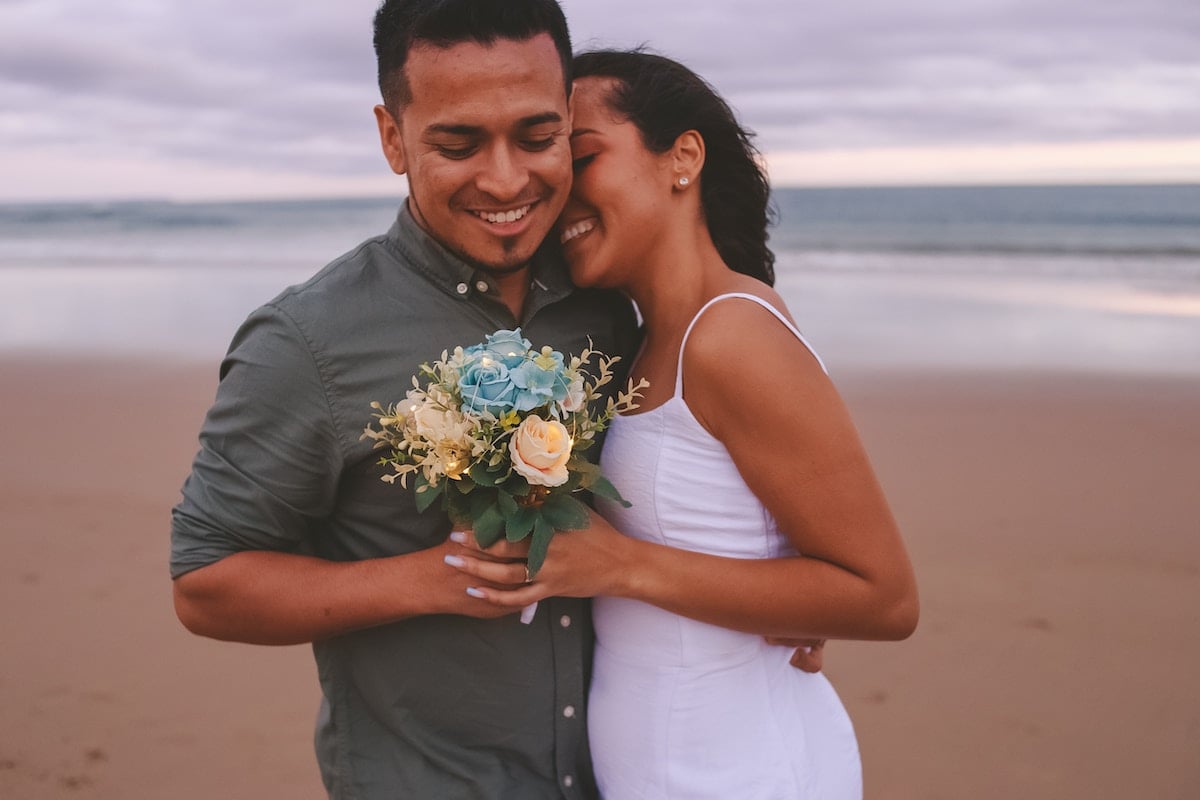
Shot with a Canon EOS 6D. 35mm, f/3.5, 1/200 s, ISO 2000. Photo by Letícia Pelissari (Unsplash)
Conclusion: What Is a Wide Angle Lens?
A wide-angle lens gives a broad view relative to your camera's sensor. Think in full-frame equivalents when comparing formats, and choose fisheye or rectilinear rendering for the effect you want.
Start with a clear subject. Move the camera to control foreground and background scale, keep important faces away from extreme edges and check focus across the scene. That gives you more control than simply choosing the widest lens available.
For help choosing a model, read our Canon wide-angle lens guide. Check mount, sensor coverage, focal range, size and the aperture you need before using the existing prime and zoom selections on this page.