Music photographers capture live concerts, band portraits, backstage stories, and album artwork. Mick Rock, Bob Gruen, and Deborah Feingold show how a photograph can become part of an artist's public identity.
The 16 photographers below span classic rock, hip-hop, pop, and country. You'll find established archives alongside contemporary portfolios, with examples to study for your own music photography. Look at how each photographer handles the performer, the setting, and the moment.

© Maggie London
What Is Music Photography?
Music photography covers images made of musicians and the world around their work. The type that first comes to mind is concert photography, where the photographer captures bands or solo artists performing live.
This form of event photography brings changing light, fast movement, and several subjects to watch at once. A strong frame might show a singer's expression, a guitarist's leap, or the crowd's response.
Music photography also includes promotional photoshoots, from a solo artist's publicity portrait to a group image for an album release. Behind-the-scenes photographs can tell the quieter story of rehearsals, travel, and life backstage.
That's why music photographers are often excellent portrait photographers. They have to master single and group portraits. They also need to know how to shoot proper environmental portraits of the artists on location. The setting should tell us something about the person, as well as provide a backdrop.

© Mel D. Cole
16 Music Photographers You Need to Know
For concert timing, start with Todd Owyoung and Maggie London. For musician portraits, compare Mick Rock, Deborah Feingold, and Charlotte Patmore. For stories that extend beyond the stage, explore Bob Gruen, Allister Ann, and Andy Barron.
Mick Rock
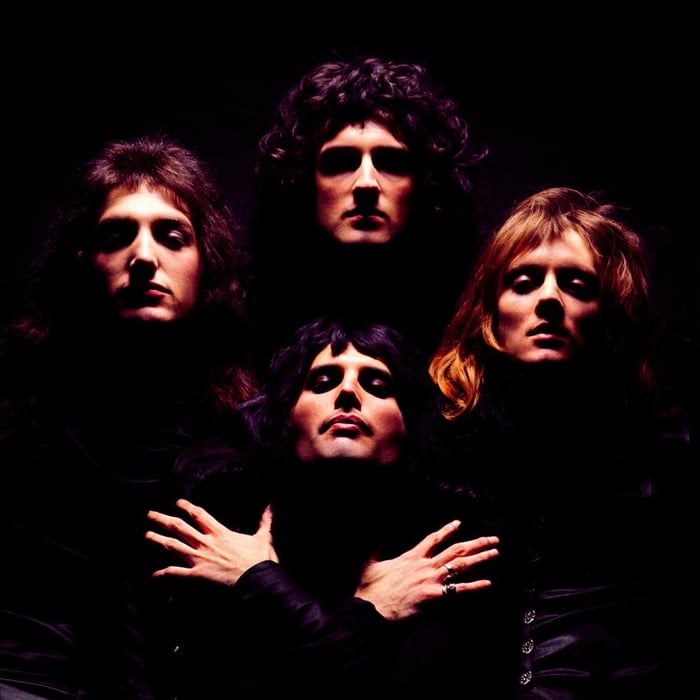
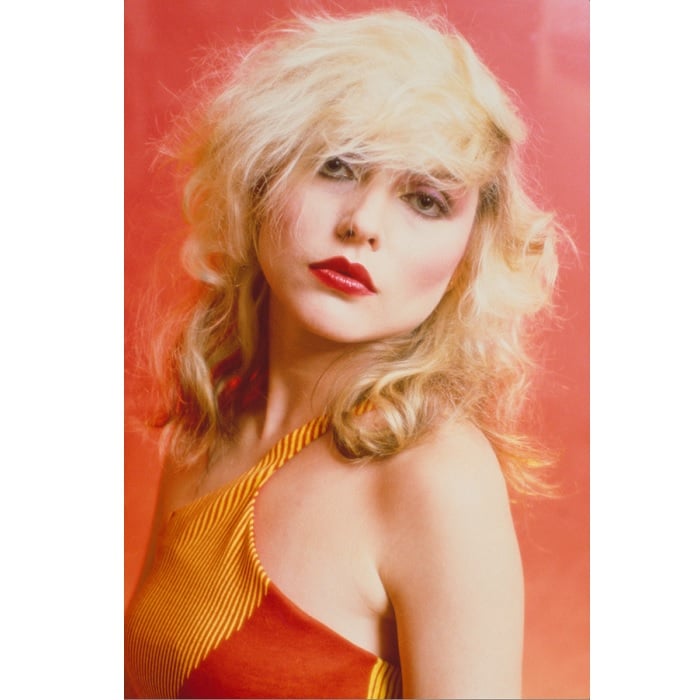
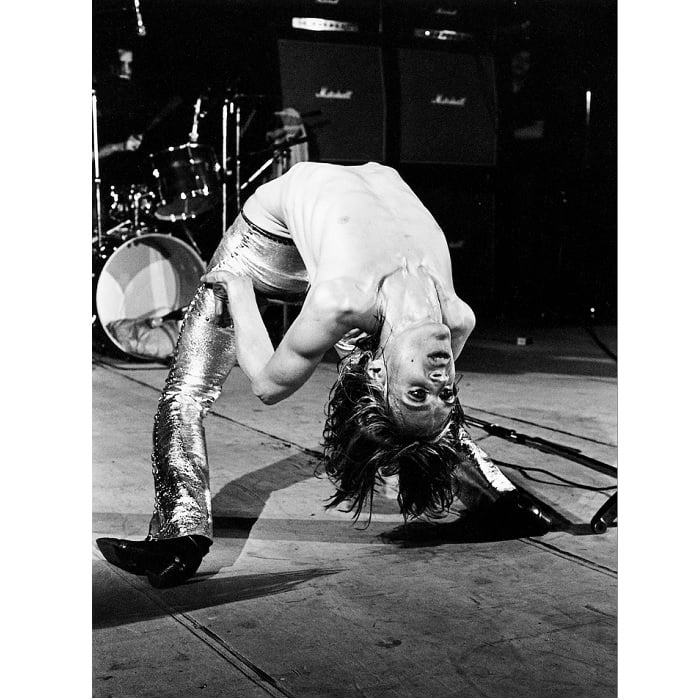
One of the most appropriately named photographers of all time, Mick Rock helped shape the look of rock music in the 1970s. His subjects included David Bowie, Lou Reed, Queen, Iggy Pop, and Debbie Harry.
His archive brings together concert photographs, backstage moments, and studio portraits. His close relationships with the musicians gave him access to both their public image and their private side.
Rock's portraits are a good place to study how much personality can fit into a simple frame. Compare the group arrangement in the Queen photograph with the single-subject portraits. A band needs to read as a group while each member still has a presence.
Mick Rock: Website | Instagram
Mel D. Cole
Mel D. Cole is a New York City-based photographer whose music subjects include Beyoncé, Kendrick Lamar, the Roots, and Drake. His music portfolio separates the work into On Stage, All Access Pass, and Album Covers, making it easy to explore different sides of the job.
That range is what makes his work worth your time. The concert photographs deliver the spectacle, while the backstage work brings you closer to the people making it.
His photojournalism extends that interest in people beyond music. Cole has documented the George Floyd protests and the January 6 Capitol attack. In both fields, his work invites you to look at the people around an event as well as its central figure.
Mel D. Cole: Website | Instagram


Todd Owyoung
Todd Owyoung's concert photography is all about energy. His images bring together the performer, the lights, and the scale of the stage.
His work also includes musician portraits and tour photography. He moves between small clubs, major venues, studio shoots, and life on the road.
For your own concert photography, use his work to think about timing and framing together. An expressive gesture is stronger when the surrounding light and stage give it room. Compare the wide performance shots with the tighter frames to see what each distance contributes.
Todd Owyoung: Website | Instagram


Bob Gruen
Bob Gruen's archive is a starting point for anyone interested in classic rock, punk, and New York's music scene. He toured with bands including the Clash, the Ramones, and Blondie, and became a friend and photographer to John Lennon and Yoko Ono.
I was introduced to Gruen's work in my teens. I was a huge fan of the Clash, and his photos of the band make me extremely frustrated I was born 30 years too late to see them live.
The appeal goes beyond being close to famous people. His concert and backstage photographs give a sense of the bands' lives as well as their performances. Follow one artist through a series and notice how the quieter photographs change your reading of the live shots.
Bob Gruen: Website | Instagram


Cam Kirk
Cam Kirk's photography is closely connected with hip-hop. His portfolio includes Migos, Gucci Mane, Future, Lil Yachty, and Metro Boomin with 21 Savage.
The work spans artist portraits, editorial assignments, and brand campaigns. His site also presents projects such as Megan Thee Stallion for Nike and Young Thug for Giuseppe Zanotti.
Kirk is a good photographer to explore if you're interested in how a musician's image carries into a campaign. Compare the artist-led photographs with the branded projects. Pay attention to the role of clothing, setting, and pose, and how those choices give a portrait its identity.


Charlotte Patmore
Charlotte Patmore is a London-based photographer and director whose client list includes Universal Music, Sony Music, and XL Recordings. The examples here show her work with Charli XCX, King Krule, and Self Esteem.
Patmore is a brilliant portrait photographer with a style that can feel relaxed in one image and full of attitude in the next. The portraits have character without needing every subject to perform the same pose.
Look at the relationship between the person and the setting. A low viewpoint, a corner of a room, or open sky can change the feel of a musician's portrait. Use those choices to plan a shoot around the artist's personality.
Charlotte Patmore: Website | Instagram


Deborah Feingold
Deborah Feingold's archive is worth exploring alongside other women photographers who have shaped music portraiture. Her subjects include Madonna, Prince, Keith Richards, and Tina Turner.
Her jazz collection also gives the work a historical thread, with dated photographs of Chet Baker, John Scofield, and other musicians from the 1970s and early 1980s.
Feingold's portraits move between close views, studio arrangements, and locations that become part of the picture. They reward a slower look. Notice the subject's hands and posture, then consider what the setting adds. A portrait can suggest a personality without explaining everything about it.
Deborah Feingold: Website | Instagram


Danny Clinch
Danny Clinch combines musician portraits with concert and backstage photography. His work has appeared in Vanity Fair, Rolling Stone, and GQ, as well as on album covers.
His studio work often has a casual feel, but it's the environmental portraits that really sing. The examples here move from a live performance to Willie Nelson with a guitar and the Beastie Boys in a backstage huddle.
That variety is a reason to spend time with a whole series. A musician's surroundings and the people beside them can tell a story that a close-up cannot. Clinch's work is a reminder to look for the moments between the big stage gestures.
Danny Clinch: Website | Instagram


Allister Ann
Allister Ann is based in Nashville and Los Angeles, with work that ranges from documentary photographs to editorial projects. Her music career includes work with the Civil Wars and Kenny Chesney.
In a 2024 interview with The House Magazine, she describes carrying both film and digital cameras and choosing the tool to suit the moment. She also talks about staying present on tour and noticing quiet moments.
Her portraits and concert images offer two ways into the same musician's world. If her film work makes you want to try the medium, our guide to 120 medium format film explains one option. Choose your format to suit the photographs you want to make.
Allister Ann: Website | Instagram


Raven B. Varona
Raven B. Varona, also known as Ravie B, is a Bronx-born photographer and director. Her music work includes Adele's Las Vegas residency and Beyoncé and Jay-Z's On the Run II tour.
Her photographs cover both the scale of a performance and more intimate views of the artist. The Adele portrait shown here offers a different kind of connection from the live shots beside it.
For inspiration, compare how much space the performer occupies in each frame. A close portrait directs attention to expression. A wider stage photograph can bring movement, lighting, and atmosphere into the story. Varona's range makes that comparison worth making.
Raven B. Varona: Website | Instagram


Robert Whitaker
Robert Whitaker's Beatles photographs give a view of the band beyond the public performance. He photographed them at home, during studio sessions, and backstage.
The collection also includes other musicians, including Cream. Together, the pictures show several sides of music in the 1960s.
Look at how the Beatles occupy the same space in the group images. Their positions and interactions matter as much as each face. If you photograph bands, that is a point to take into your next session: a group portrait can show relationships as well as individual personalities.
Robert Whitaker: Website | Instagram


Isha Shah
Isha Shah's work is rooted in London's live music scene. Her portfolio brings together music, portraits, brands, and tour photography, showing how those assignments can overlap.
Her portraiture and fashion photography share the colorful, lively approach that makes her music images stand out. The concert examples here add a psychedelic edge to the performance.
Shah's work is a prompt to treat stage color as part of the picture. Compare the effect of the pink light with the more surreal image beside it. Alongside expression and timing, the color itself can be a reason a concert photograph stays in your mind.
Isha Shah: Website | Instagram


Armen Keleshian
Armen Keleshian grew up in Beirut, Lebanon, before moving to Los Angeles, California. His work includes behind-the-scenes photographs and personal moments with artists such as Drake, Rihanna, and Snoop Dogg.
The appeal of that access is the chance to see a different side of a performer. His archive moves beyond the view an audience gets from the crowd.
When you explore it, pay attention to the everyday surroundings as well as the recognizable faces. A recording session, a conversation, or a pause backstage can help a music story feel complete. Those moments are worth looking for when you have permission to photograph beyond the show.
Armen Keleshian: Website | Instagram


Andy Barron
Andy Barron's portfolio brings together tour life, portraits, and live performances. Chris Stapleton features throughout, alongside artists including Kendrick Lamar, Katy Perry, and Billie Eilish.
The range makes Barron's work a starting point for thinking in sets of images. A single concert photograph captures a moment; a sequence can suggest what it feels like to travel and perform with an artist.
Compare the wide views with the close-ups, then look for the photographs between those extremes. Changing distance keeps a set from becoming a row of similar stage shots. His work encourages you to give the quieter parts of a music story space too.
Andy Barron: Website | Instagram


Maggie London
Maggie Friedman works as Maggie London Photography and is based in Nashville. Her portfolio includes live music, portraits, cover art, and tour collections.
Named tour projects include Ashnikko's Weedkiller tour and the Last Dinner Party in 2023, followed by Pentatonix in 2025. Her live gallery also includes Blood Orange and Caroline Polachek.
The examples here show why timing matters. Look at the movement in the One Republic and Peach Pit photographs, then compare it with the opening Caroline Polachek image. A gesture can carry the whole frame. London's work is a good prompt to watch the performer's body as closely as their face.
Maggie London: Website | Instagram


Elliott Landy
Elliott Landy's best-known music photographs are closely tied to the late 1960s, but his work extends well beyond that period. His later projects include flower studies, abstract imagery, and personal photographs.
His music work includes Bob Dylan, the Band, Janis Joplin, and Jimi Hendrix. Landy's photographs were used for Dylan's Nashville Skyline and the Band's Music from Big Pink, and he was an official photographer at the 1969 Woodstock festival.
For Music from Big Pink, Landy describes discussing the look of old photographs with the Band before choosing a spot in their front yard. The setting and the group's stance helped create the image they wanted. It's a reminder to talk through the feel of a band portrait before deciding where everyone should stand.
Elliott Landy: Website | Instagram


Conclusion
Music photography can mean a stage-filling performance, a quiet backstage exchange, or a portrait that becomes an album cover. These photographers show how different the results can be when you change the distance, the setting, or the moment.
Choose two portfolios to explore next: one with live work you admire and one with portraits. Pick a photograph from each and ask what holds your attention. Is it the gesture, the light, the relationship between band members, or the space around the subject?
Take one of those ideas into your next shoot. You don't need to recreate an iconic photograph to learn from the person who made it.