
What is Vantage Point in Photography? (And How to Use It)

A photographer’s vantage point is everything. It’s the perspective from which you shoot, and it can make or break a photo. Get it wrong, and your photos will be uninteresting at best. But get it right, and you’ll be able to capture stunning images that express your unique vision.
What is a Vantage Point in photography? Simply put, it’s the place from which you take a photograph. It could be from ground level, looking up at a subject; from high up in a building or tree; from inside a car or train; or any other location that gives you a different perspective on the world around you. Finding interesting vantage points is one of the keys to taking great photos.
Understanding Vantage Point in Photography
Photography borrowed the vantage point definition from the fine art world. So what is a vantage point? The vantage point is the position from where you take your photograph. This includes viewpoints from extremely high to low and everything between.
It is your role to decide which vantage point to use and why. But learning about vantage point photography isn’t just about choosing where to stand.
Why Is Vantage Point Important?
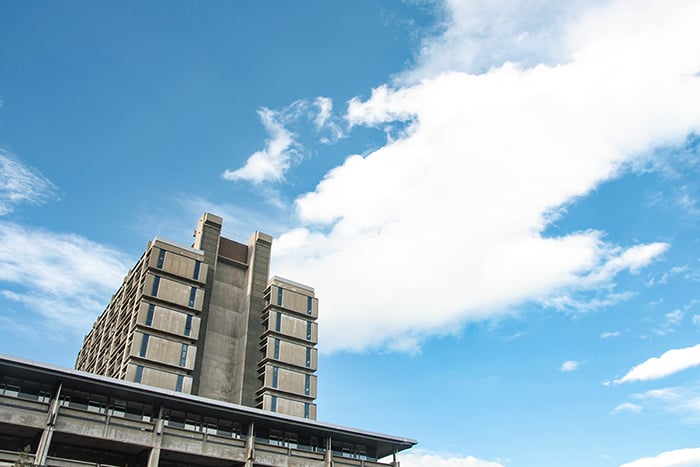
Your vantage point affects the angles, composition, and narrative of a photograph. It is an integral part of the decision-making process when taking a photograph.
We often spend more time considering camera settings and lighting, than exploring viewpoints. A picture taken from a unique vantage point makes us think about the subject in a different way. Perspectives from high or low angles add emotion to the photograph.
Eye-level vantage points provide a feeling of directness and honesty. Changing your vantage point can include or exclude part of the photo’s story.
As you look through your viewfinder, ask yourself some questions:
- How could I add interest to the subject?
- How can I show the viewer a new perspective on this subject?
- Do I always stand in this position when taking photos?
- What else can I include in the frame to tell the story? How can I make this happen?
- What’s on the other side of the subject?
How to Use Different Vantage Points in Photography
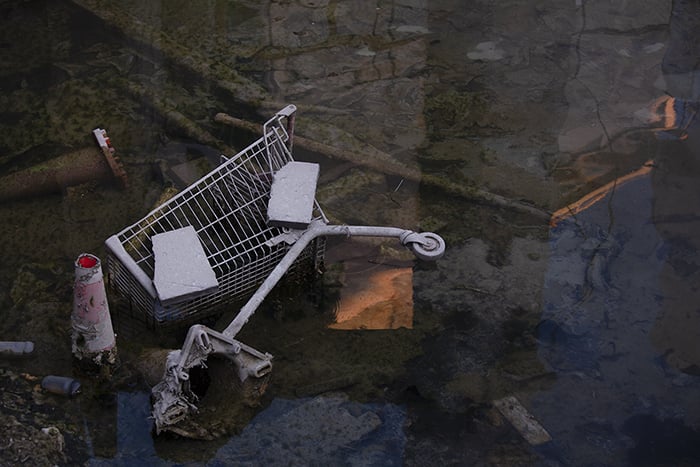
Shift out of your comfort zone to explore more unique vantage points. Here are my top tips for incorporating different viewpoints into your photography.
What Can I Use for a High Vantage Point?
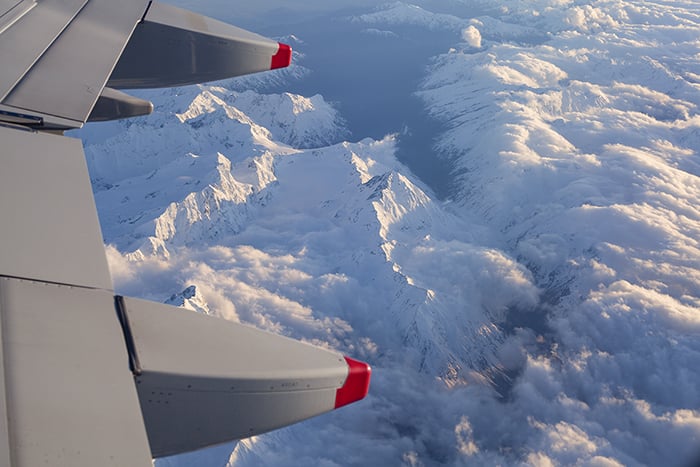
Modern technology is convenient for high vantage point photography. We can capture beautiful scenes and subjects from above with drone photography.
Happy to stick with your regular camera and minimal technology? Try these more traditional ideas:
- Climb that hill – you don’t always have to climb very far to get a higher vantage point. Plus, your leg muscles will love you!
- Try the elevator – is there an office building nearby that you could access? Don’t be shy. Two or three levels may be all you need to get a unique perspective on the subject below.
- Use a ladder – pop a step ladder in your car next time you go out with your camera.
- From the flight cabin – stash your camera and a nifty 50 prime lens into your cabin baggage. Document the different views from above.
- Look down – if your subject is small and on the ground, then you already have the perfect high vantage point. Look down. This is a great way to practice high viewpoint photography on a small scale.
- Be inventive – sit on a friend’s shoulders, stand on your car, or balance on fences to get the right vantage point. Look around you to find a safe ‘platform’ to use and watch out for camera shake!
How Do I Use a Low Vantage Point?
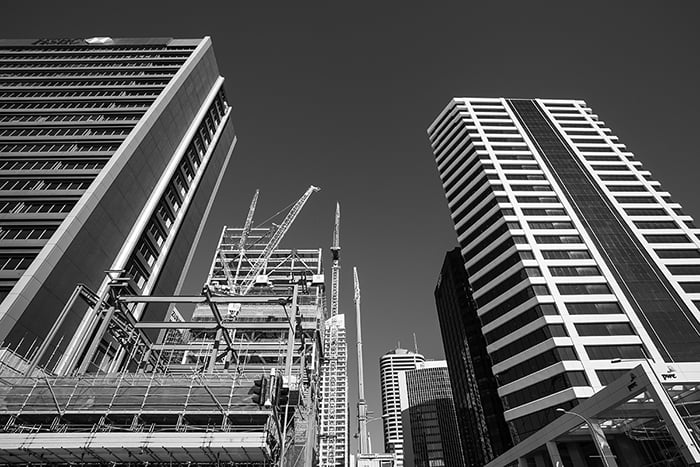
Context is an exciting concept with low vantage points. Are you surrounded by tall buildings in a city? In the middle of a forest?
You can explore low viewpoints by pointing the camera upwards. Try some different approaches to get an original image.
- Worm’s view – get close to the ground. Lie down on your side or back and try different angles. An advantage is that you get to rest your legs. Don’t wear your best clothes, though.
- Zoom in – unable to get low? Use your zoom lens to photograph details up high.
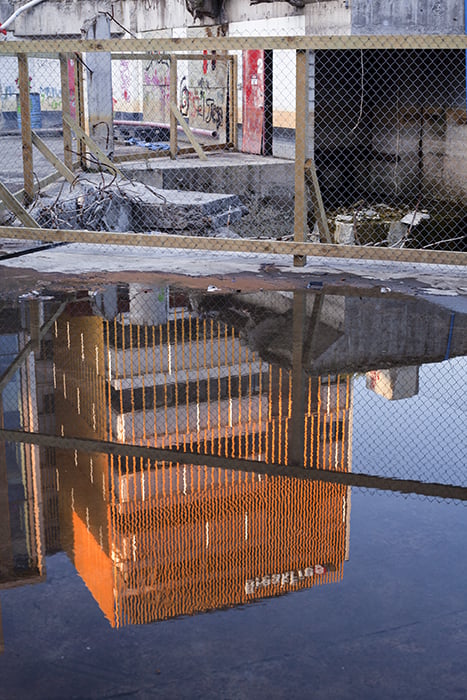
- Look down to look up – if you don’t feel like crawling on the ground, find puddles of water to show a reflection of a subject.
- Practice with portraiture – photograph people from different low vantage points. Look for the subtle changes in the model’s stance and expression as they look down at the camera. How does this add to your story?
How Should I Use an Eye Level Vantage Point?
When is eye level not actually eye level? Most of the time. It’s unusual for me to photograph somebody (or creature) the same height.
To use an eye-level viewpoint, I either crouch or stand on my toes. Years of ballet training has helped with this skill! Using an eye-level vantage point can feel quite direct and intimate.
It also conveys a sense of honesty and directness in the photograph. Follow my tips below for great photos at eye level.
- Close up portraits – build a rapport with the model first, so they feel relaxed.
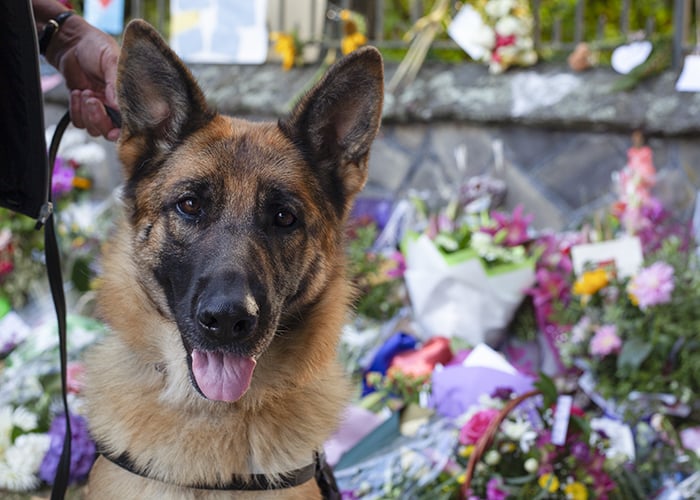
- Pet photography – talk with the owner first, and make sure the animal is comfortable around you.
- Capture movement – slow your shutter speed and show the action in a photo at eye level. This technique works great for street photography.
- Talk to strangers – if you’re photographing in public, people may ask what you’re doing. Be prepared with an honest answer.
Shooting high or low viewpoints is subtle. Photographing at eye level requires bravery.
How Do Vantage Points Affect Photography Composition?
Changing your vantage point alters the arrangement of the elements in your photograph. Experimenting is the best way to push boundaries and get out of your comfort zone.
- Leading lines change direction as your vantage point moves. Do any lines intersect when you’re looking up or downwards? Does the altered light make them more defined?
- Are you looking for a minimalist vibe? Try a different vantage point to include more negative space such as sky, grass, or concrete.
- A new vantage point will provide a new foreground focus in your photograph. Does this offer a new story or evoke a different emotion?
- Check if there are opportunities to use symmetry, rule of thirds, or diagonals in a new vantage point.
- Changing your vantage point will alter the light levels. This can have a significant effect on textures and patterns.
- Revisit the color wheel. Look for combinations in different vantage points. Colors not working out? Try converting the photo to black and white.
Conclusion
The vantage point plays an essential role in the overall feel of your photograph. By changing your stance or moving higher or lower, you can completely change how you view a scene.
As you change your vantage point, you need to juggle the shifting light and composition. Practice different vantage viewpoints on a familiar subject or scene. You’ll soon observe new patterns and stories emerging.