

Featured Course:
Capture stunning photography with the camera you already own.
Learn More

Cameras are deceptively simple on the surface. Pick up your DSLR, look through the viewfinder, lock focus, and shoot. Of course, there’s a lot more going on behind this, including a process called “phase detection autofocus.” This phrase is often thrown around in the DSLR and mirrorless world. But what…
By Anabel Dflux
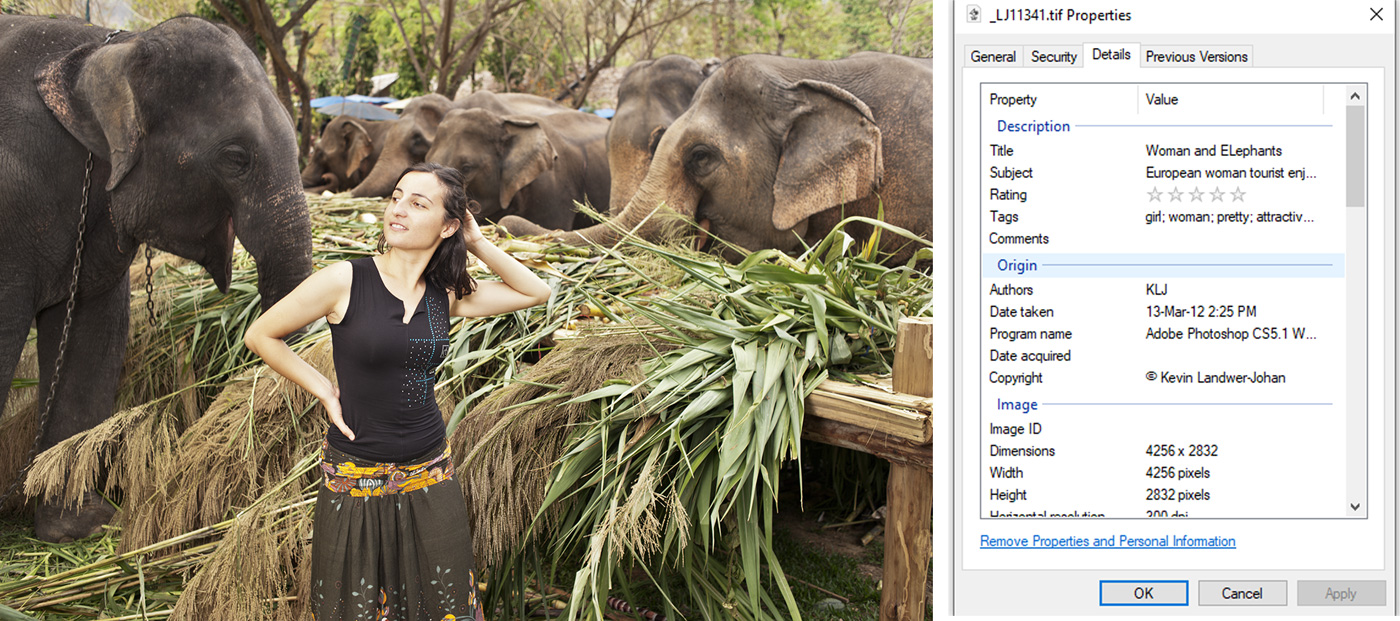
Every digital photo has data about it included in the image file. This is what we call EXIF data. This information can show you the camera settings you used to take a specific photo. Knowing how to find it can help you see how these settings influenced the picture and…
By Kevin Landwer-Johan
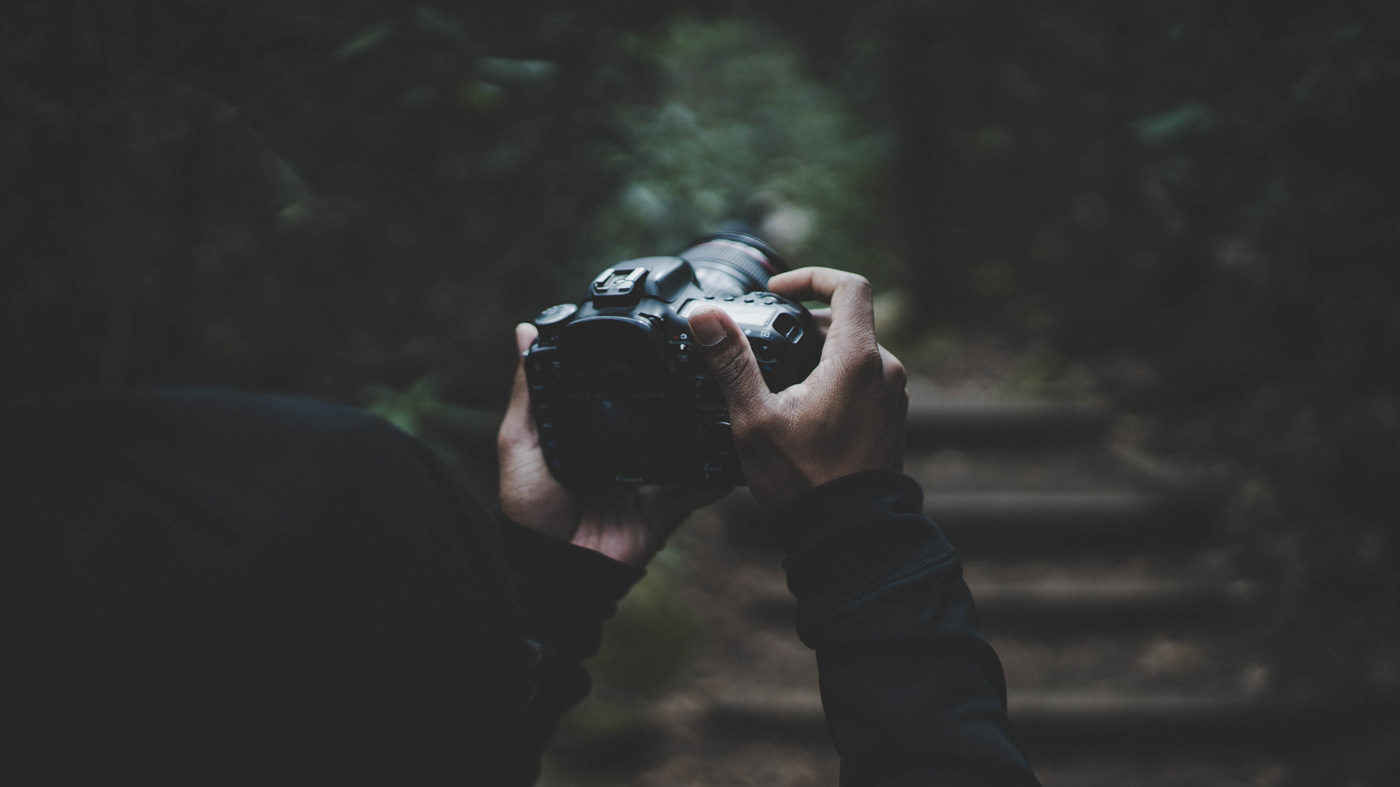
Your camera’s shutter actuations are an important metric to track as you use your camera. This is because they can help you determine how long your camera will continue to function properly before it needs to be serviced. In this article, we’ll show you how to find your camera’s shutter…
By Gabor Holtzer
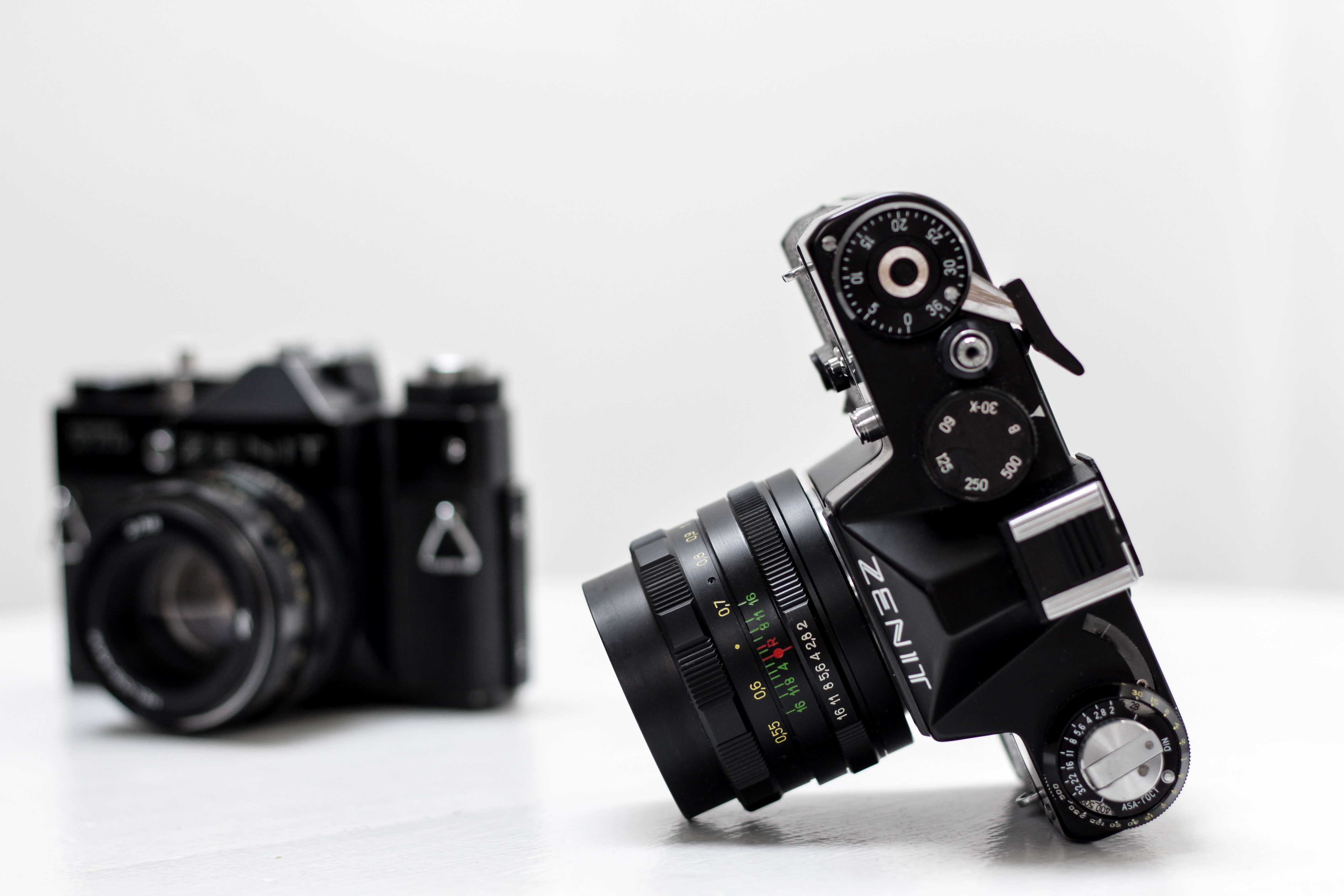
You might wonder why we can’t always interchange lenses between different brands and types of cameras. Canon lenses are for Canon systems and Nikon lenses only work with Nikon systems. Even within the same manufacturer, specific lenses are for specific cameras. Besides different protocols of connection, this all comes down…
By Gabor Holtzer
Have you ever looked at your photo and seen unusual lines or colors? This is a moiré pattern, and it can be an annoying part of any photographer’s job. There are many ways to spot, avoid, and remove moiré. You won’t need to worry about moiré patterns at all if…
By Taya Ivanova

Vignetting in photography can be a sign that an image has been captured or edited in an unprofessional way. Unwanted vignetting can be a pain. But sometimes, you may want to keep or even add vignetting to an image. In this article, we’ll have a look at lens vignetting,…
By Megan Kennedy
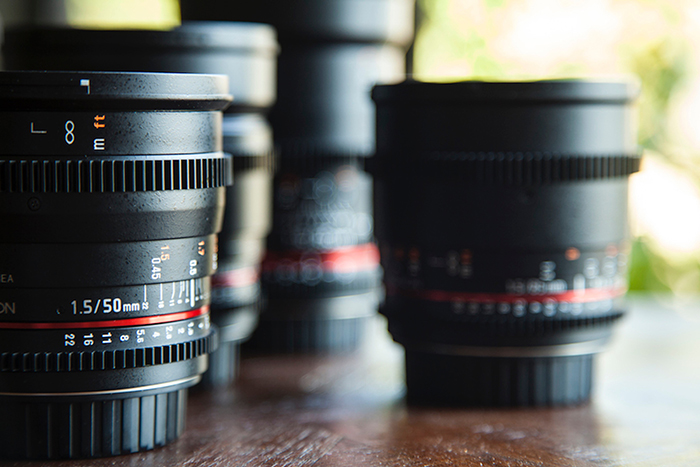
After finally saving up enough cash, you head out and buy that new lens you’ve been eyeing. You then obviously shoot with it obsessively for days. But when you look at the images on your computer, your enthusiasm dims. Straight lines aren’t straight, and there’s even some vignetting on the…
By Hillary Grigonis
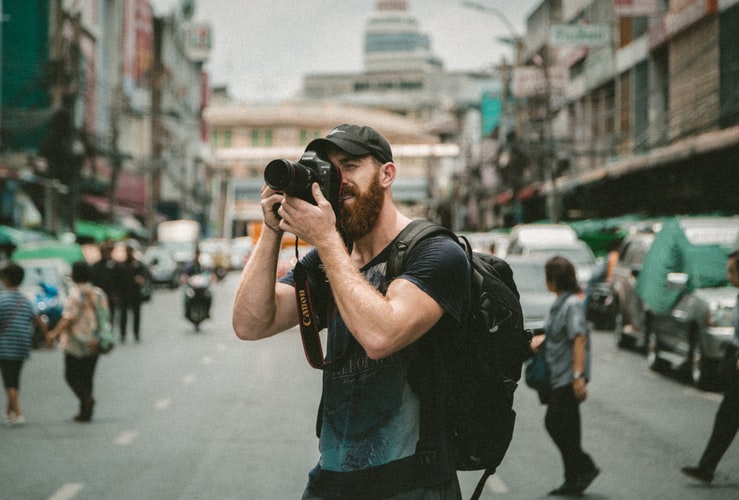
Pursuing photography as a hobby can be very fulfilling, inspiring, and relaxing. No matter what kind of equipment or camera you have, you have the potential to become a great photographer. Even a smartphone camera is enough! Here are a few reasons why adding photography as a hobby to your…
By Taya Ivanova
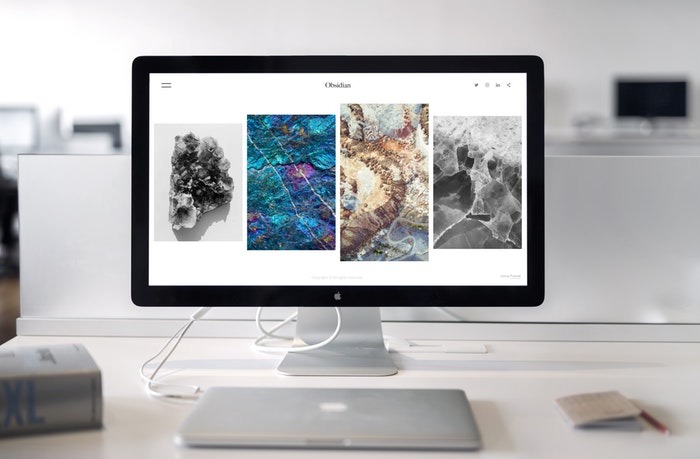
A monitor that is not calibrated correctly can cause all sorts of problems when you are editing photos. Colors may be off, the image may be too bright or too dark, and you may not be able to see all the details in your photos. In order to get the…
By Natalia Robert

When it comes to photography, there are three main image filetypes: JPEG, RAW and TIFF. Each one has its own benefits and drawbacks, so which is the best for you? Let’s take a closer look at RAW vs TIFF. Raw vs Tiff: Comparing JPEG to Other Image Formats JPEG is…
By Simon Bond
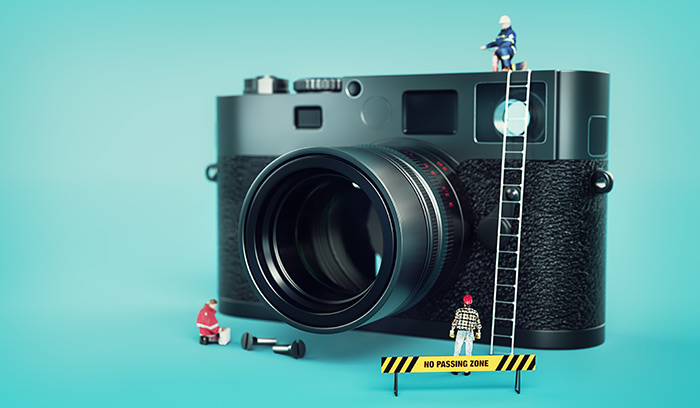
Have you ever wondered, “How does a camera work?” You’re not alone. Our article will explain how this delicate piece of machinery works when we take a photograph. Cameras have evolved greatly in the past few centuries, and photography has changed drastically. Today’s modern cameras result from countless years of…
By Gabor Holtzer

Are you looking for tips to take high quality photos? If so, you’ve come to the right place. Here are eight easy ways to up your photography game and start taking pictures that look like they came straight from a magazine. Take High Quality Photos by Shooting In Raw You…
By Darina Kopcok