Motion blur photography records movement as streaks or softness during an exposure. You can blur a moving subject against a still background, follow the subject with your camera, or move the camera to turn a scene into an abstract image.
These 50 examples give you ideas to try, from dancers and passing trains to waves and light trails. Start by deciding what should stay sharp and what should move.
What Is Motion Blur?
Motion blur happens when a subject's image moves across the sensor or film while the exposure is being recorded. The movement can come from the subject, the camera, or both. It is different from an out-of-focus subject: the streaks show movement during the exposure.
A slower shutter speed usually makes that movement more visible. There is no single setting that guarantees blur or sharpness. Subject speed, distance, lens choice, and camera movement all affect the result. A shutter speed of 1/125 second can freeze some movement and blur other movement.
How to Start Taking Motion Blur Photos
Choose one of three approaches:
- Keep the camera still: use a tripod or stable support, then let people, water, or lights move through the frame.
- Follow the subject: pan smoothly with a cyclist or runner so the subject stays relatively sharp against a streaked background.
- Move the camera deliberately: sweep it during the exposure to make abstract shapes and color. This is often called intentional camera movement.
Shutter priority mode (S or Tv) lets you select the exposure time while the camera adjusts the aperture. For a first panning attempt, try 1/30 second. Take several frames, then try a faster setting if the subject is too blurred or a slower one if the background looks too still. Nikon's panning guide explains this balance and the importance of following through after pressing the shutter.
In bright light, a slow shutter speed may overexpose the photo. Use a low ISO and a smaller aperture (a higher f-number). If that still lets in too much light, try an ND filter or work in lower light. An ND filter reduces the light entering the lens so you can extend the exposure.
If you want a sharp background but the whole frame is blurred, check your focus and camera support. If only the moving subject is too blurred, shorten the exposure. For more detail, see our motion blur photography tips.
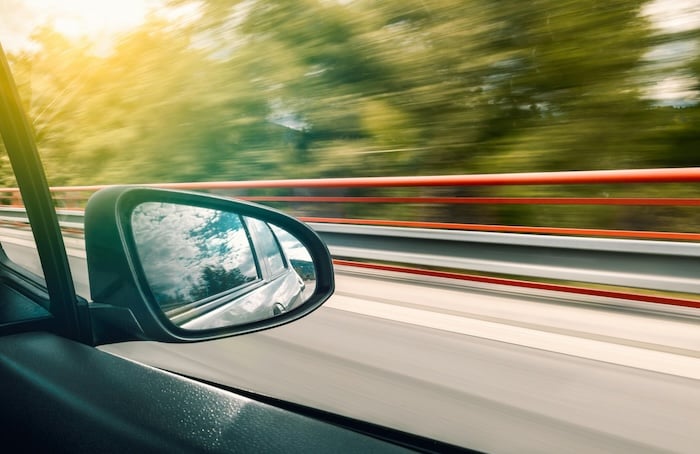
Examples of Motion Blur Photography
Here are 50 ideas built around a slow shutter speed. Some use a tripod; others rely on camera movement. A few explore ways to edit or present the result. The suggested techniques are starting points, not the recorded settings or editing histories of these photographs.
1. Panning
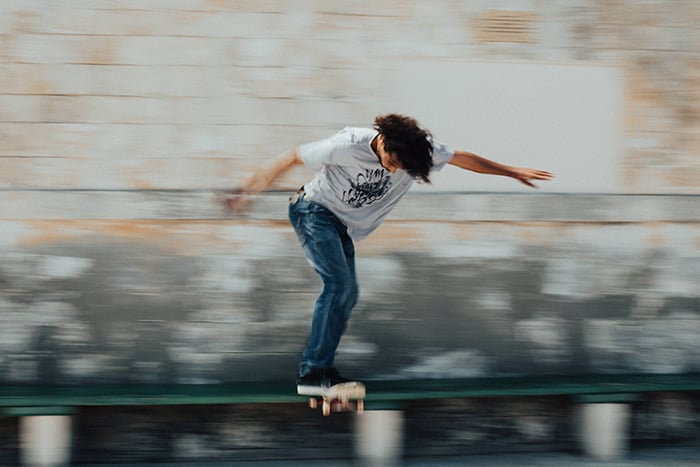
Panning means following a moving subject with your camera during the exposure. Aim to keep it in the same part of the frame as the background streaks past. The subject can be walking, cycling, or moving faster; adjust your shutter speed to suit it.
Start following the subject before you press the shutter and keep moving afterward. Expect some unsuccessful frames while you learn to match its movement. Wheels, hands, and feet may still blur even when the face or body stays sharp.
2. Busy City Life
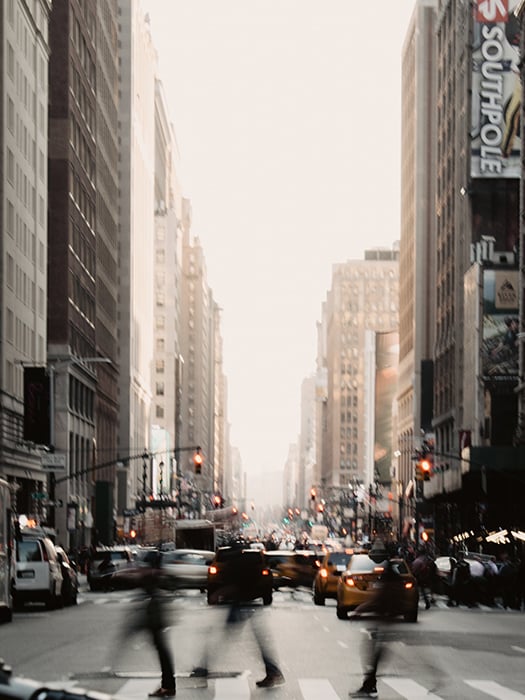
Motion blur can make city life feel busy. Keep the camera still and let pedestrians move through a scene with fixed details such as buildings or signs.
Work from a safe position on the pavement. Choose your composition before the action arrives so you can concentrate on timing.
3. Car Rides
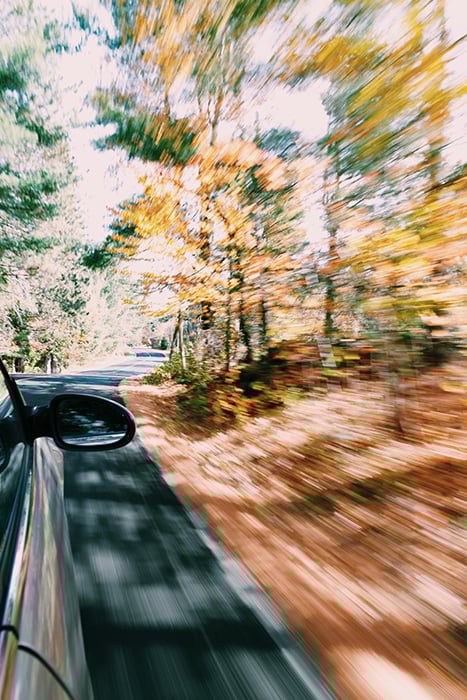
If you want some stillness in your motion blur photos, include your vehicle in the shot. For completely blurry results, shoot directly from your window.
Photographing through a car window can show the feeling of a journey. It is a useful idea for lifestyle and travel photography.
Shoot only as a passenger. Including part of the interior can give the moving landscape a fixed reference point, although bumps and camera shake can blur that too.
4. Moving People
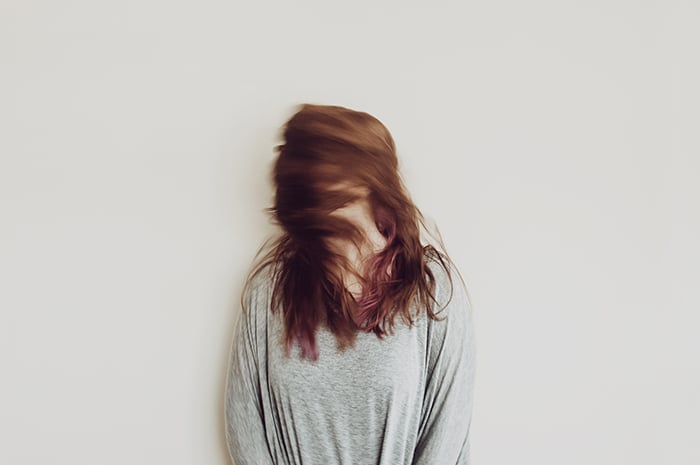
If you enjoy surreal images, try a faceless portrait. Put the camera on a tripod and ask your model to move their head or hands gently during the exposure.
Keeping the rest of the pose still makes the moving area stand out. Agree on the movement before you release the shutter.
5. Capture Different Movements
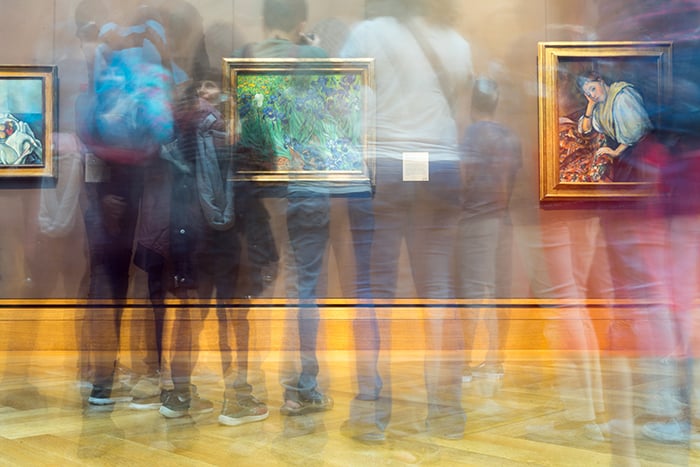
Using a very slow shutter speed and a tripod, take photos of people in museums, art galleries, or your own home.
This is a great way to document the simplicity of everyday life without having to take many pictures at once.
6. Sports Photography
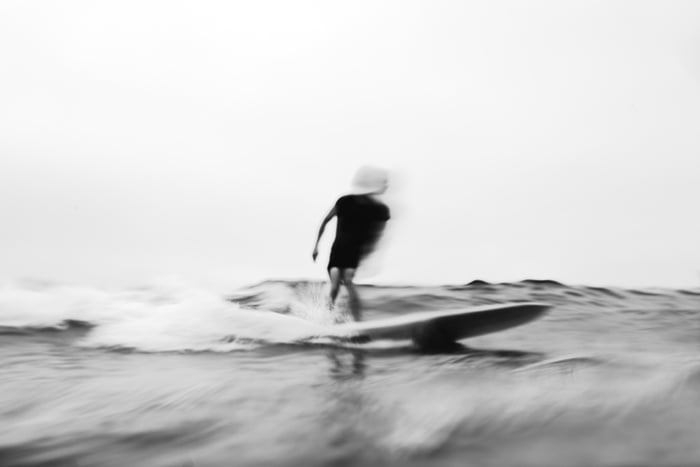
Sports photography is made up of elegant movements, making it the perfect genre for motion blur enthusiasts.
Photograph different sports to create images that look more like paintings than candid snapshots.
7. Busy Foregrounds
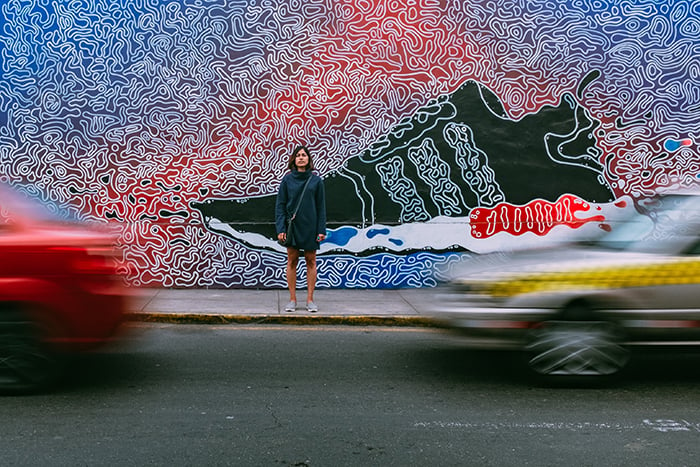
Instead of making motion blur your subject, use it as a foreground. You can easily do this on a street.
With both you and your subject safely on the pavement, photograph them from a low angle while cars pass between you. Keep clear of traffic as you frame the moving foreground.
8. Zoom
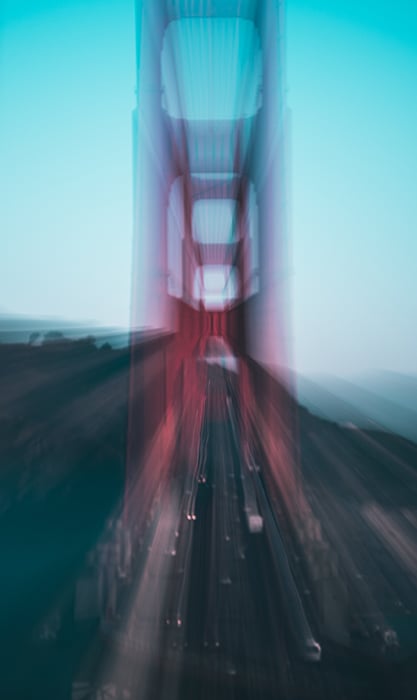
With a zoom lens, turn the zoom ring while the shutter is open. This stretches details outward or inward around the center of the frame.
Choose a recognizable subject such as a bridge. Try a small change in focal length first, then compare it with a larger zoom movement.
9. Misty Water
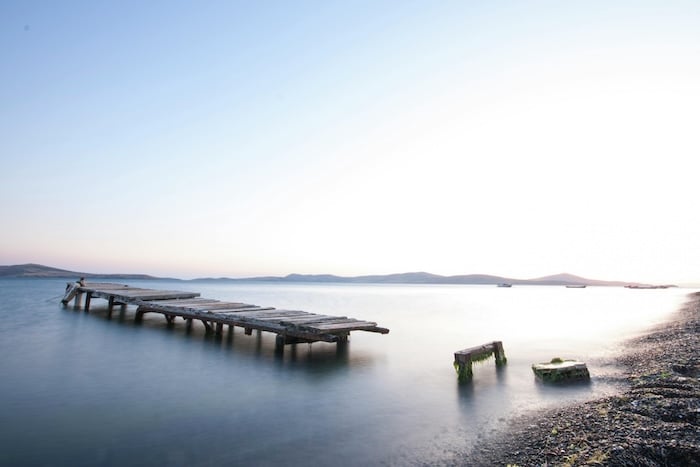
A long exposure can soften moving water around fixed rocks, piers, or shorelines. Keep the camera steady so the still parts retain their detail.
Compare shorter and longer exposures. One may preserve the shape of a wave while another blends repeated movement into a smoother surface.
10. Candid Photos
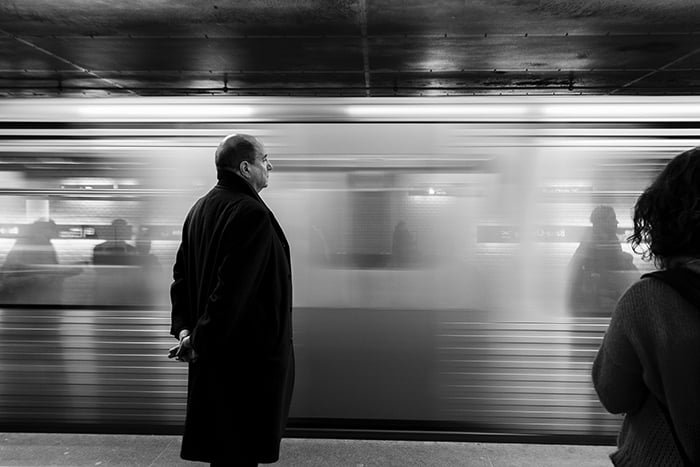
To improve your candid photography and take stunning photos at the same time, take photos of people in busy locations. For unique results, photograph people in subways, especially when a train is arriving.
This is the perfect time to photograph thoughtful expressions and postures. And these elements are enhanced thanks to motion blur photography.
11. Movements of Everyday Objects
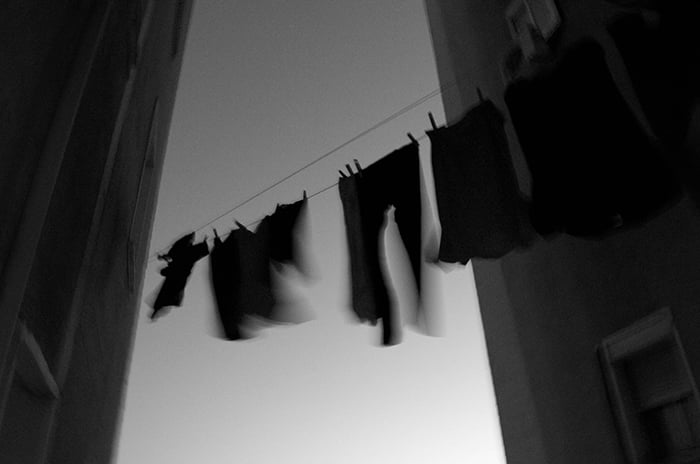
Motion blur photography often focuses on people and places, but it’s also a great genre for photographing objects. Look for movements in your everyday life that have nothing to do with the city or people.
Drying laundry, trees moving in the wind, and animals hunting for food are all great subjects for unique motion blur photos.
12. Tranquility in Everyday Life
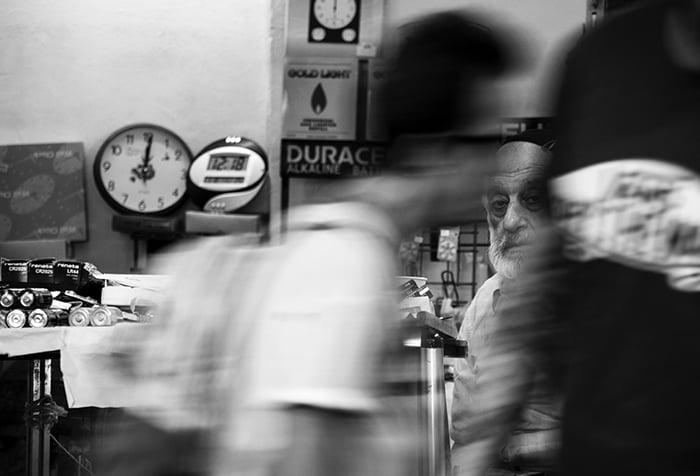
Instead of focusing on the motion, focus on the quiet moments hidden in the noise.
Take photos of people reading, noticing your camera, and enjoying a quiet moment while being surrounded by constant motion.
13. Amusement Parks
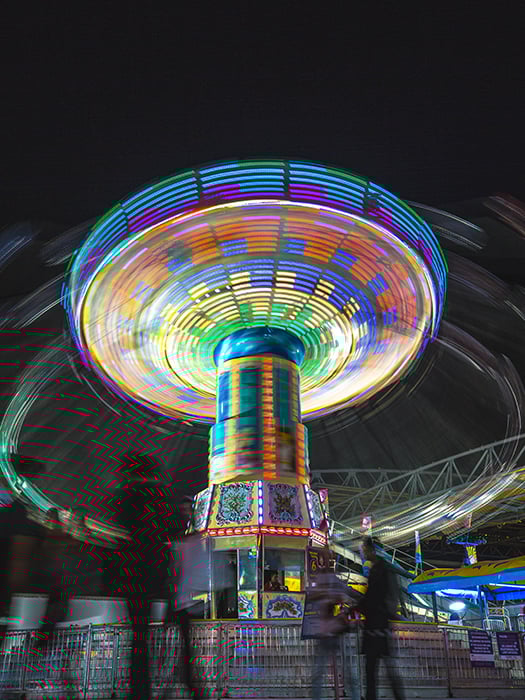
Motion blur stands out a lot when it’s combined with vibrant colors. One of the best places to find it is in amusement parks.
Take photos of moving roller coasters and rides. You’ll have fun and take stunning pictures at the same time!
14. People Doing What They Love
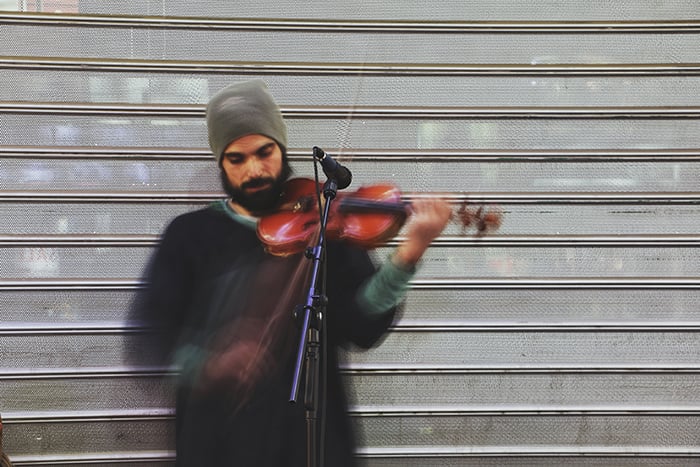
To create more emotion in your pictures, photograph people who enjoy what they’re doing.
Maybe it’s playing the violin or dancing with friends. The movements that your subject creates will result in unusual motion blur patterns.
15. Black & White
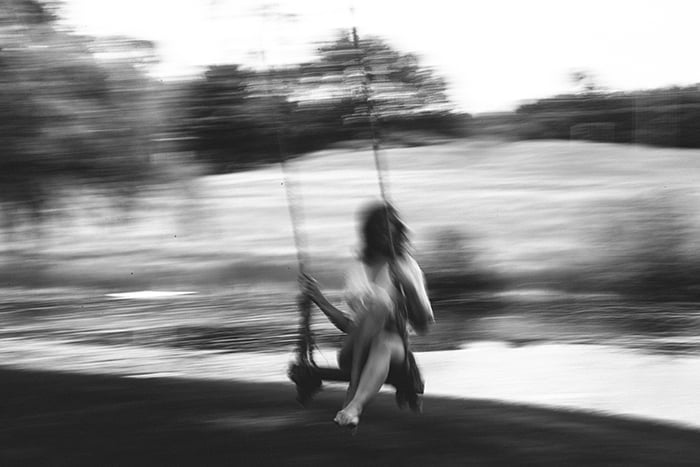
Try converting a motion blur photo to black and white when strong colors compete with the movement.
Look at the shapes, streaks, and contrast after conversion. Keep the color version if color is what makes the motion interesting.
16. Children at Play
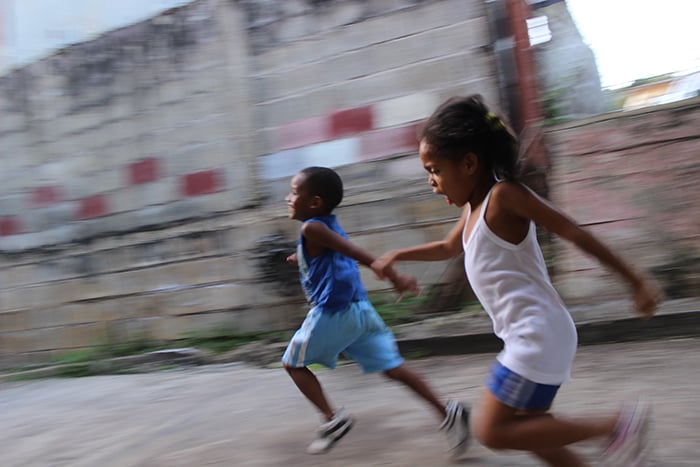
Children are endlessly energetic and joyful. This makes them the perfect subjects for happy motion blur photos.
You can use panning and long exposure techniques as your subjects play, laugh, and interact with your camera.
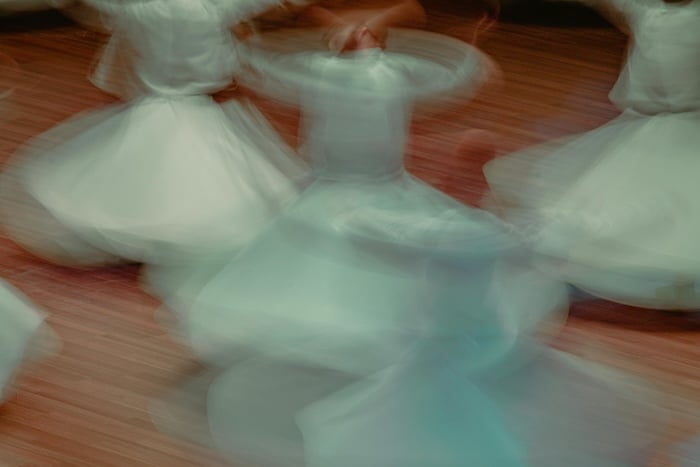
17. Dancers
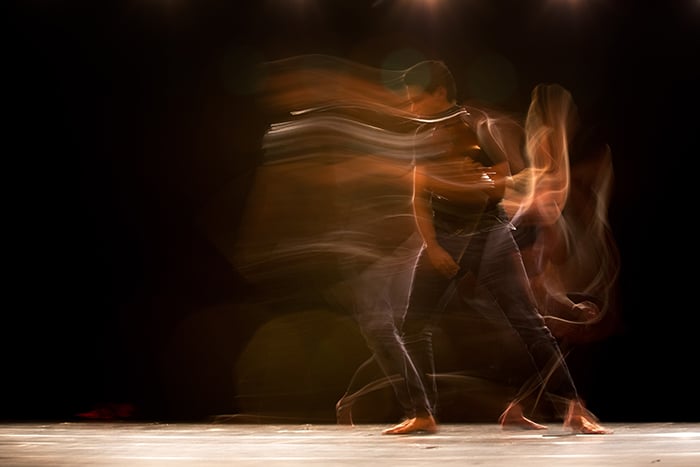
Dancers give you repeated movements to work with. Look for turns, reaching arms, or fabric that moves around a relatively still body.
At a rehearsal or performance where photography is allowed, time the exposure to one clear gesture. Stage lighting can help separate the dancer from the background.
18. Movements of Your Own

Instead of looking for movements outdoors, make your own at home.
You can do this by flipping through the pages of a book, dancing in front of the camera, or dropping something on the floor.
19. Lens Filters
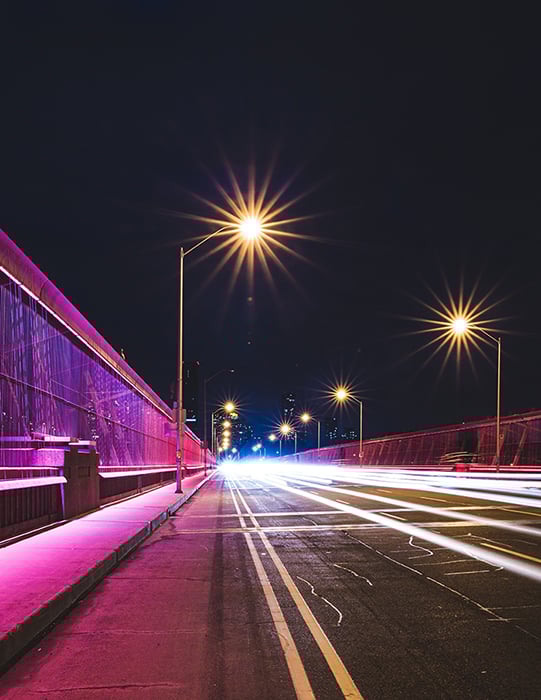
For longer exposures in bright light, use a solid neutral density (ND) filter. A graduated ND filter has a different purpose: it reduces light in part of the frame to balance areas such as a bright sky and darker ground.
Optical effects can also complement motion blur, but they are separate from the blur caused by movement. Do not assume that an unusual light pattern proves which filter a photographer used.
20. Busy Location From a Distance
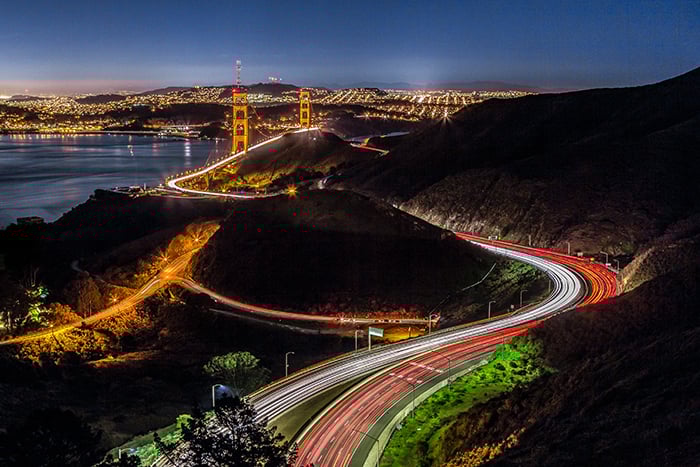
Find a peaceful location from which you can photograph an entire cityscape. This will allow you to focus on various movements in the same frame without making your composition look too busy.
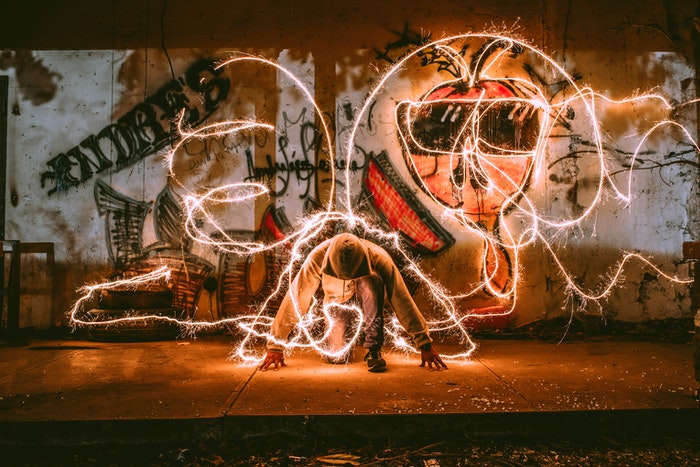
21. Light Trails
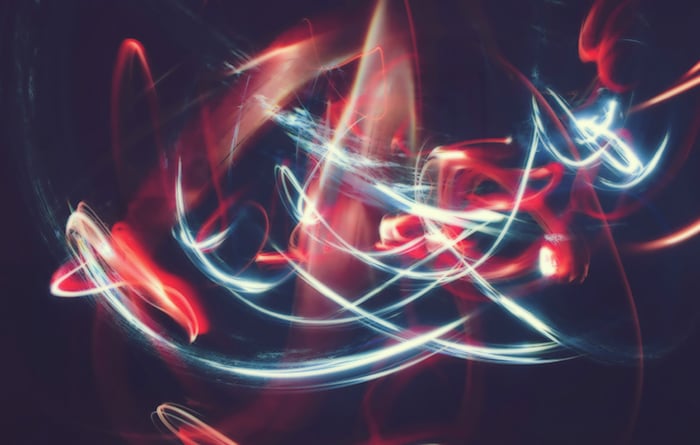
When you want to have a little more fun, take photos of people playing with glow sticks. You can use the movements to create shapes, write words, or simply create random squiggles.
22. Architecture
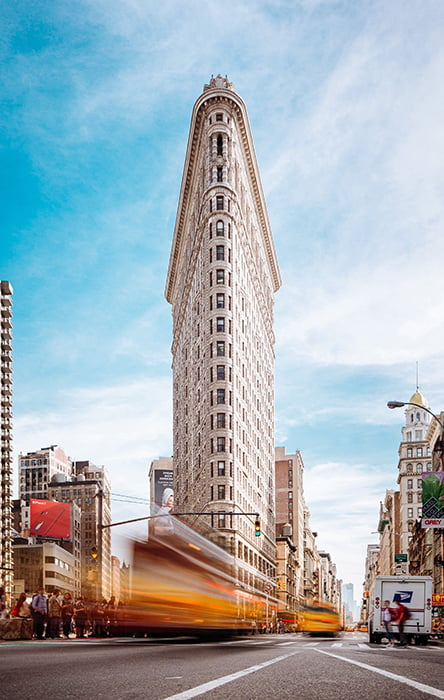
If you want to enhance your architecture photography, take a few steps back and include motion blur in your shots.
The building will still be your main focus, but it will be complemented by a pleasant blur of people and transport.
23. Moving Shadows
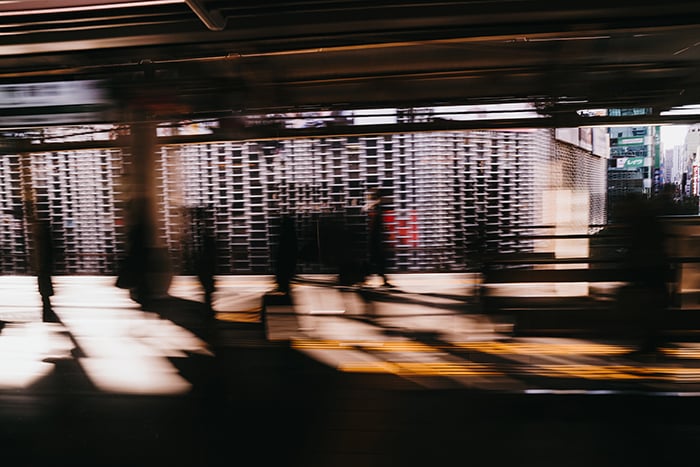
Instead of photographing people, take photos of their moving shadows. This will give you a chance to think outside the box and take unusual photos at the same time.
You can also photograph silhouettes in a busy place, as pictured here.
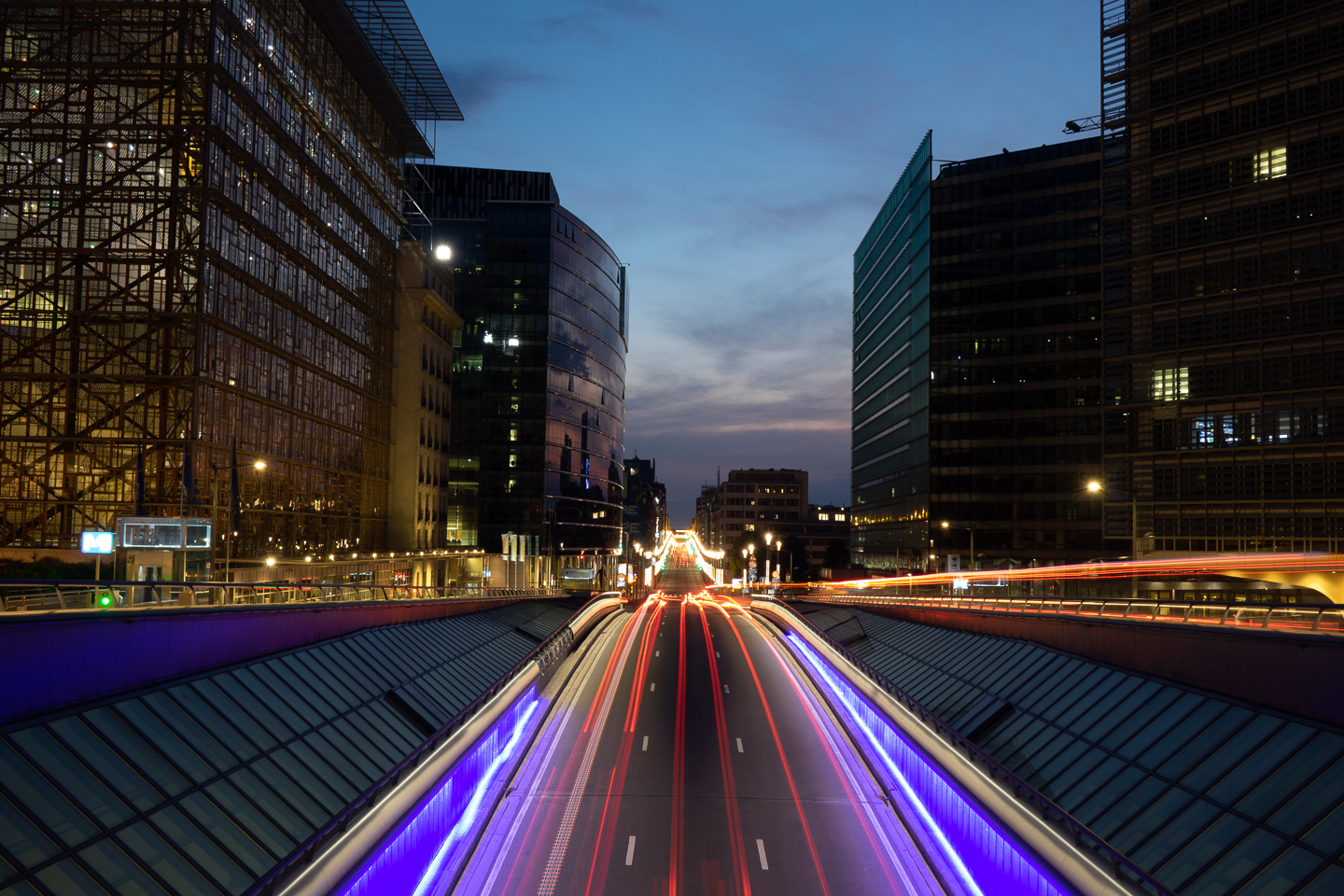
24. High Angles
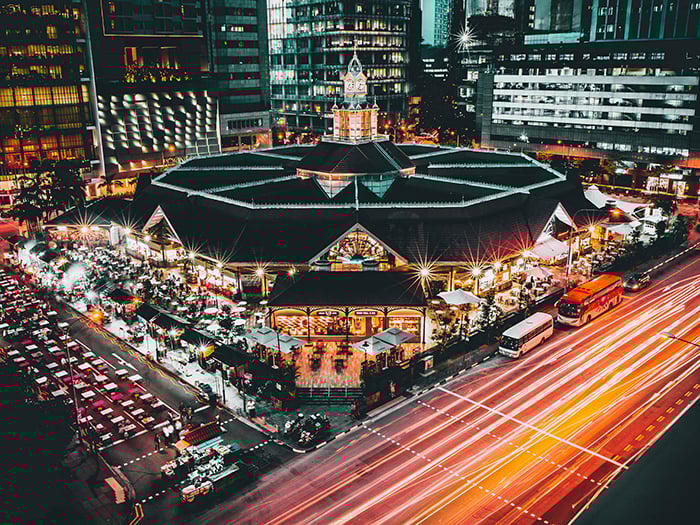
An elevated viewpoint can separate overlapping traffic and reveal the paths of light trails.
Choose a public lookout, bridge walkway, or other permitted viewpoint with a secure place to stand. Include fixed buildings or roads to give the moving lights context.
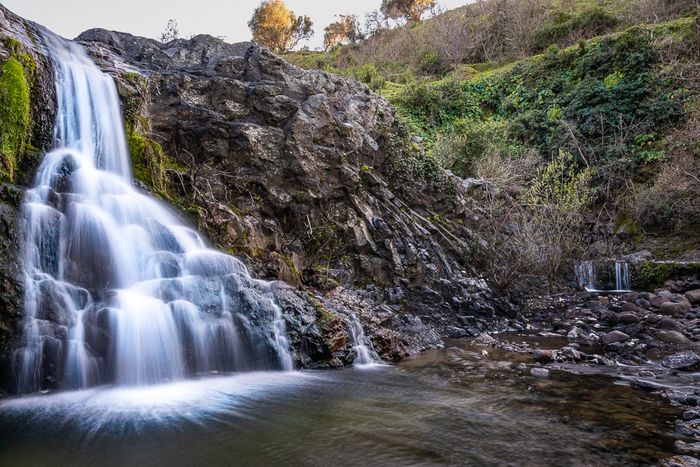
25. Waterfalls
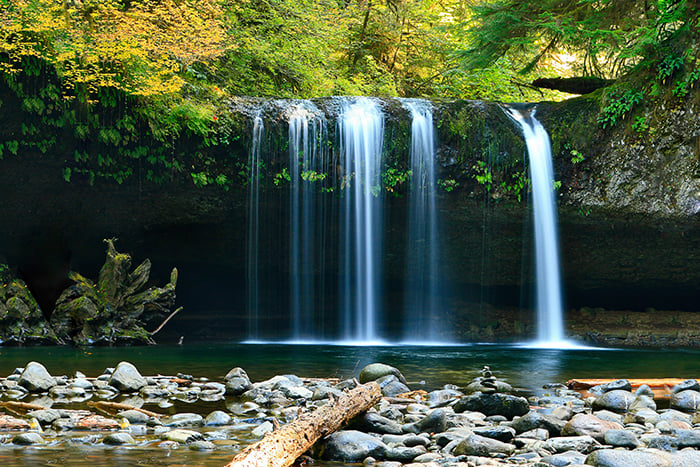
Maybe noisy cities and urban photographs aren’t your things. But you can find just as many motion blur subjects out in nature. You can start by placing your camera on a tripod and taking photos of peaceful waterfalls.
The slower your shutter speed, the smoother the water will look.
26. Astrophotography

Star trails record the stars' apparent movement across the night sky as Earth rotates. Keep the camera fixed on a tripod and include a still foreground for contrast.
You can record trails with a long exposure or combine a sequence of exposures. Longer total capture times produce longer trails.
27. One Source of Light
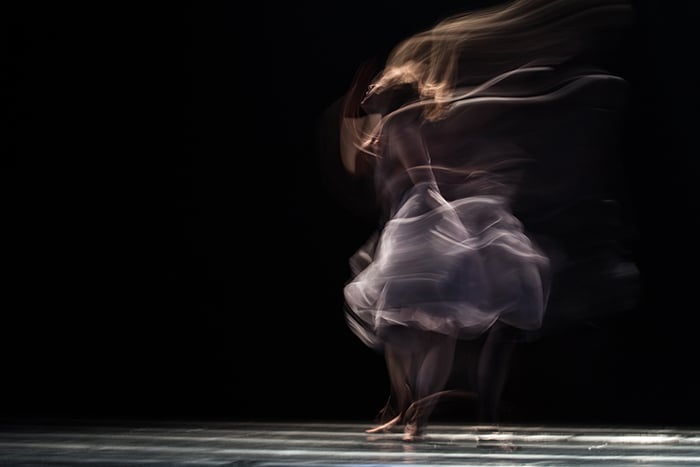
Whether you’re shooting in a theatre or at home, you can use limited light to take photos that resemble fine art.
Combined with a simple background, a single source of light will give your motion blur photography an atmospheric and moody look.
28. Similar Colors
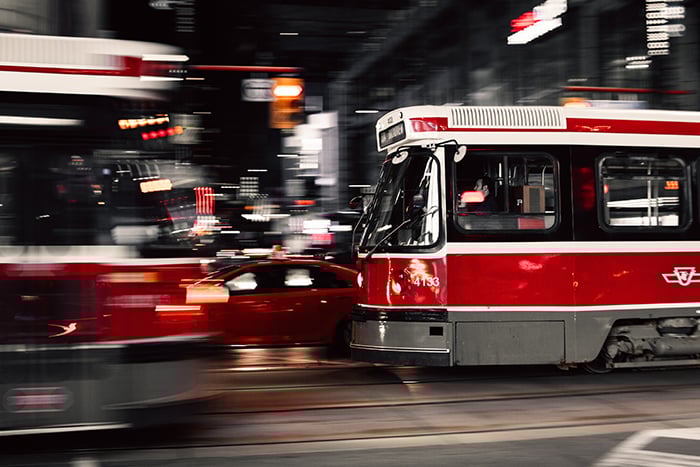
Pay attention to color combinations when you look for motion. This photo of a busy street looks so appealing because of the bright reds and dull greys.
There aren’t many other colors to pay attention to, so it’s easy to process the blur and understand what’s going on in the picture.
29. Different Subjects in One Picture
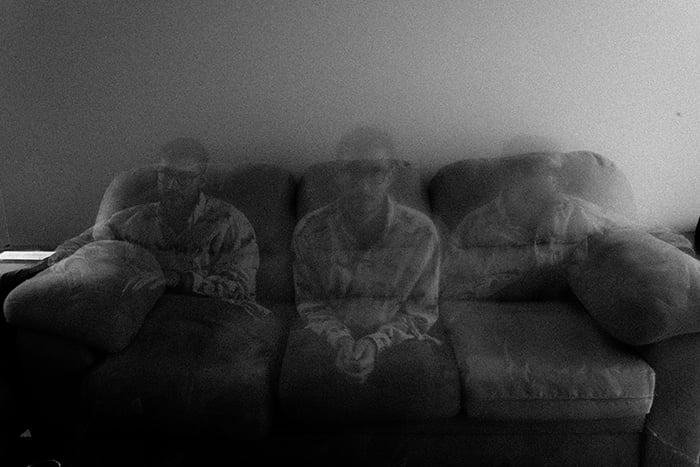
You can combine a series of photographs into one composite, using blurred figures or objects as part of the design.
This is an editing approach to conceptual photography, rather than a requirement for capturing motion blur in a single exposure.
30. Digital Glitch Effect
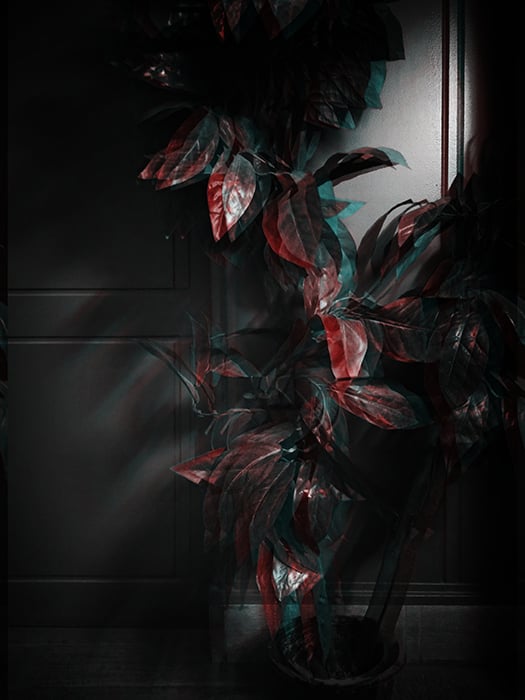
A digital glitch effect is an editing idea you can explore alongside motion blur.
Keep the distinction clear: a glitch treatment does not record movement during an exposure. Use it as an optional finishing effect if it suits your image.
31. Neon Lights
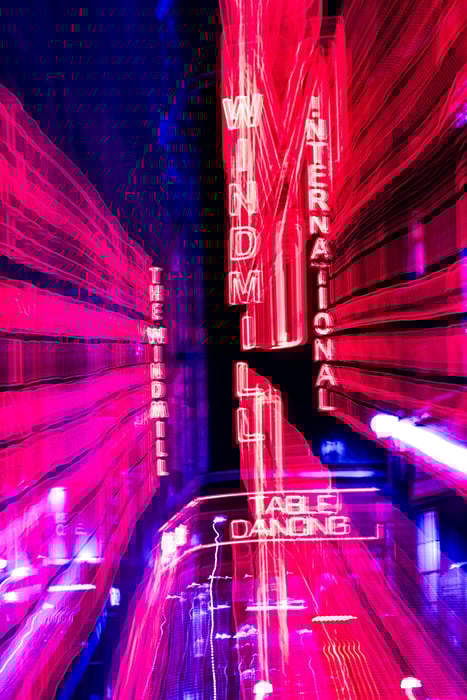
In addition to photographing amusement parks, you can take striking photos of neon lights.
The vibrant signs and light patterns are perfect subjects for unusual images like this one.
32. Abstract Details

To make the subjects in your photos unrecognizable, photograph details. If your subject isn’t moving, simply move your camera in different directions when you press the shutter.
33. Low Angle
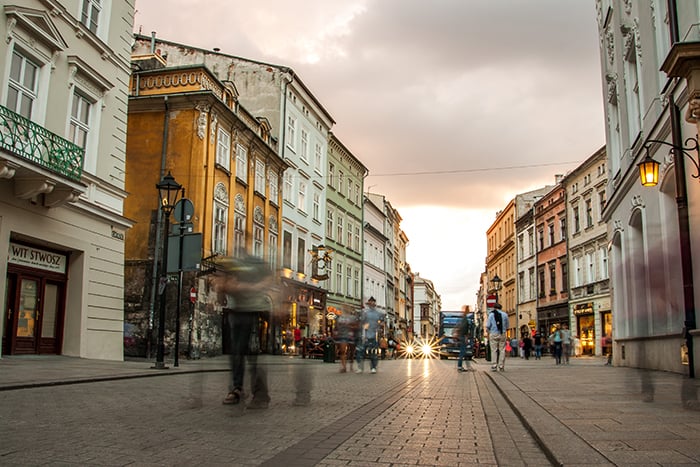
Like high angles, low angles can help you look at the world from a refreshing perspective and give you new ideas.
You can shoot from low angles when photographing streets or trees on a windy day, for example.
34. Self-Portrait in Nature
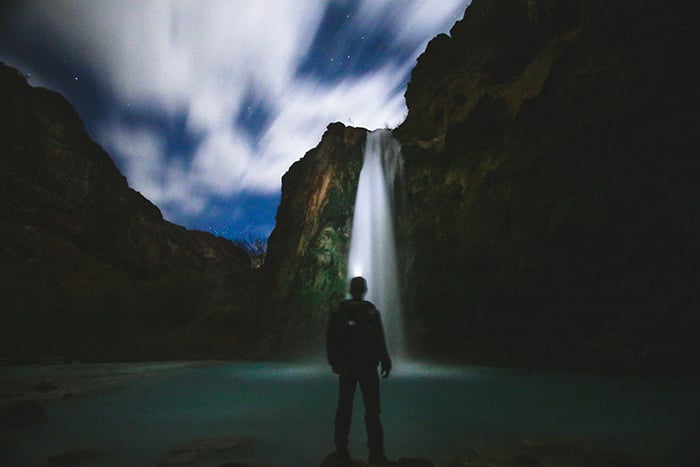
Self-portraits out in nature aren’t uncommon.
But you can use this as a chance to improve your self-portrait, landscape, and long exposure skills at the same time.
35. Famous Locations
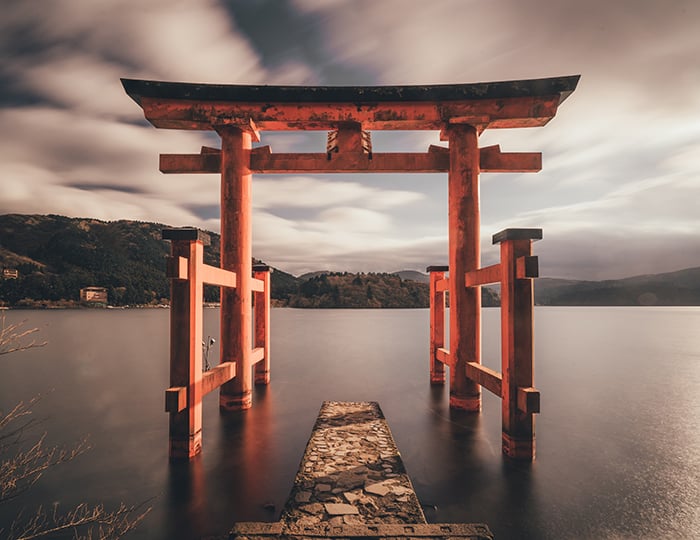
Try a long exposure at a familiar landmark to show how people, clouds, or water move around it.
Keep the structure still in the frame and choose an exposure that makes the surrounding movement visible. Check whether tripods are allowed at the location.
36. Moving Clouds
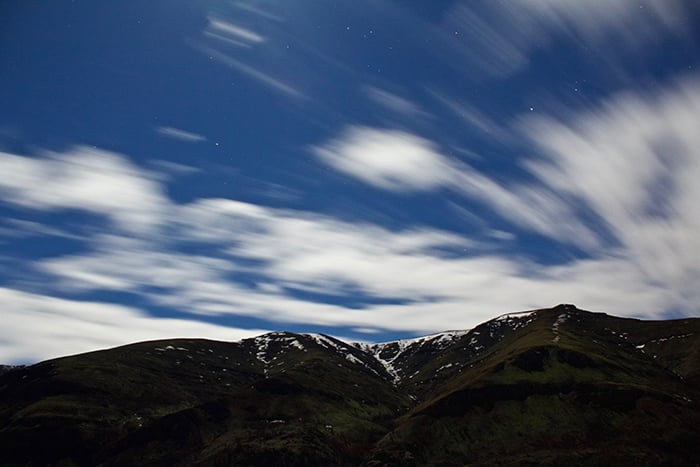
Moving clouds can form soft streaks while buildings or a landscape remain still. Use a tripod and compare different exposure lengths.
If you practise from a window, keep the camera steady and check for reflections in the glass. In bright daylight, an ND filter may help you reach a long enough exposure.
37. Food Markets
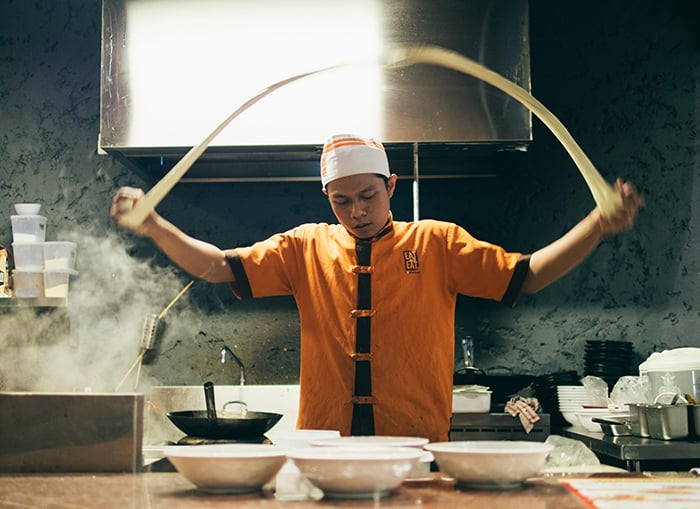
To get comfortable with street and food photography at the same time, take photos in markets.
The diversity of the food and the professionalism of the cooks will give you many different motions to capture.
38. Pets
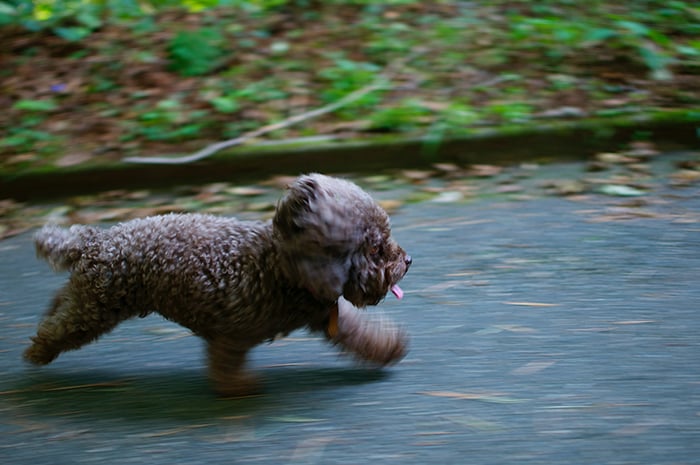
If your pet is in a comfortable environment, you can easily use motion blur photography to create great action shots.
Motion is a priority. You won’t need to worry about getting the right pose or trying to get your pet’s attention all the time.
39. Desaturate in Photoshop
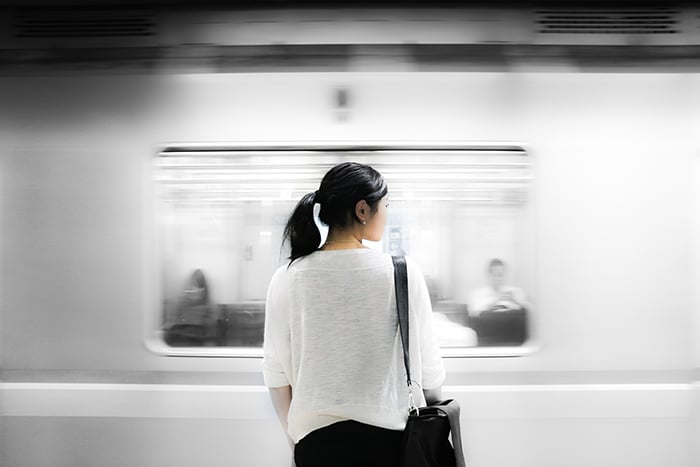
If bright colors in a blurred area distract from the subject, try reducing their saturation. This changes the color; it does not remove motion blur or recover lost detail.
In Photoshop, add a blank layer and set its blending mode to Color. Paint with black or white over the areas you want to desaturate, then lower the layer opacity for a gentler effect.
40. Movements of Fog
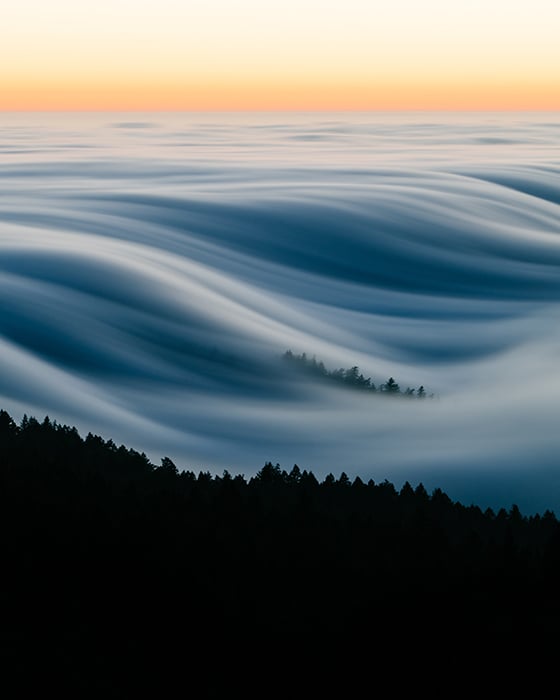
Moving fog can soften parts of a landscape while trees, rocks, or buildings provide a still reference.
When fog is already present, try a supported camera and compare exposures to see whether its movement is visible. The amount of blur depends on how quickly the fog changes and how long you expose the scene.
41. Black Background
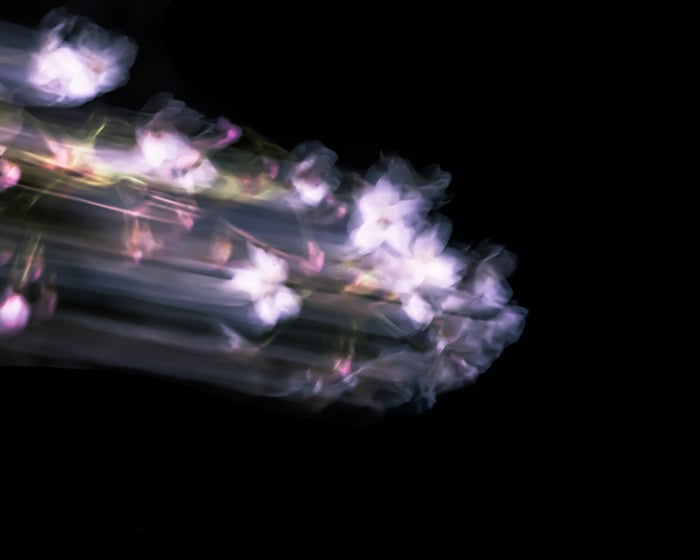
It’s easy to focus on a moving subject when there aren’t any background distractions. One of the most efficient ways to achieve this is to use a dark background.
You can make your own black background by painting a piece of cardboard or using a large sheet of paper.
42. Selective Color
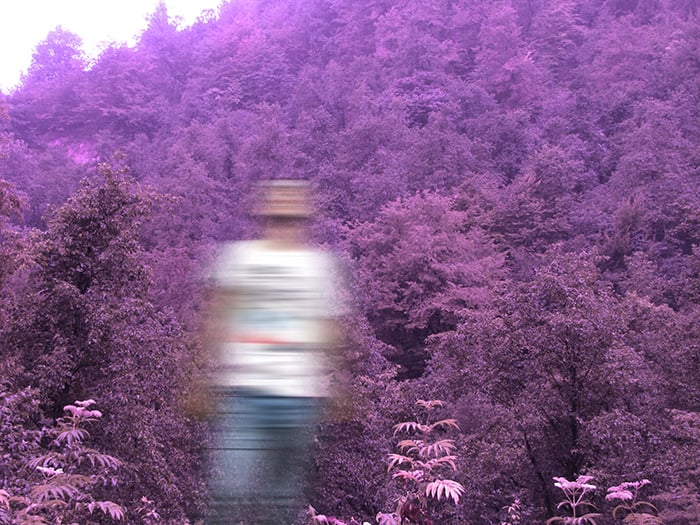
Try changing selected colors in your blurred photograph to create an unfamiliar mood. Work on a copy so you can compare it with the original.
Treat this as an editing idea rather than evidence of how the example was made. A photograph alone does not establish the photographer's exact tools or process.
43. Through Painted Glass
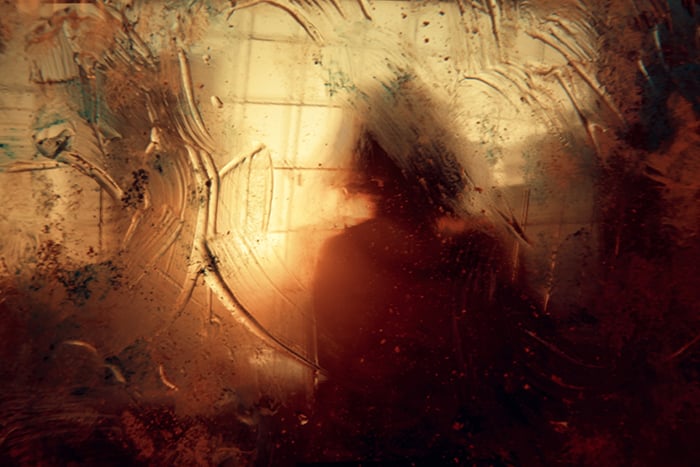
Photograph a moving subject through a clear pane with patches of water-based paint. Leave some transparent areas so the subject remains visible.
The paint alters the view, while the subject's movement during a slow exposure creates motion blur. A mirror calls for a different setup: photograph the reflection rather than through it.
44. Analog Camera
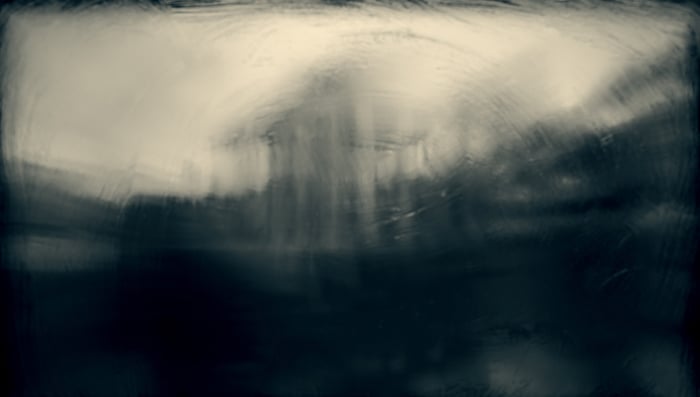
Analog cameras don’t offer screen previews, which can make the motion-blurring process all the more interesting.
You can simply create an intentional blur by moving your film camera around as you press the shutter.
45. Food Photography
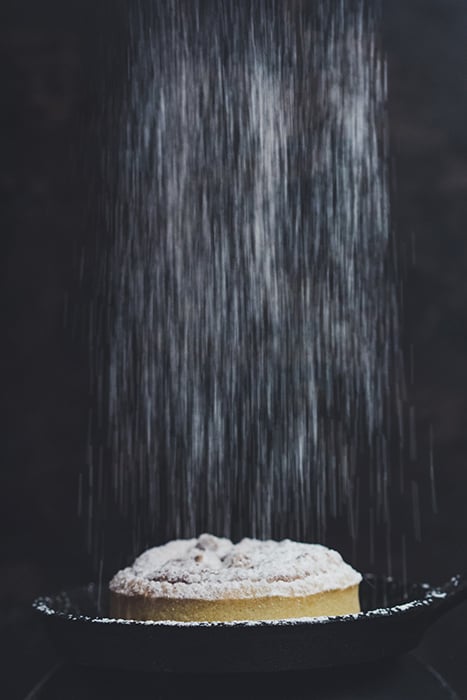
Many professional food photos tend to be very sharp and vivid.
You can go against this by blurring parts of a shot with the help of movement. You can throw flour or move your hand on a flat lay. This will make your version of food photography look alive.
46. Fireworks
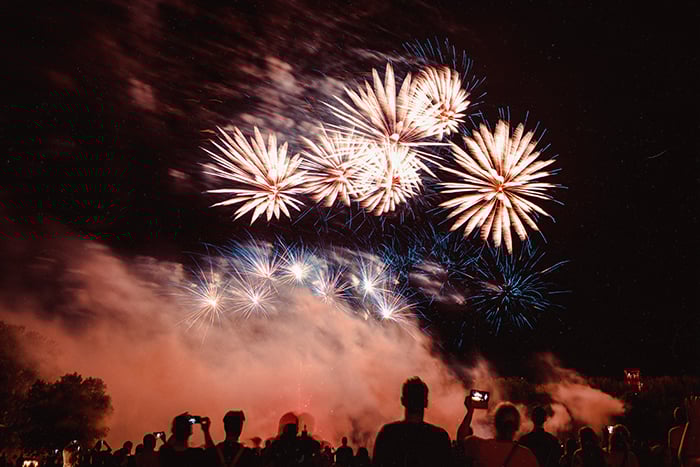
Fireworks can create light trails during a long exposure. Keep the camera still to record the paths of the sparks.
For a more abstract result, try deliberate camera movement during a separate exposure. Compare the two approaches rather than assuming that every streaked firework photo uses the same technique.
47. Long Fabrics or Dresses
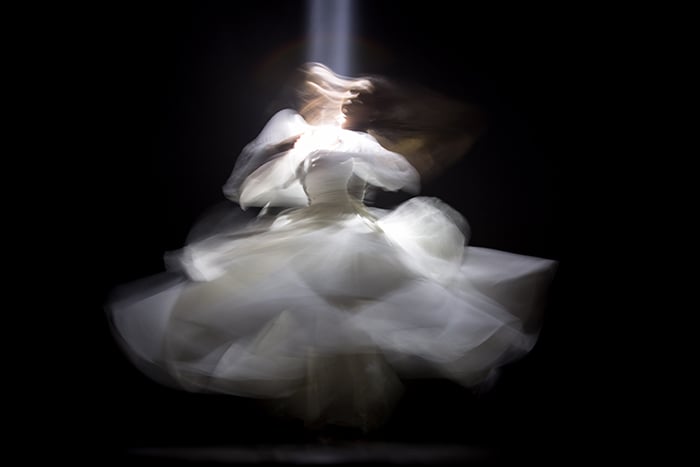
Flowing dresses and light fabric can make a small movement fill more of the frame.
Ask your subject to hold a comfortable pose while moving the fabric. Compare the outline of the body with the blurred material to decide how much movement you want.
48. Concert

With their colorful lights and excited crowds, concerts are some of the best places to improve your motion blur photography.
All the movements you capture will tell a story about the crowd and the performer.
49. Crop
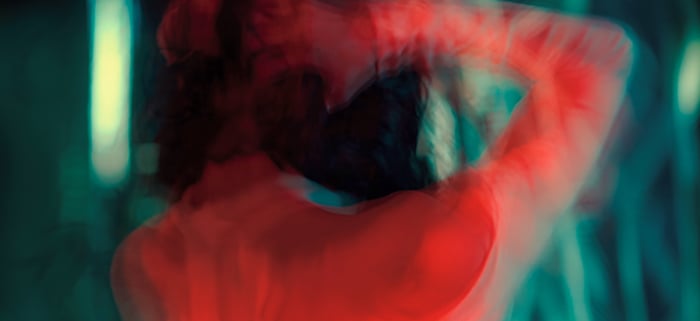
A wide crop can give a motion blur photograph a cinematic shape, but cropping does not create the blur itself.
Capture the movement first. Then try a wide composition that leaves room in the direction of travel. Keep enough space around the subject for the streaks to remain visible.
50. Storytelling Techniques
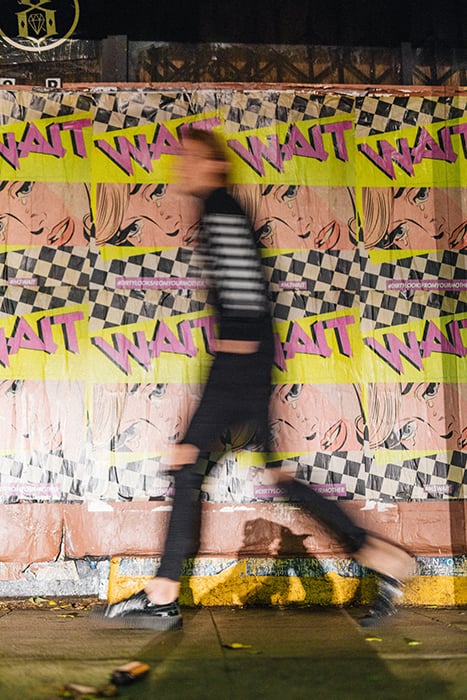
Use motion to tell a simple story or show a contrast: a commuter waiting as a train arrives, a still face in a crowd, or a dancer turning in an empty room.
In this example, consider the relationship between the posters and the passing person. The still and moving elements give you two parts of the scene to compare.
Conclusion
In many photography genres, sharp photos are a priority. Motion blur photography is an exception.
Choose one example and make a short series at different shutter speeds. Compare what stays sharp, how far the movement travels, and whether the blur strengthens the picture. That comparison will help you choose the next setting more than a fixed rule can.
Check out our Infinite Exposures course to take your motion blur photography to the next level!