

Featured Course:
End the frustration by adjusting just a few simple controls on your camera.
Learn More
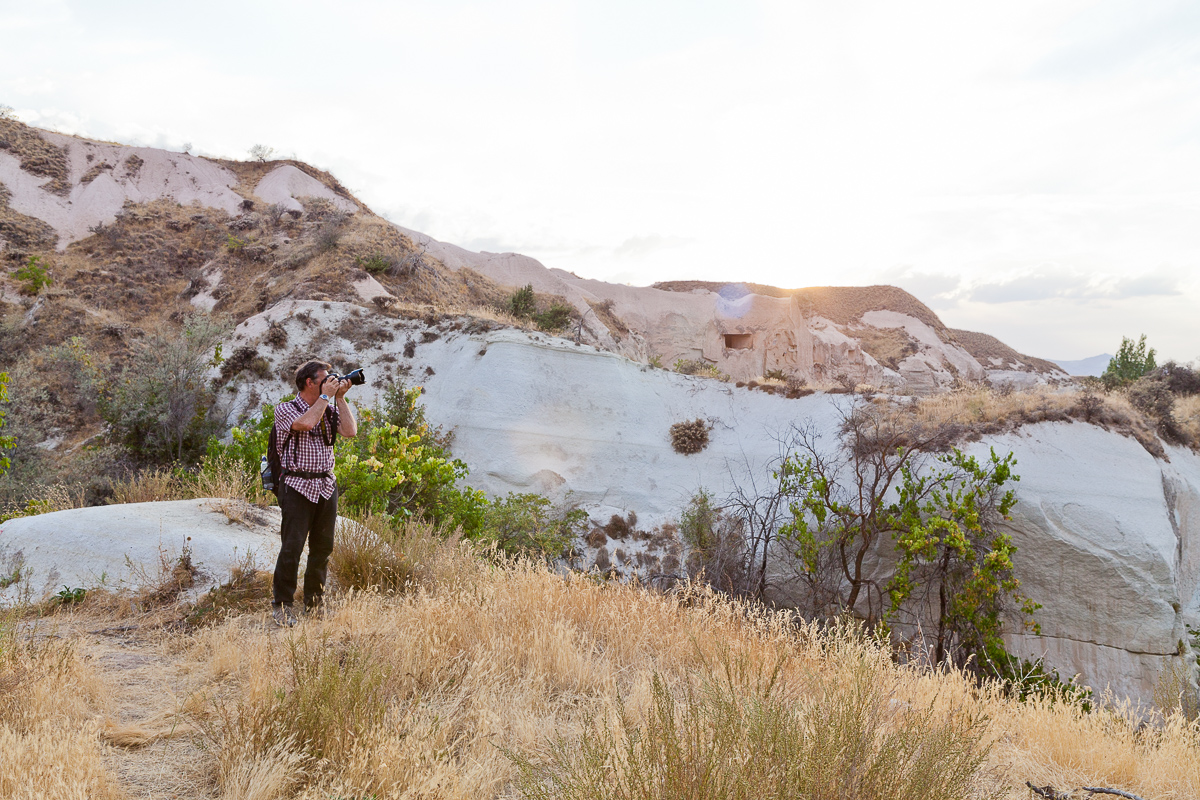
When it comes to photography, there are two main types of zoom: optical zoom vs digital zoom. But what’s the difference? And which one is better? Optical zoom uses the lens to physically magnify the image, while digital zoom enlarges the image electronically by cropping and enlarging the central part…
By Kav Dadfar
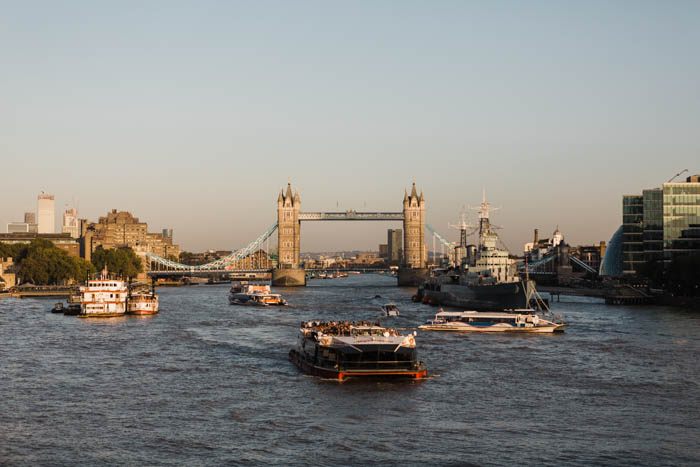
You can use foreground, middleground, and background to add depth and dimension to the image. These are often used in landscape photography. But they are also useful in other genres of photography. Adding depth and dimension to any image adds more interest in the eyes of the viewer. It makes them…
By Expert Photography

A lot of beginners in Lightroom fail to realize how important a Lightroom backup is. It needs to be made clear—Lightroom doesn’t actually store your photos. You decide where you want to keep your photos. Lightroom simply stores information about your photographs in a catalog. Your images aren’t technically “inside”…
By Darina Kopcok

Macro photography is a fascinating and rewarding genre that can be explored on a budget. Here are eight tips for getting started with creative macro photography without spending a lot of money. What You’ll Need for Creative Macro Photography For all of the following methods, you’ll need an interchangeable lens…
By Gabor Holtzer
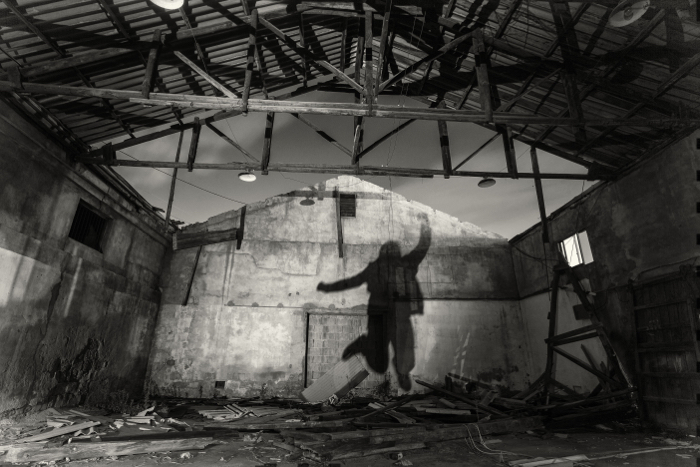
Urbex means urban exploration. This glossary explains UE, urbexing, secca, and other terms used in exploration reports and photography, with clear limits on access and safety.
By Simon Bond
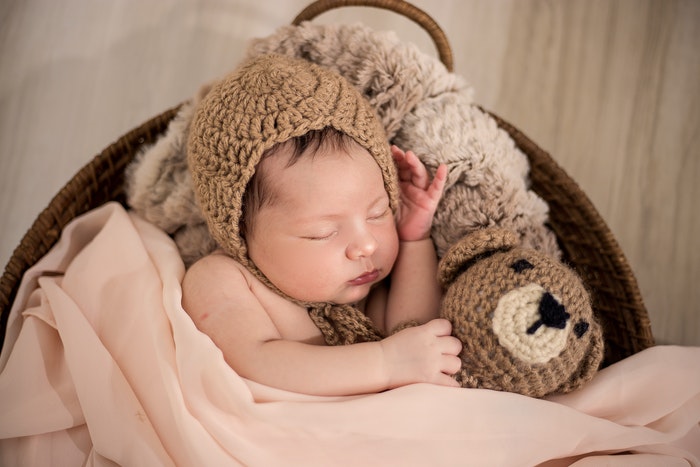
Hiring a professional newborn photographer doesn’t always fit into the budget. This is why many parents turn to DIY newborn photography. Newborns grow quickly, making photos a must even if you snap them with a smartphone. But newborn photography that you see coming from a professional studio isn’t always safe…
By Hillary Grigonis
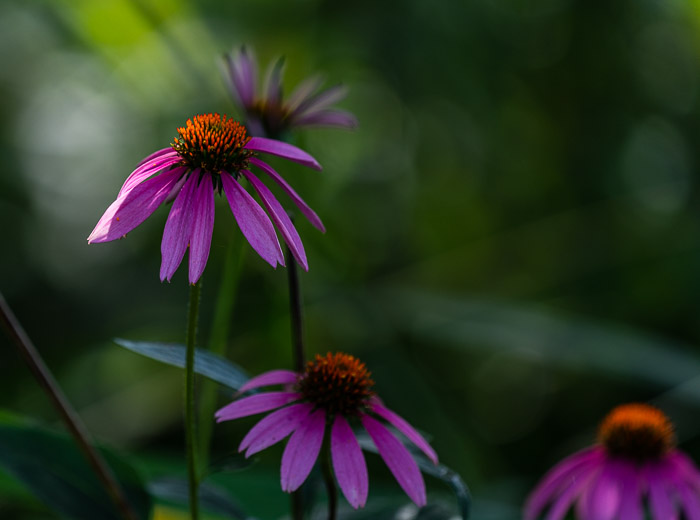
Back button focusing is a bit of a controversial topic between photographers. Many of them try back button focusing once and deem it unusable. But if you persist, you may have just found your new secret weapon. The below tips will show you how to set it up and integrate…
By Jenn Mishra
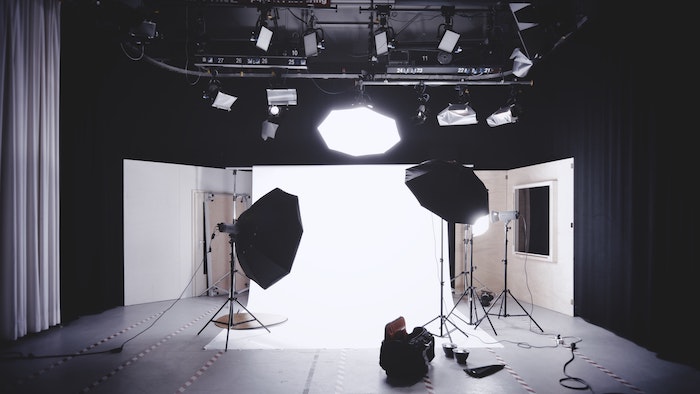
Learn how flashguns, studio strobes, continuous lights, modifiers, and supports work together. Choose lighting equipment for portraits, products, events, and video.
By Darina Kopcok
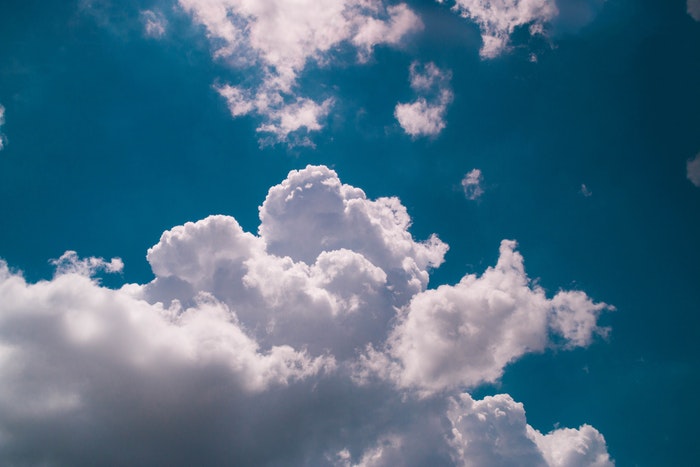
Few things can make or break a photograph like the sky. A beautiful, blue sky can add an element of serenity and peace to an image, while a stormy, dark sky can convey drama and tension. Editing the sky is one of the easiest ways to dramatically change the look…
By Expert Photography
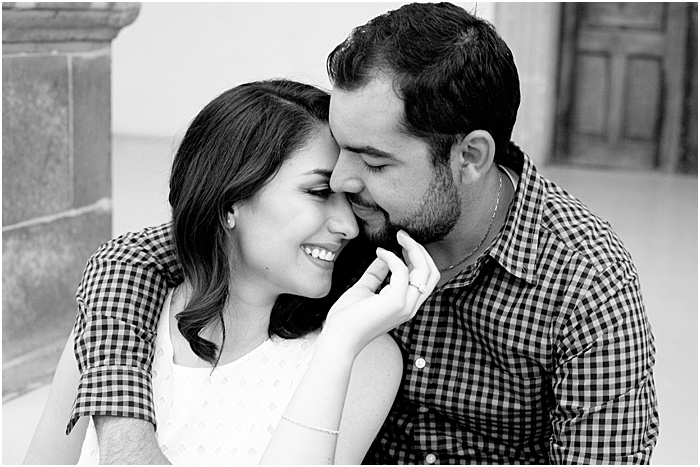
Adding a romantic touch to couple portraits may seem a little awkward at first. There are a few ways to create natural and authentic romantic photography during a session. Asking your clients to act romantic can make them nervous. These tips will help you to bring about romance without making…
By Jackie Lamas
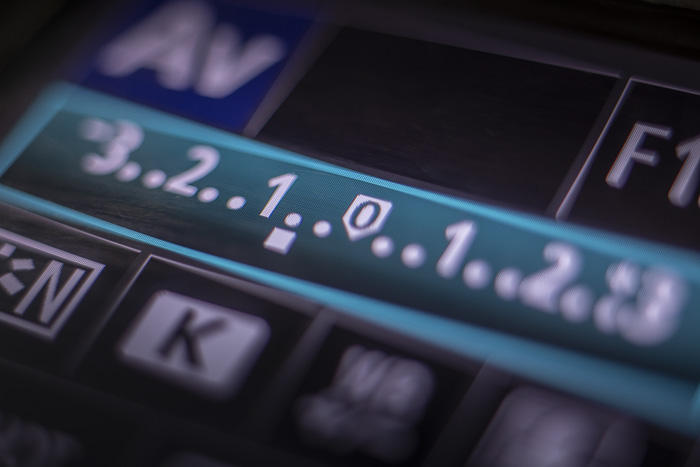
If you have a digital camera, chances are you’ve seen the exposure compensation button. It’s a weird-looking scale with numbers from -3 to +3, with a (zero) 0 in the middle. This camera setting is the exposure compensation scale. Our article explains how and why exposure compensation works. Learn how…
By Gabor Holtzer
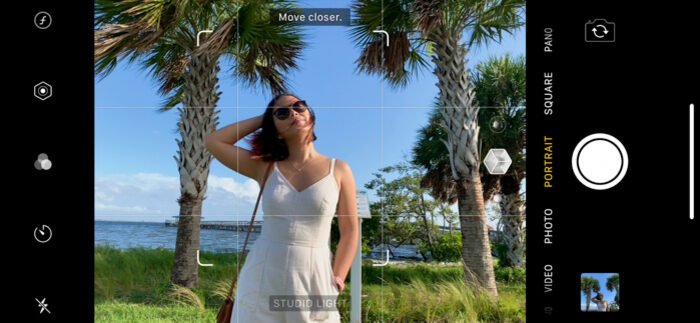
With the release of the iPhone 7 Plus, Apple introduced a new camera mode called Portrait Mode. This mode allows you to take photos with a depth-of-field effect, similar to what you would get with a DSLR camera. In order to take advantage of this feature, you need to know…
By Chad Verzosa