

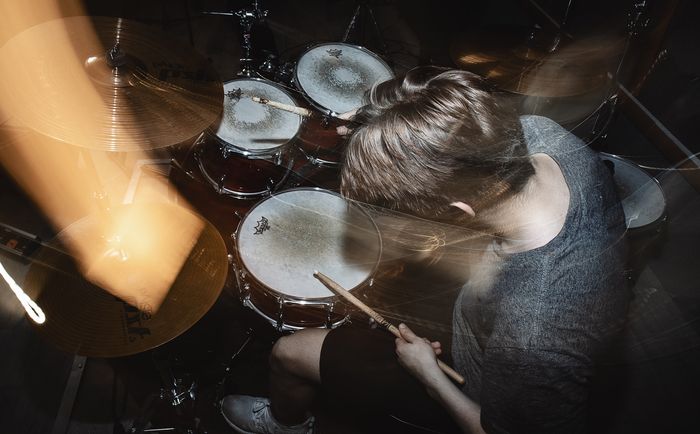
Slow sync flash is when you fire your flash either at the beginning or end of an exposure that’s slower than normal, for example 1/8 of a second. Anyone with experience behind a camera knows that it’s very hard to hold the camera steady enough for a sharp exposure at this sort of speed, and that’s where the flash comes in. By firing the flash, you freeze the motion and collect light trails in the remaining time, creating this rather cool effect, like in the photos below.
By Joshua Dunlop
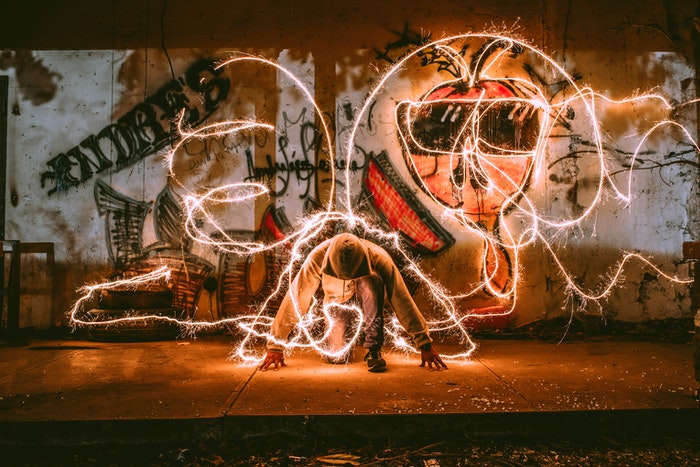
Light graffiti is a pretty simple concept. You take a long exposure and use a light source to paint graffiti in the frame. You can do this with a torch, a sparkler, a fire, or even a still light source if you move your camera. What Is Light Graffiti? If…
By Joshua Dunlop
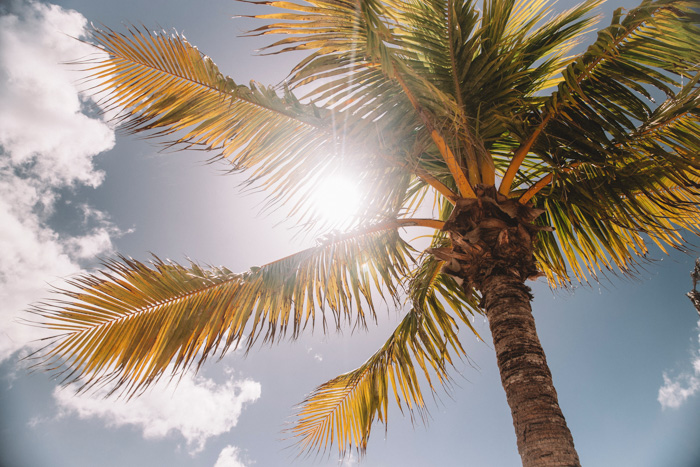
Lens flare photography is a technique that can be used to create unique and interesting photos. In this article, we’ll discuss what lens flare photography is and how to use it to create beautiful and eye-catching photos. We’ll also provide a few tips on how to get the most out…
By Joshua Dunlop
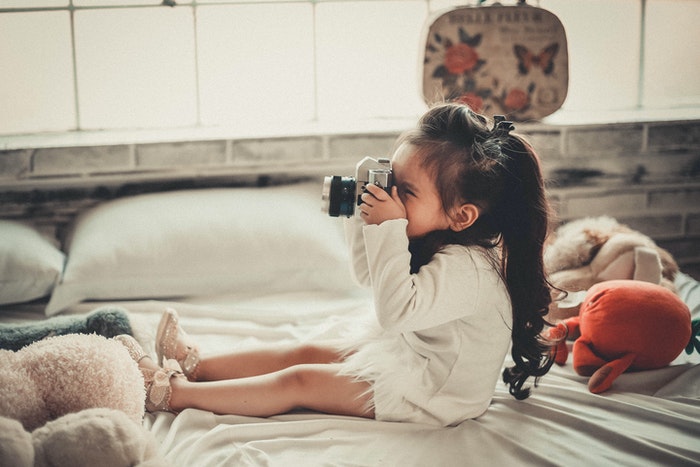
Many amateur photographers quickly lose interest in photography. They can struggle to get started or get easily frustrated. This is especially true for those who make the leap to DSLRs. It’s much harder than it seems to capture what you see. Digital SLRs are very popular these days, but most…
By Joshua Dunlop
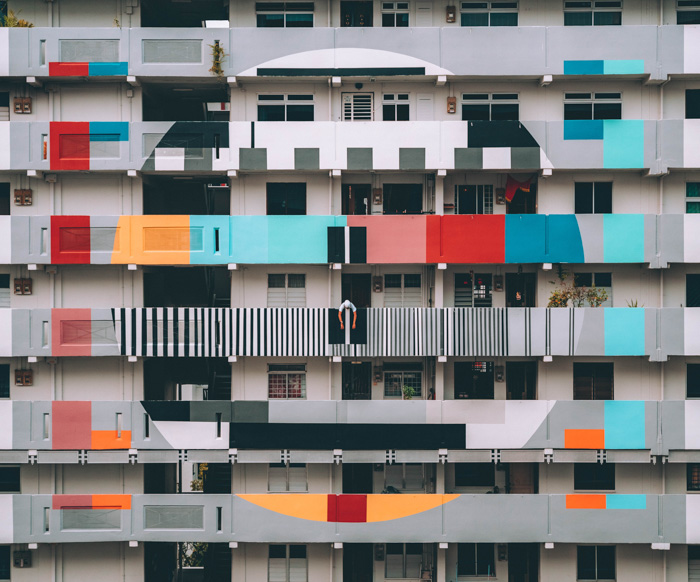
If you’ve ever taken photos indoors, without a flash, and wondered why everyone looks so orange, then this post will definitely help you. White balance can be hard to master at first, but once you understand it a little more, it can become quite intuitive, and understanding white balance is absolutely key to making your photos look good.
By Joshua Dunlop
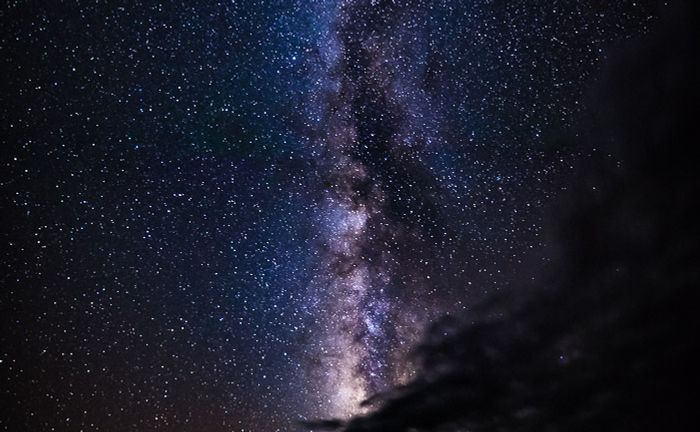
Learn how to find and photograph the Milky Way by planning around darkness, cloud cover, light pollution, moon phases, seasons, and twilight.
By Joshua Dunlop
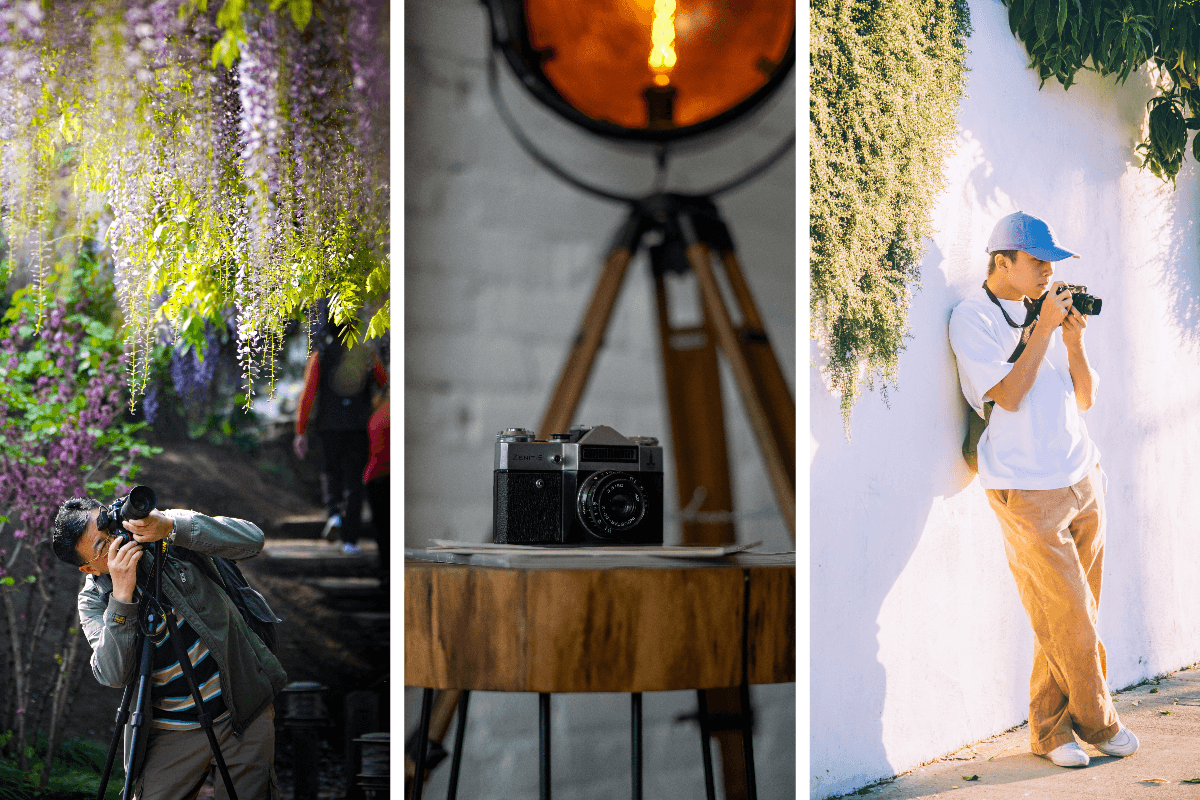
Quality photos come from a good knowledge of how to take them properly. This list will help you improve your images to get the sort of detail you’ve been looking for in 13 easy steps.
By Joshua Dunlop
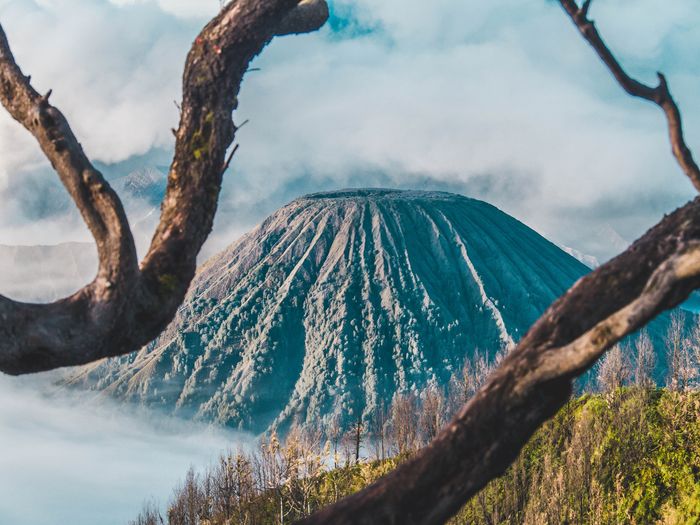
A frame within a frame uses a doorway, window, arch, or other part of the scene to surround your subject. Explore seven photo examples with practical tips for composition, focus, and exposure.
By Joshua Dunlop
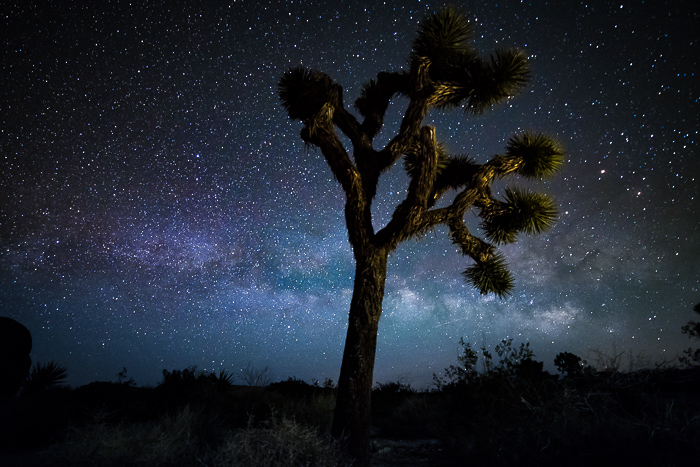
Our article demonstrates the ideal settings for photographing the Milky Way to assist you in capturing stunning night images. These will help you capture the ethereal beauty of this celestial wonder. Configuration for Capturing the Milky Way in Photos Unveiling this heavenly phenomenon requires the right camera settings and techniques.…
By Joshua Dunlop
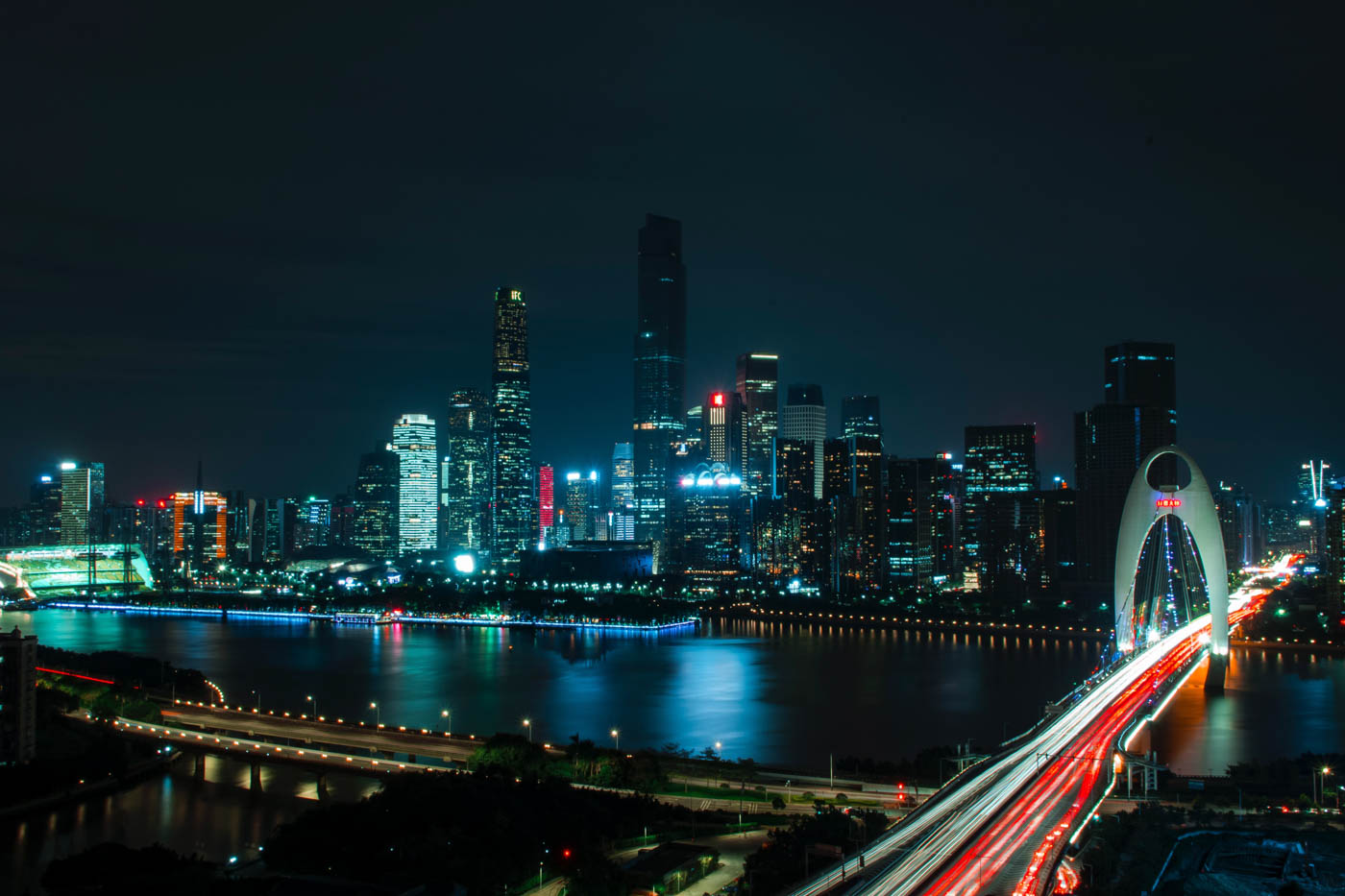
Learn how to photograph at night with practical guidance on composition, manual focus, exposure settings, long exposures, light trails, reflections, and the night sky.
By Joshua Dunlop

Balance is at the base of every composition; it determines whether the photo is pleasing and harmonious to look at, or rather uncomfortable and unresolved. If you look at balance in a literal sense, a very basic analogy comes to mind which is that of the weighing scales. If you divide the photo in half with a fulcrum in the middle, you can place objects in different parts of the scene to make the photo appear balanced or unbalanced.
By Joshua Dunlop
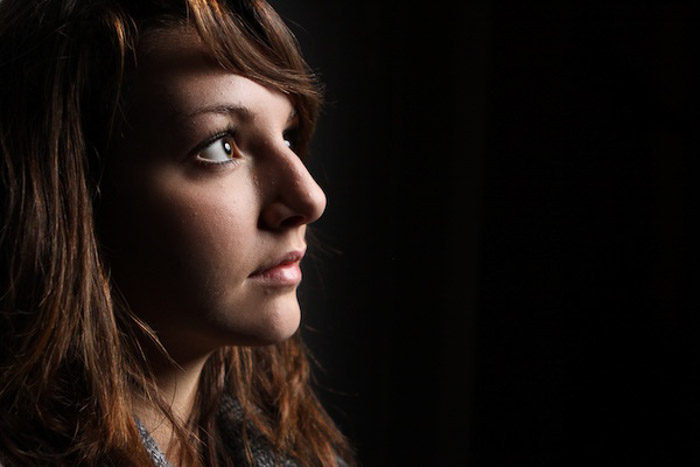
Low key photography is when you take a photo of a subject, and everything (or almost everything) except the subject in black. This can be achieved fairly easily and in brightly lit situations; it’s just all about having the right settings on your camera. It’s a cool technique which is useful for focusing the viewers attention onto a certain part of the photo, which is usually the subject. Here’s how it’s done.
By Joshua Dunlop