How much should you charge for photography? Start with the cost of running your business, the time each job takes, and the income you need. Then compare your price with photographers offering a similar service in your area.
For a rough U.S. reference, Fash lists professional photographers at $100 to $300 per hour or $75 to $350 per image in its guide dated September 4, 2025. Those are broad estimates, not a required rate or a fresh survey of 2026 bookings. A one-hour shoot can also involve several hours of preparation, travel, and editing.
This photography pricing guide explains how to turn those costs into an hourly rate or package, what to include in a quote, and how pricing changes between genres.
Note: All money examples below are in USD. The worked calculations are illustrations, not recommended market prices.
Photography Pricing for a Successful Business
There are different ways to generate revenue as a photographer. You can sell stock photos and prints, take commissions, or teach. For magazine submissions, check each publication's payment terms before relying on that income.
This guide focuses on commissioned photoshoots. Weddings, portraits, real estate, and commercial assignments need different quotes because the work and the client's use of the pictures differ.
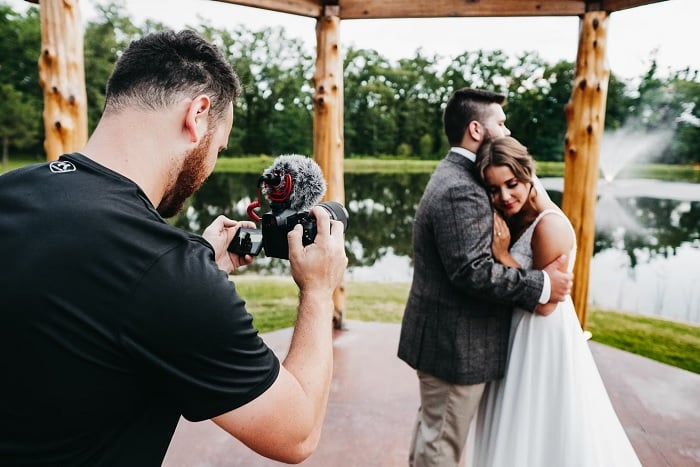
Beginners can be tempted to price a job just below everyone else. That can leave you busy but unable to pay yourself. Work out what the job costs before offering a discount, and be honest about the service you can deliver.
Pricing Model for Photoshoots
Start with three numbers: your annual business costs, your target pay, and a realistic amount of paid work. Together, these give you the financial part of a business plan.
Your calculated rate is a planning floor. Your final quote also needs to reflect the job's demands, the rights the client needs, and the market you serve.
How to Estimate the Market Rate
A quick search for photographers in your area will give you a starting point. Look for the same service and client type. A family portrait session in Los Angeles is a different offer from a national advertising shoot.
If you want to offer wedding photography, compare packages with similar coverage hours, photographers, albums, and delivered images. For portraits, check whether the advertised price includes digital files or only the session.
Record what each public price actually buys. A low starting fee with images sold separately is not directly comparable with an all-inclusive package. Where prices are not public, use the information available and seek advice from a photographer business mentor; do not pretend to be a customer to collect quotes.
Experienced Photographers Can Charge More
Experience can support higher fees when it helps you deliver consistent results, manage the shoot, and solve problems for the client. Years with a camera alone do not set a price.
Professional and amateur photographers may have different skills and business costs. Compare the work and service you can provide, then check that your fee covers your costs.
If you offer an introductory package while building your photography portfolio, define its limits and end date. You can reduce the session length or number of images instead of promising a full service at a price you cannot sustain.
Sources for Photography Pricing
Payscale, Glassdoor, and Indeed can provide employee salary context. A wage is different from a freelance client fee, which must also cover business costs and time without bookings.
The National Press Photographers Association has a cost-of-business calculator page. A calculator can help organize your assumptions, but your own records should supply the numbers.
The table below preserves Fash’s reference ranges from its September 4, 2025 guide, checked on October 23, 2026. These experience labels are Fash's categories. Use them as context, not a price list to copy or a reason to work below cost.
| Level | Per Hour (USD) | Per Image (USD) |
|---|---|---|
| Beginners | 0-50 | 10-25 |
| Amateur | 25-100 | 25-50 |
| Student | 50-100 | 25-100 |
| Semi-pro | 75-150 | 50-150 |
| Professional photographers | 100-300 | 75-350 |
| Top professional photographers | 200-500+ | 400-1,000+ |
How to Determine Operating Costs
Matching a competitor's price is not enough. List the costs your business must recover over the year:
- Cameras, lenses, and other equipment, including repairs and replacement
- Rent for your photo studio, utilities, and internet
- Editing software, your website, email, storage, and delivery services
- Marketing, accounting, and Insurance
Keep job-specific expenses separate. These can include travel, an assistant, studio hire, props, outsourced editing, prints, and shipping. Count a cost in your annual budget or add it to the job, so you do not charge for it twice by mistake.
Your time also has a cost. Track enquiries, planning, location scouting, travel, setup, shooting, culling, photo editing time, delivery, and follow-up. Only counting the time behind the camera hides much of the work.
Karl Taylor explains a cost-based approach to pricing. The Professional Photographers of America business resources also distinguish direct production costs, general expenses, owner pay, and profit. Keep those categories separate when you build your budget.
A Worked Photography Pricing Calculation
Suppose your annual plan looks like this:
| Planning item | Example amount |
|---|---|
| Business overhead, excluding job-specific expenses | $18,000 |
| Target owner pay before personal taxes | $60,000 |
| Additional business reserve | $12,000 |
| Total to recover through your fees | $90,000 |
Now suppose you expect 100 paid jobs in the year, each taking six hours from planning to delivery. That is 600 hours of job work. Allow separately in your calendar for marketing, bookkeeping, holidays, and time without bookings.
$90,000 ÷ 600 job hours = $150 per hour of job work.
A six-hour job would need a fee of $900 to meet that plan. If it also has $100 of direct expenses that are not in your annual overhead, the example quote becomes $1,000 before any applicable sales tax or separately priced usage rights.
That does not make $1,000 the right price for every session. It shows what this business would need to average under these assumptions. If it books fewer jobs or editing takes longer, the calculation changes. Check whether your local market and available time can support the plan before committing to it.
Plan for Taxes
The example owner pay is before personal taxes, not take-home income. In the U.S., the IRS explains that self-employed people generally pay both income tax and self-employment tax. Estimated tax payments may also be required.
Ask an accountant to help estimate your own tax reserve and check any sales-tax obligations. A single percentage of every payment will not suit every photographer, business structure, or location.
How to Structure Freelance Photography Rates
You can calculate a job from your costs and still present the price as a package. Clients need to know the total they will pay and what it includes.
Choose the Right Pricing Model
| Pricing model | How to use it | What to define |
|---|---|---|
| Hourly | Coverage for an event or a short assignment | Minimum booking, coverage hours, editing, and overtime |
| Half-day or day rate | A defined production or shoot day | Length of the day, preparation, crew, and post-production |
| Session or project package | Portraits, weddings, or another agreed scope | People, locations, images, products, and delivery |
| Per image | Product work or individually selected pictures | Setup fee, image specification, retouching, and usage |
| Per property | A real estate listing | Property size, image count, travel, and extras |
For commercial photography, a shoot fee and a usage fee can be separate parts of the quote. Define both before the client books. The number of people in a portrait session can also change the time and production cost, even when the shoot length looks similar.
How to Price Your Photography in Each Genre
A rate only makes sense alongside its scope. Use these sections to decide what to include, then price the job with your own costs and comparable local offers.
Event Photography Pricing Guide
For event photographers, an hourly quote can make coverage easy to understand. Set a minimum booking if preparation, travel, and delivery would make a one-hour assignment uneconomic.
Price the complete job internally, even if the client sees a coverage rate. A three-hour event might involve a briefing, travel, equipment setup, and several hours selecting and editing the pictures.
State the coverage times, expected number or range of final images, editing included, delivery deadline, and overtime price. If a longer booking has a lower hourly rate, check that the total still covers the additional work.

Wedding Photography Pricing Guide
Wedding packages can combine coverage, a second photographer, an engagement session, albums, and prints. Each choice affects your wedding photography prices.
Wedding photography contracts should describe the hours covered and the agreed deliverables. Tell the couple whether they receive a selected edited gallery and whether albums or extra coverage cost more.
Setting Prices for Wedding Packages
Compare packages on their contents. A short ceremony booking and a full day with two photographers are different jobs. Include meetings, timeline planning, travel, editing, gallery delivery, and album design in your costing.
An engagement photoshoot can be an optional service or part of a package. Price its work and expenses even when you present it as an included benefit.
Beginner wedding photographers should build a package around the coverage and service they can reliably provide. A small introductory package needs a defined scope; it should not promise a full wedding service simply to match the lowest advertised price.
Portrait Photography Pricing Guide
For portrait sessions, specify the number of people, session length, locations, outfit changes, and finished images. A family session and a team headshot day require different amounts of coordination and editing.
Including Extras In the Pricing
Tell clients whether the session fee includes digital files. If they buy images separately, show those prices before booking. You can offer prints, framed pictures, or albums alongside digital images, with their production and handling costs built into the price.
For corporate portraits, ask how many people need pictures and whether each needs the same setup. Include time for staff scheduling, setup changes, individual retouching, and the business use of the files.
You can see our full article on professional portrait photography pricing.
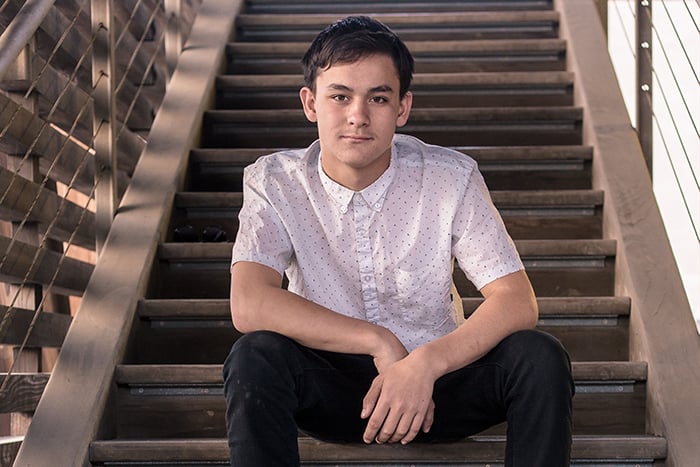
Pricing for Social Media Portraits and Ads
Ask who will use the pictures and how. A personal profile picture, a company's social post, and a paid advertising campaign can need different permissions and production work.
Delivering a digital file does not by itself give the client unrestricted rights. In the U.S., the Copyright Office explains that the photographer is generally the initial copyright owner, with exceptions such as qualifying work made for hire. Put the agreed permissions in writing and get legal advice for a rights transfer.
For a business client, define the approved channels, period of use, territory, and any exclusivity. Do not assume an Instagram campaign should cost less than a print ad; price the actual scope and usage.

Real Estate Photography Pricing Guide
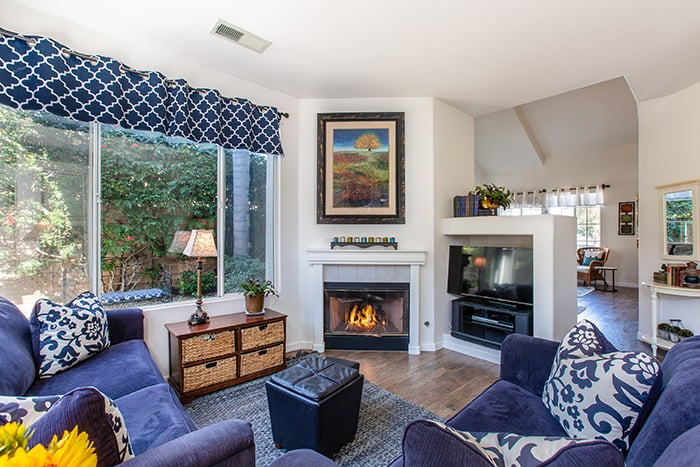
Real estate photography can be an option for a photographer building a client base. Before quoting, check that you can deliver consistent interiors, meet the client's brief, and work to the agreed schedule.
Flat-Rate Pricing
A per-property package makes pricing for real estate photography easy for an agent to compare. Define the property-size band, included rooms or areas, image count, and travel radius.
Larger properties, several buildings, twilight visits, floor plans, or other services can change the job. Quote these separately or place them in a package that covers the extra time and expense. Do not assume every listing needs the same number of pictures.
Online Platforms and Growing a Business
Confirm the delivered image sizes and listing platform requirements with the client. Agree on a deadline you can meet and state whether urgent delivery costs extra.
If you are starting in the real estate photography business, build a portfolio of work you can repeat reliably. Track travel, shooting, and editing on your early jobs so your next quote reflects the time actually needed.
Commercial Photography Pricing Guide
A commercial quote needs to cover making the pictures and the client's right to use them. Photographers can earn a separate fee for licensing their photos for commercial use, or include defined usage in a project price.
Questions to Ask Beforehand
Ask for the shot list, number of finished images, intended use, production dates, delivery deadline, and budget. Find out whether the job needs models, stylists, assistants, location hire, props, or specialist retouching.
Check who approves the images and how many revision rounds are included. A change to the brief after booking should have an agreed process for extra time and costs.
Standard Commercial Pricing
You can quote a day rate, a project fee, or a per-image fee. State what that fee covers. A shoot-day fee may leave preparation, crew, expenses, post-production, and usage to be priced separately.
The Artist Management Association's photo-production guidelines describe usage by duration, territory, media, exclusivity, and the photographs licensed. Use those questions to define the client's permission, rather than promising an unspecified “buyout.” A license and a transfer of copyright are different agreements.
For example, a quote could cover ten selected images on a client's own website for one year, with paid advertising priced separately. This is an illustration of scope, not a standard license or fee. Any wider use should follow the agreement you negotiate with the client.

Product or E-Commerce Photography Pricing Guide
For product photography, a per-image fee can work when each picture has a repeatable setup. This includes e-commerce photography, but a simple product on white and a styled campaign image are different jobs.
Ask how many products and views are required, whether items need cleaning or assembly, and what background, resolution, and retouching the client expects. Consider a setup fee or minimum order when a small image count still needs substantial preparation.
Before discounting a large batch, check whether the products can share the same setup. Hundreds of similar items may be quicker per image than a small set of reflective or transparent products. Include the agreed business usage in the quote.
Food Photography Pricing
Price food work from the shot list and production needs. A few dishes photographed on location are a different assignment from a menu campaign with a stylist, props, and several shooting days.
Agree on who supplies and prepares the food, how much time the kitchen needs, and who pays for ingredients, studio hire, assistants, and props. Specify the final images, their use, and the amount of photo retouching included.
Keep notes on setup, styling, and editing time after each job. They will help you quote the next menu or restaurant shoot without guessing from the time spent taking pictures alone.

Nature, Landscape, Street, and Documentary Photography
The subject alone does not tell you what to charge. First decide what the client is buying: a commissioned shoot, a print, or permission to use an existing picture.
For a landscape or nature assignment, include research, travel, time on location, and editing in the quote. Agree on what happens if weather or access prevents the planned shoot. For a print, calculate production, packaging, delivery, and the return you need from the sale.
For street or documentary images, define the assignment and intended use with the editor or client. If you license an existing photograph, scope the permission by the images and uses requested. Do not apply a portrait-session rate automatically to a publication license.
What to Include in a Photography Quote
A client should be able to see the price and the limits of the booking before agreeing to it. Put these details together:
- The shoot: date, location, people or products, coverage hours, and any travel included
- The delivery: selected image count, editing, file format, deadline, prints, or albums
- The permissions: personal or business use and any agreed limits
- The payment: total price, applicable taxes, payment schedule, and prices for extras
Use the booking agreement to set cancellation, rescheduling, overtime, and changes to the brief. Have terms checked for your location.
When to Reevaluate Your Rates
Review prices when your costs, workload, service, or demand changes. Compare the hours you estimated with the hours each job actually took, then check what remained after direct expenses and overhead.
Before setting new photography rates, calculate your costs. If editing regularly takes twice as long as planned, adjust the workflow, scope, or price. An automatic increase will not tell you why a package is falling short.
Check comparable local offers again, and give future enquiries the updated price. Honor existing agreements unless a change is agreed with the client. A full calendar is only a success if the work also meets your income plan.
Seek Professional Business Advice
An accountant can help with cash flow, tax planning, and separating business costs from personal spending. A lawyer can check booking and licensing terms. Choose support for the problem you need to solve.
Business Coaching
If you need help with packages or sales, look for a coach who understands your type of photography. Ask what the session covers, what it costs, and what work you will leave with. Avoid paying for a broad promise of higher earnings.
Self-Study and Learning
You can also build your own pricing sheet. Record your annual costs, the hours behind each package, direct job expenses, and results from completed bookings. Update it with your actual figures.
Plus, you gain total control over your photography business. And there’s nothing like seeing your earnings grow through your work. You can even check out our Organic Marketing for Photographers eBook to help your photography business thrive!
Conclusion: Photography Pricing Guide
Set your photography prices by costing the whole job, allowing for the income your business needs, and comparing like-for-like offers in your market. The reference ranges can orient you, but your own numbers decide whether a booking works.
Choose a pricing model clients can understand. State what they get, when they receive it, how they may use the pictures, and what costs extra.
After each job, compare the quote with the time and expenses it took. That is how you move from guessing a photography rate to building packages you can deliver and sustain.