
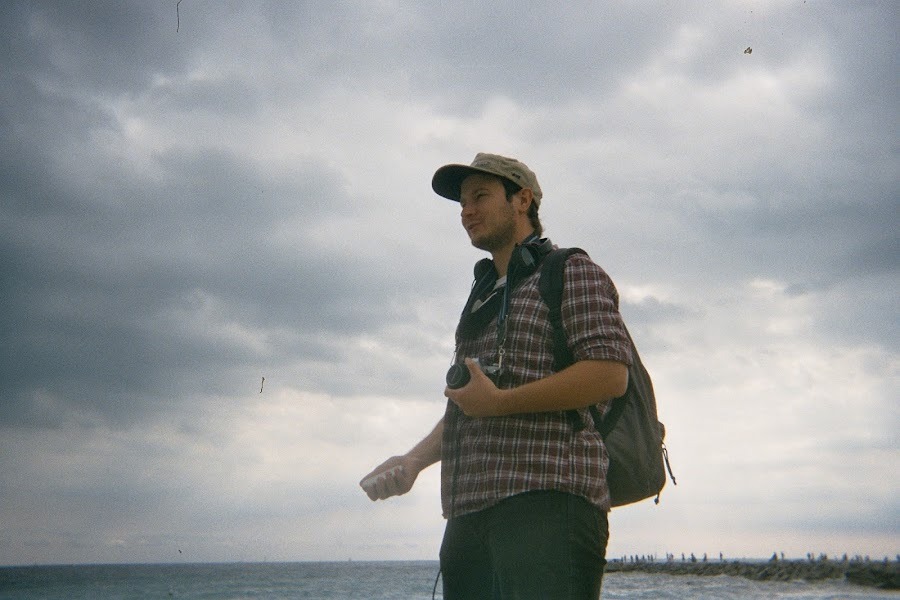
Photography slang is the informal language photographers use for their gear, pictures, and working habits. “Glass” means a lens, a “photog” is a photographer, and “chimping” means repeatedly checking photos on the camera screen.
You will also hear standard technical terms, such as aperture, focal length, and ISO. These are useful camera terms rather than slang. This guide explains both, plus the abbreviations you will see in tutorials and photo discussions.
© Clem Onojeghuo
Slang for Photographers and Pictures
If you are looking for a nickname for a photographer or another word for a photo, start here:
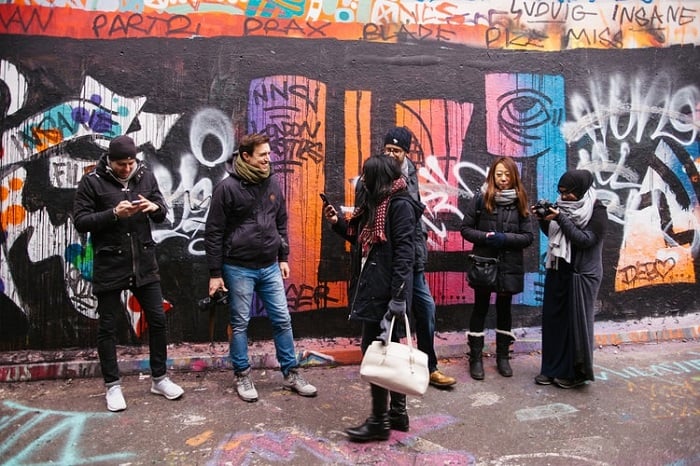
- Photog: Short for photographer. It can refer to an amateur or a professional.
- Tog: Another informal shortening of photographer. People differ on whether they like the label, so use “photographer” when you are unsure.
- Shutterbug: A photography enthusiast. It describes enthusiasm, not a beginner skill level.
- Pics: Informal shorthand for pictures or photographs. “Send me the pics” means “send me the photos.”
- Snaps: An informal word for photographs, especially casual snapshots. You might hear “holiday snaps” in British English.
- Shots: Photographs, or individual attempts to take a photograph. “I took three shots” can mean three frames.
Photography Slang and Technical Terms: A to Z
Entries marked technical describe a standard photographic concept. The other entries are informal words, nicknames, or shorthand; their tone and meaning can depend on the conversation.
A to C
- Aliasing (technical): False patterns or jagged edges that appear when fine detail cannot be represented accurately in a digital image. It can show up as moiré in closely spaced stripes; it is not simply two objects blending together.
- Artefact/Artifact (technical): An unwanted feature introduced during image capture or processing, such as compression blocks, false color, or sharpening halos.
- Blown Out: Bright areas with no visible detail because the highlights are clipped. Overexposure can cause this. An intentionally white background is not automatically an exposure mistake.
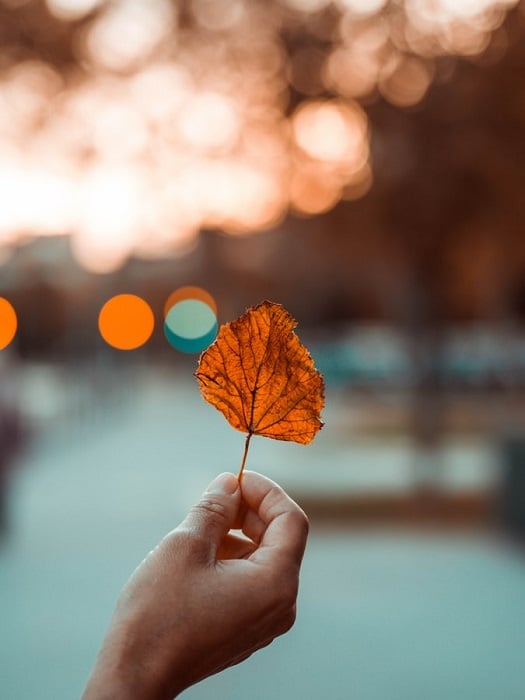
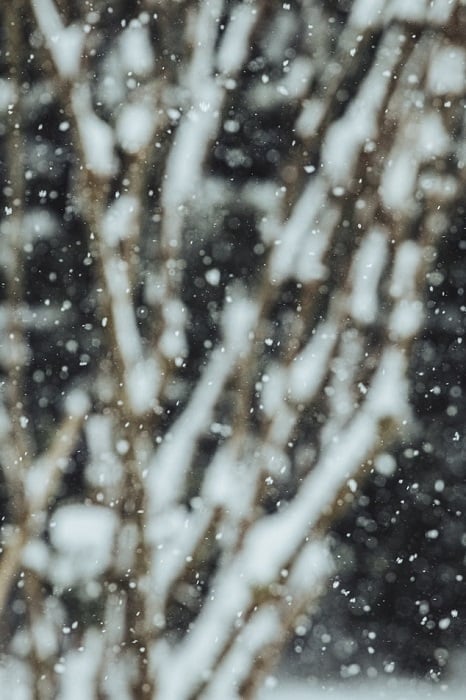
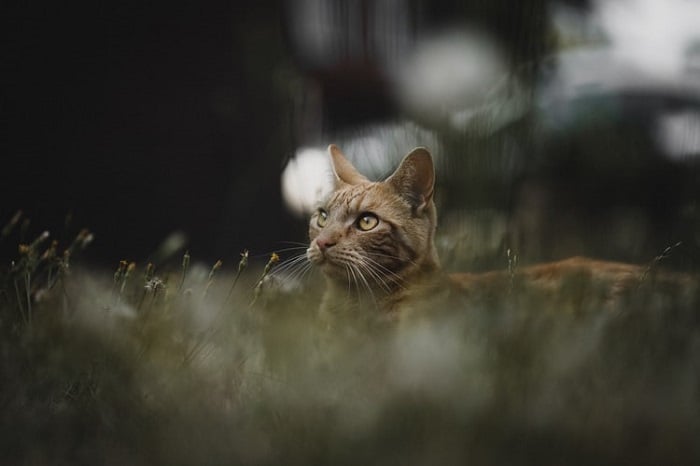
- Bokeh (technical): The appearance or quality of the out-of-focus blur in a photo. Bokeh can look smooth, busy, or ring-shaped. It is associated with shallow depth of field, but it is not the same as motion blur.
- Bracketing (technical): Taking a series of photos while changing a setting between frames. Exposure bracketing varies exposure; a sequence might include a darker frame, the metered frame, and a brighter frame. It is not limited to three shots or to film photography.
- Candid (technical): A photo of an unposed moment. The subject may know a photographer is present; “candid” does not mean you must photograph people without their knowledge.
- Chimping: Repeatedly checking the camera screen after taking photos. The word can be teasing or critical, but checking exposure and focus is useful when it does not make you miss the next moment.
© Steven Ramon
D to F
- Dust Bunny: A nickname for a dust spot that shows up in an image, often from dust on the sensor or its cover. It is not the same as digital noise.
- Fast/Slow Lens: A fast lens has a wide maximum aperture, such as f/1.8. It lets in more light than a slower lens at its maximum aperture, so you can use a faster shutter speed under otherwise comparable conditions. “Fast” here describes the aperture, not autofocus speed. The f-stop tells you the aperture setting.
- Fill Light (technical): Light used to brighten shadows and reduce contrast. It can come from a flash, another lamp, or a reflector; it need not be a physically smaller light.
- Flag (technical): An opaque panel used to block light from part of a scene or keep stray light off the lens. Flags help control light in studio photography.
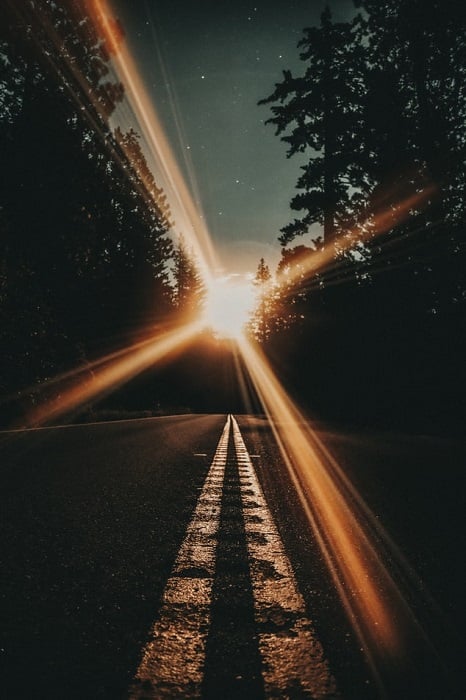
- Flare (technical): Stray light in the lens that can create haze, bright spots, or streaks. Lens flare can reduce contrast or become an intentional creative effect.
- Frame (technical): One photographic image, or the boundaries of the image. “Fill the frame” means composing so your subject occupies more of the picture; see our guide to framing.
- Fringing (technical): Unwanted colored outlines along edges, often visible where dark objects meet a bright background. Chromatic aberration can cause it. Fringing can be purple, green, or other colors.
© Jonathan Duran
G to M
- Glass: Slang for a lens. “Fast glass” means a lens with a wide maximum aperture.
- Gobo (technical): In pattern lighting, a template that shapes projected light, such as a leaf or window pattern. In some photography discussions, “gobo” also means a light-blocking object. Ask which meaning is intended if someone is setting up lights.
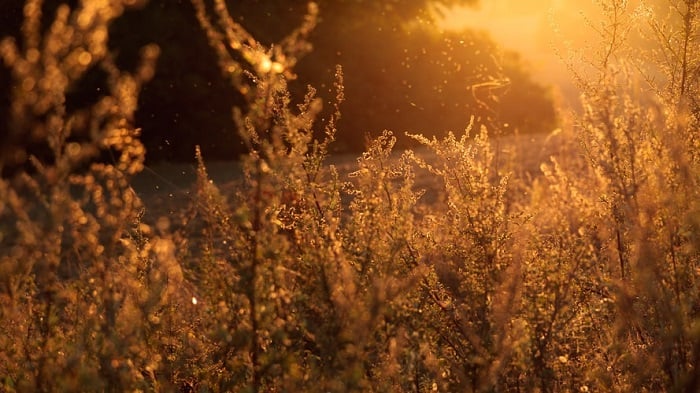
- Golden Hour: The period of low sunlight shortly after sunrise or before sunset. Golden hour can give warm light and long shadows. Its length depends on the location and season; it is not always 60 minutes.
- Grad: Short for a graduated filter, often a graduated neutral-density filter. A graduated ND filter darkens one part of the scene, such as a bright sky, more than another. It is a physical lens filter; a graduated adjustment in editing software is a separate tool.
- Grip and Grin: A posed event photo of people smiling for the camera, often while shaking hands or presenting an award. It does not mean surprising someone with a camera.
© Lukasz Szmigiel
- Halos (technical): Light or dark outlines around edges. Excessive sharpening or strong local contrast adjustments can create them.
- Lossy/Lossless (technical): Two types of compression. Lossy compression discards some image data; lossless compression lets the original data be reconstructed. Ordinary JPEG photo compression is lossy. Raw files can use different compression methods, so “raw” does not automatically mean “lossless.”
- Marching Ants: The animated dashed outline of a selection in Photoshop and other editors. It marks the selection boundary, not the edge of an image file.
- Moiré (technical): A false repeating pattern that can appear when a fine pattern in the subject interacts with the camera sensor's sampling grid. Fabric and closely spaced lines can produce moiré.
- Muddy: An informal description of a photo with weak separation between tones or colors. Brown or earthy colors alone do not make a photo muddy.
© Serj Tyagolvsky
N to R
- Nifty Fifty: A nickname for a 50mm prime lens, often an f/1.8 model. “Prime” means its focal length is fixed. On a crop-sensor camera, a 50mm lens gives a tighter angle of view than on full frame; it does not reproduce human vision exactly.
- NoFilter: A hashtag that suggests no filter was applied. It does not prove an image is unedited: cropping, retouching, or other adjustments may still have been made.
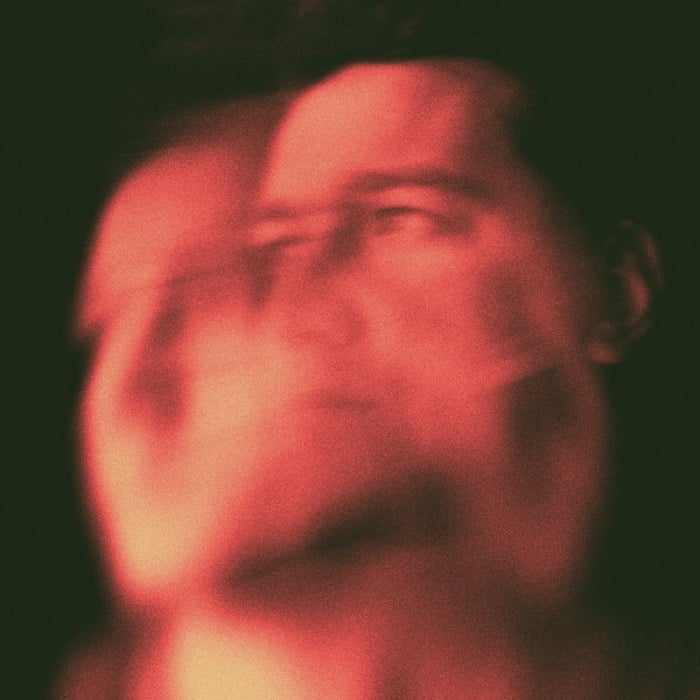
- Noise (technical): Random variations in brightness or color that can look like speckles in a digital photo. It can be more visible in low-light images and lifted shadows. Film grain is a different physical phenomenon, although people sometimes use “grainy” for either appearance.
- Noisy: An informal description of an image with noticeable noise. It describes the picture, not the sound of the camera.
- Photobomb: To appear unexpectedly in someone else's photo, deliberately or by accident.
- Pixel Peeping: Inspecting an image closely at pixel level, often at 100% magnification. It can reveal focus or noise problems, but the final display or print size also matters.
- Prime (technical): A prime lens has one fixed focal length. A zoom lens lets you change focal length without changing lenses.
- Raw (technical): Image data saved from the camera sensor with less processing than a finished JPEG. A raw file gives you more control during conversion, but it does not contain every possible detail in a scene. File size and compression depend on the camera, format, and settings; there is no fixed raw-to-JPEG size ratio.
© Cody Fitzgerald
S to X
- Scrim (technical): A light-control material. Wire or net scrims reduce light intensity. Photographers also use “scrim” for a translucent diffusion panel that softens light. A solid light blocker is a flag.
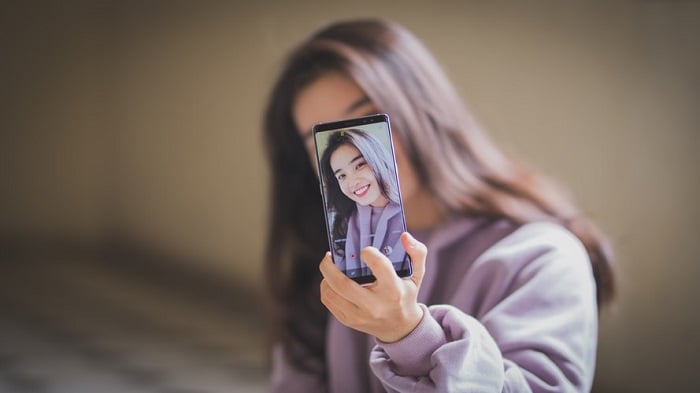
- Selfie: A self-portrait, often made with a phone or a camera held at arm's length.
- Sharp: An image with clearly defined detail. Accurate focus helps, but camera movement, subject movement, lens performance, and processing also affect sharpness.
- Shoot and Burn: An older expression for photographing a session and supplying digital files, originally on a CD or DVD. It does not guarantee that every frame is delivered; the agreed package determines that.
- Soft: An image or area that lacks crisp detail. Missed focus or motion can cause softness. Intentional soft focus is a creative effect rather than necessarily a focusing error.
- Spray and Pray: Taking many photos in the hope of getting a good one, with little attention to timing or composition. Planned burst shooting for action is a different technique.
- Stop (technical): A doubling or halving of exposure, or an equivalent one-stop change in a camera setting. For example, 1/125 second to 1/250 second halves the exposure time. ISO 200 to ISO 400 is also a one-stop setting change, but it does not put more light on the sensor. “Stop down” means make the aperture smaller; “open up” means make it larger.
- Touching Up: Making adjustments or retouching a photo after capture, such as removing a small blemish.
- Uncle Bob: Wedding-photography slang for a guest with a camera who interferes with the hired photographer's shot. It is a critical label, not a literal family relationship or a term for every guest taking photos.
- Xpro/X-Pro: Short for cross-processing: developing film in chemistry intended for a different film type. One example is processing E-6 slide film in C-41 color-negative chemicals. Tell your lab before requesting it.
© Taan Huyn
Photography Abbreviations and Acronyms
These are a mix of technical abbreviations, software names, and forum shorthand. Context matters: the same letters can have different meanings.
A to C
- ACR: Adobe Camera Raw, Adobe's tool for opening and processing supported camera raw files.
- AF: Autofocus. The camera or lens system adjusts focus automatically. An AF mode is a specific focusing behavior; see our guide to autofocus modes.
- B&W/BW: Black and white. It can describe an image, a conversion, or black-and-white film.
- BIF: Birds in flight. It describes the subject or type of photography, not an autofocus rating or a universal camera mode. Bird photographers may discuss AF tracking performance for BIF.
- C&C: Comments and critique, or comments and criticism. A request for feedback on a photo.
- CC: Often Creative Commons when discussing image licensing. The particular license determines permitted uses; some restrict commercial use or sharing adaptations. Check the actual CC license. In an editing discussion, CC may instead mean color correction.
- CCD: Charge-coupled device, a type of image sensor. It is not specific to one camera brand or genre.
- CMOS: Complementary metal-oxide-semiconductor, another image sensor technology.
© Mario Ho
D to L
- DNG: Digital Negative, Adobe's openly published format for camera raw data. “Openly published” is more precise than calling the file format open-source software.
- DOF/DoF: Depth of field: the distance range that appears acceptably sharp. A smaller aperture, expressed by a higher f-number, generally gives more depth of field when other factors stay the same.
- DSLR: Digital single-lens reflex. A digital camera with a mirror-based optical viewing system. A mirrorless camera is a different design.
- FF: Full frame, generally a sensor about 36 × 24 mm, similar in size to a 35mm film frame. Crop sensors are smaller.
- HDR: High dynamic range. In photography, an HDR merge combines differently exposed photos to retain detail across a wide range of tones. It does not have to produce an exaggerated look.
- IQ: Image quality. This is a broad description, not a single standardized camera score.
- ISO: The camera setting used to express ISO speed or sensitivity. At the same aperture and shutter speed, a higher ISO usually produces a brighter image; it does not increase the light captured. ISO is the short name of the International Organization for Standardization, not an acronym to expand as “International Standards Organization.”
- JPEG/JPG: A widely supported image format. JPEG takes its name from the Joint Photographic Experts Group. JPG is a common file extension. The usual photo compression is lossy, but a well-made JPEG can still look excellent; see raw vs JPEG.
- LR: Lightroom, Adobe's photography software. Ask whether someone means Lightroom or Lightroom Classic if the instructions depend on the application.
© Gijs Coolen
O to S
- OCF: Off-camera flash. A flash positioned away from the camera; see our off-camera flash course review.
- OOF: Out of focus. A description of an image or part of it; background areas can be intentionally OOF.
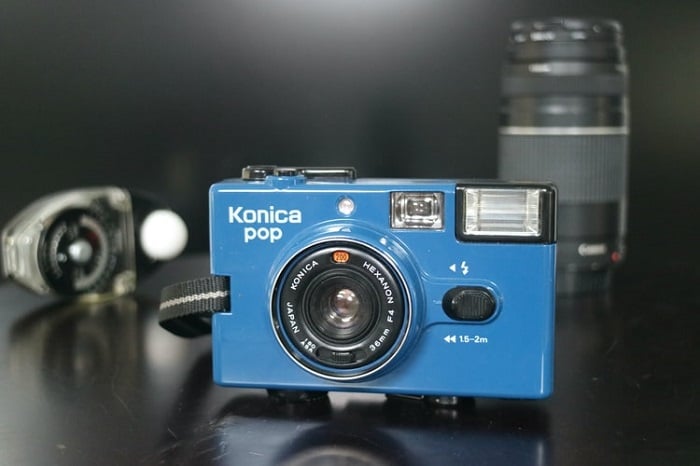
- P&S: Point-and-shoot. Usually a compact camera with a built-in lens and automatic shooting options. Some also offer manual controls.
- PM: In a software discussion, Photo Mechanic, an application for importing, viewing, selecting, and managing photos. In a forum, PM may instead mean private message.
- PP: Post-processing. Work done after capture, such as cropping, tonal adjustments, or retouching.
- PS: Photoshop, in an image-editing discussion. It can also mean “postscript” in ordinary writing.
- PSE: Photoshop Elements, a separate Adobe editing application.
- px: Pixels, a unit for image dimensions. An image 4000 px wide by 3000 px high contains 12 million pixels, or 12 megapixels. A megapixel count alone does not specify an image's width and height.
- SLR: Single-lens reflex. A camera design with a mirror-based optical viewfinder looking through the taking lens. An SLR can use film; a DSLR is digital.
- SOOC: Straight out of camera, meaning no later editing. A camera-generated JPEG still has in-camera processing, such as white balance and sharpening. SOOC does not mean “unprocessed sensor data.”
© Nik Korba
Using Photography Lingo
Use the context to work out the meaning. “Fast glass” describes a lens, “BIF” describes birds in flight, and “C&C welcome” asks for feedback. None of these tells you how skilled the photographer is.
If a phrase is unclear, ask what the speaker means. Learning basic photography terms and recognizing a few informal expressions will help you follow tutorials and talk about your own pictures.
Now that you know the lingo, get off auto-mode and take stunning photos in real life with Photography Unlocked!