Outdoor senior picture ideas work best when the location, pose, and props reflect the student. Start with a walk along a favorite path, a seated portrait on steps, or a cap-and-gown photo against a plain wall. Then add an interest that makes the session theirs, such as music, sport, or time with friends.
These senior picture ideas can help you plan a session around the person in front of your camera. Posing starts with a simple direction and a check that the senior feels comfortable. You don’t need to make every photograph formal or ask them to perform for the camera.
Outdoor Senior Picture Poses to Start With
Give one direction at a time, demonstrate it yourself, and let the senior adjust it. These starting poses work for girls and guys; choose them around the person’s comfort, clothing, and mobility.
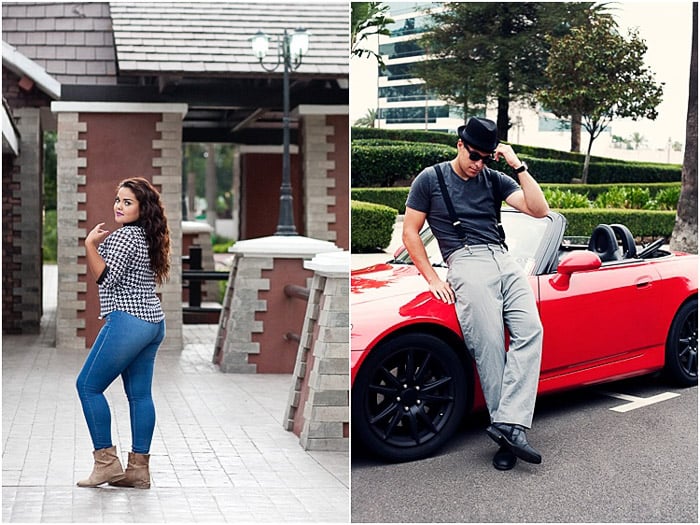
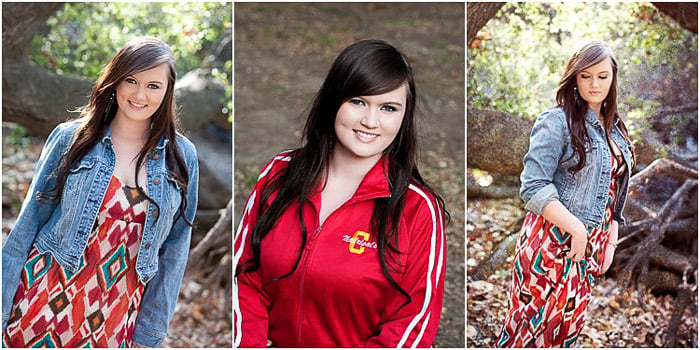
- Stand at a slight angle. Ask the senior to turn their body a little, relax their shoulders, and look back toward you. Give their hands a place to rest, such as one hand in a pocket or holding a jacket.
- Sit on a bench or broad step. Let them rest their hands on their thighs or loosely together. Try a full-length frame, then move closer for a portrait without changing the pose.
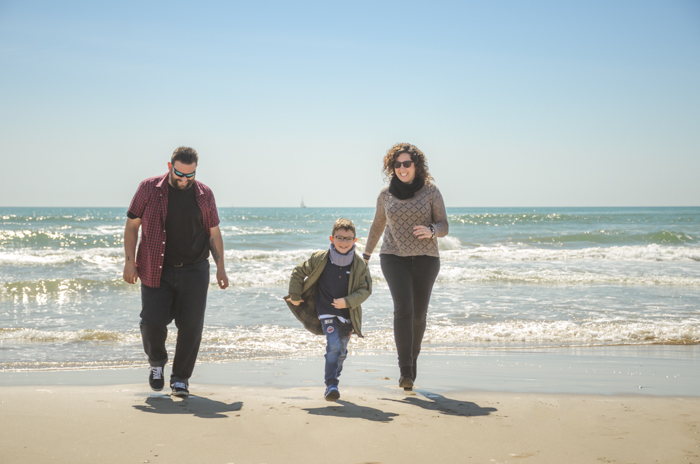
- Walk along a path. Ask them to walk slowly toward a fixed point, looking ahead for some frames and toward you for others. Check that the eyes are sharp before repeating the walk.
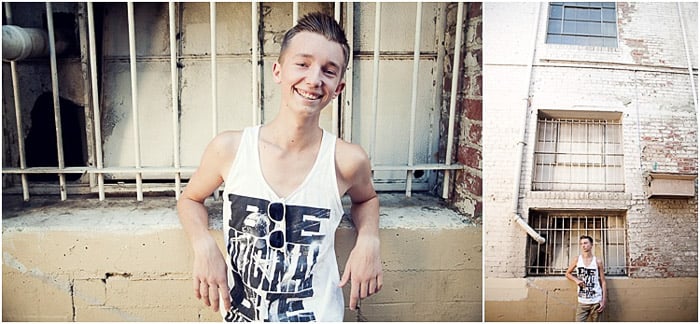
- Lean lightly against a wall. Place one shoulder against it and let the arms rest. Watch the face and hands for tension instead of asking for an exaggerated lean.
- Look back over a shoulder. Have them turn partly away, then look toward the camera only as far as feels comfortable. Skip it if the neck or shoulders look strained.
For each setup, take a smiling portrait and a quieter expression if the senior wants both. Change your framing before sending them to another spot. A close-up, a waist-up portrait, and a wider view can give you three different images from the same pose.
10 Indoor and Outdoor Senior Picture Ideas
Senior photo sessions aren’t just about portraits for graduation celebrations. Having the student choose outfits, locations, and props can make the session more personal. Use these ten planning and shooting ideas to build on the poses above, with an indoor option ready if outdoor plans change.
10. Have a Pre-Consultation with Your Senior
Use a short conversation before the session to ask what the senior wants from the photos. Start with their hobbies, favorite places, and the kinds of pictures they like. Ask if there are poses or settings they would prefer to avoid.
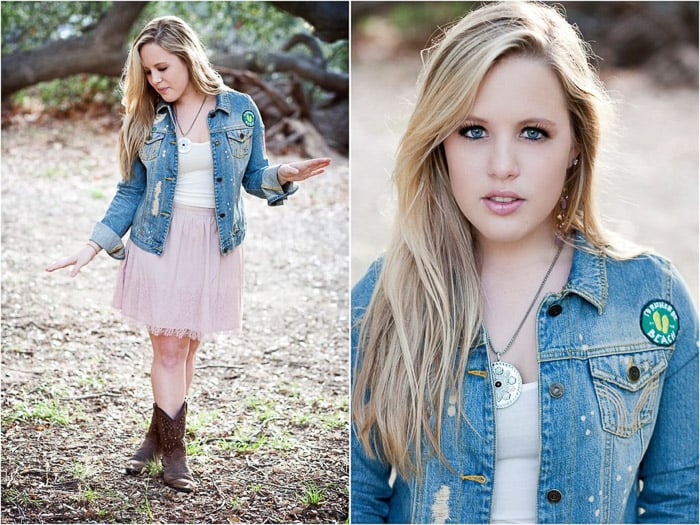
Their answers will help you suggest outdoor locations and times of day for the session. Scout the light as well as the background: a favorite spot may need a different start time or a nearby shaded area.
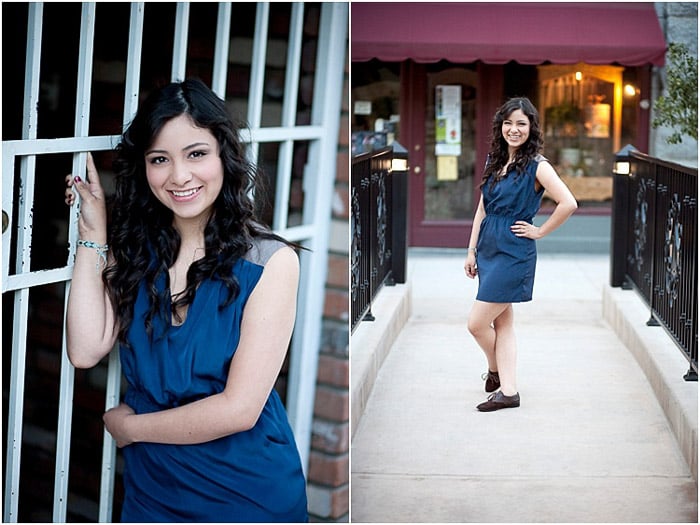
A few questions sent in advance can give a quieter student time to think. During the consultation, keep the conversation light and let them show you a few reference pictures. Use those to discuss expression, clothing, and mood rather than promising an exact copy.
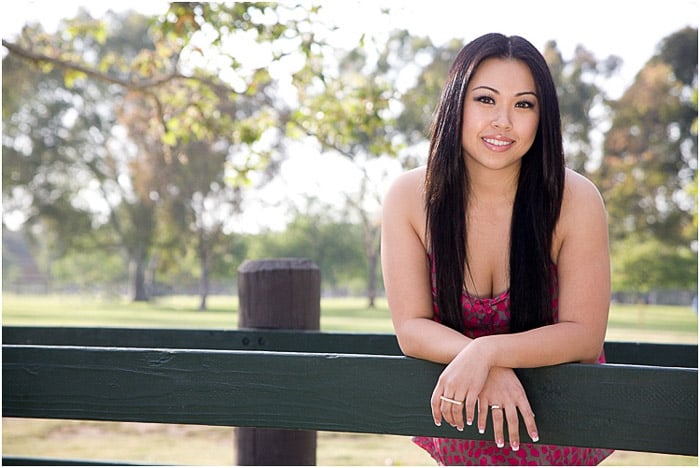
Ask the parents what they plan to use the photos for, too. Graduation announcements, party invitations, and framed prints may need different compositions. Agree on the must-have pictures before adding extra setups.
9. Create Outdoor “Sets” to Showcase the Teen’s Personality and Hobbies
Now that you’ve had your senior portrait pre-consultation, it’s time to use those answers. Create a small setup around an activity the teen enjoys. You can do this in an outdoor studio or on location.
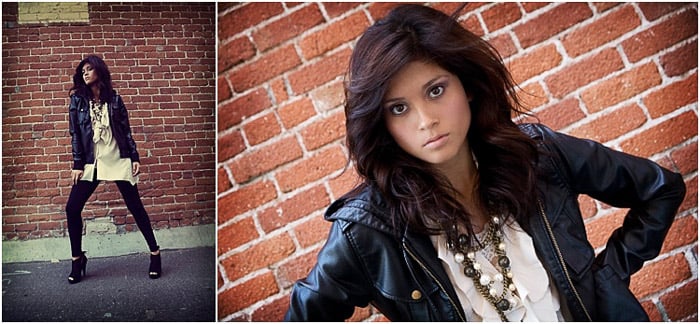
For a reader, bring a favorite book to a bench or arrange a reading corner. A library, bookstore, or cafe is another option if the venue agrees to the session. For a guitarist, try a seated portrait with the instrument, followed by a few frames of them playing.
The activity gives the senior something to do with their hands and gives you a subject to talk about. Photograph the setting in a wide frame, then move in for their expression and a detail of the activity.
The same idea works for teens who are into sports. Use their field or court when access is arranged, with their own equipment and clothing. You don’t need to build a large set for a portrait to say something about them.
8. Include Cap and Gown Pictures
Ask the teen to bring their cap and gown if they want graduation portraits. Take some with the gown closed, some with it open over their chosen outfit, and a few without the cap.
If you’re on location, use a solid-colored wall as a background. One with a little texture can also work well.
Take photos with different crops for prints, announcements, and possibly one for the yearbook. Check the school’s current requirements first. A cap-and-gown portrait from an independent session may not qualify: some schools specify the photographer as well as the clothing, background, and crop.
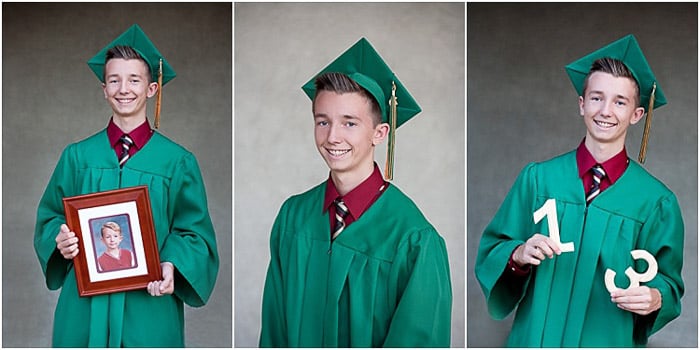
This set was taken on-location using the solid cement wall of an old building as a background.
After the classic portrait, ask the senior to hold the cap at their side or in front of them. Take a closer frame of their hands and any decoration on the cap. If they want a cap toss, leave room above them in the frame and keep other people out of the toss area.
You can also invite a parent into a few photos adjusting the tassel, if the senior wants them included.
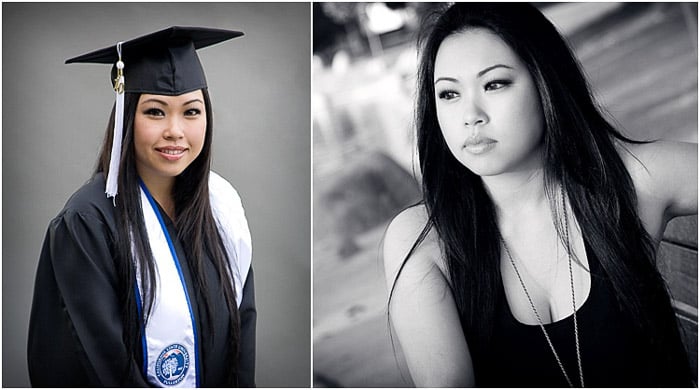
Take some photos with the cap and gown and some without during the session.
If the senior plans to decorate the cap, ask them to finish it before the session. If the cap and gown won’t be available in time, plan the main portraits without them or discuss borrowing a suitable set. Don’t let one missing item prevent the rest of the shoot.
7. Photograph Seniors On Location
Start with locations that play into the teen’s personality. A track athlete might want their training track, a musician might choose a performance space, and someone leaving town might want a familiar street or school building.
Choose a place where you can vary the background without spending the session driving. A park with a path, bench, and open area can provide several setups within a short walk.
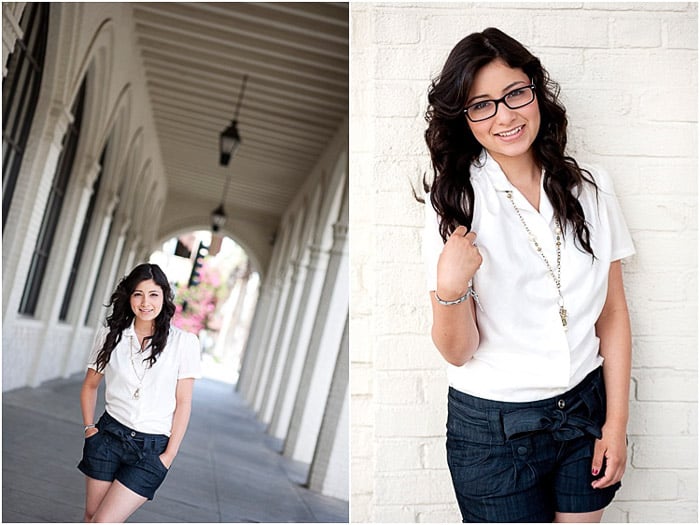
Match each location to a simple pose. Try walking on a shaded path, sitting on steps beside a building, or standing by a textured wall. At a sports field, include a wider portrait that shows the setting as well as closer photos with the equipment.
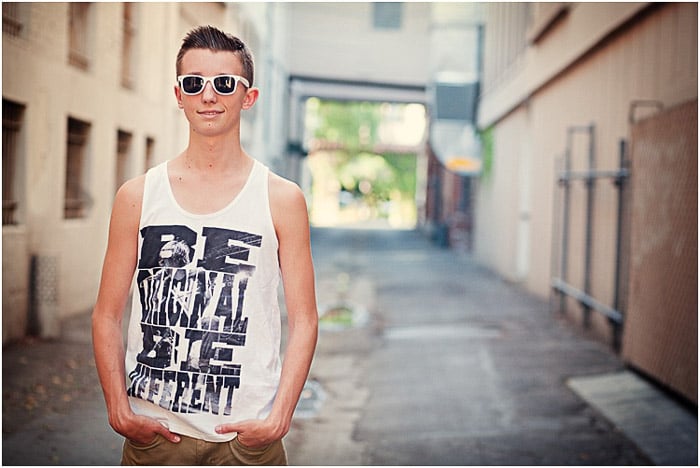
Visit at the planned shooting time when possible. Check where you can stand, whether the background is busy, and whether the senior can reach the spot comfortably. Confirm access with the school, venue, or property owner before you arrive.
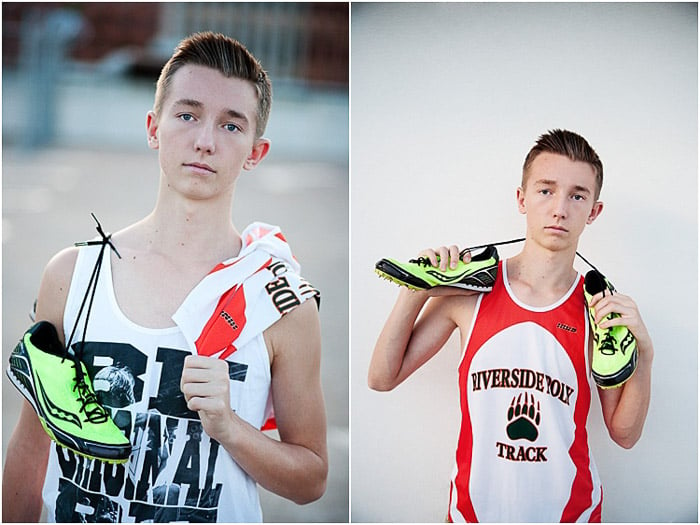
For an indoor backup, consider a window-lit room at home or a venue you have arranged to use. Agree in advance whether poor weather means moving indoors or rescheduling. Keep the senior involved in that choice so the backup still feels like their session.
6. Use Light, Space, and Patterns for More Creative Photos
Begin with even light on the face so you have a set of straightforward portraits. Open shade near the edge of a building’s shadow is a practical starting point. Check for bright patches across the face if sunlight is coming through leaves.
Then photograph the teen in different types of lighting for variety. Use direct sunlight, shadows, shapes like that of a palm tree, or a flash for high-contrast images. Don’t be afraid to experiment with different types of lighting during a senior session. Keep checking the face and expression as you change the setup.
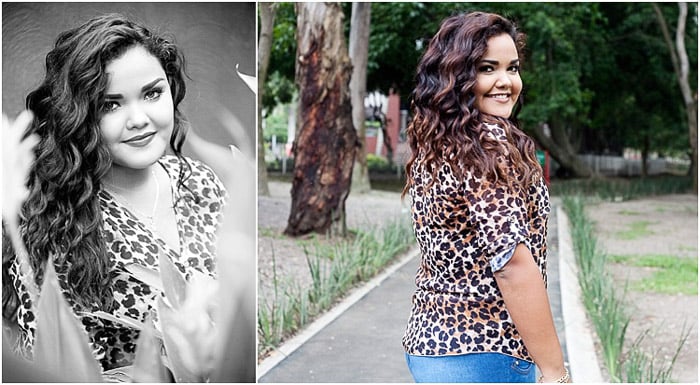
Ask the senior to show you photos they like. If they prefer moody dark photos, discuss including a few with stronger shadows or a darker background.
Photograph the teen from farther away to create more negative space within the frame. Try repeated patterns, color contrasts, and reflections where they suit the location. Keep the senior as the point of interest: step sideways if a pole, branch, or bright sign distracts behind their head.
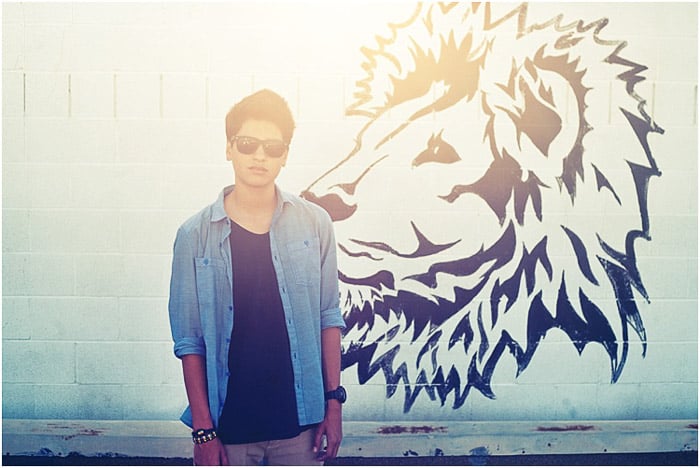
5. Photograph Groups or Friends for a Fun Photo Shoot
Ask whether the senior wants a few pictures with friends. You could also offer to photograph a group of seniors together, with time set aside for each person’s portraits.
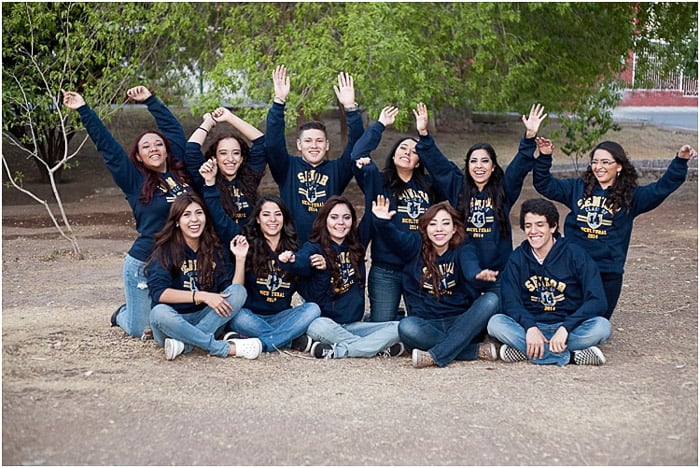
Group senior sessions are fun, especially if the group brings props like these class sweaters.
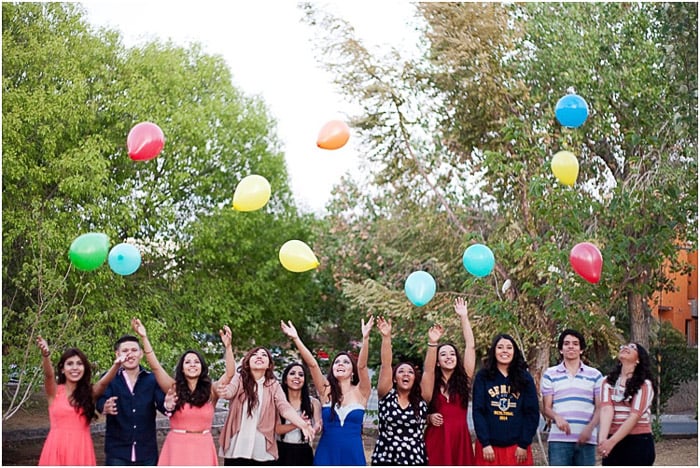
This group also brought balloons to throw in the air during the session.
Photograph the seniors individually first, so each person has their own set. Then bring the group together at a place they all like or at their school, with access arranged. If they share a team or activity, they might want to wear their uniforms or class sweaters.
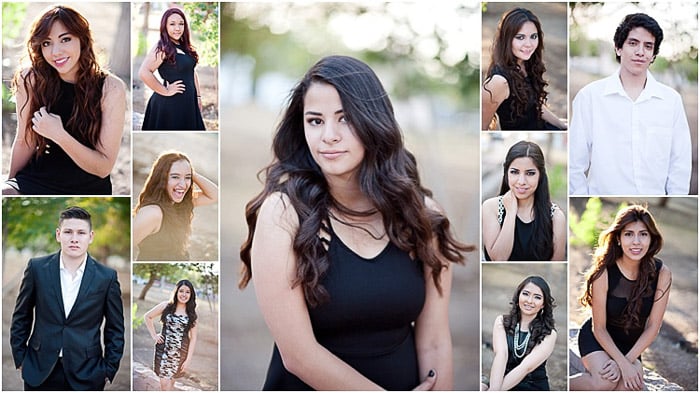
It’s really important to take individual photos of each person in the group.
Get candid photos of the group by giving them an activity. Ask them to walk together, talk about a shared memory, or take turns making each other laugh. Keep photographing between the directed poses.
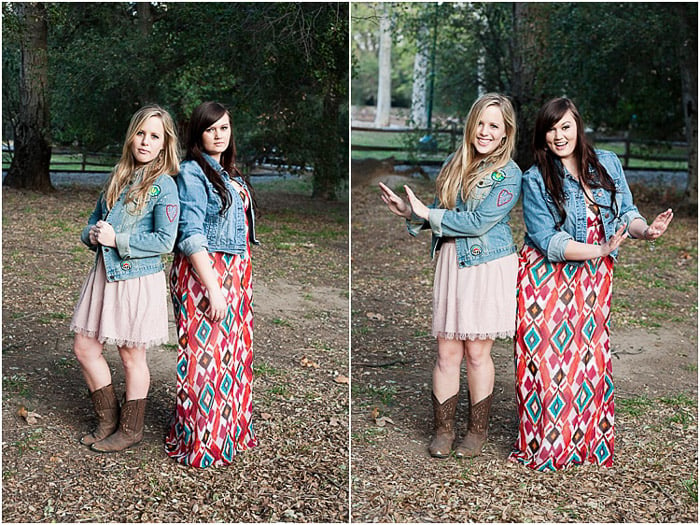
These two best friends decided to have their sessions at the same time.
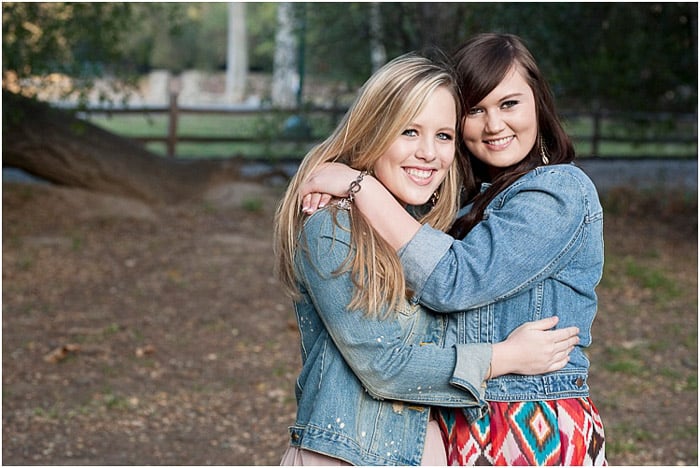
For group portraits, rotate who stands in the center. Take lined-up photos as well as staggered photos to create more depth. Check that everyone’s face is visible and sharp.
If everyone is comfortable with it, try photos of them with their arms around each other while walking. This can help them pose more naturally.
4. Plan Outfit Changes for a Variety of Photos
Agree on the number of outfits before the shoot. Three looks can be a starting point for a longer session, but a shorter session may work better with one outfit and a jacket or other layer. Leave time to change without rushing the photographs.
In addition to wardrobe choices, ask the teen whether they want Letterman jackets, class rings, sports uniforms, musical instruments, or similar props in the session.
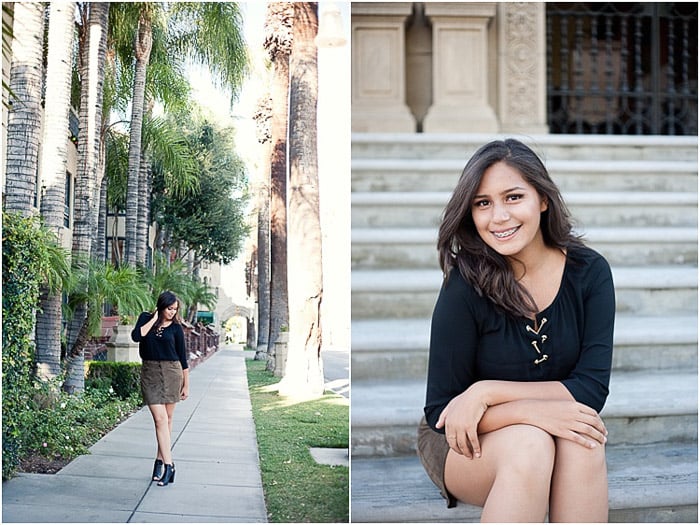
An everyday outfit, a dressier option, and clothing connected to an activity can give you different looks. Let the senior choose what feels like them. Ask them to try sitting and walking in each outfit before the session.
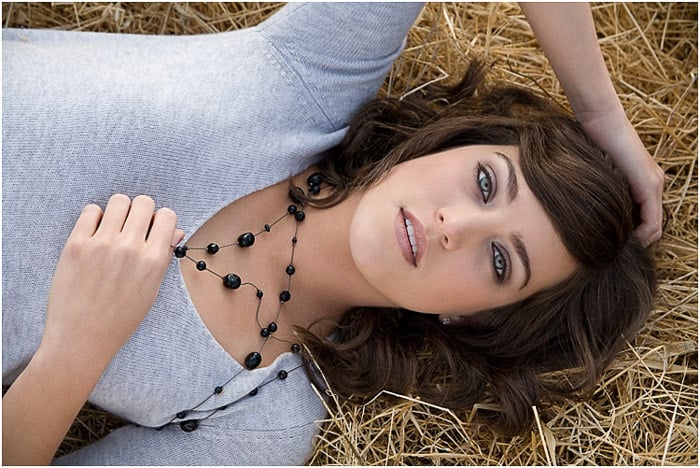
Plan a private place to change and bring comfortable shoes for moving between locations. Keep the outfits together on hangers so you can choose them against the background without unpacking everything.
3. Play Music for a Relaxing Photo Shoot
Ask the senior whether they would enjoy music during the session. If they do, let them choose a playlist or tell you a few favorite artists. Others may prefer conversation or a quiet setting.
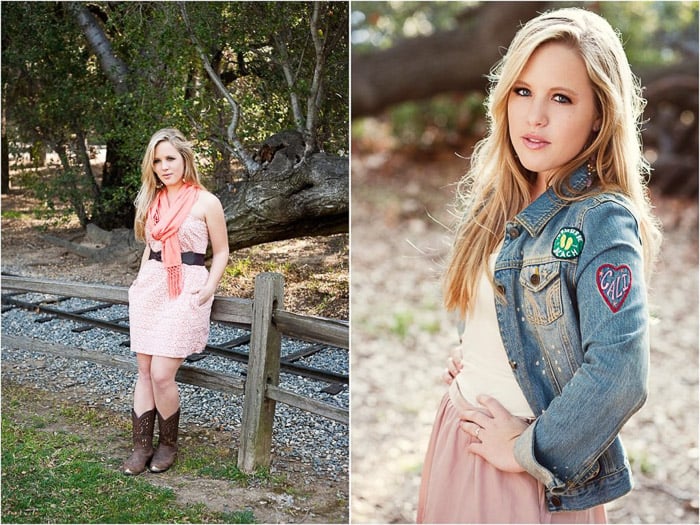
Have the playlist ready before the shoot so you don’t spend the session searching for songs. Keep it low enough that the senior can hear your directions, and use it only where it won’t disturb other people.
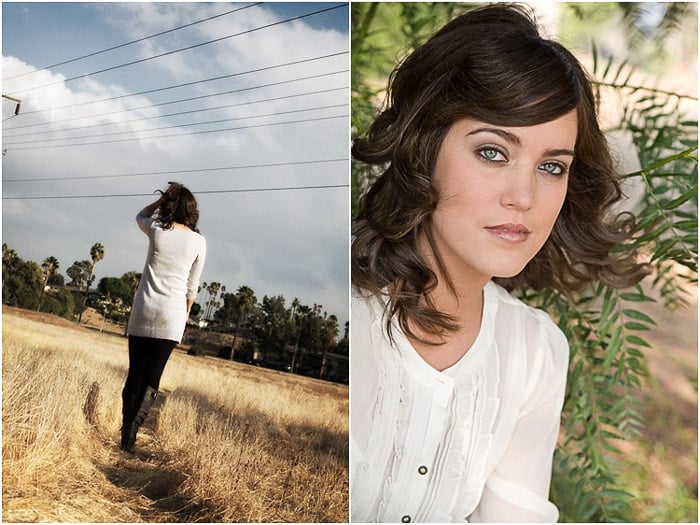
A phone may be enough in a small space. A portable speaker is another option if it suits the location. Let the senior control their own phone if you’re using their music.
2. Include Props to Bring Out the Teen’s Personality
Choose props with the senior before the session. A favorite book, instrument, record, or piece of sports equipment gives the photograph a connection to their life. Start with a few items they care about instead of filling every frame with accessories.
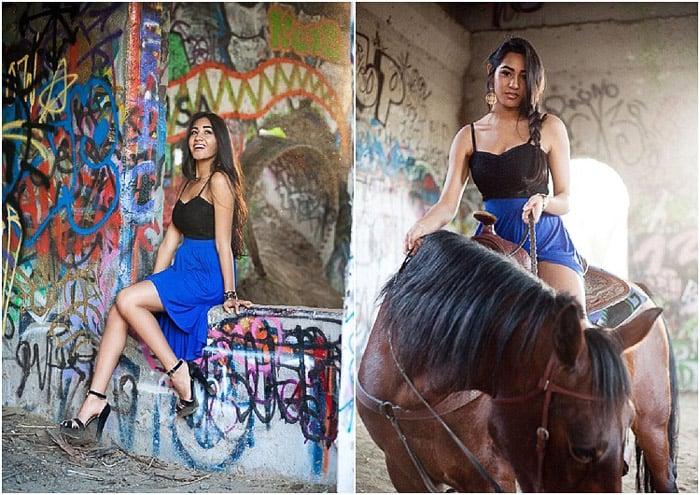
Let the activity guide the pose. Ask a musician to play a short passage, a reader to open their book, or a DJ to hold a favorite vinyl record. You can also have them pose with their horse if they are into horseback riding, with the session planned around the horse and rider.
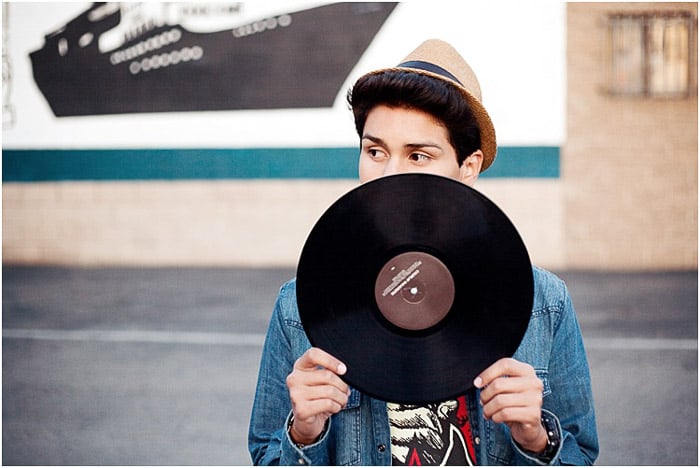
Take some photographs with the prop and some without it. Give the teen time to show you how they would hold or use it. Their familiar actions can become the starting point for the portrait.
1. Give the Senior Space While Keeping Parents Involved
Senior portraits (like childhood portraits) should have a parent attend the session if the teen is still a minor. Discuss with both the senior and their parent or guardian how they would like the session to work.
Ask the senior whether they want a parent close beside the camera or a little farther back. Agree that you will give the posing directions so the student isn’t trying to follow several people at once.
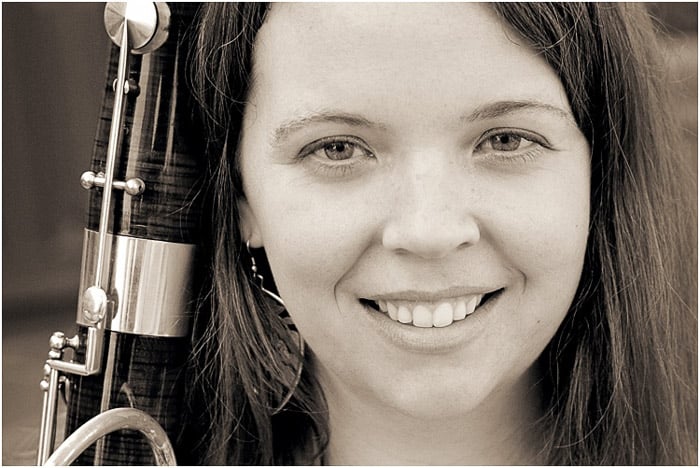
A parent can help with outfits, carry a bag, or manage the playlist while staying nearby. Include them in a few pictures if the senior wants that. Some students welcome their parent’s encouragement throughout the shoot; others prefer fewer comments while they pose.
Check in with the senior during the session. If a pose feels awkward, change it. Give them a say in which ideas you try next.
Conclusion
Build the session around a few things that matter to the senior: a familiar place, an outfit they enjoy wearing, and an activity or relationship they want to remember. Start with simple poses, then vary the framing, light, and expression.
Before you leave, check your agreed shot list. Make sure you have the individual portraits, cap-and-gown pictures, and friend or family photos that were requested. For another school milestone, try our prom photography tips next.
Check out our e-book, Creative Portrait Concepts, for unique portrait ideas!