

Featured Course:
Capture stunning photography with the camera you already own.
Learn More
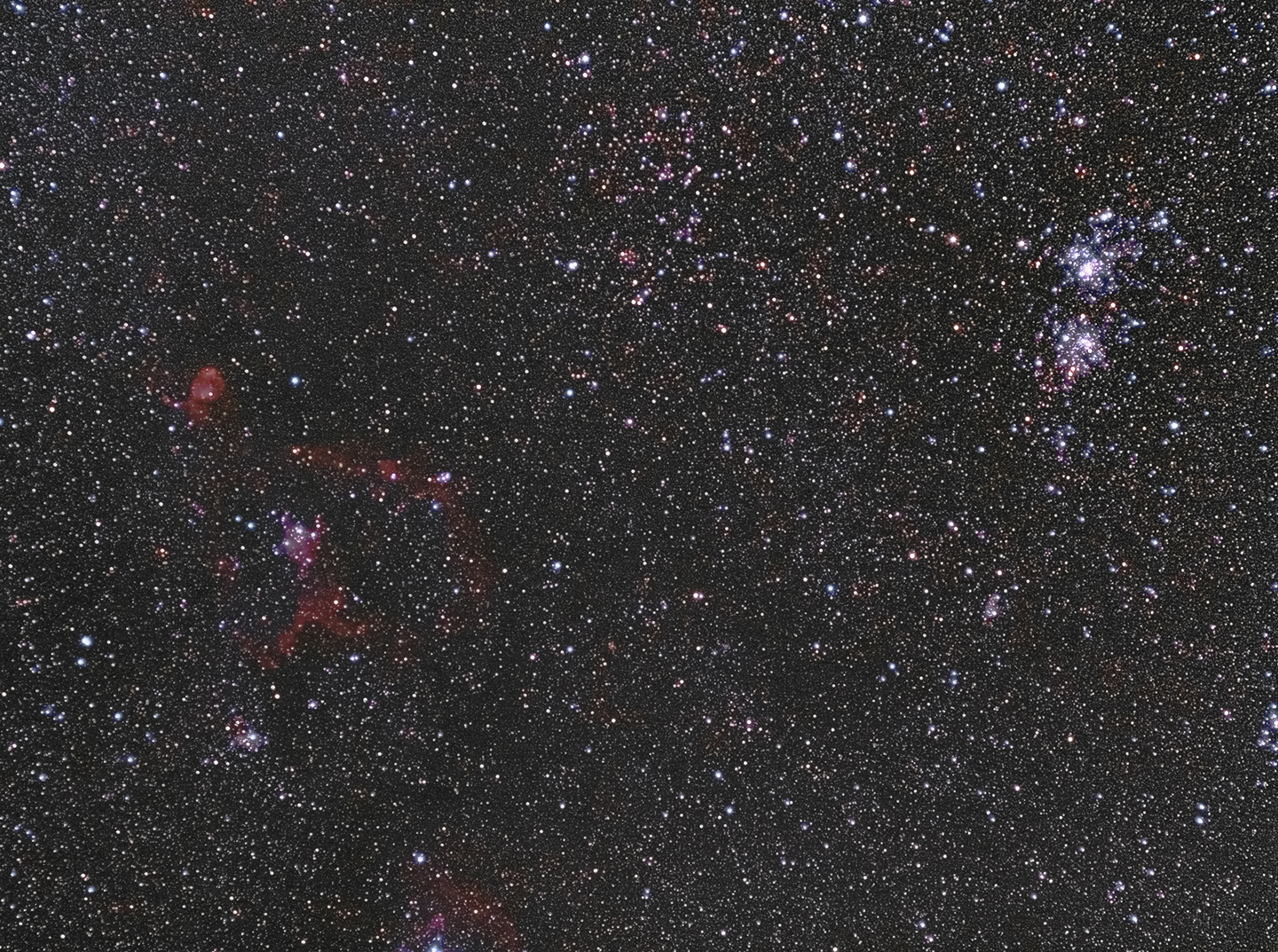
Night photography can lead to some amazing images. But photographing stars can be tricky. In this article, we will cover the different types of star photography and the gear you might need. We’ll cover camera settings, certain types of star photography, finding a location, and setting up your shot. We…
By Andrea Minoia
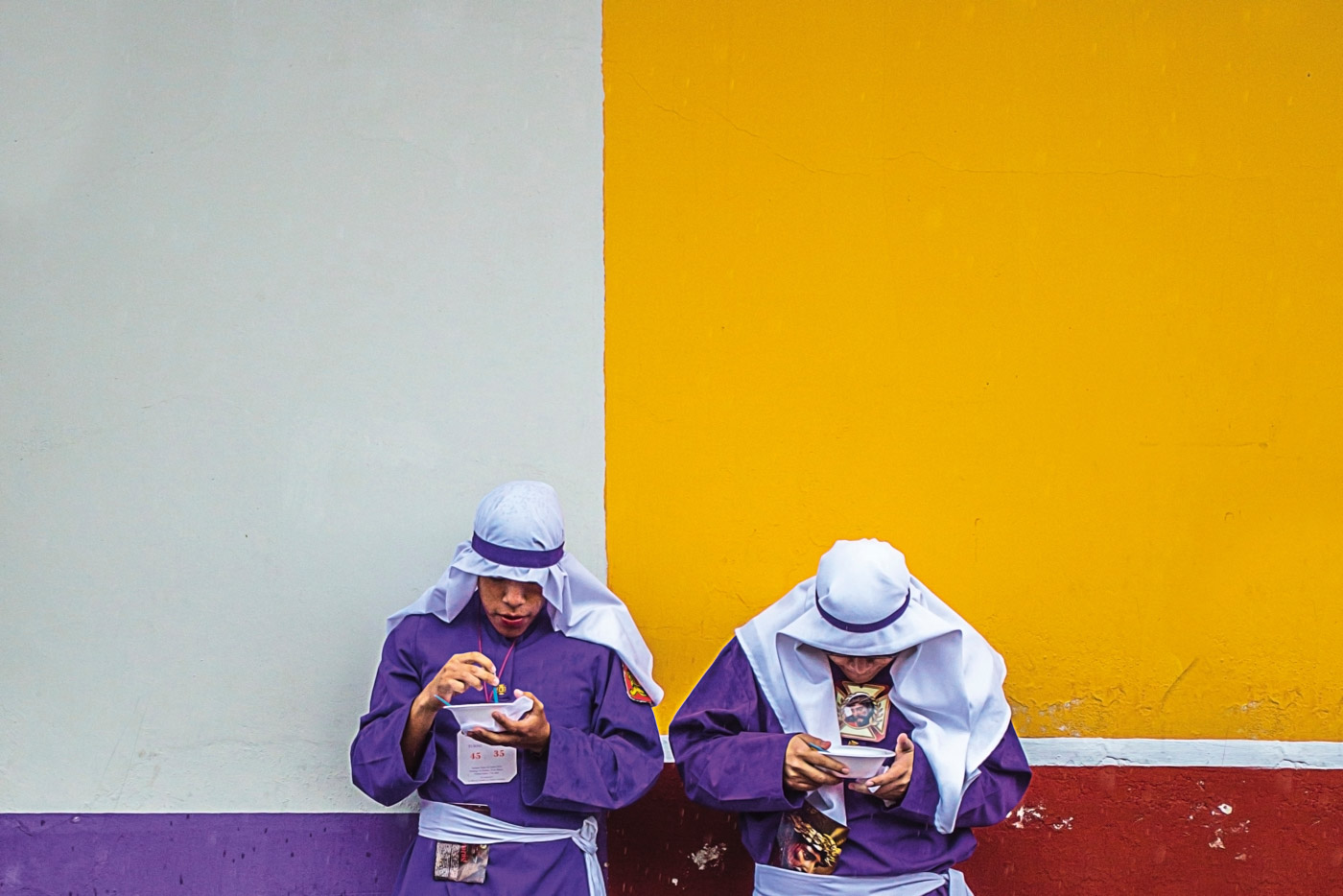
White balance is one of the most important aspects of photography, and it’s also one of the easiest to adjust in Photoshop. In this tutorial, we’ll show you how to master Photoshop white balance. Understanding Photoshop White Balance and Its Importance Often, the colors of our images precisely match the…
By Chad Verzosa
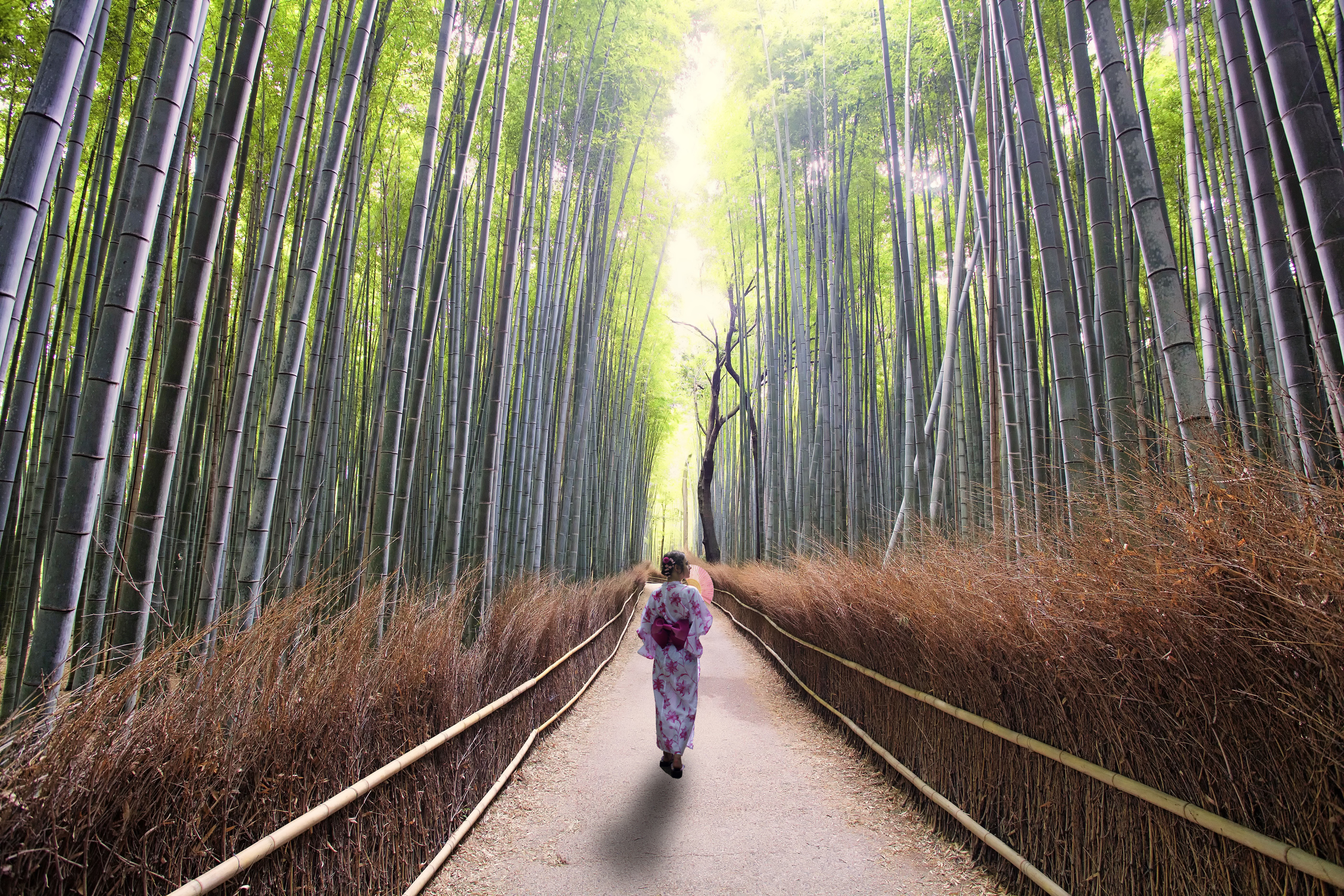
Knowing how to make a shadow in Photoshop is a great skill to have. Adding shadows to your photo is vital to grounding an object in a scene when you are making a composite image. In this article, you’ll see how to make a shadow in Adobe Photoshop. You’ll be…
By Simon Bond
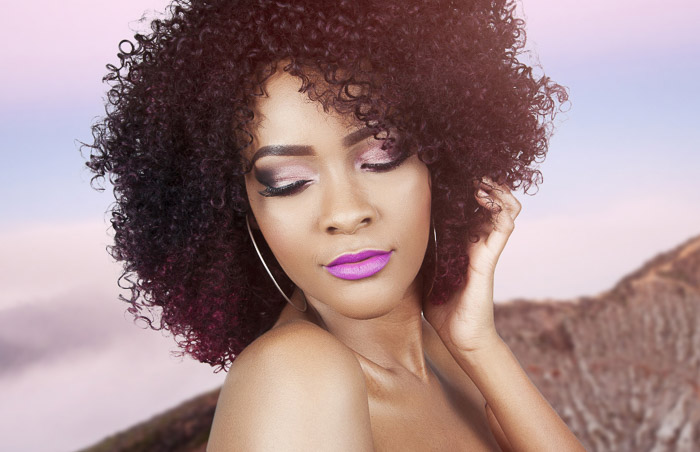
Making selections of people in Photoshop can be difficult. But the Refine Edge tool in Photoshop makes it a lot easier and quicker! This is especially true when you have to select hair or fur, making it perfect for pets and portraits. Here is our step-by-step guide to using this very…
By Joris Hermans
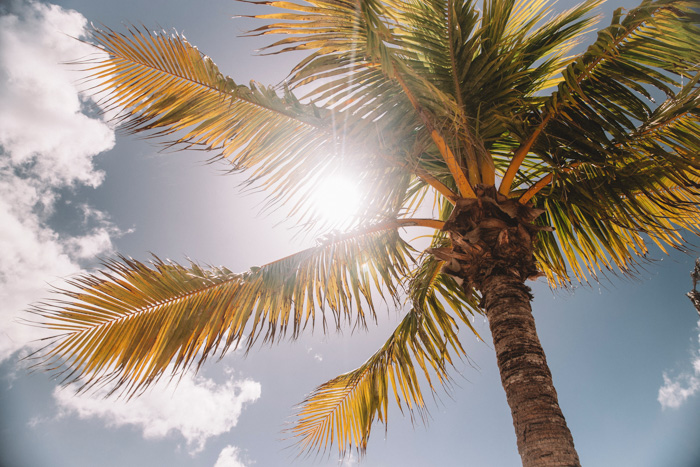
Lens flare photography is a technique that can be used to create unique and interesting photos. In this article, we’ll discuss what lens flare photography is and how to use it to create beautiful and eye-catching photos. We’ll also provide a few tips on how to get the most out…
By Joshua Dunlop
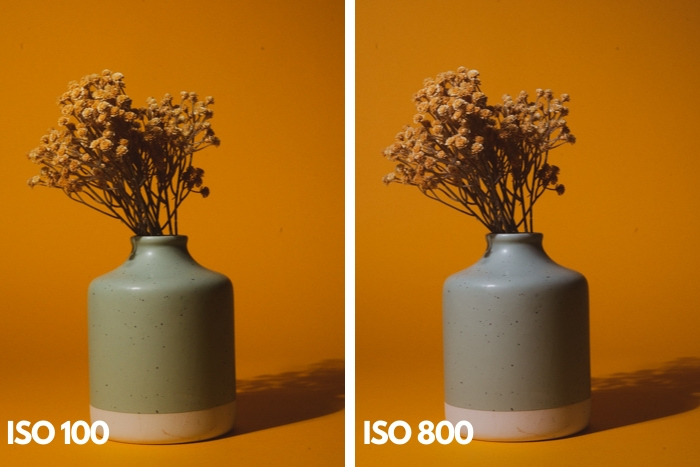
ISO invariance is the idea that the quality of your photos stay the same no matter what ISO you use. This concept can be quite technical. We will discuss it in the simplest way that you can understand and apply your photography. What Is ISO and Iso Invariance? ISO is…
By Chad Verzosa
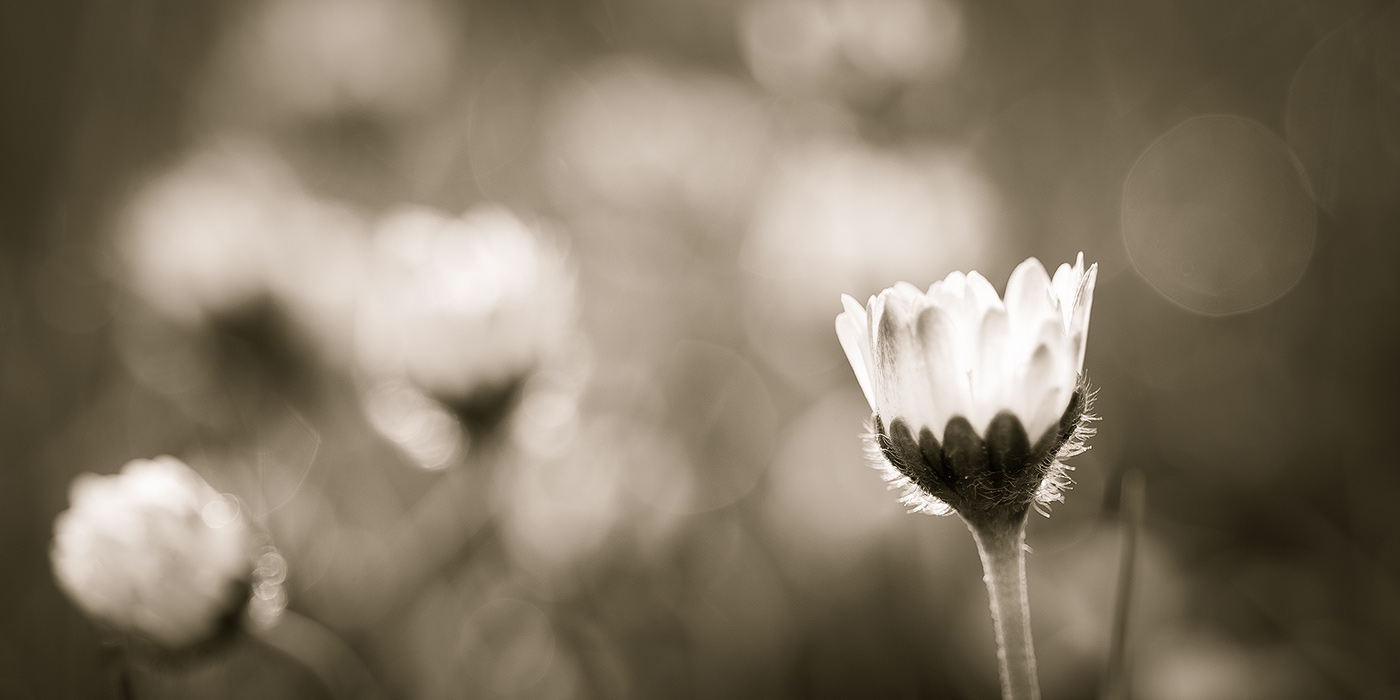
Black and white is a type of monochrome photography. Monochrome can also use shades of one color, such as sepia or blue. Learn the difference and how to create each look.
By Peter Dam | Photography-Raw
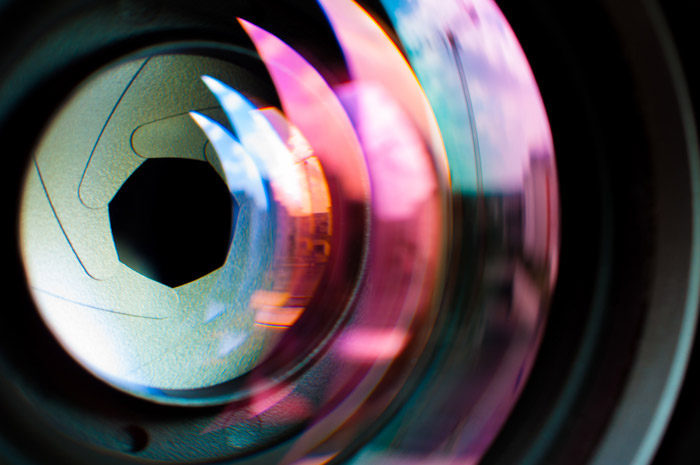
When we’re talking about exposure in photography, a stop is a measurement of an exposure, depending on either the shutter speed, the ISO, or the aperture. To be specific, if you were to increase the exposure by one stop, you would be doubling the exposure.
By Expert Photography
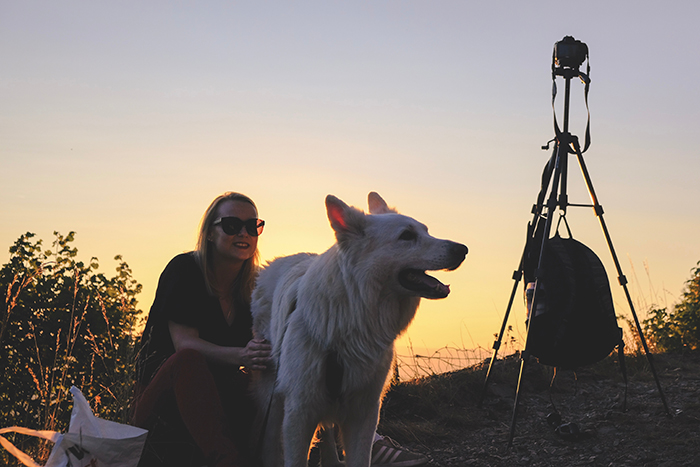
When you’re shooting a time-lapse, the last thing you want is for your photos to be ruined by flickering or uneven lighting. Fortunately, we can help you with deflickering time-lapse videos. We have an easy way to avoid this problem and create smooth, consistent footage every time. Deflickering Time-Lapse: What…
By Hillary Grigonis
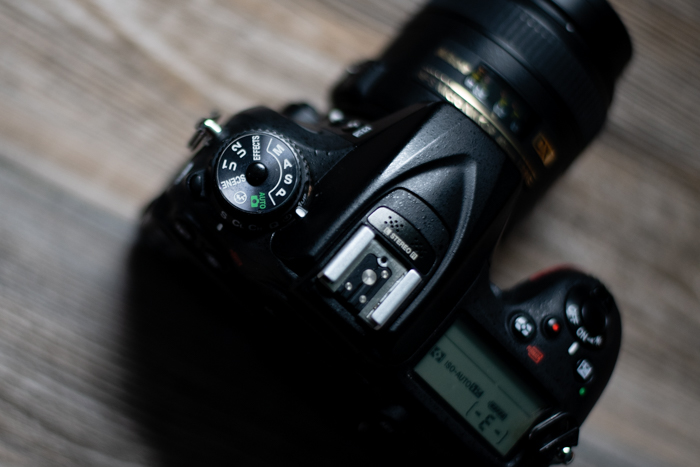
The mode dial on a camera has many different options, but the “P” is often neglected. P mode or Program mode is useful but often misunderstood. What is the Program mode on your camera, and how do you use it? Program mode is a mix between full Auto mode and…
By Hillary Grigonis
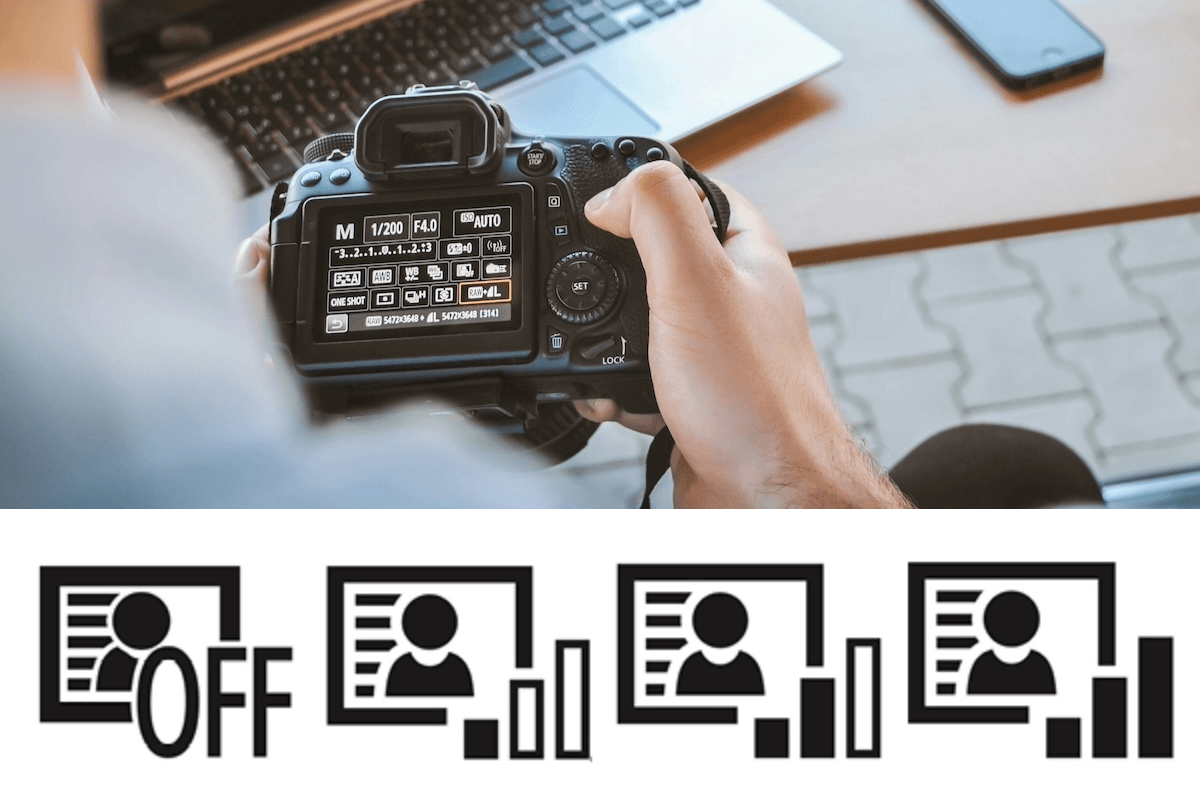
By Hillary Grigonis
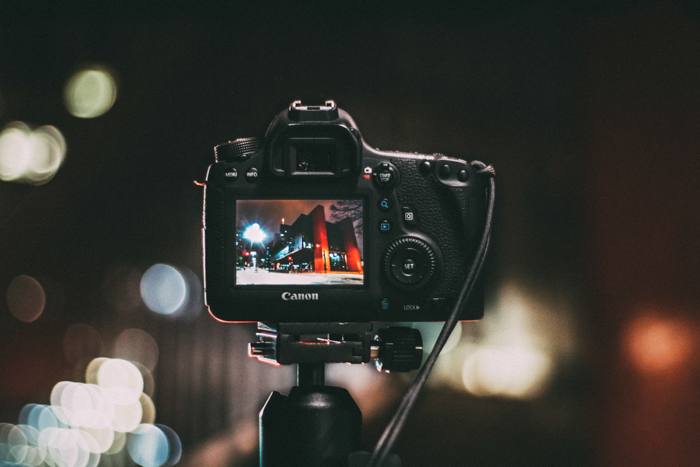
Your camera’s live view mode is a great way to take photos with more control and accuracy. With it, you can see what the photo will look like before you take it, which can help you get better results. To use live view mode, simply switch to it from the…
By Darina Kopcok