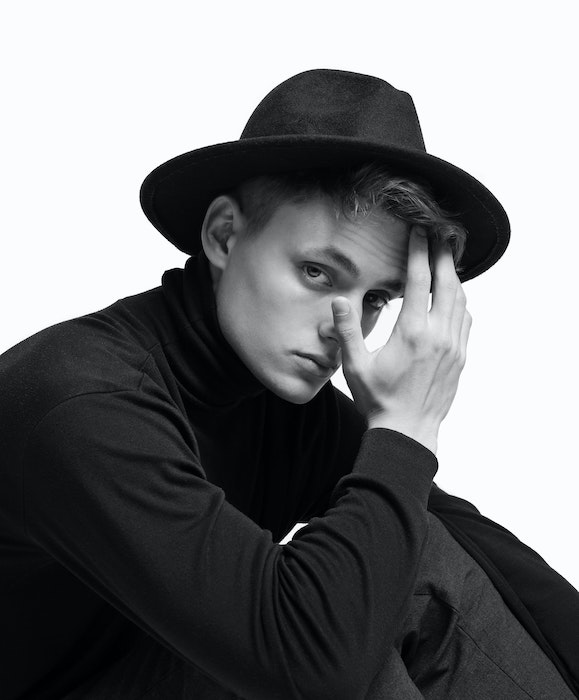
Conceptual photography turns an idea into an image. In conceptual portrait photography, the person, pose, setting, and props work together to express that idea.
This list brings together portrait photographers, related digital artists, and a portrait-sharing community. Use their work to study different ways to build an image, from a staged scene to a photomontage or CGI artwork. The order is a guide to exploration, not a ranking.
What Do Conceptual Photographers Shoot?
Conceptual photography illustrates an idea. A portrait might explore identity, an emotion, or a relationship by using a gesture, object, or setting. It can suggest a narrative, but the viewer does not always need to decode one fixed story.
Geometric shapes, symbolic objects, and surreal details are possible tools, rather than requirements. Some artists build a scene for the camera; others combine their own photographs in post-production. Photoshop art and computer-generated imagery appear in this list too, with each artist’s method identified below.
As you browse, ask what each image communicates and which visual choice makes that idea visible. For a project of your own, start with one idea, sketch a scene, and choose only the elements that support it.
34 Conceptual Photographers, Artists, and Communities
Here are 34 entries, with their different approaches to portrait-making and constructed imagery.
1. Anya Anti
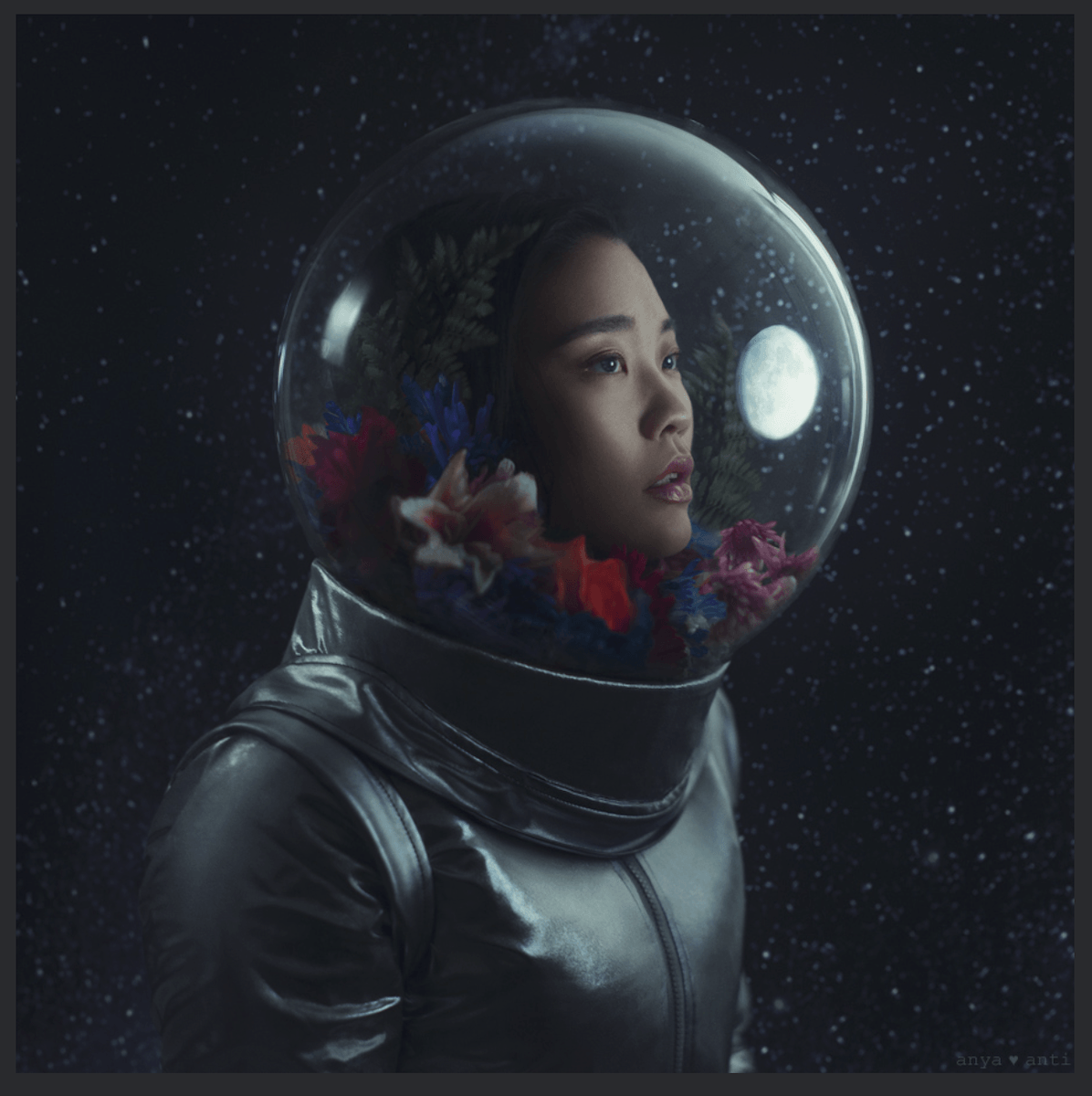
Anya Anti creates on-location fine-art and conceptual portraits. Her process brings together locations, sets and costumes, and digital photo manipulation to tell imagined stories.
Study how an unexpected object changes the meaning of a portrait. In the image below, flowers inside an astronaut helmet connect a familiar figure with the natural world.
2. Brooke Shaden
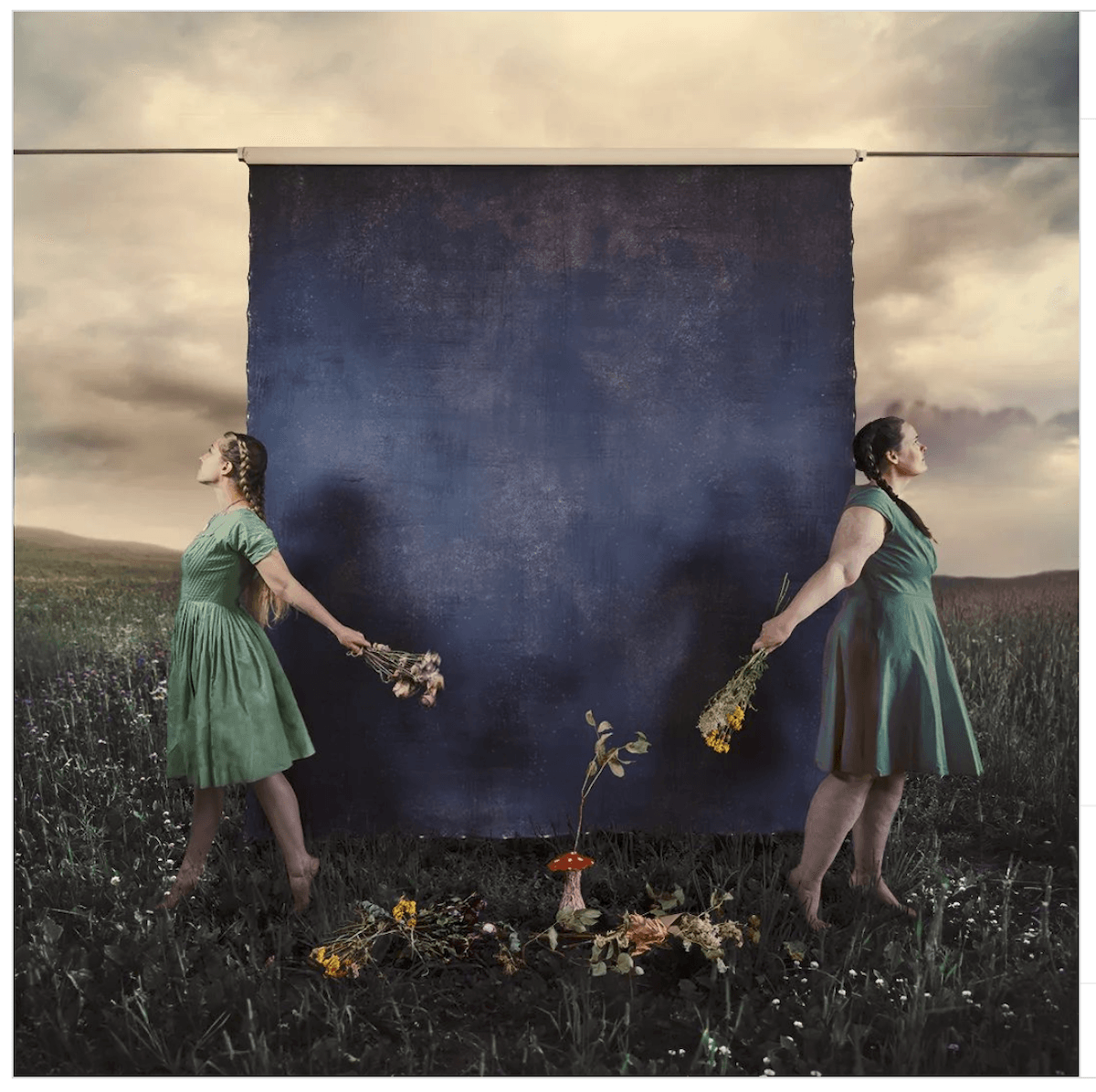
Brooke Shaden uses fine-art photography and self-portraiture to explore grief, fear, and mortality. Her biography describes making images as a way to examine what frightens her.
Her work is a reference for dark emotions in a staged portrait. Look at the relationship between the figures and their surroundings before concentrating on the editing.
3. Jovana Rikalo
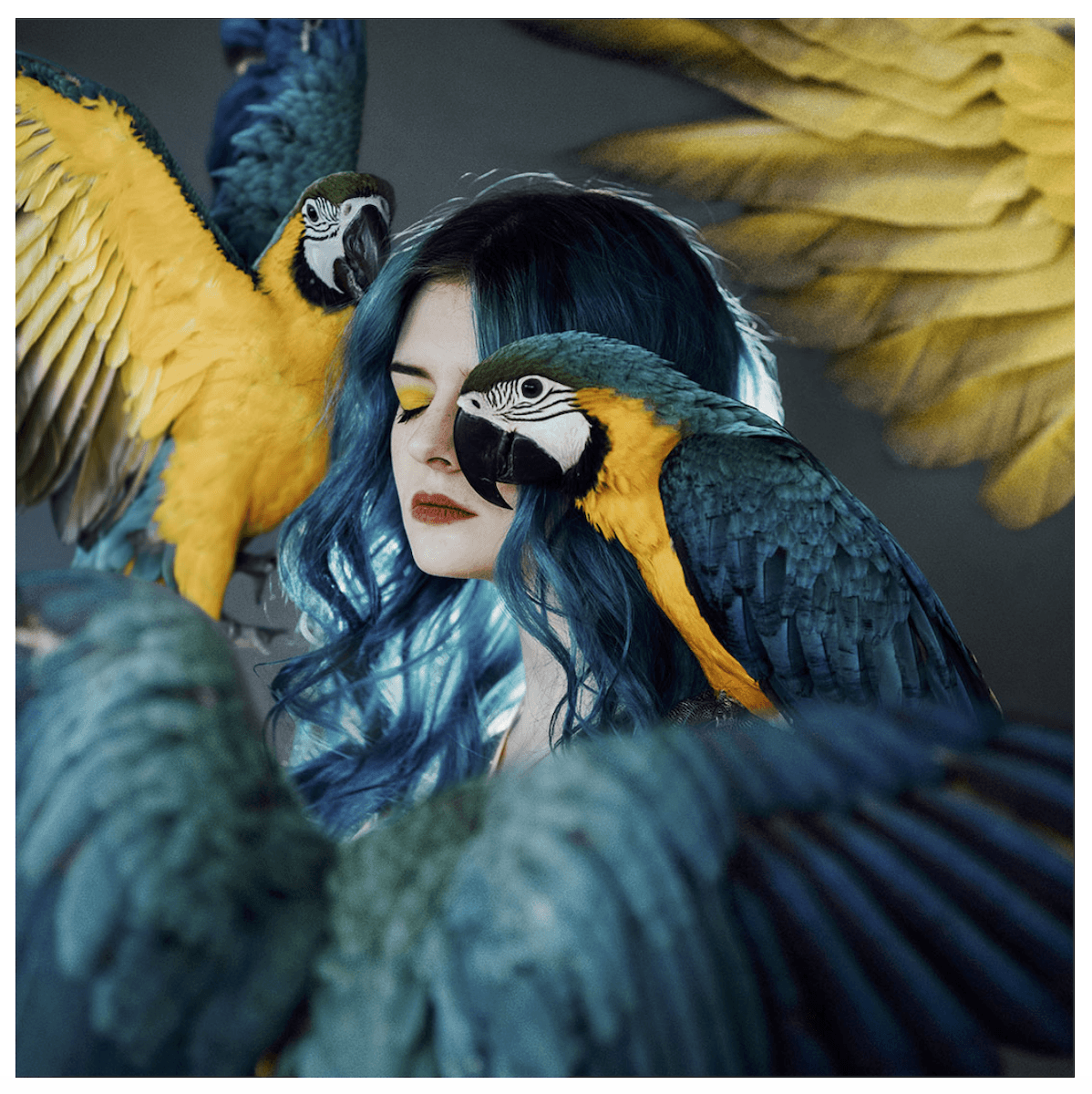
Jovana Rikalo is a fine art portrait photographer from Serbia. Her work builds stories around emotion, dreams, and imagined scenes.
In the portrait below, the bird and the model’s styling share a vivid color palette. Notice how a repeated color can bring separate elements into one visual story.
4. Dasha Pears
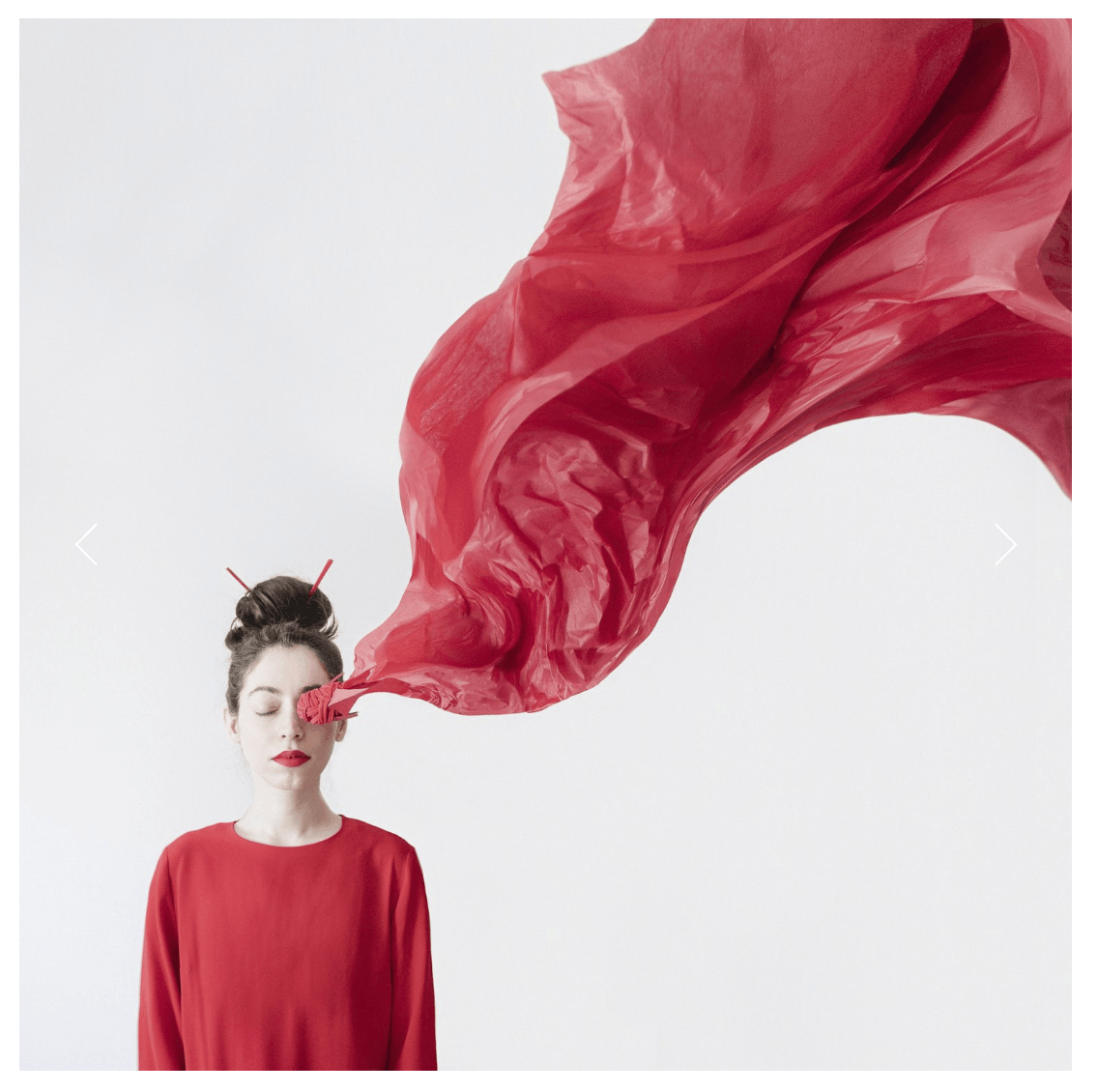
Dasha Pears calls her approach “psychorealism”: she gives psychological and emotional states a visible form. Her minimalistic compositions use color, photography, and digital manipulation.
She explains that the elements of an artwork are photographed specifically for it under matching lighting conditions. Study how she reduces a scene to a few shapes and colors while keeping the photographed details believable.
5. Adam Martinakis
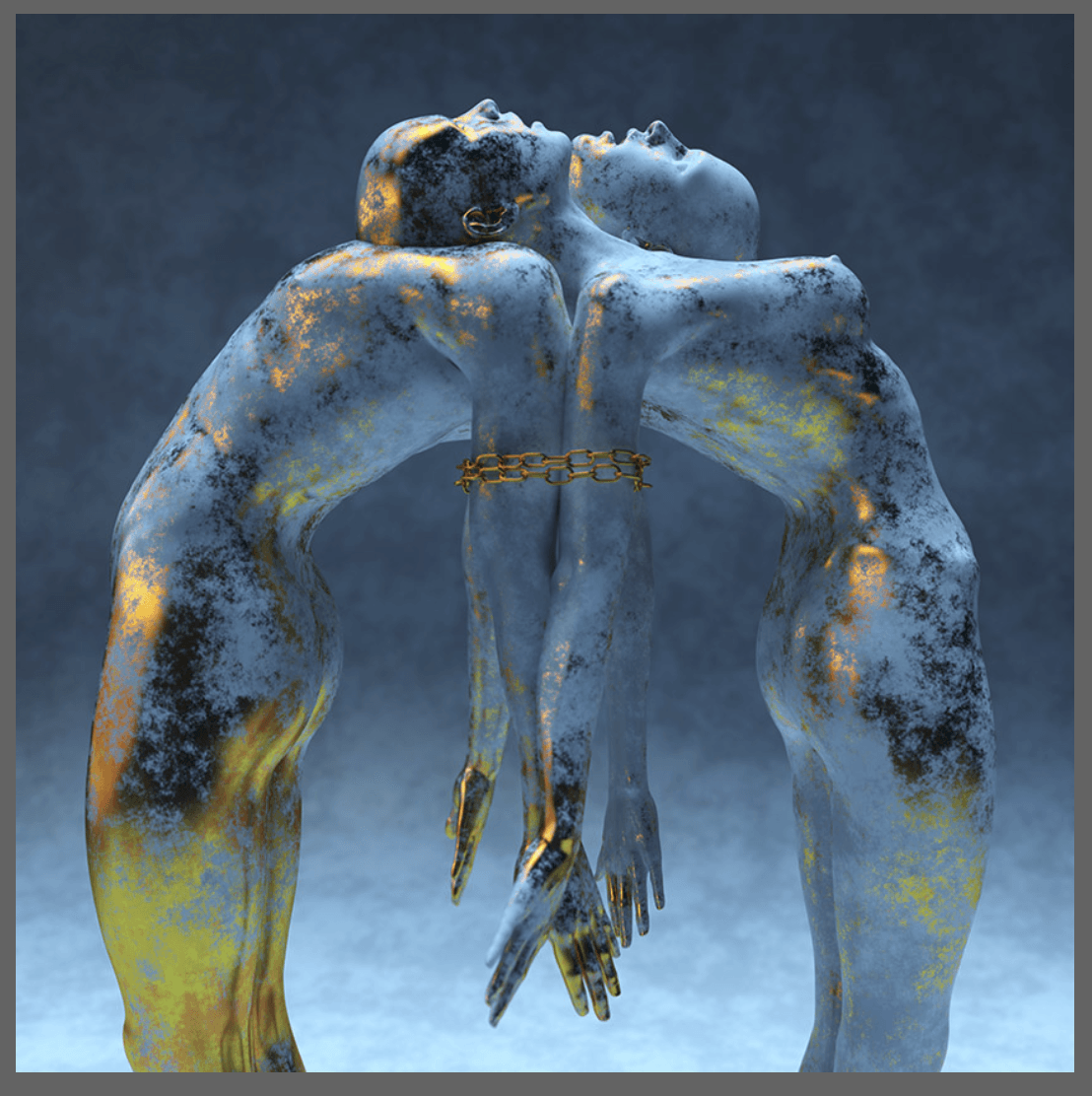
Adam Martinakis is a new-media and 3D visual artist. His sculptural figures are computer-generated imagery, so this entry offers a related approach to conceptual image-making rather than an example of camera-made portraiture.
Look at how shapes, colors, and composition communicate the relationship between the two figures. Those decisions can also inform a staged photograph.
6. Pol Kurucz
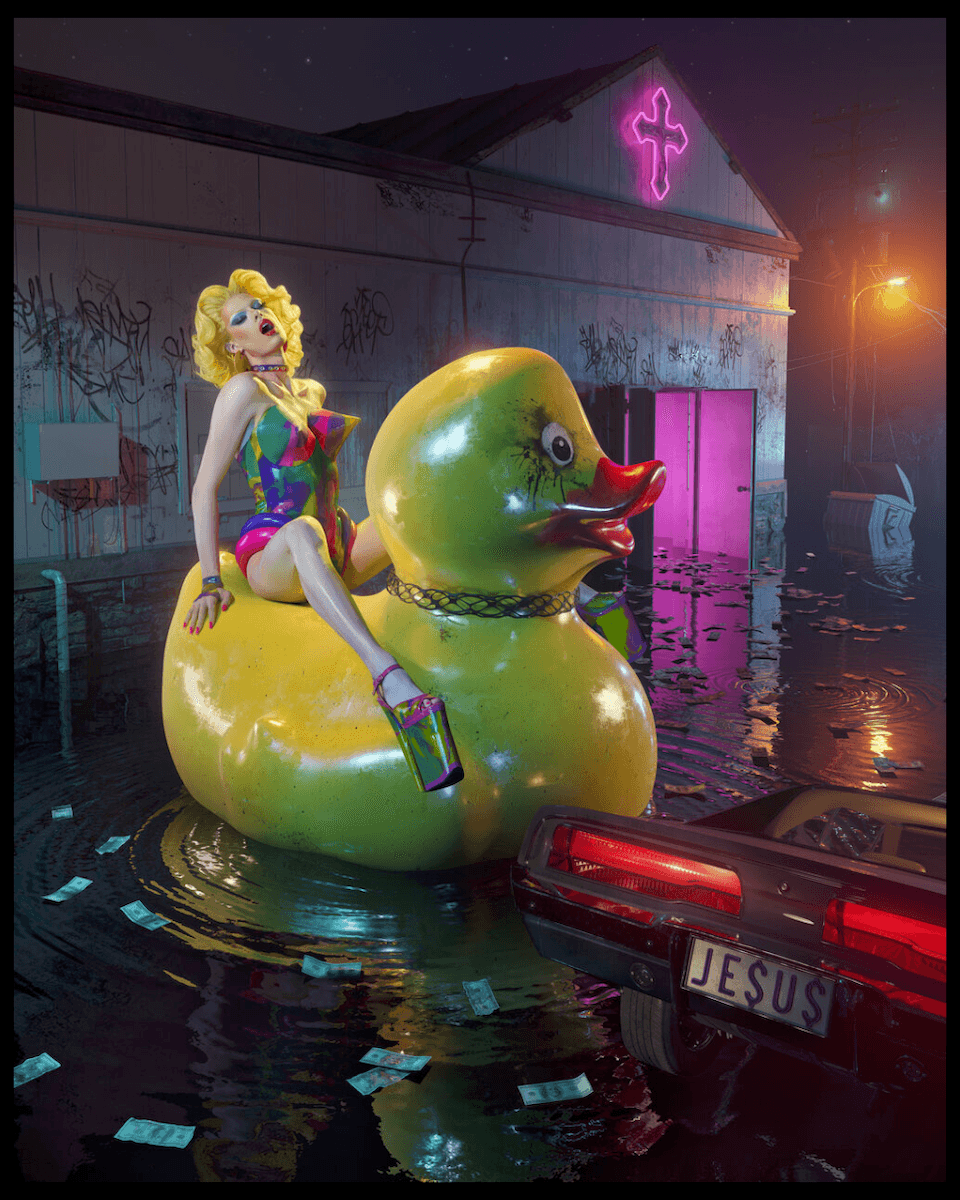
Pol Kurucz’s portfolio combines photography and film with stylized characters and theatrical settings. Color and unexpected props give the scenes an exaggerated visual language.
The oversized rubber duck below changes the scale of an ordinary object. Study how that single choice makes the portrait feel unfamiliar without needing a long explanation.
7. Claire Luxton
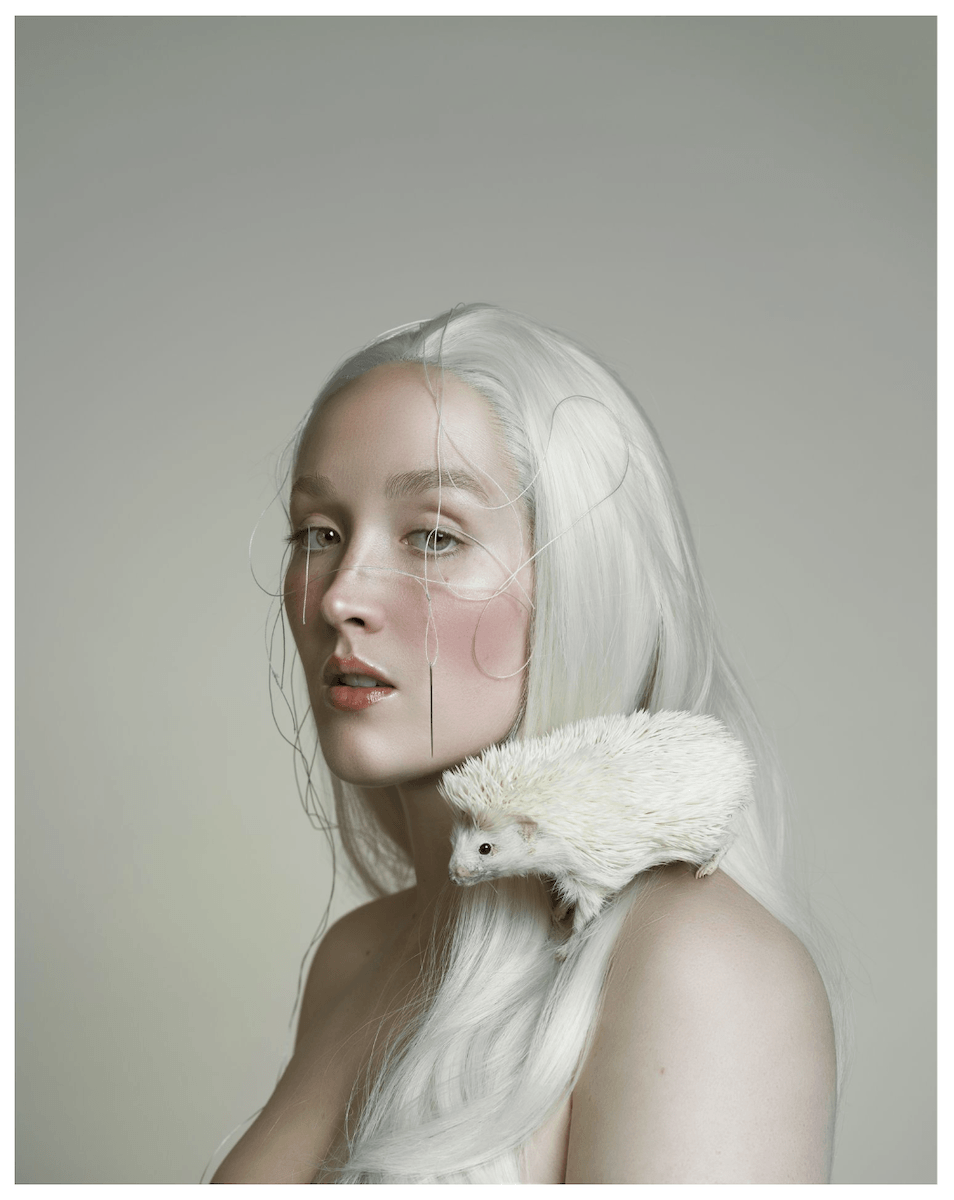
Claire Luxton is a multidisciplinary artist whose practice includes photography, installation, and poetry. Her biography describes the relationship between humans and nature as a theme in her work.
Her portraits pair a human figure with natural elements and vivid color. Look at how the animal in the image below becomes part of the composition rather than a background detail.
8. Gemmy Woud-Binnendijk
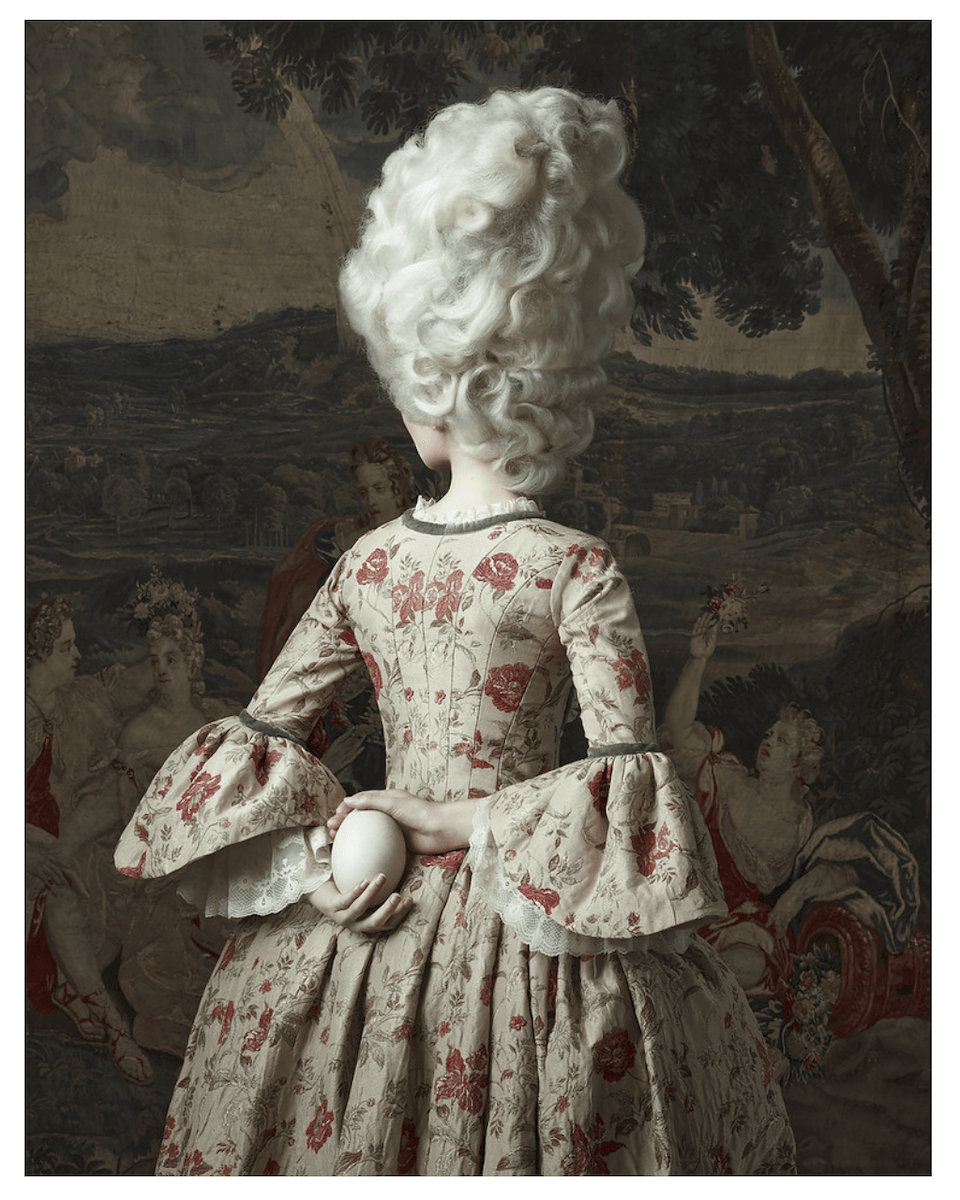
Gemmy Woud-Binnendijk’s work draws photography and painting together. The portrait below has a painterly stillness. Use it as a reference for studio lighting and carefully arranged poses.
Study the direction of the light and the subject’s pose in the image below. Clothing, background, and the small object held behind the figure all contribute to its atmosphere.
9. David LaChapelle
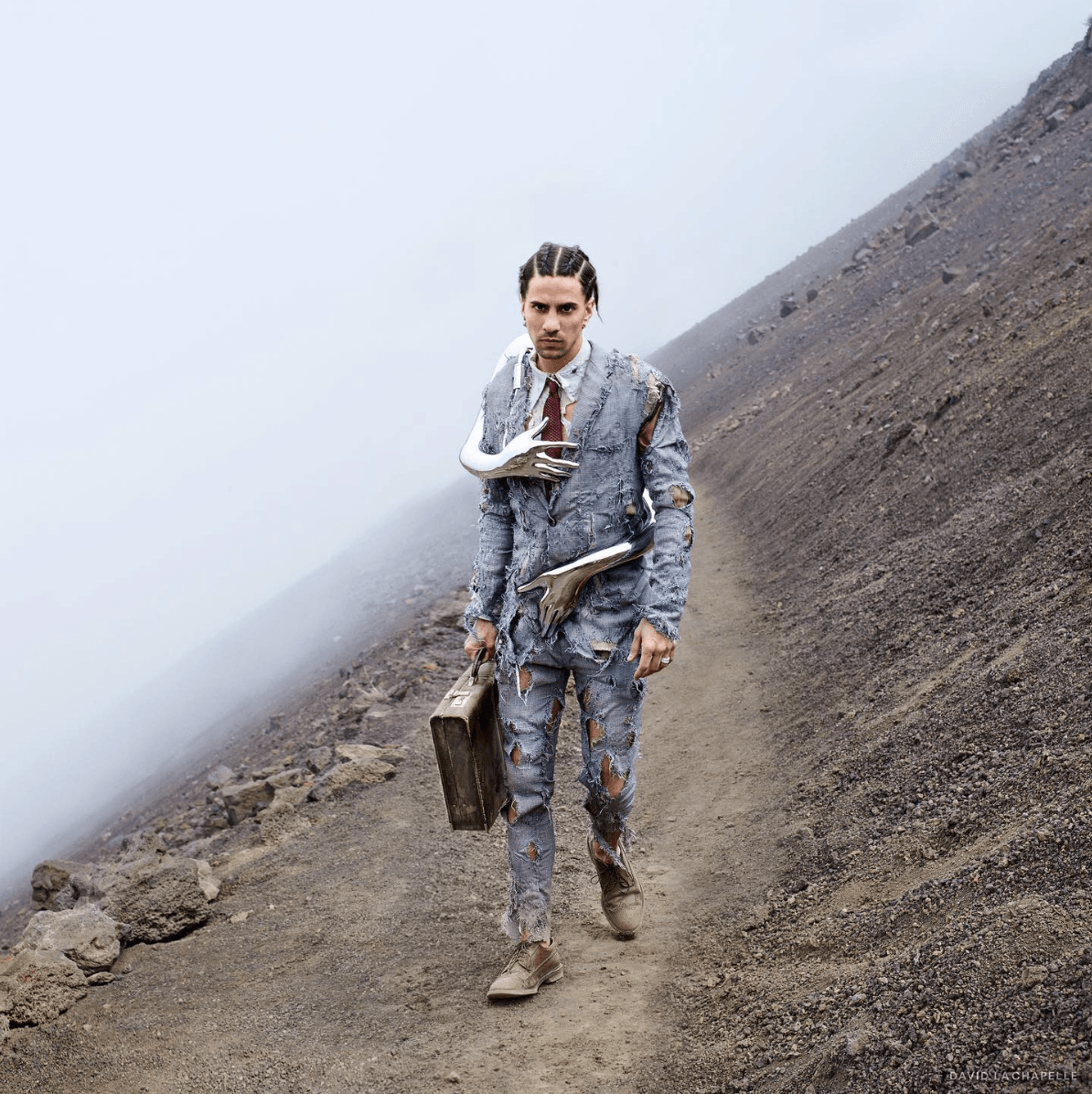
David LaChapelle makes staged portraits, tableaux, and still lifes. His official biography highlights color, composition, and imaginative narratives as central to his photography.
His work is a reference for building a scene around a visual idea. Notice how the setting, clothing, and unusual surrounding forms work together in the portrait below.
10. Hungry (Johannes J. Jaruraak)
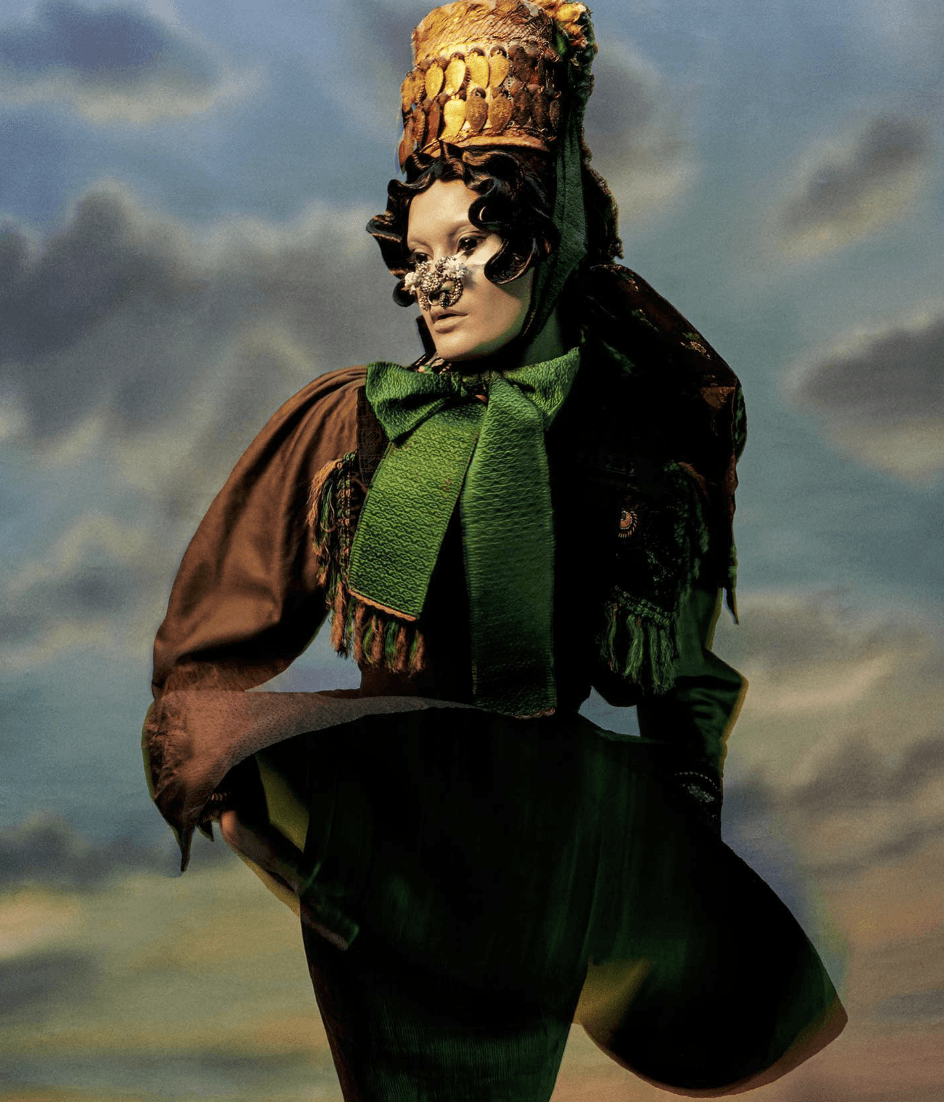
Hungry, the persona of Johannes J. Jaruraak, is a visual artist working across performance, makeup, costuming, photography, and modeling. A Walker Art Center interview describes this range of media in the artist’s own words.
Study the way makeup and costume alter the shape of the face. This entry is a reference for character design and performance within a portrait; it should not be read as assigning every photograph of Hungry to the artist.
11. Damian Drewniak
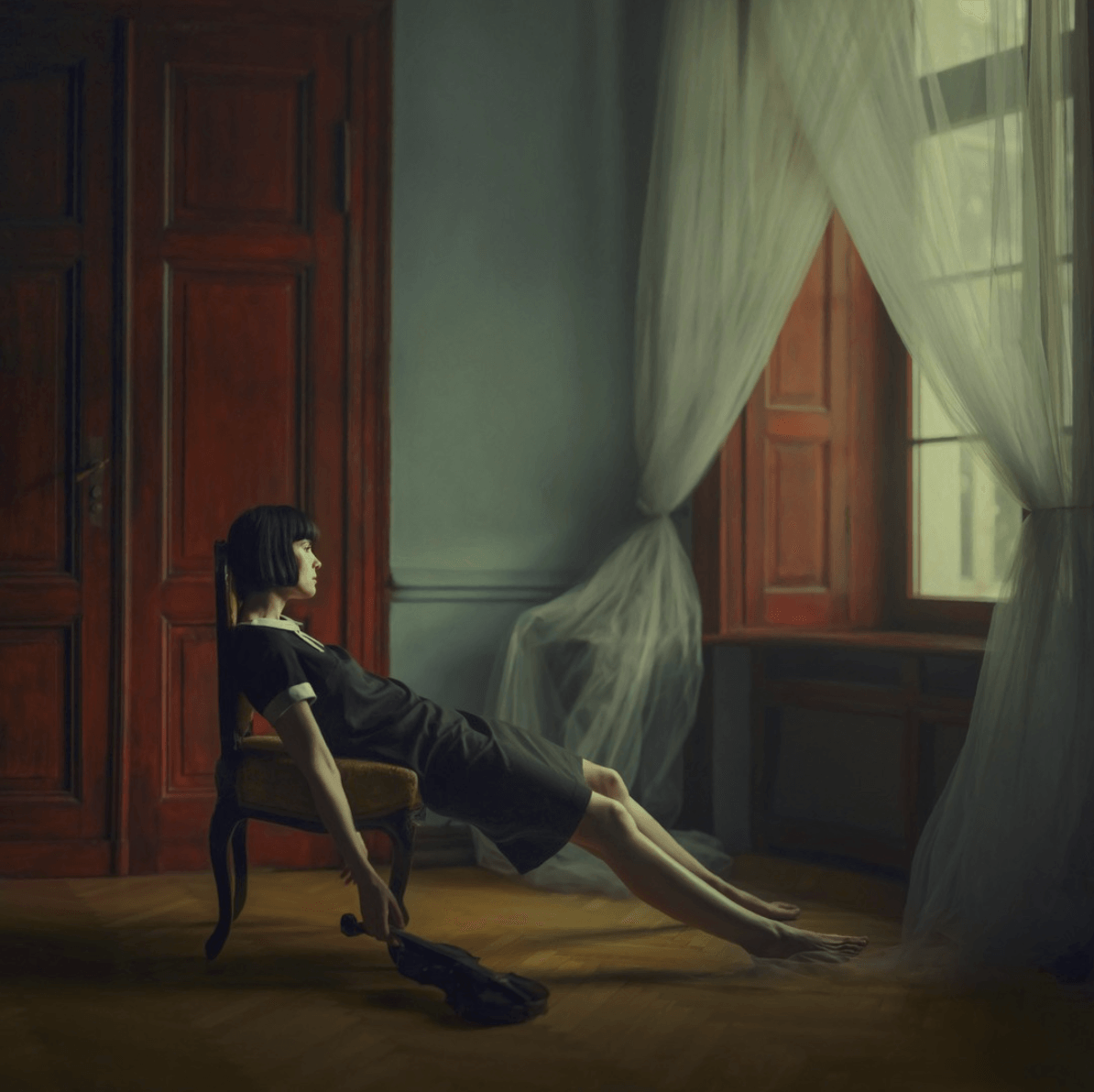
Damian Drewniak’s portfolio includes artistic portraiture and surreal photographic series. His work shows how a staged scene can turn an everyday situation into something unfamiliar.
In the image below, concentrate on the figure’s placement and its relationship to the surrounding space. The sense of aesthetics comes from the whole arrangement, not only from an unusual subject.
12. Patty Maher
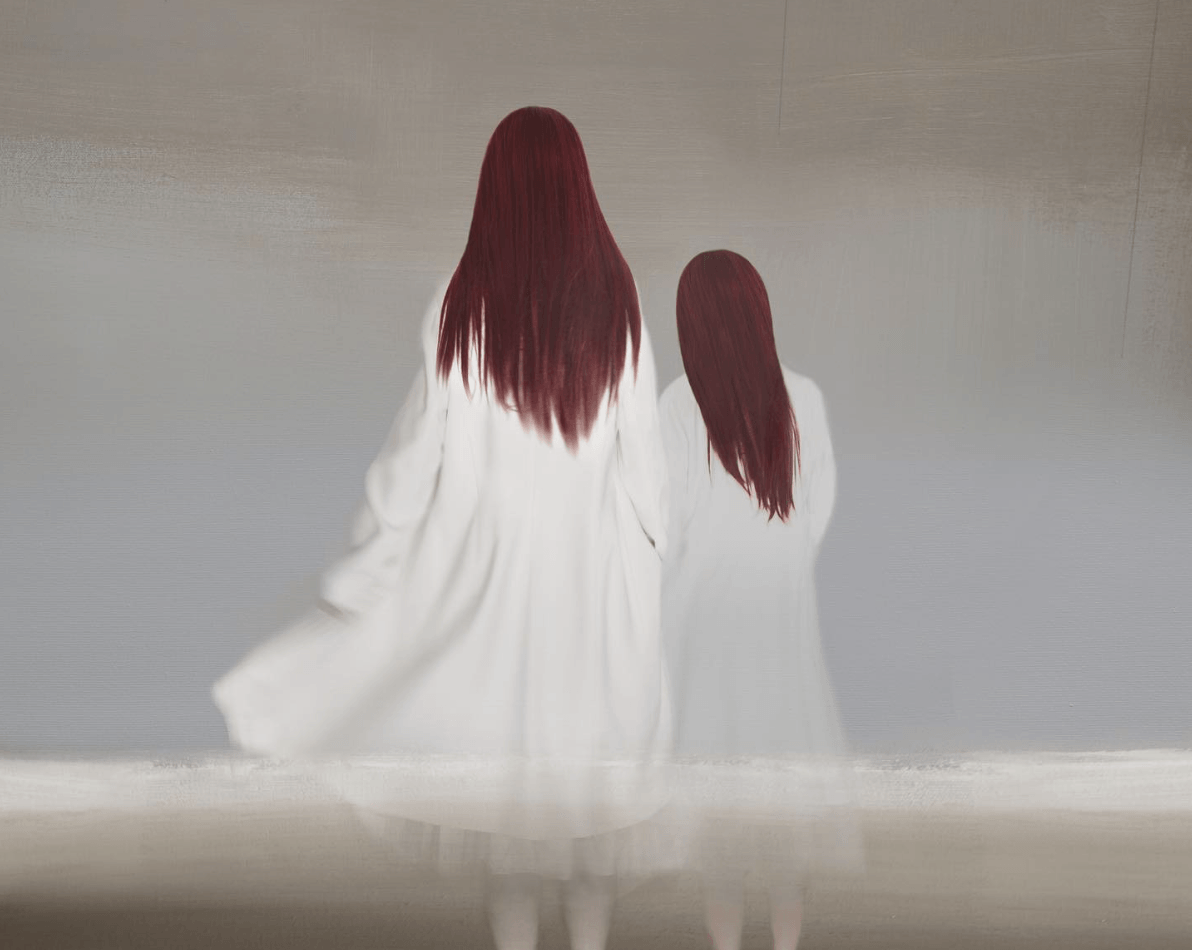
Patty Maher’s practice includes conceptual photography as well as painting and mixed media. Her photography portfolio offers stories built through figures, objects, and settings.
The concealed face in the portrait below shifts attention toward posture and symbols. It is a useful example of how a portrait can express an idea without relying on a facial expression.
13. Saga Wendotte
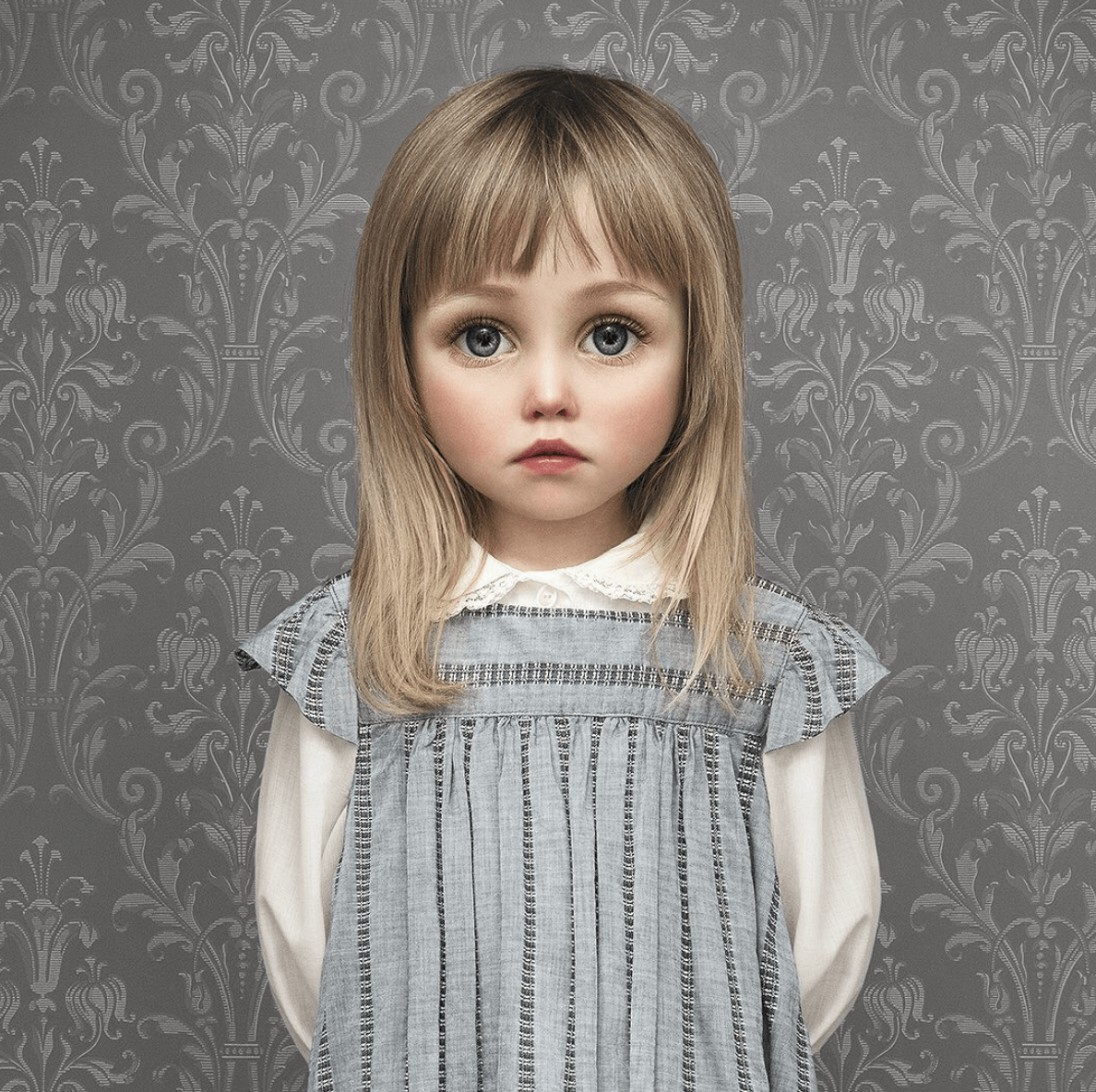
Saga Wendotte’s portfolio includes the series Little People, Small Cuts, and Bedtime Stories. Her staged images bring a storybook atmosphere to scenes that can also feel unsettling.
Study the child portrait below as a constructed scene. The setting and the details around the subject affect how you interpret it; a gentle visual style can still carry tension.
14. Karen Katar (Cantuq)
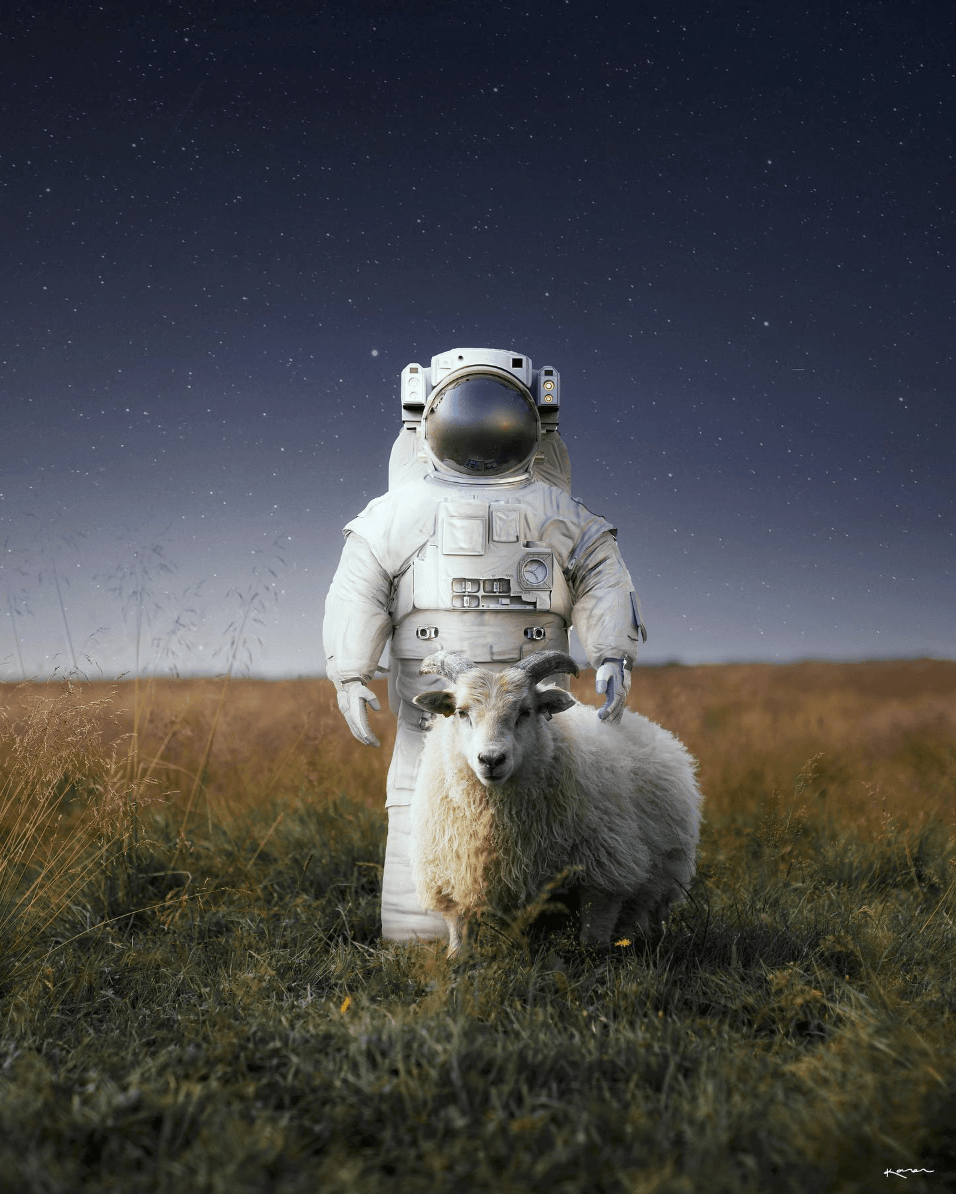
Karen Katar (Cantuq) is a digital artist whose portfolio lists Photoshop among her tools. Her work focuses on animals, nature and surreal scenes.
Her conceptual composites are a related form of digital art. In the image below, study how the animals and the human figure share the scene without treating it as a record of a real encounter.
15. Flóra Borsi
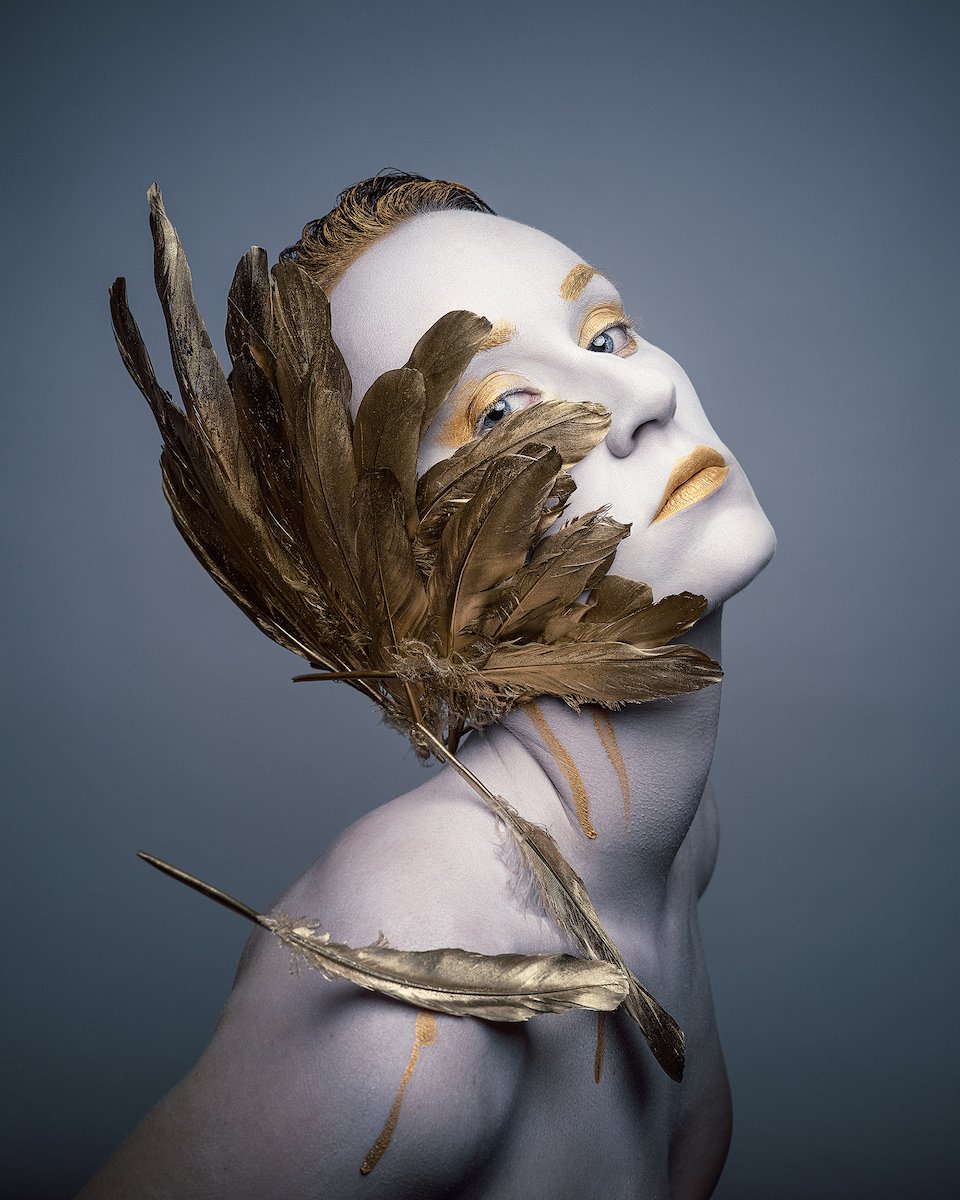
Flóra Borsi works with photography, performance, and digital image construction. Her self-portraits explore identity, perception, and the relationship between people and the natural world.
Animals recur in her work. The repeated faces and feather-like forms in the image below give the viewer more than a likeness to consider. Her portfolio’s animal imagery offers another route to study birds as visual motifs.
16. Ziqian Liu
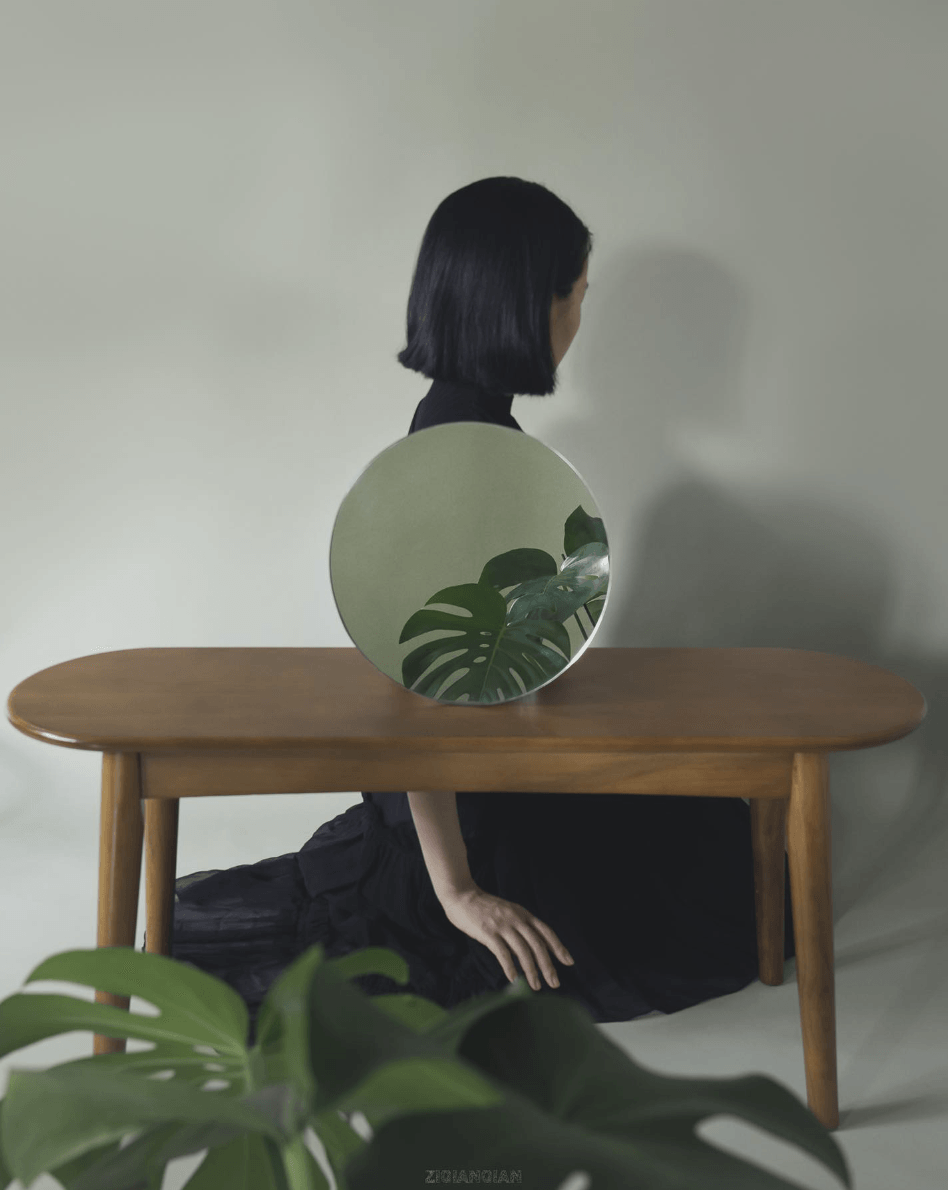
Ziqian Liu makes photographic work using her own body, plants, mirrors, and light and shadow. Her artist statement connects these arrangements with harmony between people and nature, and with seeing familiar objects from different perspectives.
Her use of body parts and reflections can make a portrait feel anonymous. Study how much information remains when the face is concealed or cropped away.
17. PrOject Uno
PrOject Uno is a portrait-sharing community, rather than an individual photographer. Its linked profile identifies itself as ThePortraitPr0ject and brings together work from different creators.
Use it to explore contemporary portrait artists, then follow the credit to the person who made each image. The photograph below is credited to Jason Buff in its original caption.
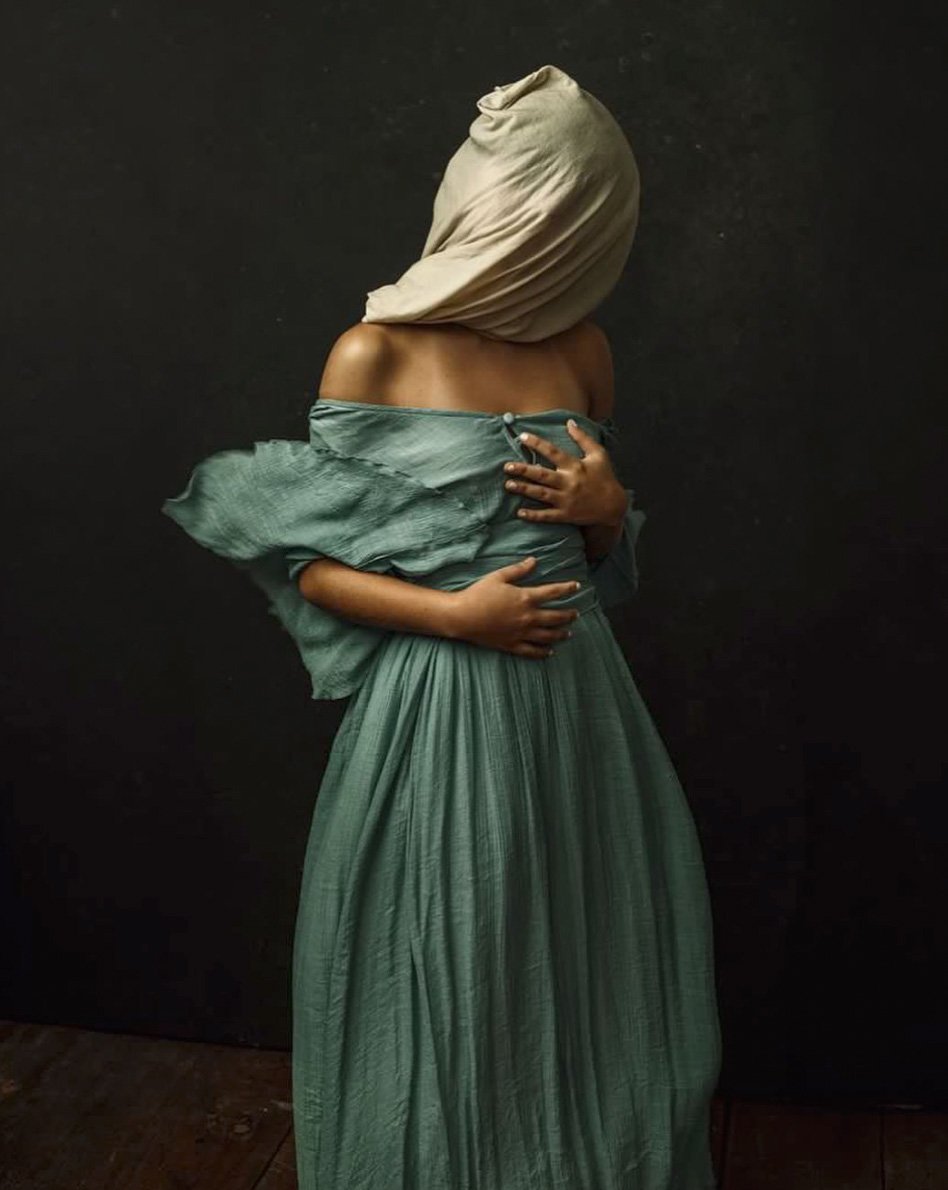
© Jason Buff (Instagram). This was featured on PrOject Uno’s Instagram.
18. Joel Robison
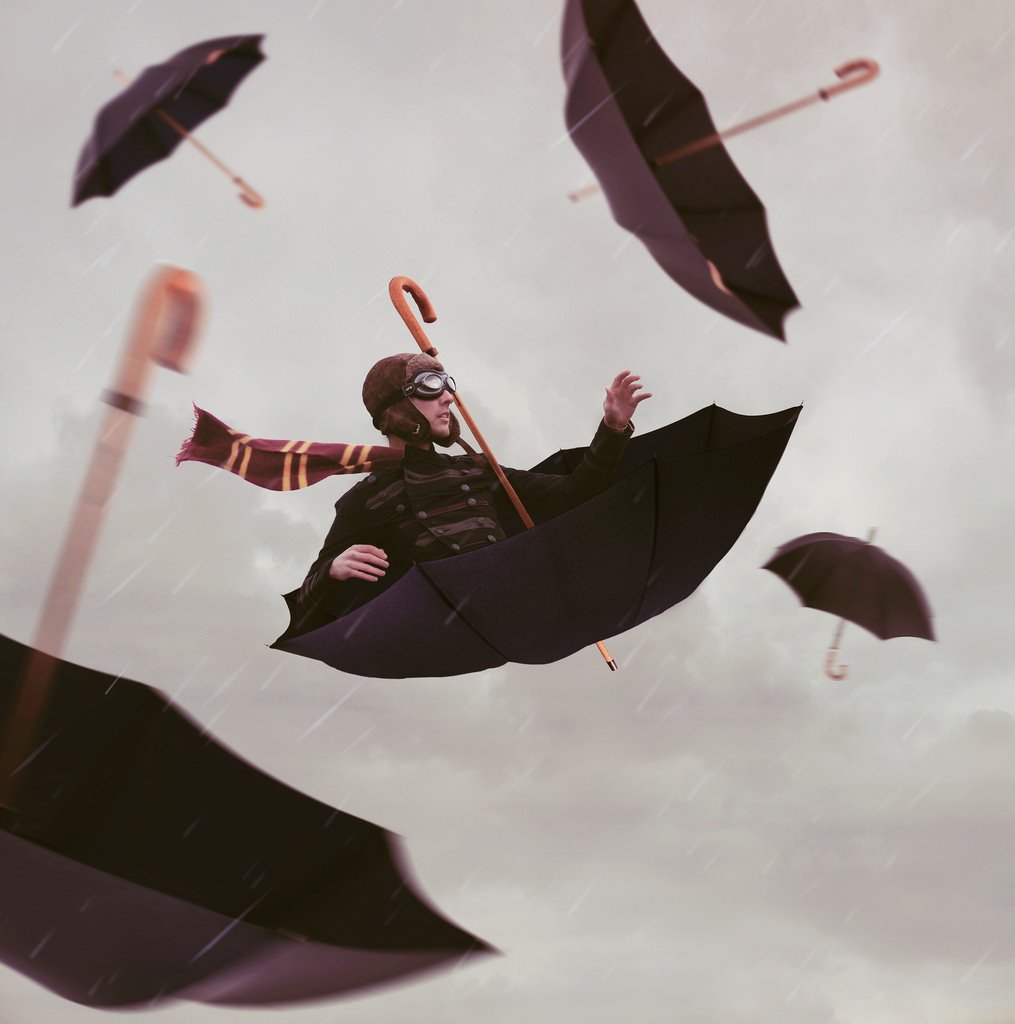
Joel Robison creates conceptual photographs that combine whimsical scenes with personal storytelling. His artist biography describes self-portraits as a way to place himself inside the narrative.
His images are often fairytale-like. They feature Joel as a giant, a tiny man, or someone with magical abilities. He has a smooth and consistent style that he applies during his editing. And you can learn his techniques through his Fantastic Photo Adventures video course.
19. Bella Kotak
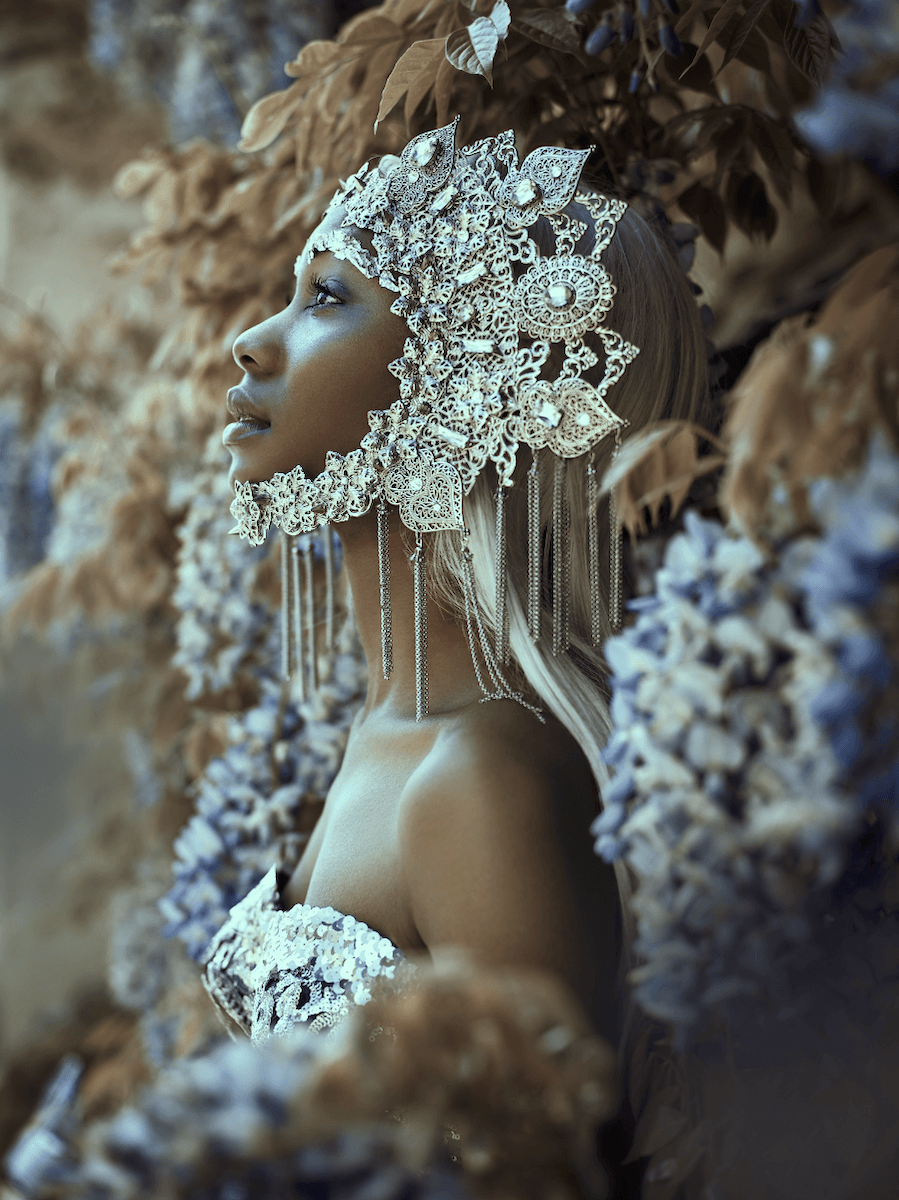
Bella Kotak is a fine-art, fashion, and portrait photographer inspired by fairy tales and nature. Her portraits bring costume, styling, and a setting together to build an imagined world.
Study how the colors of the clothing connect with the surroundings. A location becomes part of the story when its textures and colors support the figure rather than compete with it.
20. Auguste Lefou
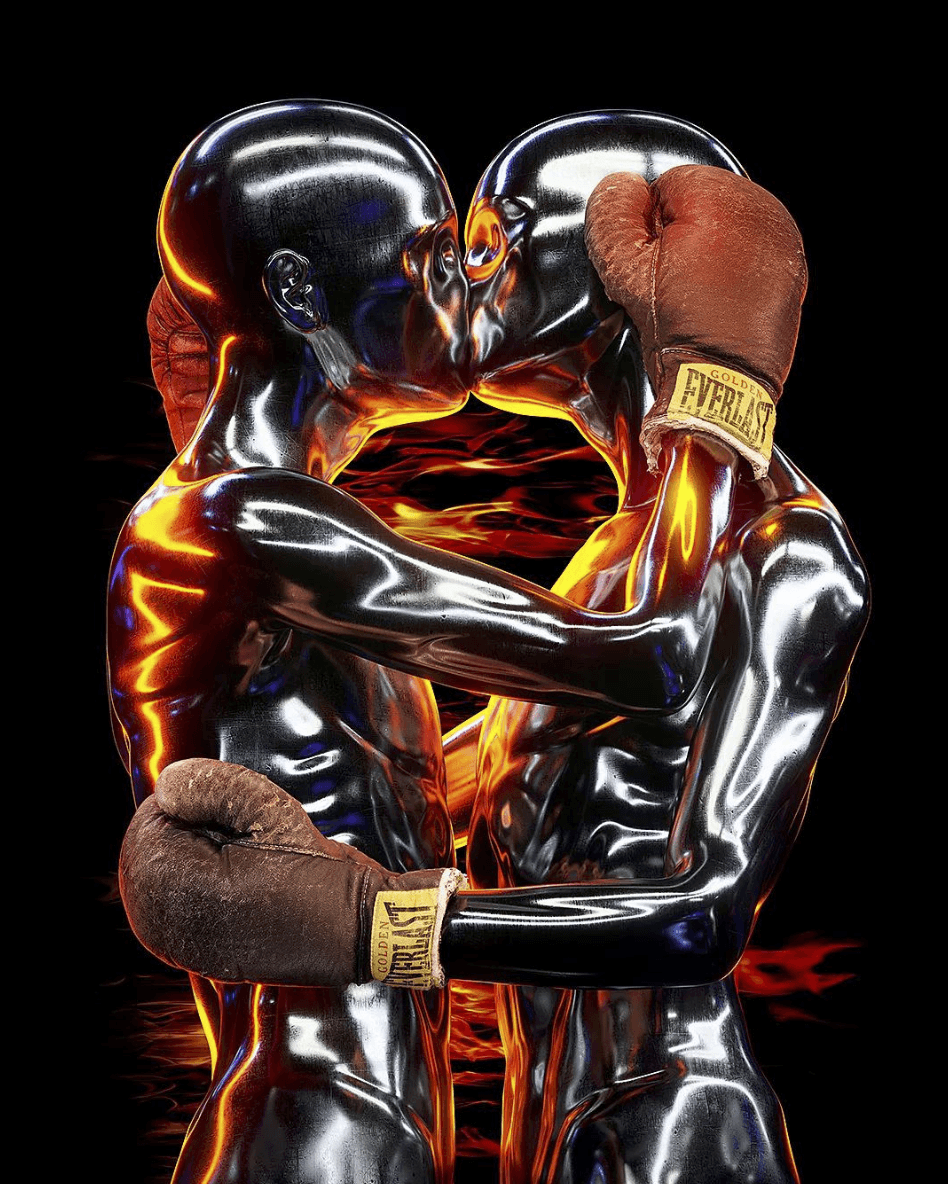
Auguste Lefou is a freelance designer whose portfolio describes his work as 3D and graphic art. His constructed imagery belongs to digital image-making rather than straightforward photographic portraiture.
The human-like forms below offer a reference for combining figures with unfamiliar materials and surroundings. Study the visual relationship between the body and the constructed environment without assuming the scene was photographed.
© Auguste Lefou (Instagram)
21. Kyle Thompson
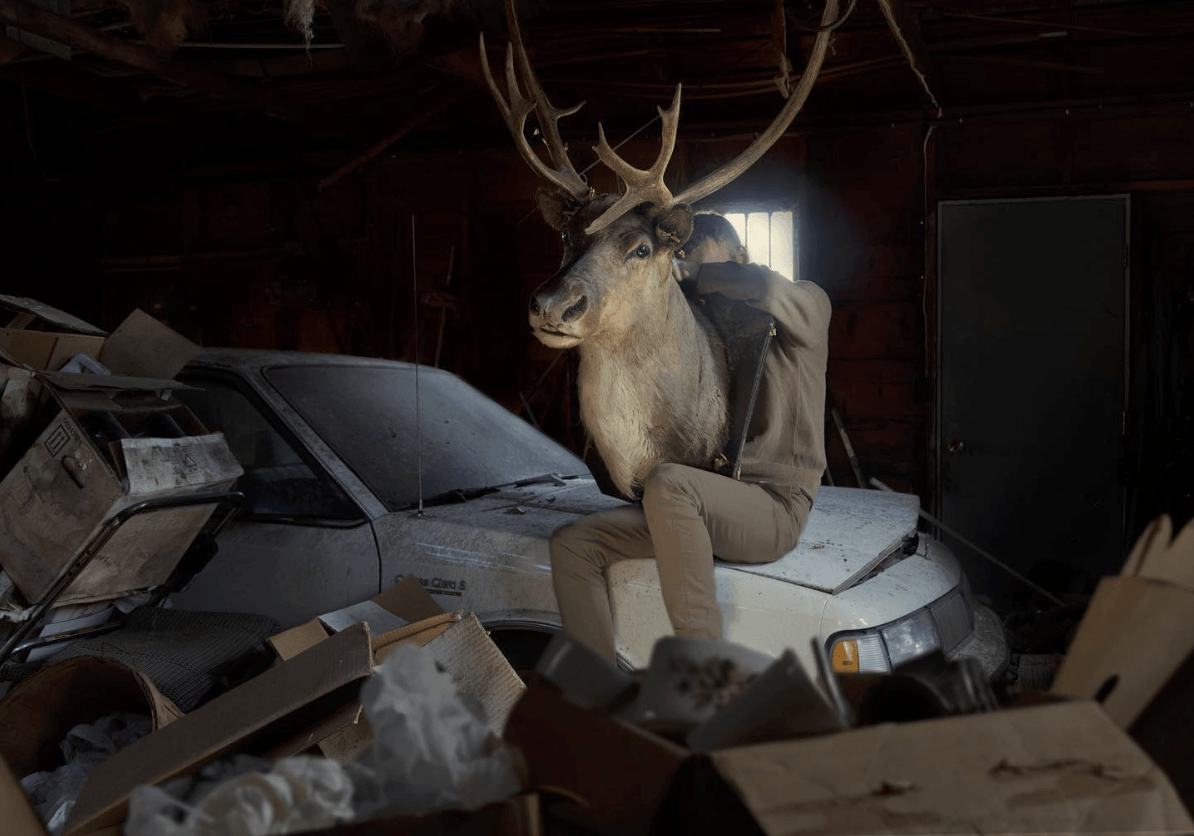
Kyle Thompson’s biography describes self-portraits made in empty forests and abandoned homes. He uses ambiguous scenes and obscured faces to suggest a moment without a fixed beginning or ending.
His portfolio includes the photo series Ghost Town and Spaces Between. Study how a setting can carry the story when the subject gives little away.
22. Steve Gindler
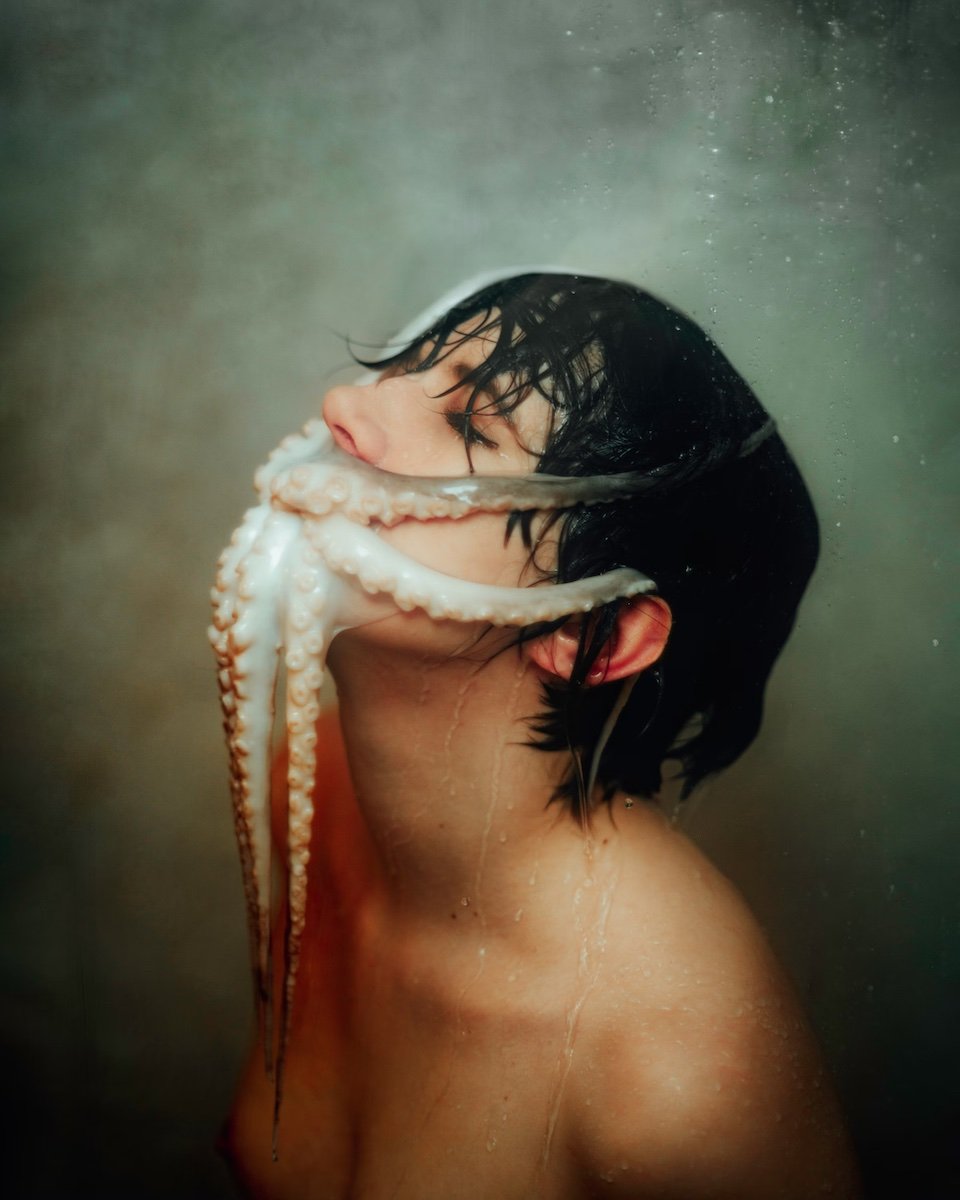
Steve Gindler, also known as Cvatik, makes portrait photographs using both film and digital imagery. His website describes combining contemporary image-making with a nostalgic look, and includes work made around abandoned places.
Look at how setting and pose support the portrait’s emotions. A subdued background can give a small gesture more weight without requiring an elaborate composite.
23. Vivienne Mok
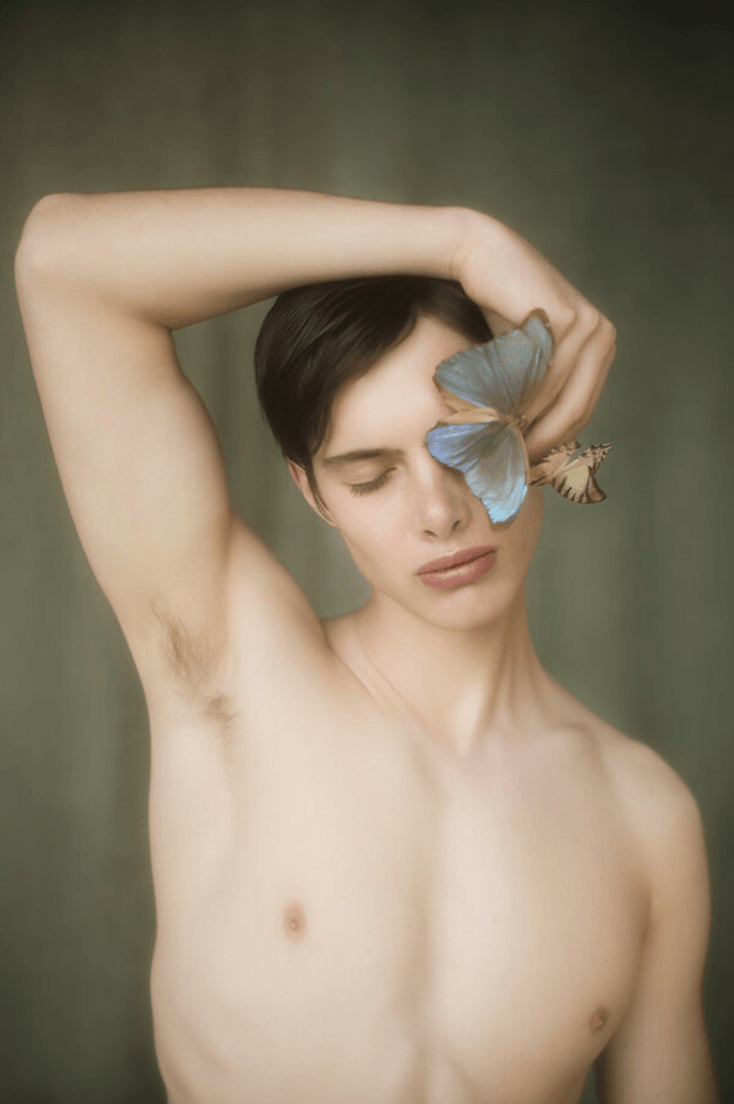
Vivienne Mok’s portfolio spans photographic projects, editorials, and portraits. The image below shows a soft, dreamlike approach to a figure and its surroundings.
Study the lighting, colors, and the relationship between sharp and soft areas. These choices can suggest an atmosphere even when the scene contains few props.
24. Ade Santora
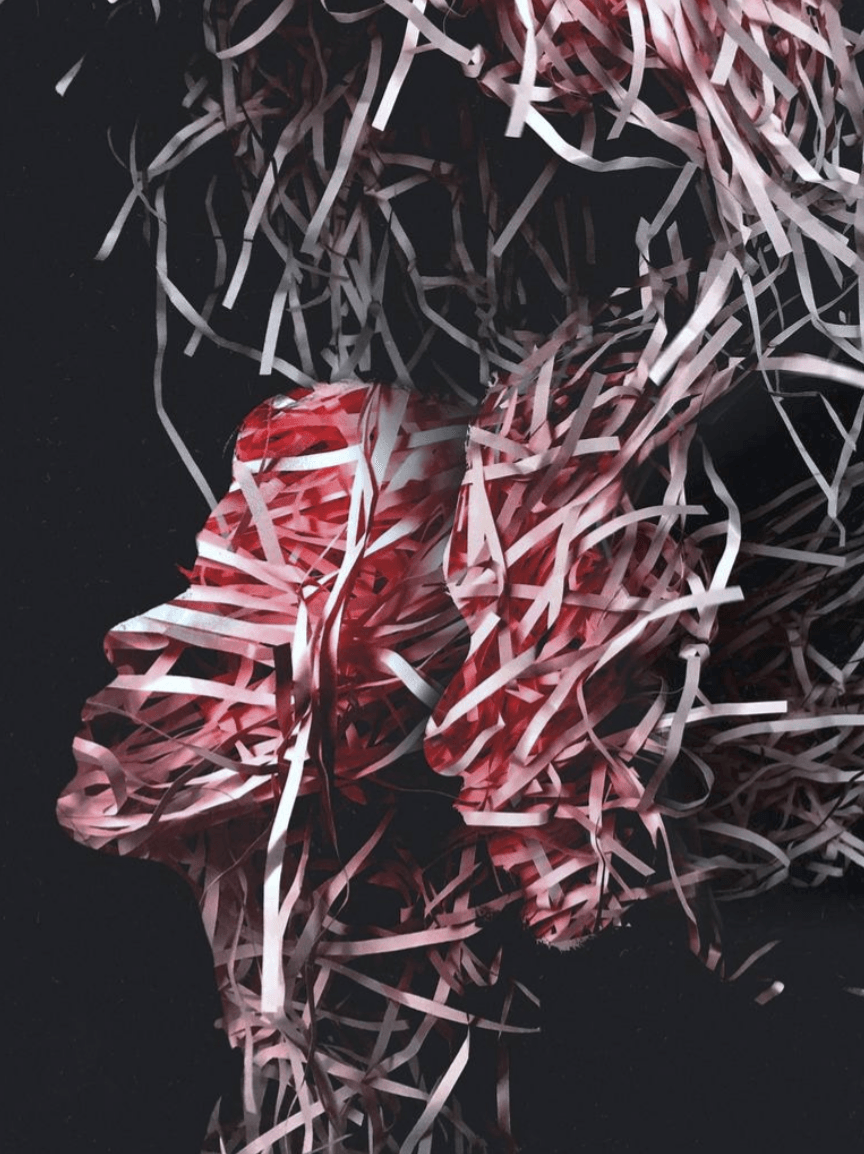
Ade Santora is an Indonesian artist and photographer whose portfolio includes surreal portraits. His published artist biography describes learning mobile photography and using an iPhone camera and apps to create images.
His work combines digital art with photographed material. His background in mobile photography shows how a small camera and mobile apps can supply the material and tools for a surreal composite.
25. Peyman Naderi
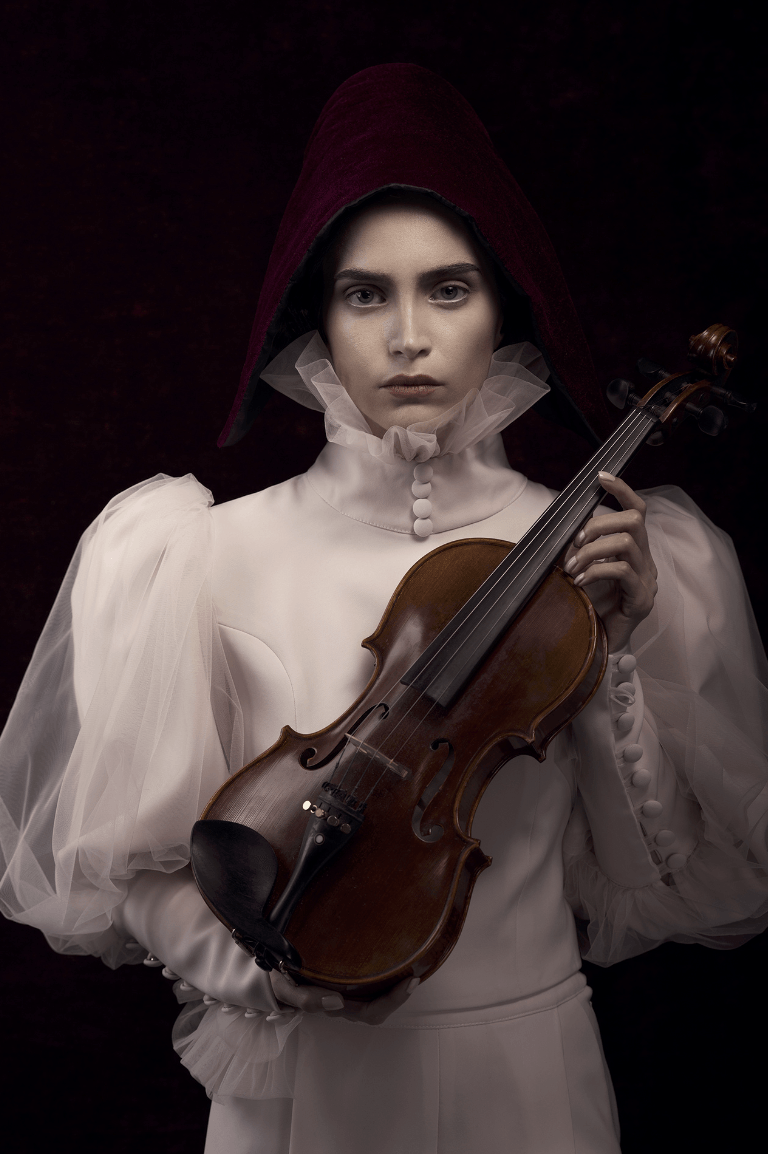
Peyman Naderi’s portfolio identifies him as a fine-art and portrait photographer and creative director. His projects use styling and staged figures to build imagined scenes.
The portrait below is a reference for how clothing, makeup, and props change a sitter into a character. Look at the complete scene before isolating any one effect.
26. Tom Chambers
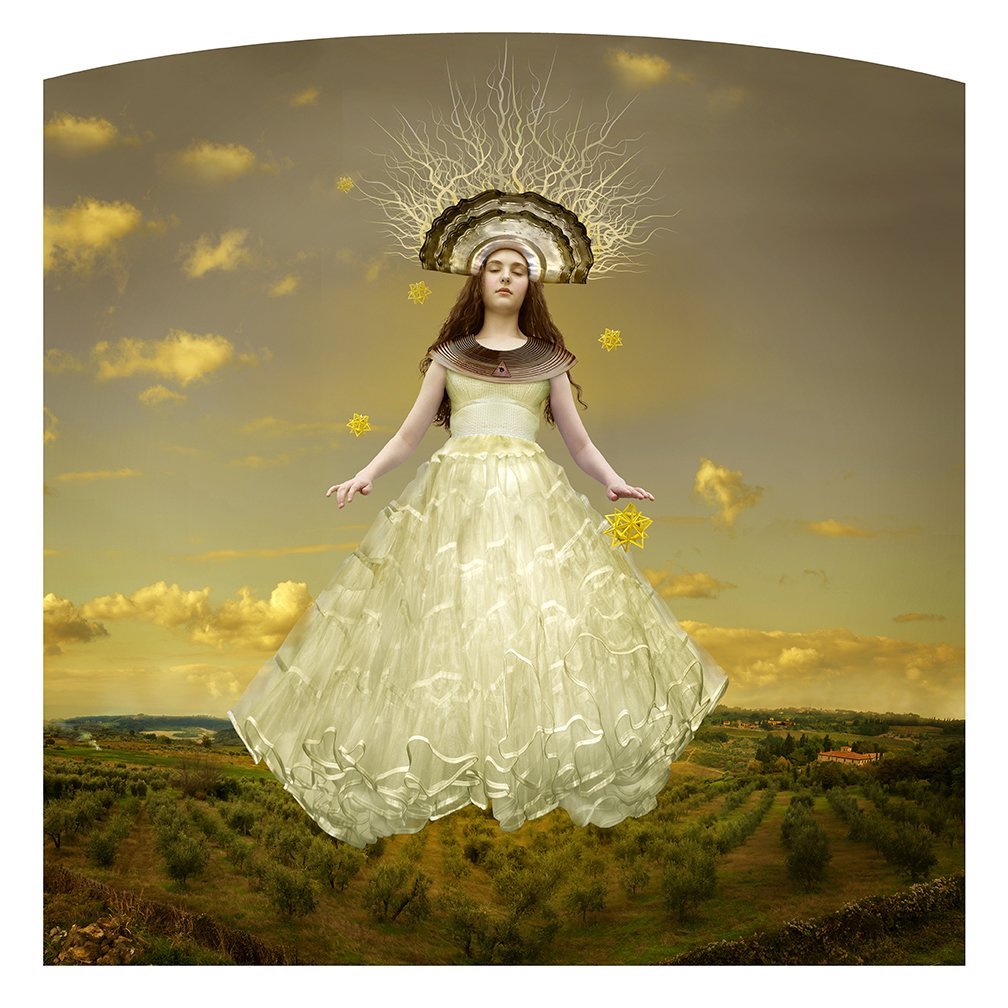
Tom Chambers creates conceptual photomontages from separately photographed elements. His process starts with a sketch, then brings the pieces together in Photoshop.
He describes matching the intensity and direction of light between those photographs. When combining a landscape, sky, and figure, that consistency helps the finished scene feel connected.
27. Kaat Stieber
Kaat Stieber’s photographic art draws on Dutch history and her background in theater. Her work uses storytelling and composition to create layered, painterly scenes.
If you want to make images that look like paintings, study the staging as well as the editing. The figure’s pose, clothing, and surrounding objects contribute to the effect before a photograph is processed.
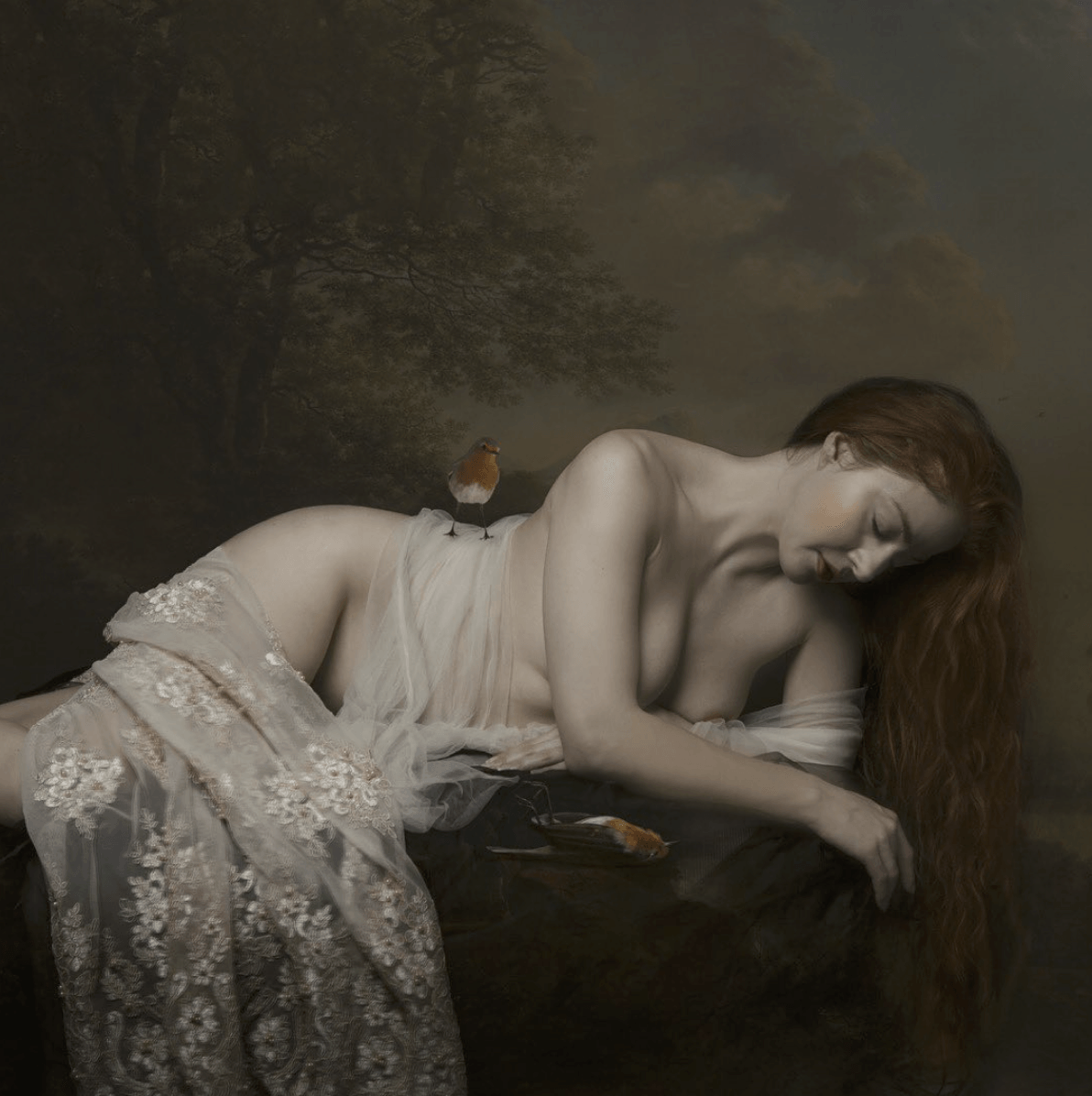
28. Juul Kraijer
Juul Kraijer works across drawing, sculpture, and photography. The texts and works on her official site show these as different parts of her practice; they should not be treated as a single image-compositing method.
Her staged portraits are a reference for a surreal look. In the image below, study how the face, surrounding details, and dark background hold the viewer’s attention.
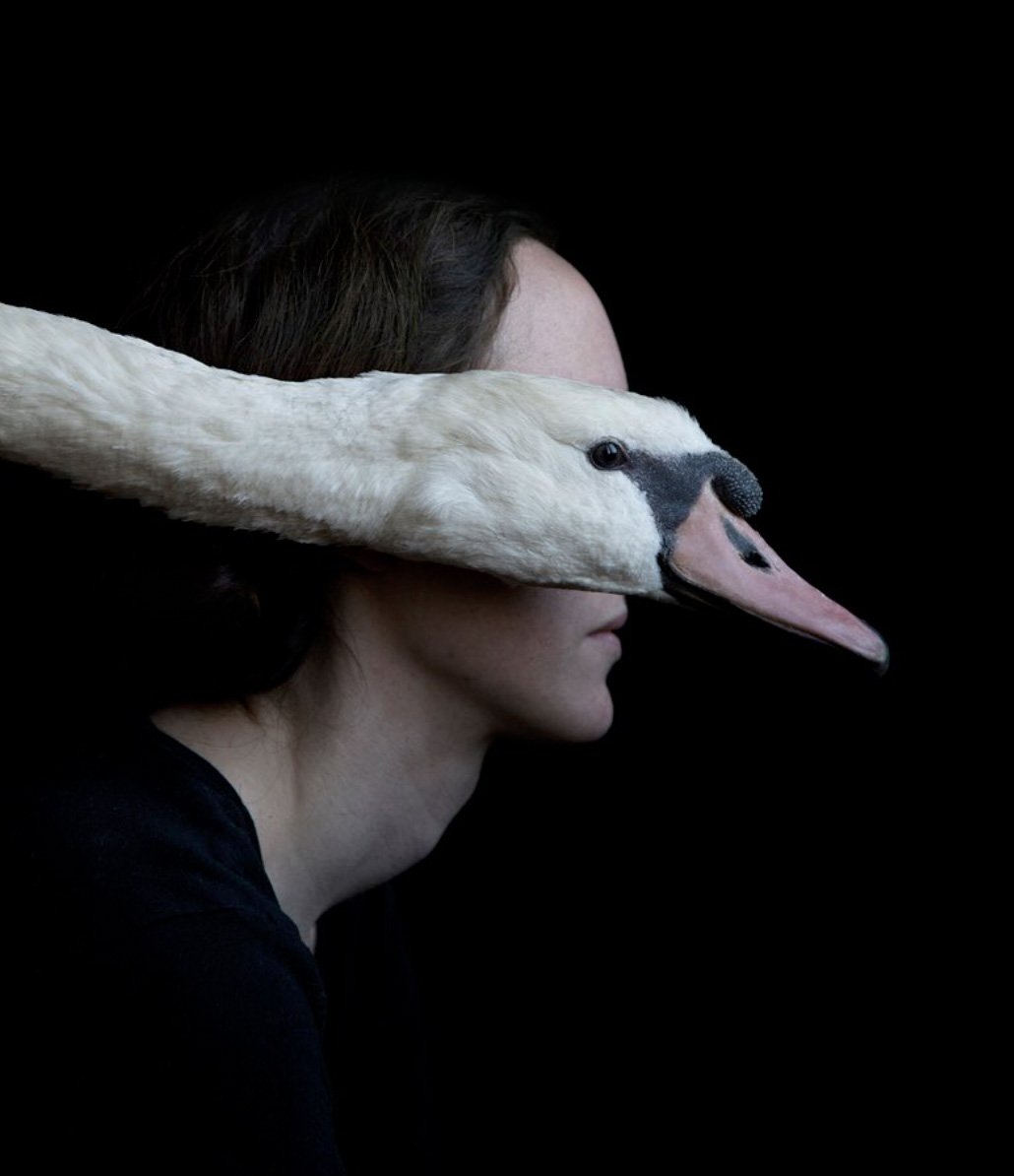
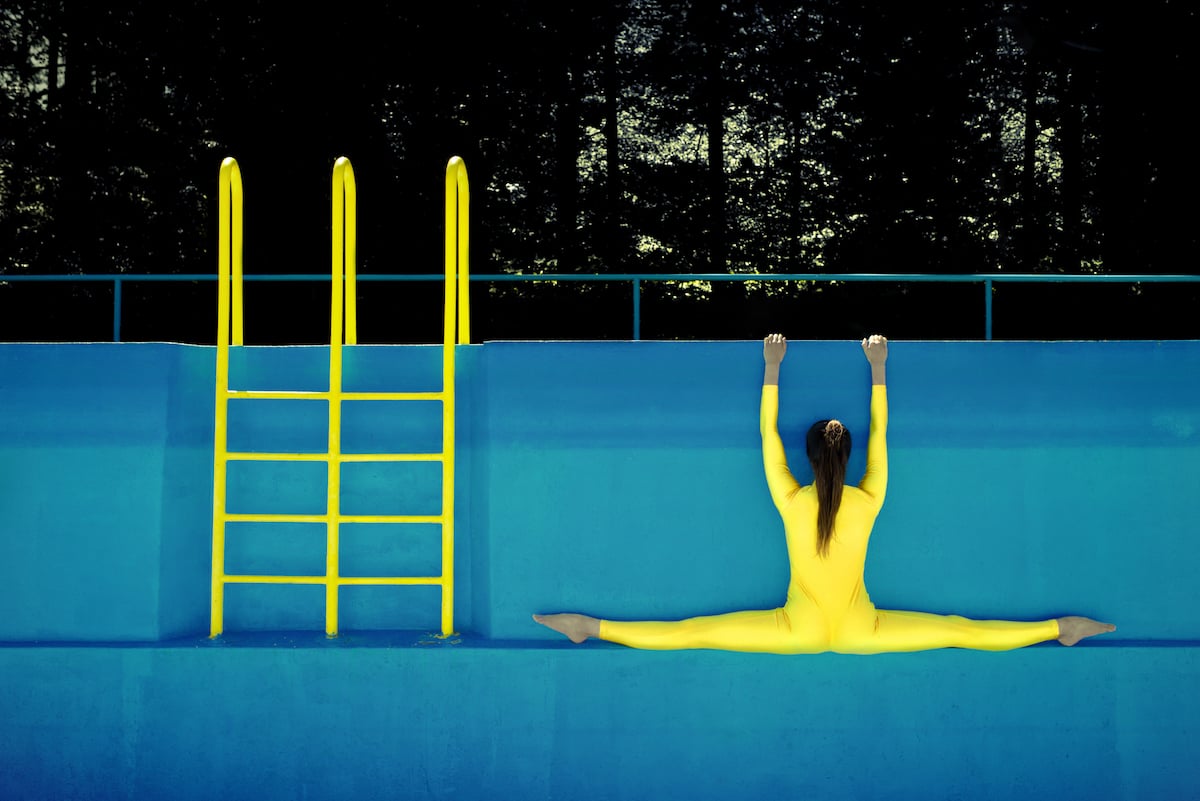
29. Milos Nejezchleb
Milos Nejezchleb is a Czech photographer whose artist statement describes conceptual photographic series about social themes. He develops their styling, locations, and post-production as part of the same project.
Strong color and shapes give his scenes a controlled structure. Study how the figure’s outstretched pose echoes the geometry of the surrounding setting.
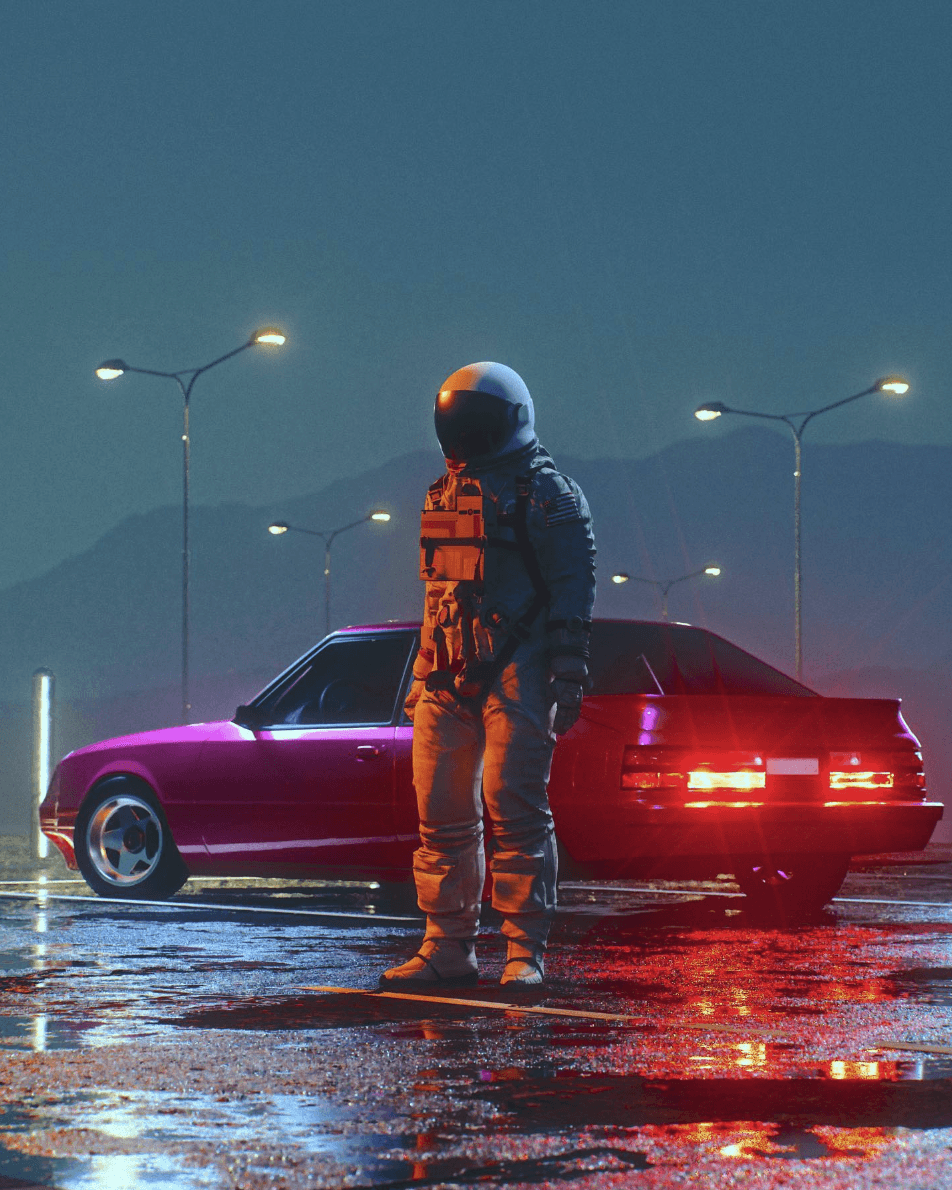
30. Cameron Burns
Cameron Burns, known as CaptvArt, is a digital artist whose practice includes album artwork, animation, and CGI. His constructed figures are another related source of conceptual-image inspiration.
In the image below, an unfamiliar figure occupies an ordinary-looking setting. Study that contrast as an idea for a scene, while keeping the distinction between a digital construction and a camera-made portrait clear.
31. Gabriel Isak
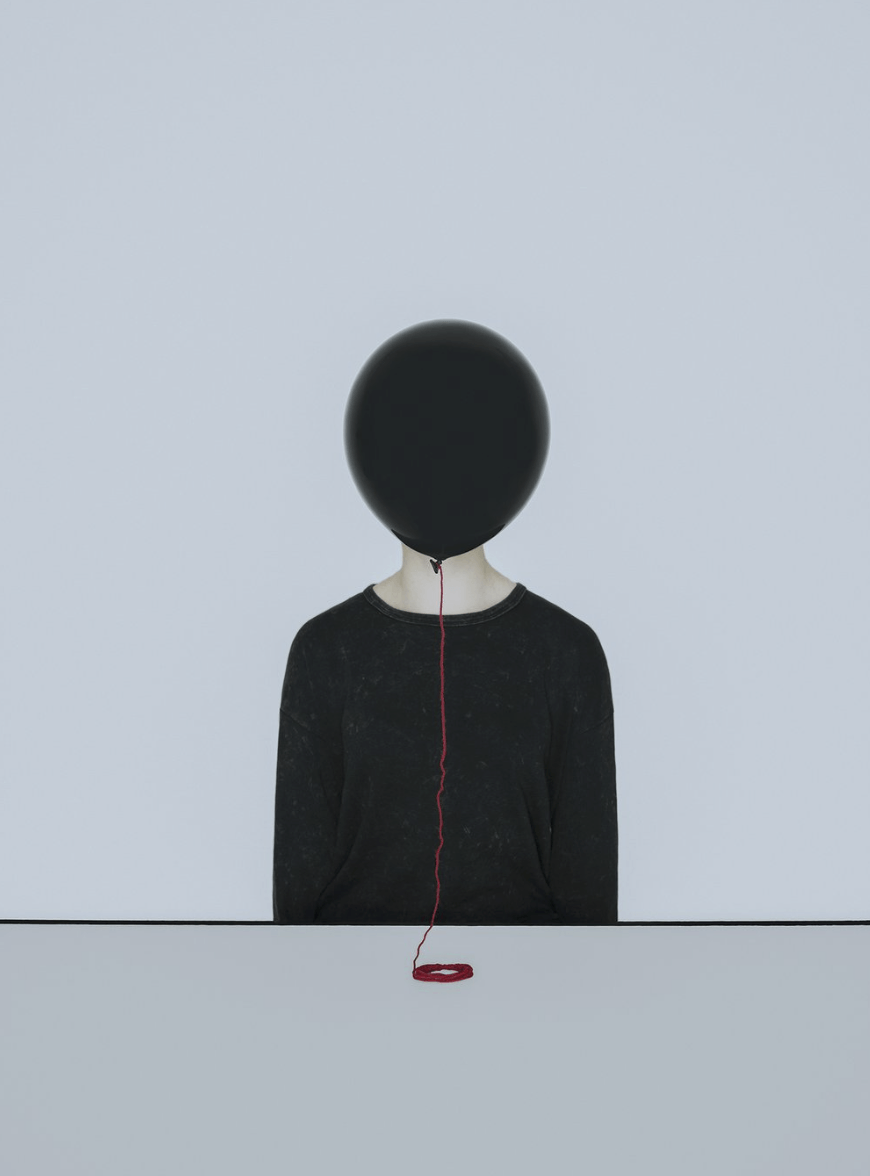
Gabriel Isak creates surreal photographic scenes that explore psychological and emotional states. His artist statement describes anonymous subjects in restrained settings, leaving space for viewers to relate the images to their own experiences.
His faceless models show how posture and placement can carry a portrait. Look at the balance of figure, empty space, and color in the image below.
32. Kseniya Vaschenko
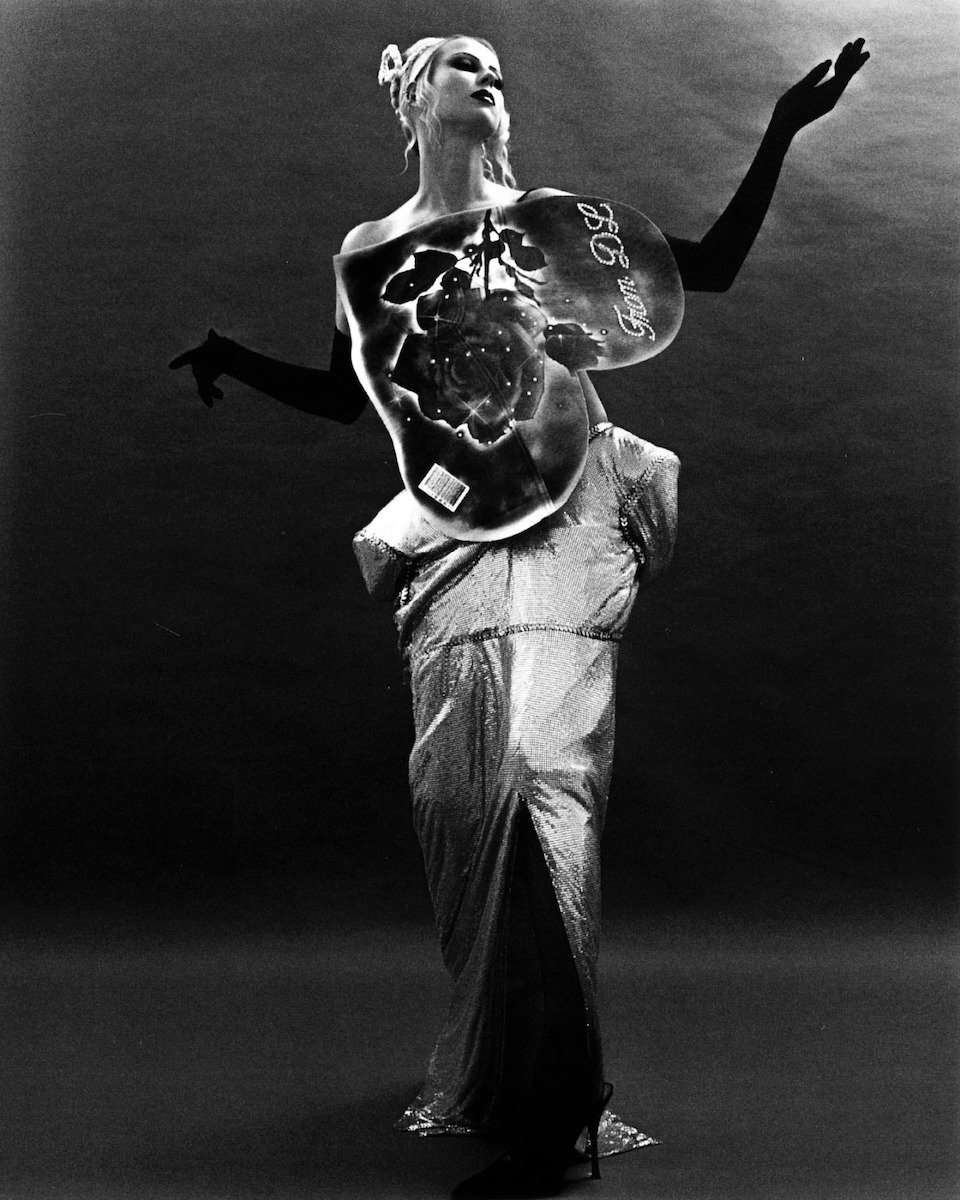
Kseniya Vaschenko’s work brings conceptual image-making to fashion portraits. In her WÜL interview, she discusses lighting, manual post-production, and the influence of cinema on her photography.
Study how pose and light affect the atmosphere of the portrait below. Those visible choices offer a stronger starting point than assuming what the model was feeling during the shoot.
33. Astrid Verhoef
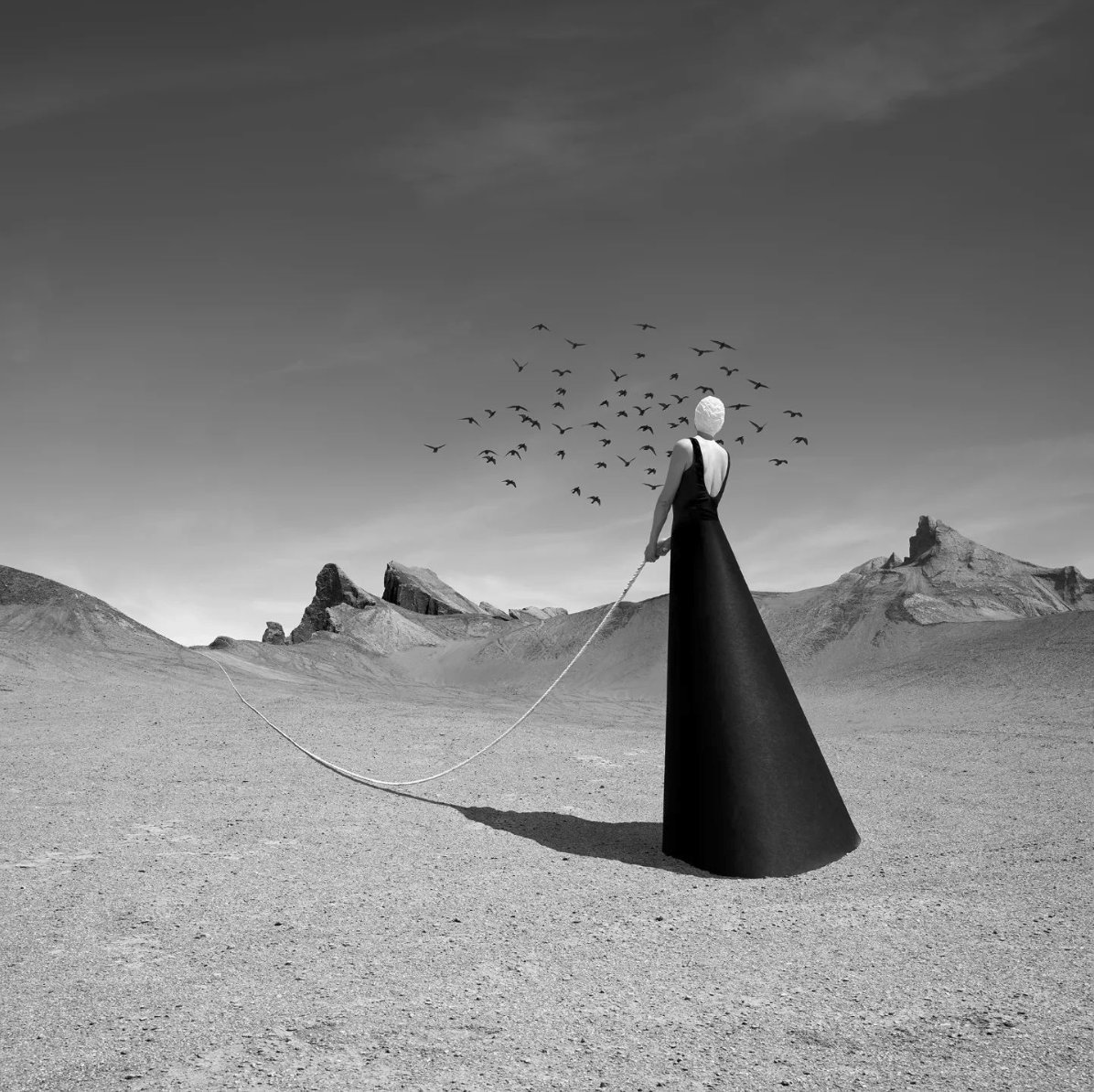
Astrid Verhoef stages scenes that place people and objects where they seem not to belong. Her artist biography connects this approach with identity, emotion, modern society, and natural spaces.
Her subjects in unusual surroundings show how a location can become part of a concept. Study the relationship between the figure and the landscape rather than reading the setting as decoration.
34. Bara Prasilova
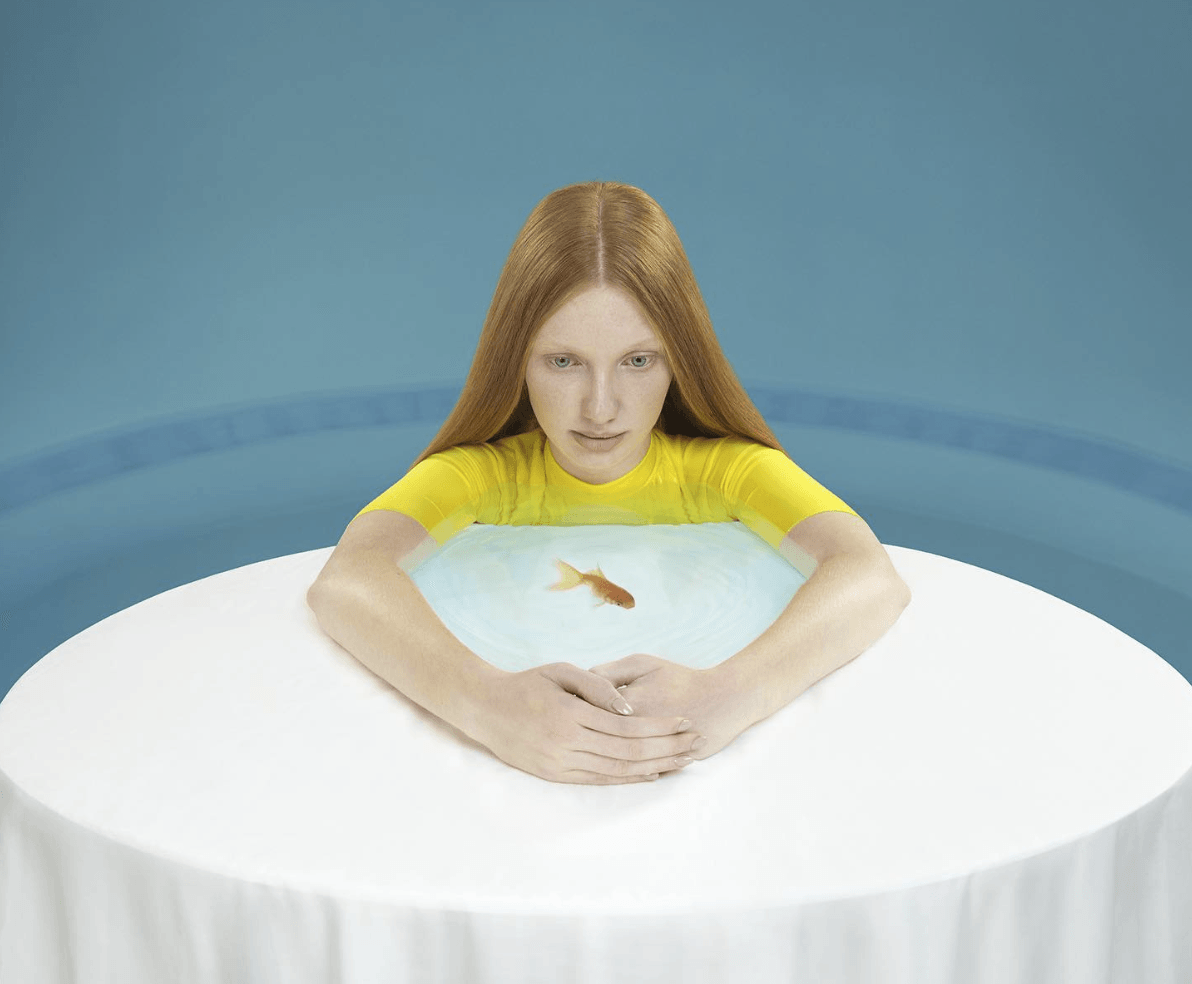
Bara Prasilova’s surreal photographs begin with sketches and can involve handcrafted costumes and objects. Her official biography describes a deliberate process beneath the apparently free-flowing imagination.
Look at how she frames the figure and limits the color palette in the image below. Small decisions about position, shape, and color help the unusual scene hold together.
What to Learn from These Conceptual Artists
Start with the approach that fits your idea: staged portraits, a symbolic prop, a concealed face, or a composite of separately photographed elements. Study how the scene supports its meaning before trying to reproduce an effect.
Conceptual portrait photography has many faces and includes several different niches. Whether you’re looking for Photoshop art, minimalist, or detailed portrait shots, our article features exceptional artists in their fields.
Check out our Creative Portrait Concepts eBook to jumpstart your photo-taking and editing processes!