Which stock photos sell best? Start with a subject a buyer can use: a family preparing dinner, someone working from home, or a clearly identified local place. Then check demand on the agency where you plan to submit. A broad topic such as “lifestyle” is a starting point, not evidence that your next image will sell.
Below are 21 stock photography ideas, with practical ways to make each one more specific. They are shooting suggestions, not a verified ranking of 2026 bestsellers. We also explain how to assess a possible gap in the market before you spend time and money on a shoot.
For a closer look at two ways to sell your work, read our Picfair review and Foap review.

How to Find Stock Photos That Could Sell
Choose a platform before planning your shoot. Our guide to excellent stock photo websites compares options, including Shutterstock. Look at the agency's contributor guidance as well as the images in its library.
Three kinds of evidence are useful, but they answer different questions:
- Creative trend reports suggest themes and visual styles. They do not show what an individual photograph will earn.
- Customer search trends and content briefs show what an agency's buyers are looking for. Searches are a demand signal, not completed sales.
- Your own licensing records show which of your accepted images have earned money. Compare results over similar periods and include the time and cost of producing them.
For example, Adobe's 2026 Creative Trends include human connection, local culture, sensory imagery, and playful surrealism. These provide directions for a shoot; they do not establish that all 21 ideas below are bestsellers.
Shutterstock explains that its Shot List uses recent and seasonal customer searches to help contributors plan ahead. Check the dates of briefs before using them. Last year's seasonal interest may help with timing, but it does not guarantee this year's sales.
For the wider business decisions, see how to make money with stock photography and our guide to running a photography business.
© Spencer Davis
How to Test a Gap in the Stock Photo Market
A library with few relevant results may be missing useful images. It may also have little demand for that subject. Treat a gap as a hypothesis until you have evidence from buyers or your own licenses.
- Write a narrow brief. Instead of “home office,” try “older small-business owner packing online orders at home.” This is an example to investigate, not a measured market gap.
- Look for a demand signal. Check the agency's current briefs and search guidance. If you already contribute, review related images that have licensed in your portfolio.
- Search the exact subject on your target agency. Check whether the results match the activity, location, people, and format you have in mind. A large result count says little about how many images meet that brief.
- Name what you could do better. Perhaps the results lack a useful vertical crop, space for text, or an accurate local setting. Record the date, search phrase, filters, and what you found.
- Shoot a small, distinct set. Make each frame useful on its own: a wider scene, a meaningful detail, and a different action. Avoid filling the submission with near-identical frames.
- Review the result before expanding. Track acceptance, licenses, revenue, and production costs. Acceptance confirms that the agency took the file; it does not prove buyer demand.
21 Stock Photography Ideas to Test in 2026
Choose subjects you can photograph well and have permission to use. The categories below retain a range of accessible subjects and styles, so you can build a test around people, places, and skills you already know.
Lifestyle
Lifestyle images can tell a clear story through everyday actions. Give your subject something real to do, then photograph the setting, interaction, and details.
1. Healthy Food
Build a food photography set around preparing a meal, rather than relying only on a finished bowl. Photograph ingredients, hands at work, and the final dish.
Smoothies are a useful visual exercise: include some of the whole fruit alongside the drink to connect ingredients with the result. For regional dishes, record the correct name and ingredients instead of using vague labels such as “exotic food.”

© Ella Olsson
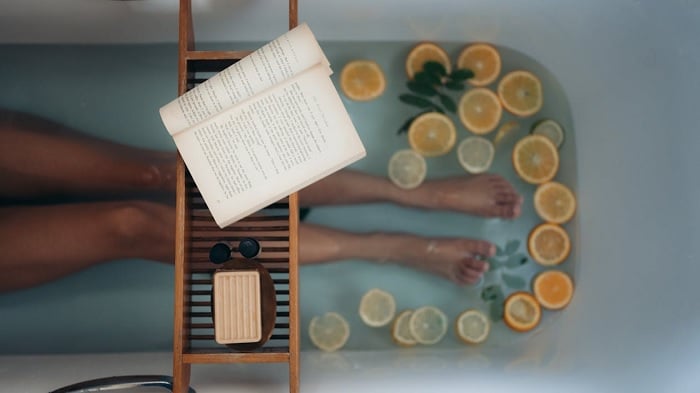
2. Self-Care
Try a simple routine: reading in the bath, applying a face mask, or taking a quiet break. Choose one activity and remove props that distract from it.
Leave room for a buyer's text in some frames. A candle or towel can help establish the setting, but the photograph should still communicate clearly without a long explanation.
© Taryn Elliott
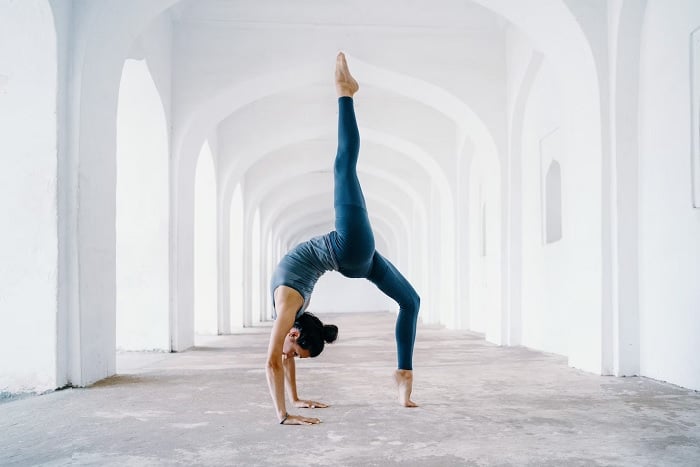
3. Yoga
Work with a practitioner who can demonstrate poses comfortably. Photograph preparation, balance, and movement as well as a finished pose. These variations give you different stories within one session.
For stronger yoga photographs, pay attention to the shape of the body and the background. Keep the practice and location specific; adding unrelated props does not make the image more authentic.
© Oksana Taran
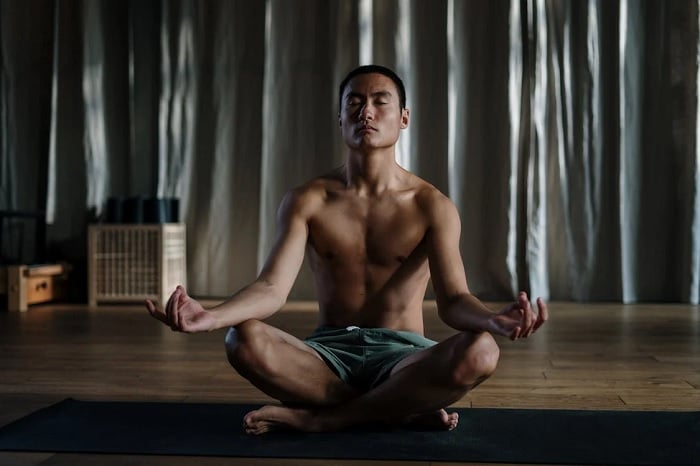
4. Meditation
Photograph a person taking a quiet pause in a setting that fits their practice. A chair beside a window can be as useful a starting point as a studio.
Discuss the scene with your model. Use religious objects only when they belong to the practice you are showing, rather than adding them as generic decoration. Describe the visible activity without claiming that the photograph demonstrates a health benefit.
© Cottonbro Studio
5. Fitness
Plan a sequence around an activity: warming up, lifting a weight, working with a trainer, or resting between sets. Include people with different ages, bodies, and levels of experience when they fit the brief.
A gym provides equipment and context, but a park or home can also work. Choose a location you can use with permission and check distracting branding before shooting.

© Victor Freitas
6. Home Office
An attractive desk is one option. For a more specific story, show the work taking place: preparing an invoice, packing an order, or discussing a project on a call.
Use blank or prepared screen content that you have permission to show. Keep private information out of view. Photograph a wider workspace and a closer view of the task so the set offers more than variations of the same laptop.

© Grovemade
7. Family Photos
Build family photos around shared activities such as cooking, reading, or preparing for school. Include grandparents and different family structures where these reflect the people you are photographing.
A warm smile can suit a celebration brief, but it is not the only useful emotion. Concentration, affection, and a quiet moment together can tell different stories.

© August de Richelieu
Inclusivity
Build scenes with the people and communities you know, and discuss how they want to be represented. Plan a clear activity and give each participant a meaningful part in the scene.
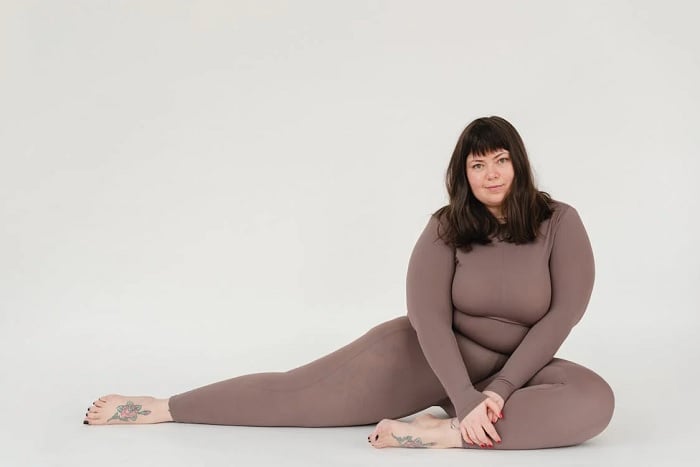
8. Plus-Size Models
Include a range of body types in everyday scenes, from work and hobbies to fitness. Give the model an activity and a role instead of making body size the whole story.
Agree on comfortable poses and clothing with the person you are photographing; do not assume how they want to be presented.
© Shvets Productions
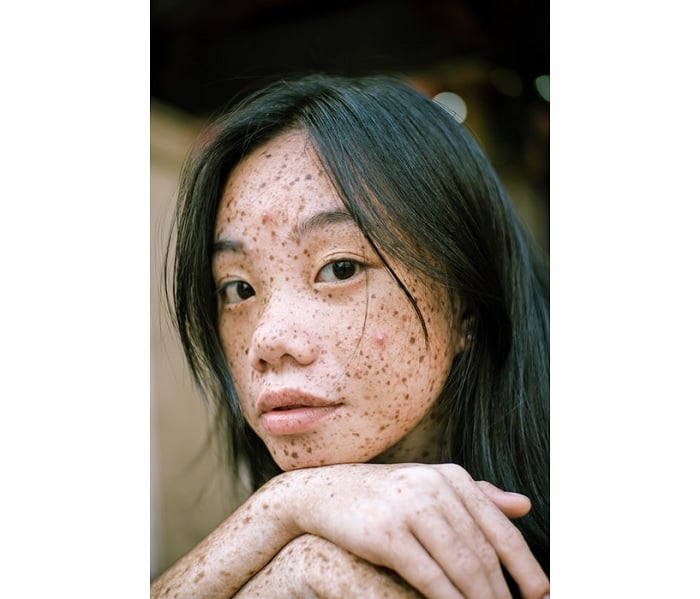
9. Individual Features and Natural Skin
Freckles, birthmarks, scars, and distinctive hairstyles can be part of a portrait without becoming a problem to hide or a novelty to exaggerate.
Ask the model how they want to be shown and agree on retouching. A close portrait can emphasize expression and texture, while a wider frame places the person in an everyday activity.
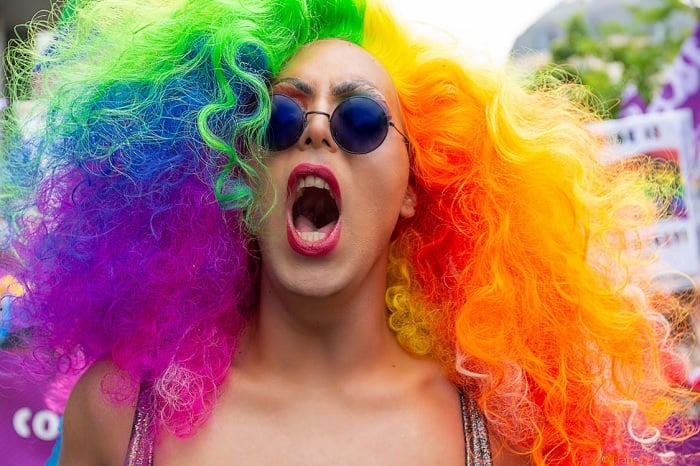
10. LGBTQ+ Community
Consider everyday relationships and activities as well as celebrations: a couple cooking, friends spending time together, or a person at work. Plan the context with the participants.
Use identity terms the models have agreed are accurate. Adobe's metadata guidance recommends direct conversations about representation. Do not infer someone's gender or sexuality from appearance, and do not treat a public event as automatic permission for commercial stock use.
© FransA
11. Multiracial Communities
Photograph people interacting through a shared task: preparing food, learning a skill, or running a local business. Give the scene a purpose beyond assembling a group for the camera.
Use accurate descriptions of people and places. Ask participants how they identify instead of guessing from appearance. Include details of the real setting that help explain the activity.

© Alexander Suhorucov
Photography Styles
Style helps shape the image, but it does not replace a subject or a usable composition. Apply these approaches to a specific brief.
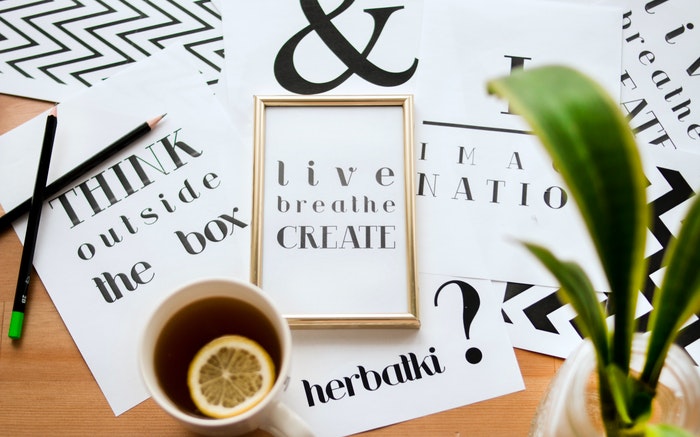
12. Flat Lay
Flat lay photography places objects on a surface and photographs them from above. The choice of props, arrangement, and colors gives the image its structure.
Try ingredients and utensils for a recipe, or tools for a particular craft. Leave some clear space for text and make sure the arrangement still works in the crop you intend. Choose props that belong together rather than filling every empty area.

© Micheile Henderson
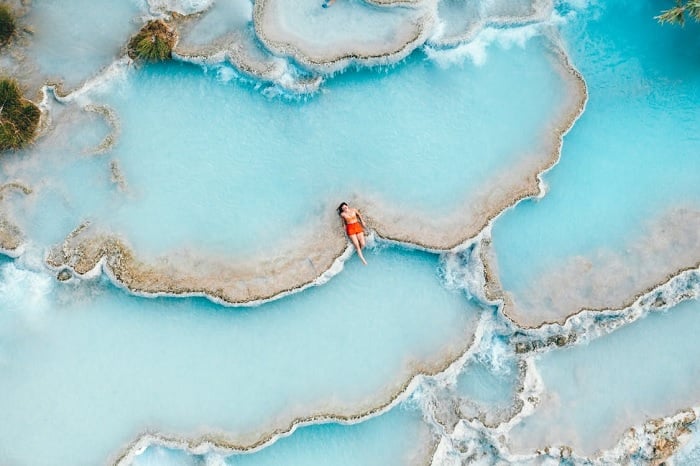
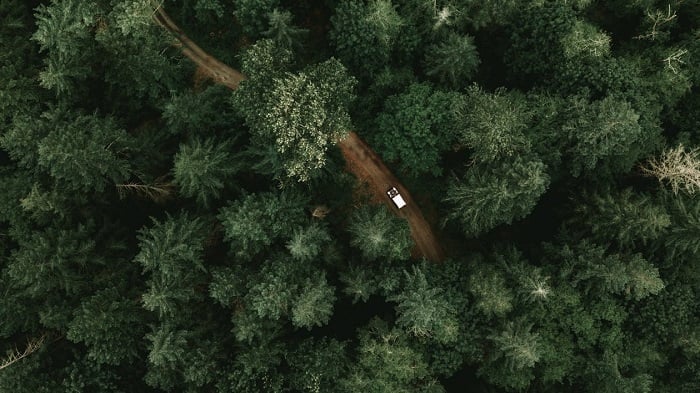
13. Aerial/Drone Photography
An overhead view can show the shape of a coastline, a road network, or the relationship between buildings and open space. Start with a subject that benefits from that perspective.
Check flight rules, location restrictions, and permissions before planning the shoot. Do not buy a drone on the assumption that stock sales will pay for it. If you already have access to suitable equipment, test a small set and record the actual return.
© Taryn Elliott
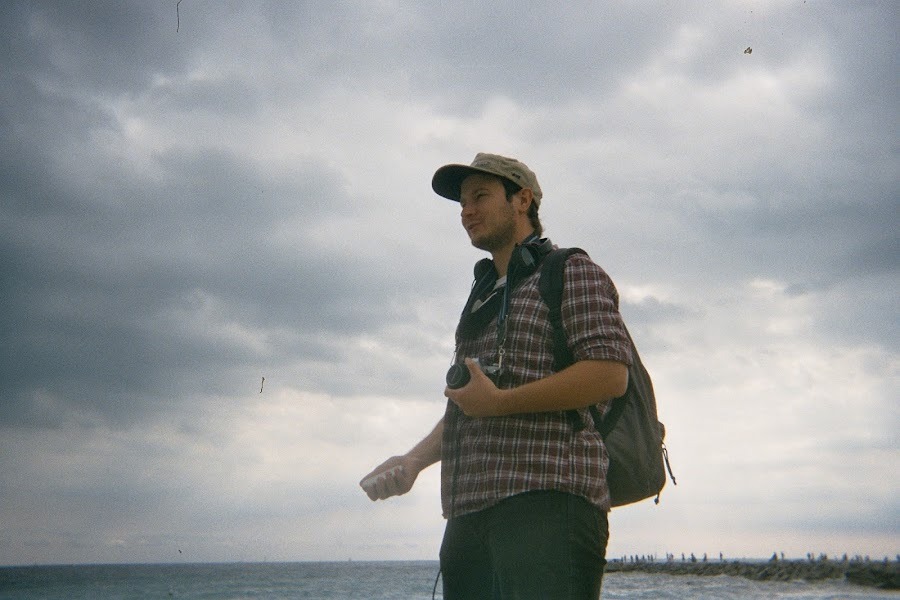
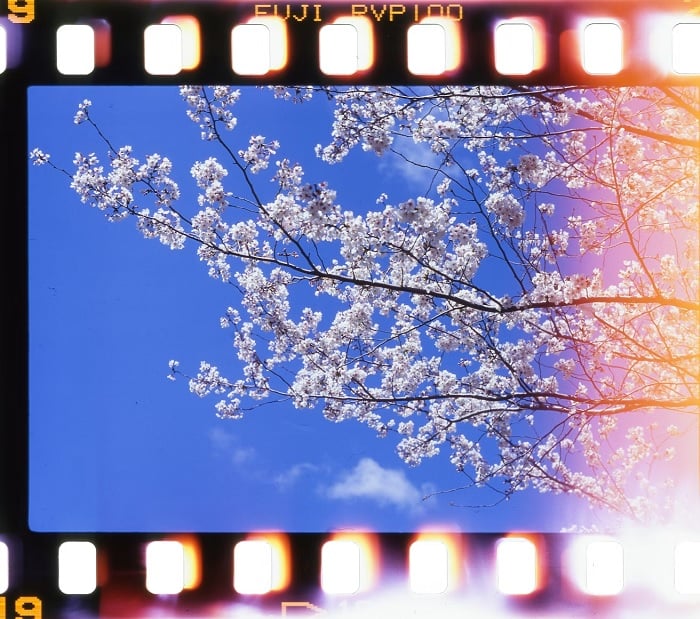
14. Retro Film Aesthetic
Film photography can give a scene a distinctive texture and color palette. You can also explore a film-like treatment with Luminar Neo, whose tools include Film Grain and Matte.
Keep an unprocessed original and inspect the result at full size. A retro treatment is a creative choice, not a reason to ignore technical requirements: Adobe's quality guidance warns about noise and artifacts from over-editing. Start with restrained changes rather than assuming heavier grain is more saleable.
© Kumiko Shimizu
15. Bold Colors
Try a composition built around one dominant color, or use a small set of complementary colors. A clear palette can make the photograph easier to organize visually.
Use props, clothing, and backgrounds to create the color relationship before editing. Keep skin and important detail believable. Add color keywords only when they describe a meaningful part of the image.
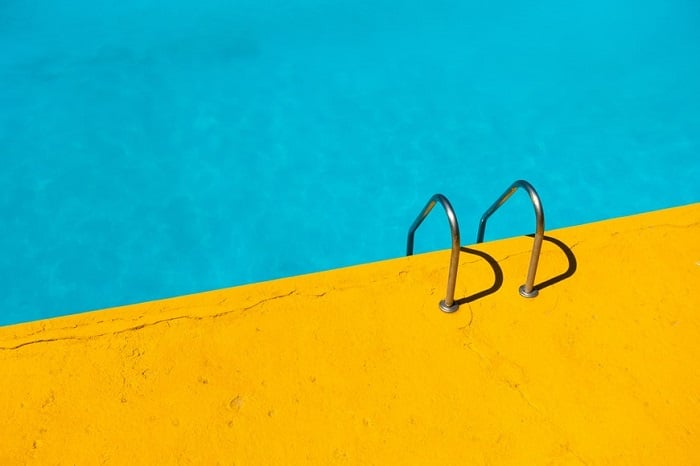
© Etienne Girardet
16. Conceptual Images
Start conceptual images with an idea a viewer can understand: balance, isolation, teamwork, or growth. Work out how the objects and composition will express it.
A playful or surreal arrangement can fit Adobe's 2026 creative direction, but the concept still needs to read. Try showing the photograph without its title and asking what it communicates. If the answer is unclear, simplify the scene before adding more props.

© Stoica Ionela
17. Street Nightlife
Neon reflections, a quiet street, or people meeting after work can each suggest a different night-time story. Decide which one you want to photograph before choosing the location.
Check focus, shadow detail, and noise at full size. Choose the ISO needed for the exposure, then assess the file quality. For people, signs, and private interiors, review the intended agency's release and content rules before submitting.
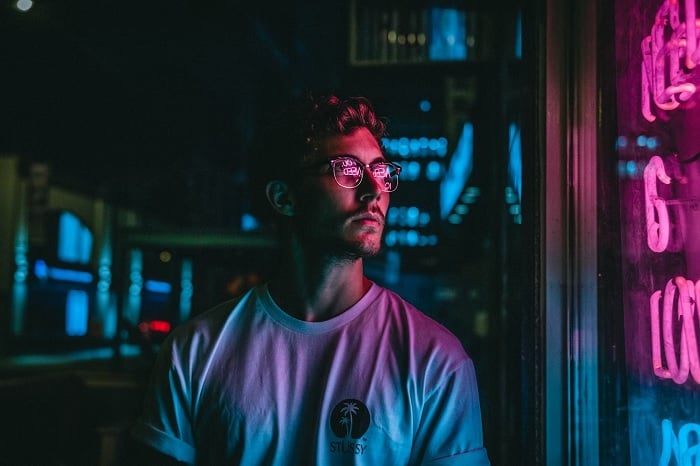
© Chester Wade
Locations
Local knowledge can help you choose a viewpoint and describe a place accurately. Use the agency research process above to decide what is worth testing.
18. Cityscapes
For cityscape images, look beyond a skyline alone. A transport route, a residential area, or a view connecting old and new buildings can give the image a clearer subject.
Search the specific city and scene on your target agency before assuming a gap exists. Smaller cities are not automatically underserved. Record the correct location and seek a useful angle, season, or composition that the existing results do not cover well.
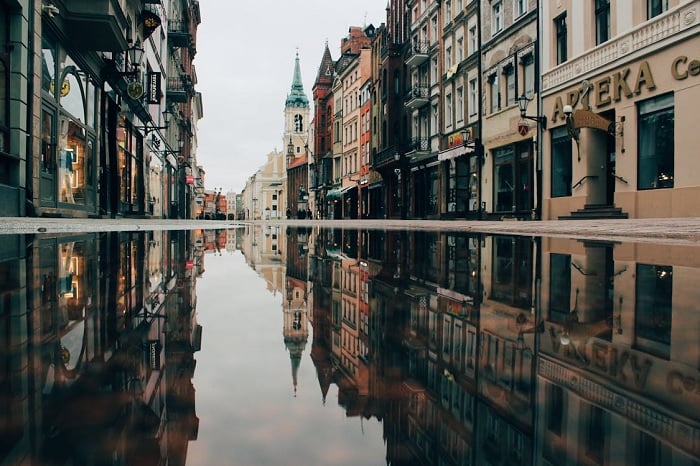
© Pawel L
19. Famous Locations
A recognizable landmark can be photographed with a different foreground, light, or viewpoint. Think about what the new frame adds to the many familiar views of that place.
Make the location easy to identify and keep the caption accurate. Check the agency's rules for recognizable buildings, artwork, and other property; access to a public viewpoint does not settle every question about licensing the resulting photograph.
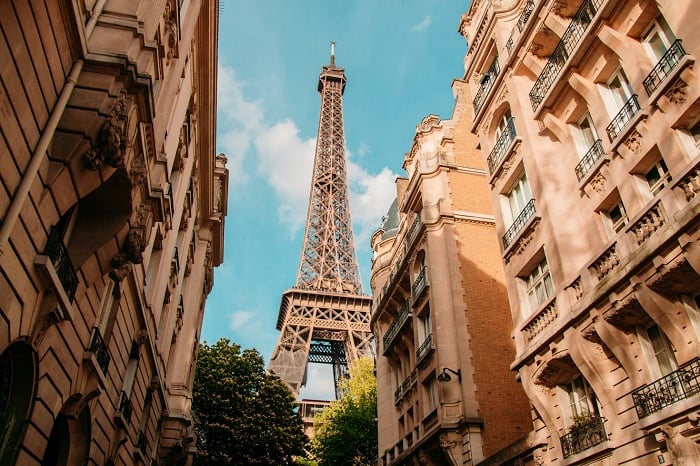
© Juan Ordonez
20. Beaches
Beaches offer more than a postcard view. Try the texture of the shore, a walking route, changing weather, or a specific activity you can photograph with permission.
A wide view may suit a travel layout, while a simple detail can leave space for text. Name the actual location when relevant.

© Asad Photo
21. Landscape Elements
Look for a simple subject within the wider scene: palm leaves against the sky, a cloud formation, or a pattern in sand. Decide whether the image is about a specific place or a visual concept.
Keep the composition uncluttered if you want to leave room for text. Check that a buyer could crop the picture without losing its main feature, and use accurate descriptions of the landscape and weather.

© Vincent Gerbouin
Before You Submit Your Stock Photos
A promising subject still needs a usable file and the right permissions. Check these points against your chosen agency's current requirements:
- People and property: Adobe requires a signed model release when a person can be recognized, including through details other than their face. Check its property release guidance for recognizable property. Other agencies and submission categories have their own rules.
- Technical quality: Inspect focus, noise, exposure, and editing artifacts at full size. Check the required file format and dimensions before exporting.
- Useful variations: Include genuinely different actions, compositions, or details. A large batch of nearly identical frames adds little choice.
- Accurate metadata: Describe the subject, activity, and relevant setting. On Adobe Stock, put the most important terms first; its guidance gives the first 10 keywords particular weight. Review suggested keywords and remove anything the photo does not support.
Conclusion
Choose one subject you can photograph well, check the agency's demand signals, and test a small set before planning a larger production. Keep records of what is accepted and what actually licenses.
These 21 ideas give you places to start. Your own results will tell you which subjects deserve more work. A current trend can help shape a shoot, but it cannot promise a sale.